
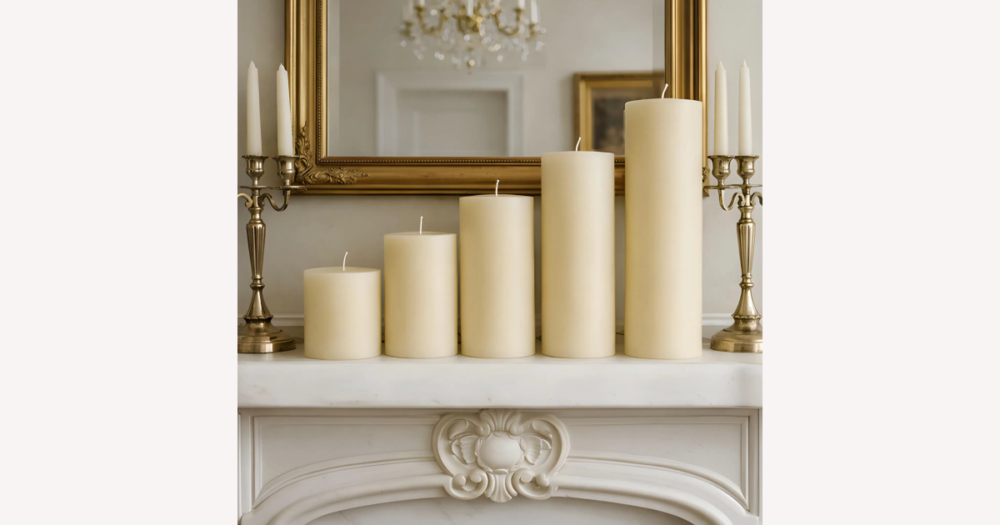
If you’re trying to figure out the best place to buy 4×8 pillar candles, DHgateWiki can’t name a single winning store—but it can help you choose better candles. On DHgate, the real advantage comes from knowing which candle type you want and how to read listing details and seller history, so you end up with pillars that fit your holders, suit your décor or event, and behave roughly as advertised instead of relying on a brand or shop name alone.
Shift from “best store” to “best candle match”
Many people arrive on DHgateWiki after searching for the “best place” to buy 4×8 pillar candles, but DHgate’s policies and this guide’s role mean I can’t rank off-site stores or endorse specific sellers. The real decision is simpler and more controllable: decide what kind of 4×8 pillar candle you need, then apply the same checks to every DHgate listing you’re considering.
On DHgate, as on big general retailers, you’ll see a wide mix of pillar candles that all look similar at first glance but differ in material, size accuracy, burn-time claims, scent, and whether they’re traditional wax or flameless LED. There isn’t one objectively best shop; there are better or worse matches for your situation. I care most about predictable, clean-burning performance, so I’m happy with plain colors if the wax type, wick description, and buyer reviews look solid, but someone decorating for a one‑night event might reasonably prioritize a specific color or texture and accept more uncertainty about burn consistency.
The rest of this guide treats DHgate as your marketplace and focuses on what you can control: understanding what “4×8” really refers to, how materials and basic specs affect real-world use, and how to read DHgate listing details and seller information so you can spot solid options and avoid obvious risks without needing a ranked list of stores.
What counts as a 4×8 pillar candle?
In most listings, “4×8” describes a pillar that’s about 4 inches in diameter and 8 inches tall, though some sellers round or approximate those numbers. You’ll see that label on two main formats in marketplace results: solid wax pillars that burn down over time, and flameless LED pillars shaped like candles, often with a molded or textured outer shell.
Both formats are used in similar places. A 4×8 pillar is large enough to stand out on a mantel, console, or bathroom shelf, substantial enough for wedding centerpieces and altar arrangements, and practical for occasional emergency lighting because the size supports longer potential run time. The wider base also helps stability compared with narrower candles, which matters if the candle sits where it might be bumped or if people will be moving around it.
Because 4×8 pillars are meant to be visually prominent, holders and glass hurricanes are often sized quite close to a 4‑inch inner diameter. That makes the exact measurements in a DHgate listing important later: a candle that’s noticeably under or over 4 inches can lean, wobble, or stick, which affects both safety and appearance.
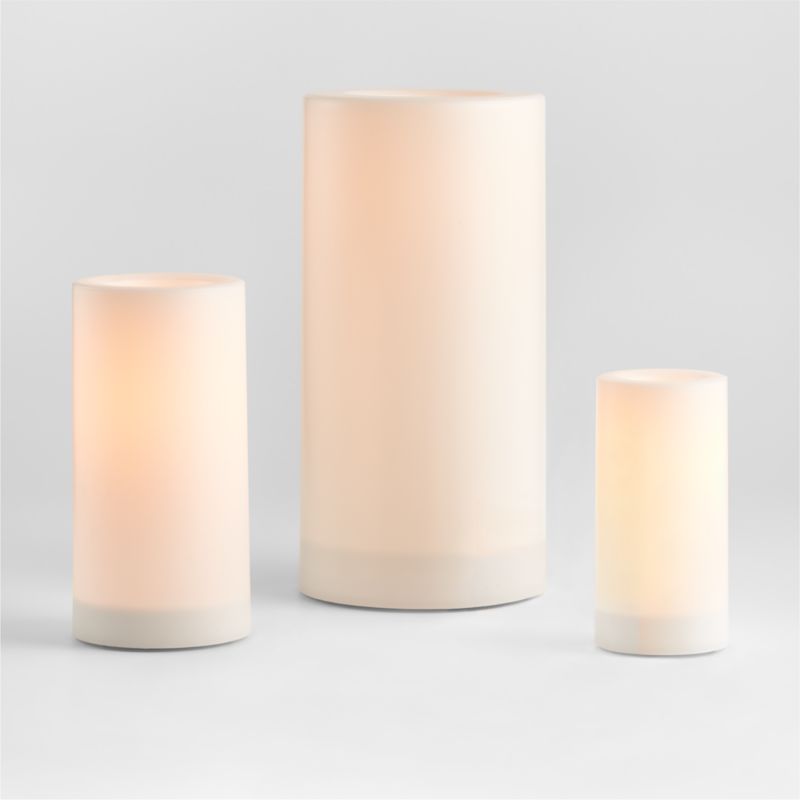
A typical 4×8 pillar candle is a chunky cylinder, roughly the height of a small bottle and wide enough to look substantial on its own. That can help you picture how it will sit on a holder or inside a glass hurricane.
Wax types and what they mean in real use
Most 4×8 pillar candles you’ll see on DHgate use one of a few common wax families: paraffin, soy, beeswax, or some kind of blend. Listings often lean hard on those labels, so it helps to treat them as clues to price and general positioning rather than promises about how the candle will burn.
Paraffin pillars are the default in many marketplaces. They’re widely used, usually the most affordable, and show up in a huge range of colors and finishes. If a listing doesn’t stress material at all, it’s often a paraffin candle. When I want predictable, straightforward performance at the lowest price, I’m comfortable starting with paraffin as long as the wick description and reviews look solid.
Soy pillars are typically marketed as plant-based and more “natural,” and some sellers suggest they burn in a slower, steadier way. In practice, formulation and wick design matter as much as the label, so I read “soy” as a style and price signal: you may pay more than a basic paraffin pillar, and you might see softer, more matte finishes that suit minimalist décor.
Beeswax is usually presented as the premium choice for pillars. These candles tend to cost noticeably more, are often a warm natural yellow, and may have a faint honey-like scent even when labeled unscented. I treat a “100% beeswax” claim as a cue to expect higher pricing and a more traditional look, and I double-check the dimensions and photos carefully so I’m not paying that premium for a candle that won’t actually fit my holders.
Blends, such as paraffin–soy mixes, aim to balance cost, appearance, and general burn behavior. A listing that says “soy blend” or “paraffin–soy pillar” usually signals a mid-range option: not the cheapest, but not as expensive as pure beeswax either. Because formulas vary, I don’t assume a specific performance pattern from blends; instead I use the blend label to set expectations on price and then lean on wick details and reviews to judge the candle’s behavior.
Many listings also sprinkle in sustainability phrases or badges—“eco,” “natural,” “certified,” and similar wording. Those are marketing cues, not guarantees. If a certification is mentioned, I look for a clearly named, correctly spelled standard rather than a vague logo, and I still weigh that claim against the asking price, the overall listing quality, and buyer feedback. If your priority, like mine, is a clean, predictable burn, material type and honest-looking specs matter more than a green-sounding slogan, while a reader focused mainly on décor might reasonably put more weight on color, texture, or finish than on strict material purity.
Specs to read carefully in a 4×8 pillar listing
- Burn time: Listings usually give an approximate burn time in hours for a single pillar, such as “50–60 hours.” For long events, repeated dinners, or backup lighting, I look for a figure that comfortably covers how long I actually need the candle running, then assume it’s an estimate rather than a precise guarantee.
- Wick details: Specs may mention a single wick or multiple wicks, along with phrases like “cotton wick” or “lead-free wick.” One central wick often gives a classic, narrower flame, while multiple wicks can increase brightness and help a wide pillar melt more evenly. I scan this line to check that the wick description sounds intentional, not an afterthought.
- “Dripless” and “smokeless” claims: Terms like these are seller marketing, and they depend heavily on how you burn the candle—keeping it upright, away from drafts, and on a level surface. I treat them as best-case aspirations, then look at buyer photos or comments where available to see whether people report actual dripping or smoke under normal use.
- Scented vs unscented: Listings usually call out fragrance clearly, with notes or a scent name for scented versions and phrases like “unscented” or “no perfume” for plain pillars. For dining tables, shared spaces, or guests who are sensitive to smells, I strongly prefer unscented 4×8 pillars so the candle doesn’t compete with food or bother anyone.
- Match specs to your priorities: Before browsing, decide what matters most—longer burn, low visible smoke, scent-free use, or simply a specific look—and then use these spec lines to filter out obvious mismatches. I read them as a rough screening tool: if the paper specs don’t align with my needs, I move on rather than hoping a borderline candle will behave perfectly.
Wax vs flameless LED pillars
| Type | Appearance and ambiance | Reusability and lifespan | Safety and venue rules | Features and controls | Typical cost pattern |
|---|---|---|---|---|---|
| Traditional wax 4×8 pillar | Real flame with natural movement, warm glow, and any added scent creating classic candle ambiance | Consumed as it burns; lifespan depends on wax quality and burn conditions, so each candle is a one-time or limited-use item | Open flame requires supervision, clear space, and may be banned in some venues for fire-safety reasons | Usually simple on/off use; no remote or timer, though multi-wick designs can change brightness and melt pattern | Often lower upfront cost per candle but higher ongoing cost if you need many pillars or repeated events |
| Flameless LED 4×8 pillar | Imitation flame that can look convincing at a distance but rarely matches the nuance of real fire | Body is reusable; “burn” experience is consistent over time, with batteries or charging as the main replacement cost | Very low fire risk, typically allowed where open flames are restricted, well suited to crowded events or venues with strict rules | Commonly offers remotes, timers, dimming, and sometimes color-changing modes that simplify setup and control | Higher upfront price per unit, but can be economical over multiple events or daily use because you reuse the same pillars |
A step-by-step DHgate buyer check
- Confirm the product type and size. Check that the listing clearly describes a roughly 4-inch diameter and 8-inch height pillar—wax or LED—and that any small variation will still fit your holders, trays, or arrangement.
- Read the description for key details. Look for wax or LED material, approximate burn time or LED runtime, scented versus unscented status, and any dripless or smokeless claims, treating these as seller descriptions rather than guarantees.
- Check seller reputation. Scan overall ratings, the number of completed orders, and feedback that mentions candles or similar fragile items, watching for repeated complaints about inaccurate sizing, poor packing, or weak performance.
- Review shipping and packaging. Compare estimated delivery time and shipping cost to the item price, and look for notes or photos showing protective packaging suitable for breakable or meltable goods.
- Understand DHgate’s return and dispute options. Before ordering, read the listing’s refund or replacement terms and DHgate’s buyer protection overview so you know when you can open a dispute if the candles arrive damaged or not as described.
- Weight performance cues against looks. If, like me, you care most about predictable burn or LED behavior, give more weight to clear specs, solid ratings, and detailed reviews than to glossy photos; for a one-off event, it can be reasonable to accept slightly higher risk to get a specific style or price, as long as you’ve checked the basics above.
Quick shortlist: what to prioritize at a glance
- Size match first. I skim straight to the dimensions and make sure the candle is close to 4 inches in diameter and 8 inches tall, and that any small variation will still fit my holders, lanterns, or trays.
- Check the material label. I note whether it’s paraffin, soy, beeswax, or a blend and ask if that matches my priorities for cost, general burn behavior, and how much I care about “natural” positioning.
- Confirm scented or unscented. For dining tables or scent-sensitive guests I only consider clearly unscented listings; I only accept scented candles when I actively want fragrance.
- Scan for a clear description. I prefer listings that mention basics like burn time or LED runtime and key features, and I skip ones that stay vague or contradict themselves about size, type, or use.
- Glance at seller history. I look for a reasonable rating, a meaningful number of completed orders, and feedback on candles or similar fragile items before I trust the listing.
- Use it as a fast filter. If a listing misses on several of these points, I usually move on; for a one-off event I might bend on material or scent if the look and price are right, but not on clear sizing or seller reliability.
Common pitfalls when buying 4×8 pillars online
- Watch for sizing tricks. Some listings use only metric measurements, round inches, or label a mixed-size set with a single “4×8” tag, which can leave you with pillars that wobble in holders or sit too low in glass hurricanes.
- Treat bold performance claims as marketing, not proof. Phrases like “dripless,” “smokeless,” or very long burn times depend heavily on how and where the candle is used, so I look for buyer photos and reviews that show real-world results before I rely on them.
- Don’t ignore packaging details. Candles and glass holders can be dented, cracked, or deformed if they’re packed loosely; I prefer listings or reviews that mention sturdy boxes, padding, or individual wrapping.
- Be extra cautious with vague listings on DHgate. The same issues show up on many big retailers, but on a marketplace with many independent sellers I avoid combinations of unclear dimensions, strong marketing language, and thin feedback, even when the product photos look great.
FAQ: practical edge cases and worries
Does it matter if a candle is slightly smaller or larger than 4×8, such as 3.8″ or 4.2″ wide?
Small differences around 4 inches can be fine in some setups but risky in others. If you’re placing the candle on an open tray, wide plate, or a holder with a generous inner diameter, a 3.8″ or 4.2″ pillar usually looks similar and still feels stable. In tight glass hurricanes, lanterns, or metal sleeves that are sized very close to 4″, being too small can make the candle lean or wobble, and being too large can jam it in place or scrape the sides. On DHgate, treat exact diameter as a safety and fit spec: check the measurements carefully, think about how precise your holder is, and when in doubt choose a size that leaves a little clearance rather than forcing a tight fit.
How should I interpret very low prices or unusually high burn-time claims on 4×8 pillar candle listings?
Low prices and bold burn-time promises are not automatically bad, but they deserve extra attention. For very cheap multi-packs or steep discounts, check whether the listed material, size, and photos match what you’d expect for a true 4×8 pillar, and read any available reviews to see if buyers mention fast burning, tunneling, or inconsistent quality. For claims like extremely long burn times, remember these are seller estimates, not guarantees; compare the hours to typical figures for similar-sized pillars and ask whether the wax type, wick description, and feedback support that claim. On DHgate, I’m skeptical when price, specs, and promises don’t line up—especially if the listing is vague or the seller has thin or mixed reviews—but I also recognize that genuine promotions exist. A good deal still looks coherent: realistic specs, decent seller history, and packaging or performance comments that match the description.
Do I need to leave DHgate to find good 4×8 pillar candles, or can I just shop within DHgate?
Many large retailers and specialty brands sell 4×8 pillar candles, but this guide is focused on helping you shop effectively on DHgate. You don’t have to leave DHgate if you can find listings that meet your criteria: accurate 4×8 sizing, a material and type that fit your priorities, clear spec descriptions, and a seller history that looks trustworthy. The same checks—dimensions, materials, burn or LED features, reviews, shipping, and return terms—apply across marketplaces, so once you understand them you can use DHgate confidently without needing a ranked list of external stores. This page is not endorsing particular off-site sellers; it’s giving you tools to judge any listing and to stay appropriately skeptical of extreme prices or claims that aren’t backed up by solid detail and feedback.