
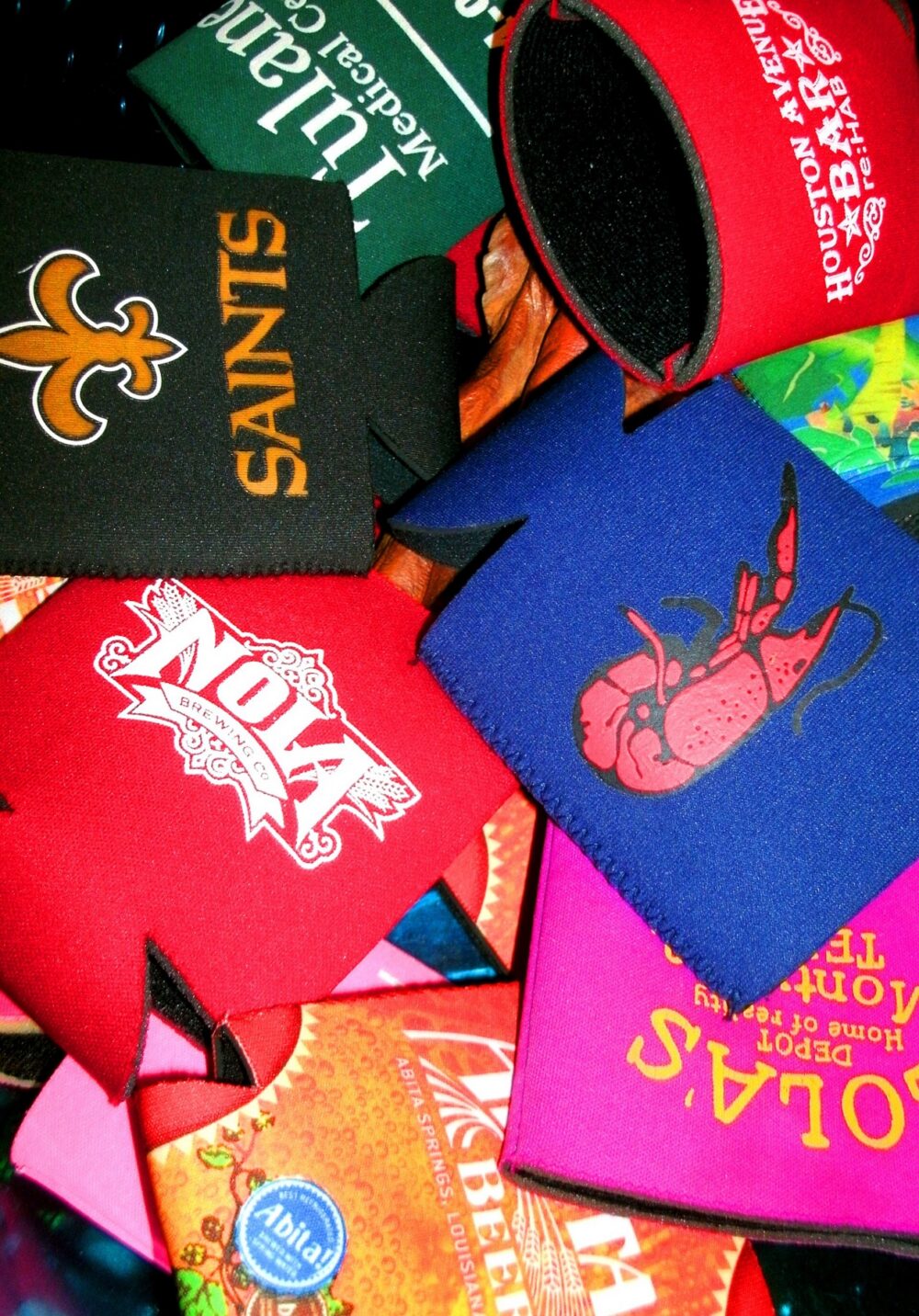
You should choose a 24 oz can cooler by matching the actual drink size you use, the insulation material, and the construction style to your scenario, then compare options across retail, promo suppliers, and cross-border marketplaces like DHgate if you’re buying in bulk. For events and giveaways, flexible neoprene sleeves are usually the best value. For resale or premium merch, 24-25 oz stainless vacuum can coolers similar to big-name brands tend to deliver the “wow” factor.
What 24 oz Koozies and Can Coolers Actually Are
A 24 oz can cooler (often called a koozie) is designed for tall, larger-volume drink formats, not the standard 12 oz soda can. US retail sites list 24 oz coolers for oversize beer and seltzer cans, energy drinks, and tall plastic or aluminum bottles, so you’re dealing with a noticeably taller and sometimes wider profile than a regular can.
For buyers and small brands, this 24 oz segment typically shows up in three scenarios:
- Event and wedding coolers for tall canned cocktails or seltzers.
- Bar, brewery, or merch-table items sized for the tall cans they serve.
- Personal-use coolers marketed as fitting both 24 oz cans and certain tall tumblers.
The catch: “24 oz” on a product page doesn’t always mean it only fits 24 oz cans. Some soft sleeves are labeled by volume but actually sized for a range of tall cans and bottles, while rigid stainless shells may be tuned very specifically to one format. That’s why you can’t just buy on the size number alone.
Key Types and Materials of 24 oz Can Coolers
Several material and construction styles compete in this size. They behave differently in real use.
Common materials you’ll see
Promo-industry guides at suppliers like 4imprint break can coolers broadly into neoprene, foam, and hard-shell drinkware. Applied to 24 oz formats, that looks like this:
| Material / style | What it is in practice for 24 oz | Best use cases | Main tradeoffs |
|---|---|---|---|
| Neoprene sleeve | Soft, flexible synthetic rubber | Event giveaways, wedding favors, club merch | Folds flat, decent insulation, prints well; not rigid, can feel “floppy” on lighter cans |
| Foam / collapsible | Thicker, spongy sleeve | Budget promos, large-volume handouts | Slightly bulkier, can insulate more; can feel cheaper and tear over time |
| Stainless hard-shell | Rigid, insulated metal can cooler | Premium retail, brewery merch, ecommerce resale | Strong insulation, durable, high perceived value; higher unit cost, heavier |
Neoprene is popular because it’s light, can be flattened for shipping, and has enough stretch to accommodate slightly different diameters. Foam sleeves skew cheaper and chunkier. Stainless hard-shell designs look and feel like high-end drinkware.
Soft sleeves vs stainless shells
Soft neoprene or foam coolers in 24 oz sizes are essentially scaled-up versions of the classic koozie: a cylinder with a bottom, printed logo or design, and enough height to cover most of the can. They’re about branding and basic comfort (keeping hands dry and drinks from warming instantly), not multi-hour insulation.
Stainless 24-25 oz insulated can coolers are more like dedicated drinkware. Chinese manufacturers advertise 24-25 oz vacuum-insulated shells designed for tall cans, similar in form factor to the stainless coolers sold under US premium brands, with screw or gasket tops that lock the can in place. These are intended to keep a drink cold for much longer and survive daily use.
For a small ecommerce brand, that distinction matters: the soft sleeve is a logo canvas; the stainless shell is a hero product customers will evaluate like a tumbler or bottle.

How to Evaluate 24 oz Can Cooler Options (Including DHgate in the Mix)
Once you know whether you need a simple sleeve or a premium shell, you can start comparing specific listings. These criteria keep you out of the guesswork trap.
1. Nail the size and fit
Size mismatch is the easiest way to waste money on 24 oz coolers.
- Check stated can formats. Look for phrases like “fits 24 oz tall cans” or specific drink callouts on retail pages such as Walmart’s 24 oz can koozie listings. That’s often more meaningful than the ounce number alone.
- Watch diameter as much as height. Tall seltzer cans and 24 oz energy drink cans don’t always share the same width. A neoprene sleeve may stretch; a stainless shell may not.
- If you sell tumblers too, confirm dual use. Some stainless coolers claim to double as tumblers with a different lid. Treat that as a bonus only after the can fit checks out.
For bulk or cross-border stainless shells, ask for a spec sheet with inner diameter, height, and any gasket dimensions rather than relying on photos.
2. Match material to your scenario
Think about how your buyers will actually use the product:
- One-night events and large giveaways. Neoprene or foam sleeves ordered through promo channels like Crestline are usually sufficient and cost-effective. You’re optimizing for logo visibility and quantity, not extreme performance.
- Merch for bars, breweries, or online shops. Stainless vacuum can coolers in the 24-25 oz range from manufacturers like those on cankoozie.cn can align with the look and feel of US premium brands. Here, you’re selling a durable product and can justify a higher price point.
- Personal-use one-offs. If you’re just buying for yourself or a small group, individual 24 oz coolers via retail or social marketplaces (for example, TikTok Shop’s 24 oz koozie results) keep things simple and avoid minimums.
3. Decide how you’ll customize
Customization options differ by channel and material:
- Soft sleeves: screen printing and full-color transfer prints are common on neoprene and foam, with many US promo suppliers offering low minimums and standard imprint areas.
- Stainless shells: laser engraving or high-quality printing works but may require more setup and better artwork.
If you only need a few dozen for a local event, US promo suppliers or marketplaces like Etsy’s custom koozie sellers are built for that. If you’re building a drinkware line and need hundreds of stainless shells, using a cross-border marketplace such as DHgate as part of your supplier search can surface factories offering 24-25 oz insulated designs similar to those shown by Chinese manufacturers, but you’ll have to vet each seller and listing yourself.
For cross-border stainless, budget time and cost for samples to check print quality and fit before committing.
4. Align order size with channel
You don’t need the same sourcing route for 20 pieces and 2,000 pieces.
- Small runs (20-200 units): retail bundles, TikTok Shop, Etsy, and US promo sites are generally the least complex. You pay more per unit but save on coordination.
- Medium to large runs (200+ units): promo-industry suppliers can be competitive, especially on neoprene sleeves. For stainless shells, working directly with manufacturers through cross-border marketplaces gives you more control over specs and potentially better scaling, at the cost of more due diligence.
For additional DHgate platform context, use What DHgate is and how the marketplace works, Find trusted sellers on DHgate, and Review the DHgate order-readiness checklist.
In every case, create a quick spec summary for yourself—material, target can type, insulation level, customization method, and quantity. Hold each listing or supplier proposal up against that summary to see if it truly fits, instead of just trusting the “24 oz” label.