
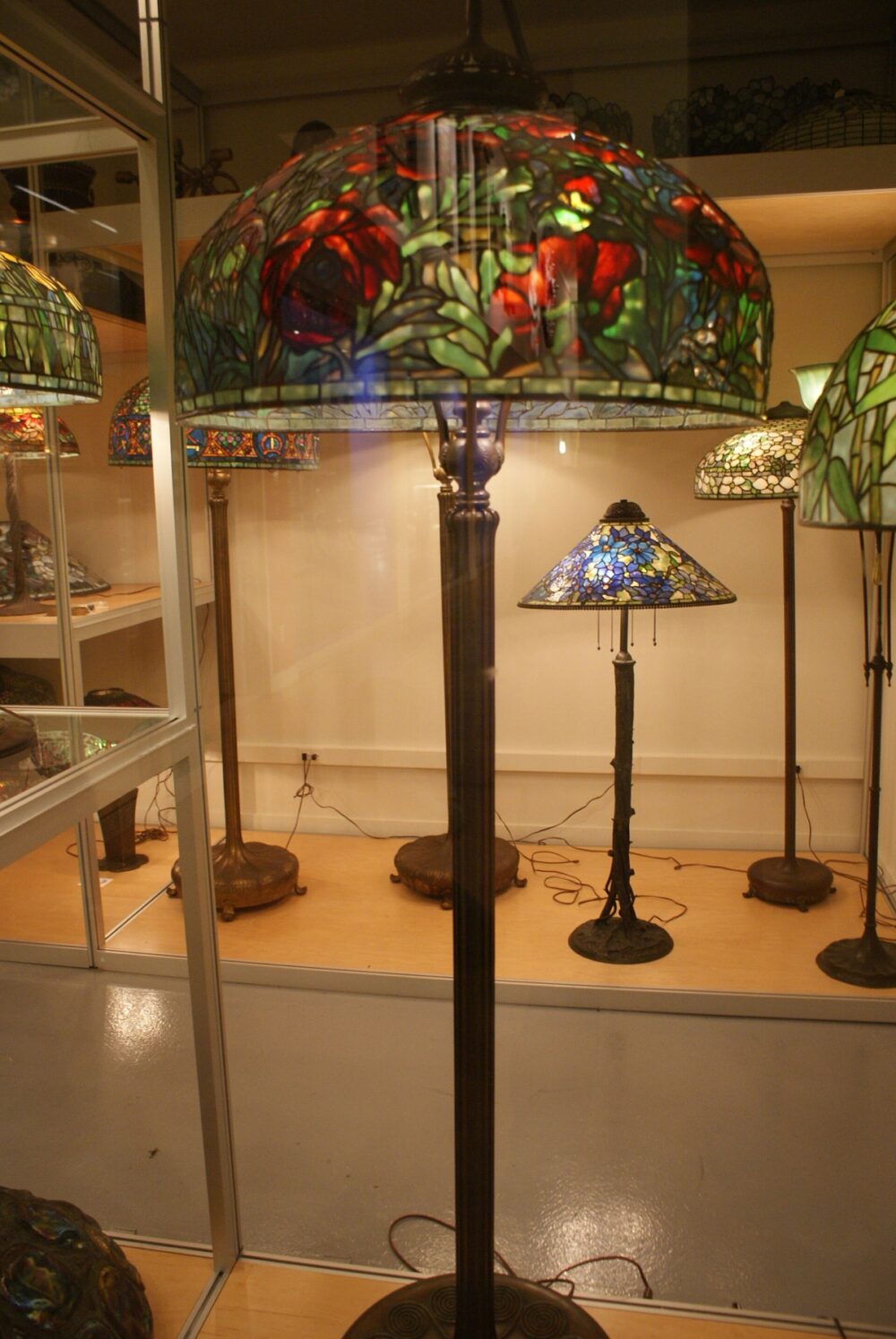
You choose a tulip floor lamp by deciding what job it needs to do – soft ambience, reading light, or a statement piece – then matching the lamp’s tulip style, height, materials and bulb type to that job. Multi‑flower “bouquet” tulip lamps suit decorative corner lighting; dome‑shade tulip floor lamps can pull double duty as task lighting by a chair. Once you know the style and specs you want, you can compare UK boutiques, mainstream marketplaces and cross‑border platforms like DHgate, using each channel’s selection and risk profile to decide where to actually buy.
What counts as a tulip floor lamp and where it actually works
“Tulip” floor lamps aren’t a technical category – they’re decorative lamps whose shades or clusters mimic tulip flowers. That can mean anything from a slim metal stem with a single tulip‑shaped glass shade, to a multi‑branch lamp with 10-20 small tulip flowers forming a lit bouquet.
In a UK home, these lamps typically play three roles:
- Ambient corner light in a living room. A flower‑cluster lamp placed behind a sofa or near a plant can throw a warm, diffuse glow and act as a sculptural object even when off.
- Soft bedside or reading light. A single‑stem or dome‑shade tulip floor lamp beside a reading chair or bed can concentrate light enough for a book, while still looking decorative.
- Statement piece in a small flat. In compact spaces, a tall, slim tulip floor lamp can do double duty as a focal point and primary evening light source, avoiding the need for bulky ceiling fixtures.
General floor‑lamp guidance still applies: you want the shade roughly around eye level when seated if you’ll read under it, and you’ll need enough overall brightness (lumens) for the room size and use case, as highlighted in living‑room lamp guides like Homespe’s floor‑lamp overview.
Tulip floor lamp types, specs and how to match them to your space
Tulip lamps come in more varied shapes than a typical straight‑pole floor lamp. A few patterns are common:
- Flower‑cluster tulip floor lamps. Multiple slender stems, each ending in a small tulip shade, often in glass or fabric. These excel at ambience and visual impact.
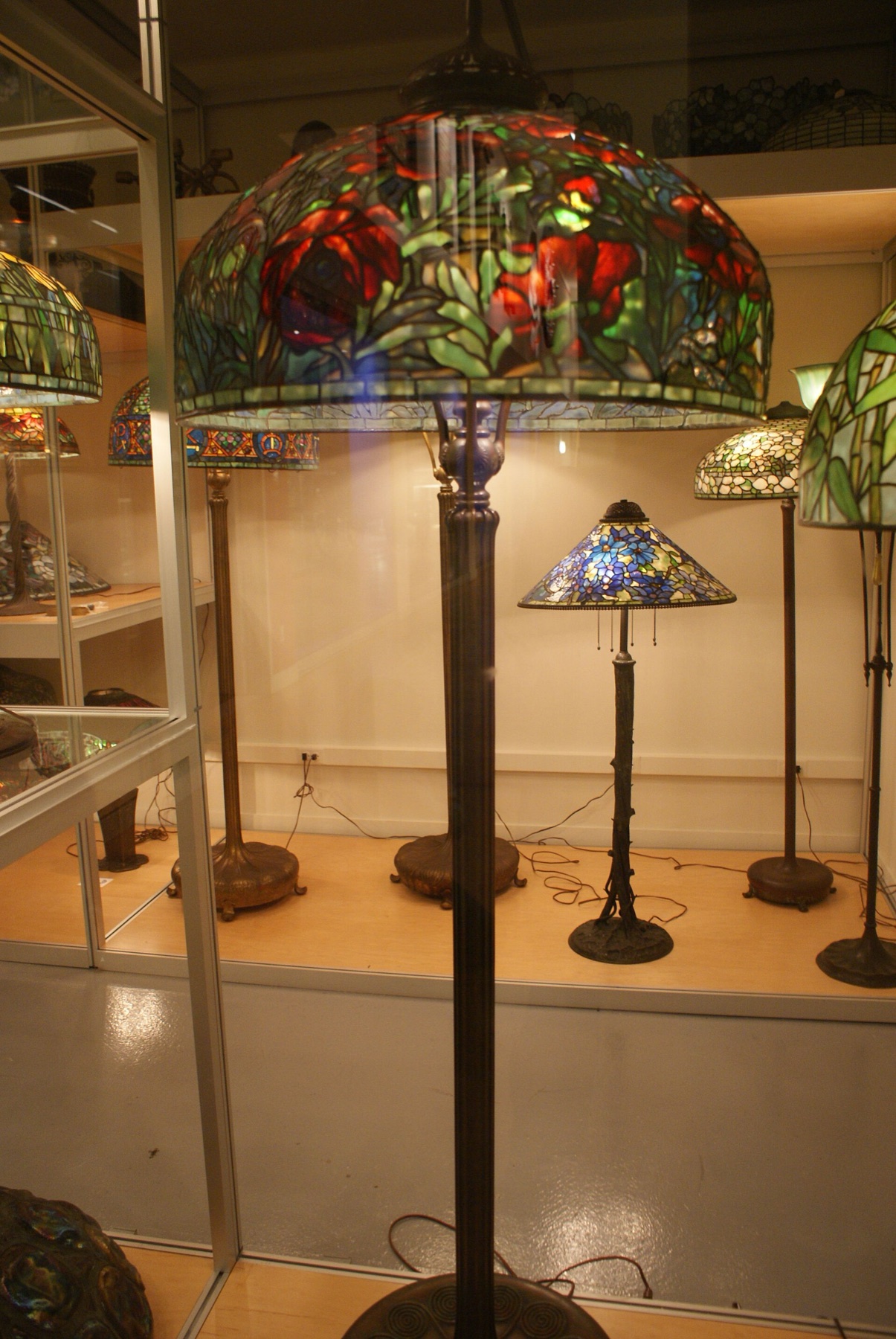
- Single dome‑shade tulip lamps. One curved stem and a larger tulip‑like dome, sometimes adjustable. These behave more like conventional task floor lamps.
- Twist or arc tulip lamps. A sweeping or twisted stem with tulip shade(s) projecting over seating – good for reading corners and small dining areas.
You’ll usually be deciding on four specification areas: height, footprint, materials and bulb type.
Height and footprint
Most floor‑lamp buying guides suggest choosing height by use: roughly seated eye level for reading, taller for pure ambience. Tulip lamps follow the same logic:
- In tight spaces (box rooms, small rentals), slimmer, slightly shorter tulip lamps – perhaps with a narrow base – avoid tripping hazards and visual clutter.
- In larger rooms, taller, more substantial tulip lamps with a wider shade cluster feel proportional and help fill the vertical space, an approach echoed in tulip lamp style advice from DHgate’s editorial blog.
For a reading corner, look for:
- A stem that brings the lowest tulip shade just below or at your seated eye height.
- A base that slides partly under or beside the chair without blocking legs.
For a purely decorative bouquet in a living room corner, height and footprint can be more generous – just make sure the tallest flowers sit below your ceiling and don’t brush curtains.
Materials and build quality
Tulip lamps can be made from metal, glass, ceramic, wood or plastic. Quality signals to look for include:
- Sturdy base. A wide, heavy base keeps a multi‑stem lamp from tipping if bumped.
- Solid materials. Metal, glass and ceramic typically feel more substantial and age better than thin plastics, as tulip lamp guides on dhgate.com’s blog point out.
- Sensible wiring layout. Cord exiting at the back of the base, not halfway up the stem; switch located where you can actually reach it from your usual seat.
You also want wiring and components that are properly certified for safety, as emphasized in mainstream floor‑lamp advice from sources like Lamps Plus. For UK buyers or resellers, that’s a cue to scrutinize product descriptions and, if necessary, ask the seller about compliance rather than assuming it.
Bulb type and ambience
Bulb choice has a big impact on how a tulip lamp feels:
- Incandescent or warm filament bulbs: classic, cozy look, strong warm glow, but higher energy use and shorter lifespan.
- LED bulbs: more energy‑efficient and long‑lasting, available in warm or cool color temperatures.
Tulip lamp buying guides note that incandescent bulbs give a very inviting glow, while LEDs win on efficiency and longevity. That tracks with broader lamp advice from Lamps Plus.
For a reading corner, lean towards a warm‑white LED in a dome‑shade tulip lamp: it’s kinder on eyes than a very cool bulb, and you avoid constantly replacing globes. For a romantic bouquet lamp in a bedroom, low‑wattage incandescent or warm LED capsules in each tulip shade preserve the flower‑like softness.
Quick style/use comparison
Here’s how common tulip floor‑lamp variants line up against typical uses:
| Tulip lamp type | Best use in a UK home | Space fit | Bulb strategy |
|---|---|---|---|
| Flower‑cluster bouquet | Ambient corner light, statement piece | Medium–large living rooms, hallways | Multiple low‑watt warm bulbs |
| Single dome tulip floor | Reading by sofa or chair, bedside floor | Small flats, bedrooms | One mid‑brightness warm‑white LED |
| Twist/arc tulip floor | Over‑sofa lighting, compact dining corner | Open‑plan spaces, narrow lounges | LED for brightness with lower glare |
For small ecommerce sellers, that table doubles as a merchandising map: cluster lamps as “decorative ambience” pieces; dome tulips as “functional yet playful” reading lamps.
Comparing online tulip floor lamp options, including DHgate
Once you know the style and specs you want, the next question is where to buy.
For UK buyers and small retailers, tulip floor lamps show up in a few channel types:
- UK boutiques and design shops. These often carry distinctive flower lamps with hand‑finished shades or limited‑run colors. Collections like the flower‑light ranges on sites such as BlissHome illustrate the kind of curated choice you’ll see: fewer SKUs, stronger design identity.
- General marketplaces. Larger platforms selling lighting and home goods will mix true tulip lamps with generic decorative floor lamps. Expect broad price ranges and varying quality.
- Cross‑border marketplaces such as DHgate. DHgate is one of several platforms that aggregate lamp styles from multiple sellers, including dimmable floor lamps and decorative designs, positioned at competitive prices in its own editorial content.
Where DHgate belongs in your shortlist depends on your priorities:
For additional DHgate platform context, use What DHgate is and how the marketplace works, Find trusted sellers on DHgate, and Review the DHgate order-readiness checklist.
- If you’re chasing unusual designs or lower unit costs for resale, DHgate can be a useful discovery tool. You may find multi‑stem tulip lamps or twist designs you don’t see locally. That comes with homework: checking materials, lamp height, wiring details and buyer photos on each listing, and asking the seller specific questions about bulb type and safety where needed.
- If you want a single lamp for your flat with minimal friction, a UK boutique or domestic marketplace may feel simpler: clearer local spec wording, familiar plug type, and no cross‑border complexities.