
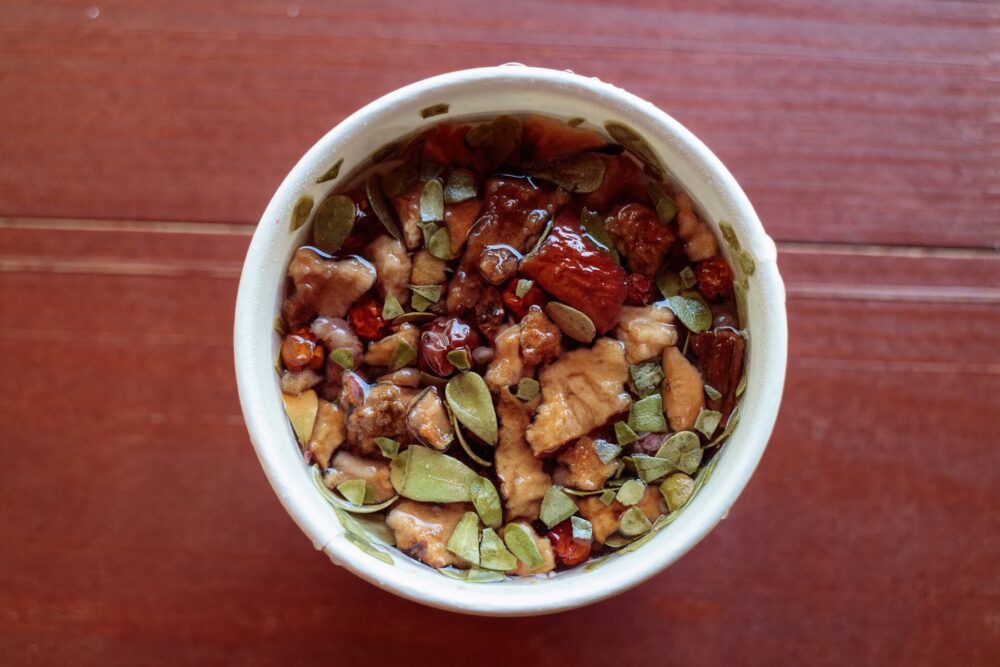
Herbal teas are plant infusions that can be a gentle way to support everyday wellness, but they’re not cures in a cup. If you start from a specific goal—say calmer sleep, less digestive discomfort, or support for healthy blood pressure—you can narrow down to herbs that may help, like chamomile, peppermint, or hibiscus, then look for well‑labeled products and realistic health claims before you click “buy.” On DHgate or any marketplace, treat herbal tea listings like food: scrutinize ingredients, origin, and packaging, and use them as part of an overall healthy routine, not as a stand‑alone treatment.
What Herbal Teas Are and How They Support Health
Herbal “teas” are usually called tisanes or herbal infusions. Unlike black or green tea, which come from the Camellia sinensis plant, herbal teas are made by steeping parts of other plants—flowers, leaves, roots, seeds, or dried fruit—in hot water.
That difference matters for two reasons:
- No natural caffeine in most herbal infusions, so they’re often used in the evening.
- Very different plant chemistry, so each herb has its own potential effects and flavor.
Editorial overviews describe herbal teas as generally rich in vitamins, minerals, and antioxidants and as useful alternatives to sugary drinks or sodas, especially when you drink them plain or lightly sweetened.
Harvard Health has highlighted three herbs in particular:
- Chamomile: Often used for relaxation and mild digestive discomfort. Evidence suggests it may help some people feel calmer and may support sleep quality.
- Peppermint: Commonly used for digestive complaints; it’s been linked to easing gas and bloating and may relax smooth muscles in the gut.
- Hibiscus: High in antioxidants, with research suggesting hibiscus tea may help some people manage blood pressure as part of a broader lifestyle plan.The health benefits of 3 herbal teas
Cleveland Clinic also notes hibiscus tea’s antioxidant content and its potential to help support blood pressure management in certain individuals, while stressing it isn’t a substitute for prescribed medication.7 Benefits of Hibiscus Tea
The takeaway: herbal teas can play a supportive role, especially when they replace less healthy beverages, but they’re additions to your routine, not primary treatment for medical conditions.
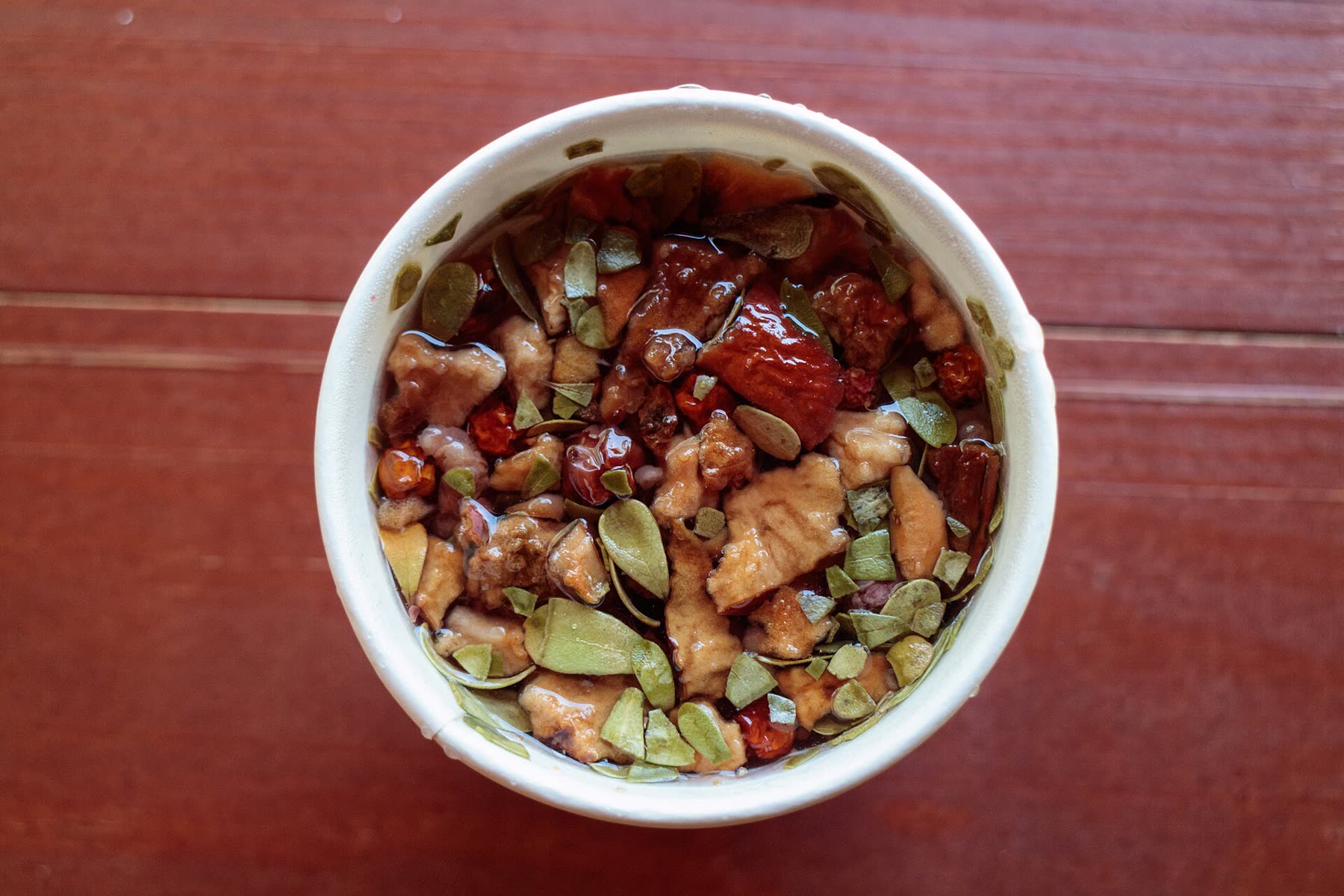
Quick health‑goal mapping (without overpromising)
Here’s a practical way to think about herbal infusions:
| Health goal (everyday) | Herbs commonly used for it* | Typical role of tea |
|---|---|---|
| Digestion & bloating | Peppermint, ginger | May ease gas, nausea, or feelings of fullness when used with overall diet changes |
| Stress & sleep | Chamomile, lavender, lemon balm | May promote relaxation and help you wind down before bed |
| Immune support, cold season | Echinacea, elderflower (often in blends) | Often used traditionally in cold season; evidence is mixed, best seen as supportive |
| Blood pressure support | Hibiscus | May help some people support healthy blood pressure when combined with medical care |
\*These are common consumer uses and traditional applications, not medical treatments.
For any ongoing condition or prescription medication, check with a healthcare provider before adding strong herbs, especially hibiscus, licorice, or high‑dose blends.
Types of Herbal Teas and Matching Them to Your Goals
Once you know your goal, your next decision is the format: single‑herb vs blends.
Single‑herb infusions
Single‑herb teas focus on one plant, which makes it easier to understand how your body responds.
Typical examples include:
- Peppermint tea: For people who want a cooling, minty cup that may ease digestive discomfort.
- Chamomile tea: A classic bedtime choice for relaxation and a gentle floral flavor.
- Ginger root tea: Spicy and warming, often used for nausea support and digestive comfort.
- Hibiscus tea: Tart and ruby‑red, popular for heart‑health‑adjacent goals and as a vitamin C‑rich drink.
- Lavender, nettle, lemon balm, turmeric: Often chosen for stress, mineral intake, mood support, or joint‑comfort routines.
Single‑herb teas make sense if:
- You’re targeting one clear goal (e.g., “I want a nighttime tea”).
- You’re watching for possible reactions or interactions.
Blends and “functional” formulas
Blends combine several herbs aimed at a theme such as “sleep,” “detox,” “immunity,” or “slim.” You’ll see ingredients like chamomile plus lavender, or peppermint plus ginger and licorice.
Pros:
- More interesting flavors.
- Multiple mild actions in one cup (e.g., relaxing + digestive comfort).
Cons:
- Harder to tell which herb agrees or disagrees with you.
- Marketing names can overpromise (“detox” or “fat‑burn”), especially on lesser‑known marketplaces.
When you shop online, use both the goal and an herb name in your search: for example, “sleep tea chamomile lavender” or “digestion tea peppermint ginger.” That’s more specific than searching for “healthy tea,” and helps you avoid generic or gimmicky products.
Safe intake and moderation (sidebar)
Most adults tolerate a few cups a day of common herbs like peppermint or chamomile, but reactions vary. Treat herbal tea like any other functional food:
- Start with 1 cup a day for new herbs.
- Avoid high‑dose or concentrated products if you’re pregnant, breastfeeding, have chronic illness, or give herbs to children—talk with a clinician first.
- Watch for signs like heart palpitations, dizziness, rashes, or stomach upset and stop if they appear.
Buying Herbal Teas Online: Labels, Claims, and Marketplace Choices
Herbal tea is easy to ship and store, so it shows up on everything from national brands’ sites to global marketplaces like DHgate and seller storefronts on Amazon and Etsy. That convenience comes with real differences in how well products are labeled and vetted.
What a good herbal tea listing should tell you
Whether you’re shopping a U.S. supermarket brand or a cross‑border seller, look for:
- Full ingredient list: Each herb named clearly (e.g., “peppermint leaf,” “chamomile flower,” not just “proprietary blend”). Single‑herb teas should say “100% [herb]” or close to it.
- Plant part and form: Flowers vs roots vs leaves, whole vs cut vs powdered. Roots and powders often brew stronger but can taste harsher.
- Origin or region: Country of origin or growing region is a useful quality clue; lack of any origin information is a yellow flag.
- Net weight and serving description: So you can estimate cost per cup and avoid “tiny bag” surprises.
- Best‑by date or packing date: Dry herbs lose potency over time; fresher is generally better.
Brand editorials and specialty shops typically recommend steeping herbal teas in recently boiled water for several minutes and storing them airtight, away from light and moisture. If a listing doesn’t mention any preparation or storage guidance at all, you’ll need to rely on general practice rather than seller instructions.
Reading health claims with a critical eye
Because herbs have a long history of traditional use, sellers sometimes drift into quasi‑medical language. On global marketplaces, those claims can be enthusiastic and vague.
Use these filters:
- Prefer “may support” over “cures”: Chamomile “may help you relax” is reasonable; “treats anxiety” is not.
- Look for specific, modest benefits: Hibiscus “may help support healthy blood pressure” aligns with institutional sources; “reverses heart disease” is a red flag.
- Check for citations or context: If a brand references a reputable source like Harvard Health or a hospital system, that’s a good sign—but still not a personal guarantee.
If a product promises to replace medications, detox your organs, or deliver dramatic weight loss, walk away.
Where DHgate fits into herbal tea buying
DHgate is a global marketplace that connects buyers with sellers, many of them overseas. For herbal teas, that usually means:
- Potential access to regional or traditional blends you won’t see in big‑box U.S. stores.
- Bulk or wholesale‑style packaging for people who want large quantities or to resell locally.
Since we don’t have live listing data here, treat DHgate like any open marketplace:
- Read the product photos carefully for packaging language, origin, and certifications.
- Use the Q&A or messaging features (when available) to ask about harvest dates, additives, and whether the herbs are flavored or sweetened.
- Compare multiple listings for similar herbs to see which ones provide the most transparent information.
If you want straightforward, certified organic chamomile for home use, a U.S. grocery or well‑known tea brand may be simpler. DHgate is more relevant if you’re comfortable evaluating cross‑border products and possibly buying in volume.
Cross‑border freshness and shipping expectations
Dry herbs can handle long shipping times, but they’re not immune to staleness.
For tea shipped internationally:
- Prefer sealed, branded packaging over loose product in generic bags.
- Expect flavor and aroma to fade faster if the bags aren’t oxygen‑barrier or if they sit in hot conditions.
- When your order arrives, smell and inspect the herbs. They should be aromatic and free of visible mold or contamination.
If the tea smells flat, dusty, or off, your safest move is not to drink it.
Practical next step: build your short list
To turn research into a cart you feel good about:
- Pick your main goal: digestion, stress, sleep, blood pressure support, or simply replacing soda.
- Choose 1-3 herbs that match that goal (peppermint or ginger for digestion; chamomile or lemon balm for relaxation; hibiscus for blood‑pressure support, in consultation with a clinician).
- Search with both herb and goal on your chosen platforms: for example, “peppermint digestive tea” or “chamomile sleep infusion” on a U.S. site, then repeat on DHgate if you’re curious about cross‑border options.
- Compare labels and claims: favor products with clear ingredients, origin details, and modest, support‑focused language.
- Buy a small quantity first: test how you feel with a cup a day before you commit to large bulk orders.
Herbal teas can be a pleasant, low‑stakes way to tweak your daily routine. A little label reading and skepticism about health claims will help you enjoy the benefits they can reasonably offer—without expecting them to do more than they should.