
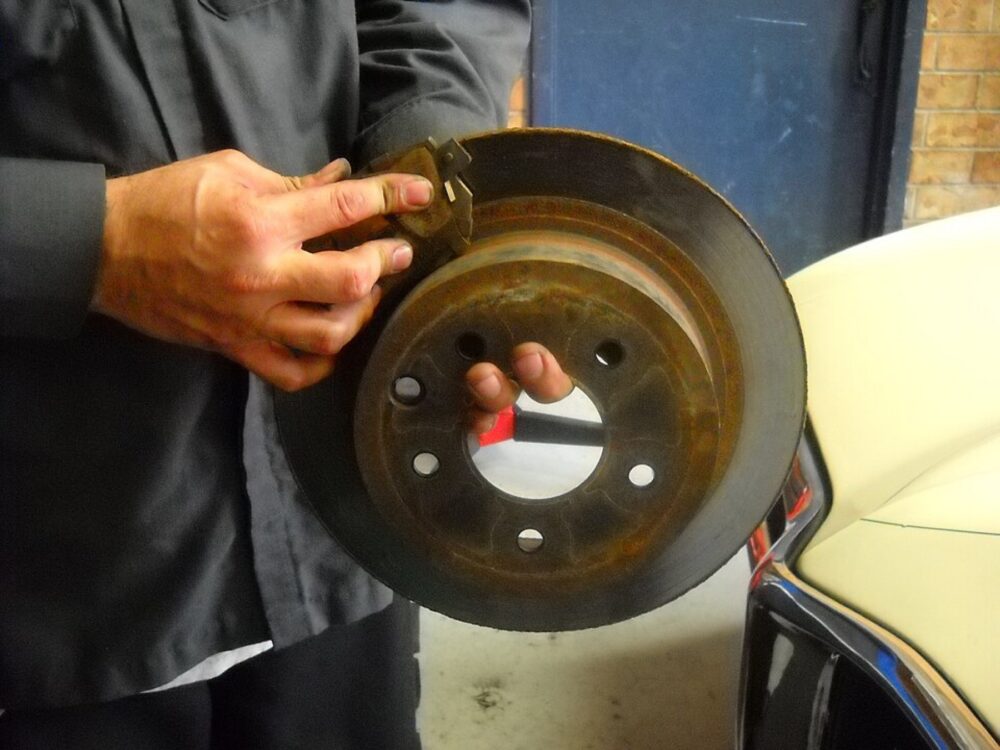
GMC Sierra brake pads and brake parts aren’t one-size-fits-all. Before you buy anything, you need parts matched to your truck’s exact year, series (1500 vs 2500/3500), drivetrain, and how you actually use it. For a Sierra that mostly commutes, OEM-equivalent pads and rotors from a mainstream auto parts chain will usually be fine. For a truck that tows regularly or runs loaded, many owners step up to heavier-duty pad/rotor kits from reputable aftermarket brands. You can find both through OEM-focused parts sites, US chains, specialist truck retailers, general marketplaces, and forum-recommended online stores.
The big decisions are: 1) fitment (getting the right parts for your specific Sierra), 2) OEM vs aftermarket performance, and 3) which sourcing channel fits your budget and risk tolerance. Here’s how those pieces fit together.
What Counts as Brake Parts on a GMC Sierra and Why Fitment Matters
On a GMC Sierra, “brake pads and brakes” usually means a full chain of components:
- Front and rear brake pads
- Brake rotors (discs) or, on older/higher-payload setups, drums and shoes in the rear
- Calipers and their slide pins
- Brake hoses and hard lines
- Master cylinder and associated hardware
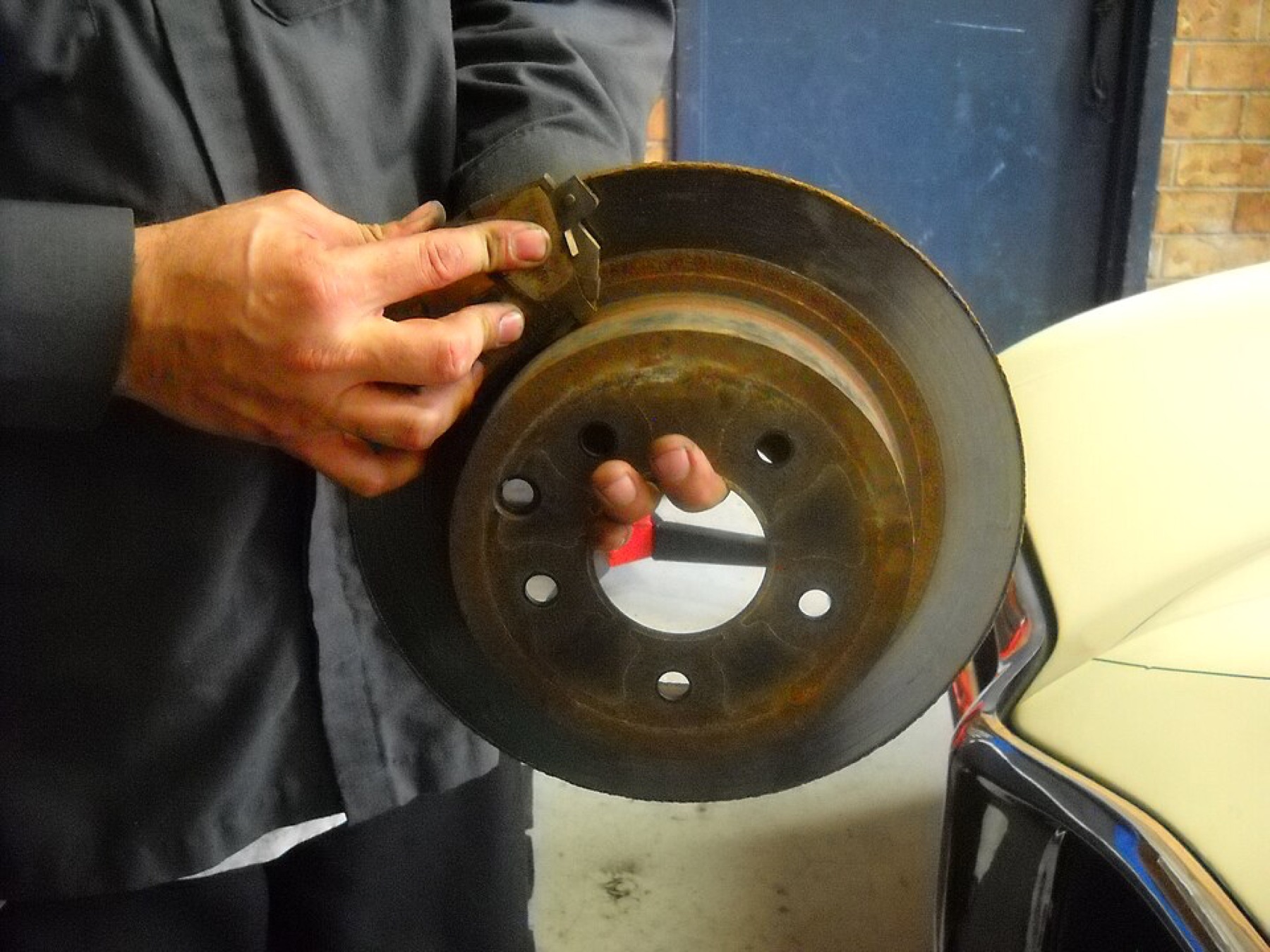
Pads and rotors are the wear items you’ll replace most often, but on high-mileage or hard-work trucks you may also be shopping calipers and master cylinders.
Fitment is tricky on the Sierra for a few reasons:
- Generations and facelifts. A 1999 Sierra 1500 takes very different brakes than a 2019 Sierra 2500 HD. Even mid-cycle changes can alter rotor diameter or pad shape.
- Half-ton vs HD. 1500 vs 2500/3500 HD trucks use different brake packages to handle higher GVWR and towing. HD brakes are usually larger and built for more repeated stops under load.
- 2WD vs 4WD, special trims. Options like off-road packages or max-tow packages often include upgraded brakes, which means different part numbers.
You see this pain point in real-world threads where owners of older Sierras complain that local chains keep handing them smaller, incorrect pads. The root cause is often a trim, axle, or year mismatch. For safety-critical parts like brakes, you should treat correct fitment as non-negotiable: always confirm by VIN, year, and configuration before you buy.
OEM vs Aftermarket Brake Pads and Kits for GMC Sierra
Once fitment is nailed down, the next question is what type of parts to run.
How OEM-style and aftermarket options differ
OEM (or GM Genuine) brake components match what the truck left the factory with. Aftermarket pads and rotors range from basic “service grade” to performance-oriented kits.
Specialist truck retailers such as AmericanTrucks organize GMC Sierra pads and pad/rotor kits by generation and model year. Browsing those listings shows the typical aftermarket spread: ceramic pads marketed as low-dust and quiet, semi-metallic pads pitched for heavier-duty stopping, and complete front/rear kits that include rotors.
For a working Sierra, the OEM vs aftermarket choice usually comes down to how the truck is used:
- Daily driver / light duty. OEM-equivalent or mid-grade ceramic pads often prioritize low noise and dust.
- Towing and payload. Many owners prefer higher-friction or semi-metallic formulations and slotted/vented rotors to tolerate heat better.
- Performance or appearance builds. Cross-drilled or slotted rotors plus ceramic pads are common, mainly for feel and aesthetics.
Compact comparison: where each option tends to fit
Here’s a simple way to think about it:
| Use case | OEM / GM Genuine-style parts | Reputable aftermarket kits |
|---|---|---|
| Stock daily driver 1500 | Consistent feel, predictable lifespan, factory behavior | Option for quieter / lower-dust ceramics at similar or lower cost |
| Regular towing with 2500/3500 | Safe default; match HD-spec part numbers | Heavy-duty pad/rotor kits designed for heat and repeated heavy stops |
| Small reseller stocking parts | Higher buyer trust for “OEM-equivalent” lines | Wider margins and variety, but more brand vetting required |
US auto parts chains such as Advance Auto Parts list Sierra-specific brake kits that blend OEM-equivalent and aftermarket options for particular model years, as seen in their catalog page for a 2019 Sierra 2500 HD brake kit set (Advance Auto Parts listing).
For safety, avoid ultra-cheap, no-name pads or rotors whose friction material, metallurgy, or testing is unclear. With brakes, a slightly higher upfront spend on a known brand is often cheaper than dealing with warped rotors, noise complaints, or poor stopping.
Choosing Brake Parts Based on Your Sierra and Your Use
To make this practical, think in scenarios rather than specs.
- 2014 Sierra 1500 commuter: You mostly do highway miles, no towing. OEM-equivalent ceramic pads and standard rotors from a mainstream chain or OEM-focused site will likely suit you; prioritize quiet and smooth feel.
- 2018 Sierra 2500 HD tow rig: You pull equipment or a camper regularly. Look for HD-spec pads/rotors matched to your VIN, and consider reputable aftermarket kits that mention towing or heavy-duty use. Keep the pad compound compatible with your rotors to avoid premature wear.
- Small ecommerce seller: If you’re stocking Sierra brake kits, start with a tight range (for example, a few popular years of Sierra 1500 and 2500 HD) and clearly separate OEM-equivalent SKUs from performance kits. Fitment accuracy and honest descriptions will matter more than carrying every possible part number.
Whichever scenario you’re in, build your shopping list around:
- Exact year, 1500 vs 2500/3500, 2WD vs 4WD
- Front vs rear axle parts
- Pad material (ceramic vs semi-metallic) and rotor style
- Whether you need just wear items or hardware (clips, pins) and hydraulics (calipers, master cylinder)
Where to Buy GMC Sierra Brake Parts: Retail, Online Marketplaces, and Cross-Border Options
There’s no single “right” channel; each has tradeoffs for individual owners and small sellers.
OEM-focused parts sites
OEM parts sites that carry GM Genuine components let you search by VIN, trim, and system. For example, OEMPartsOnline’s GMC K1500/Sierra rear brakes section shows how these catalogs break down rear brake assemblies, hardware, and bolts for a specific truck configuration.
Pros:
- Strong fitment filters (VIN and trim-based)
- Factory-style part diagrams for complex assemblies
Cons:
- Limited to OEM; fewer lower-cost or performance variations
US auto parts chains and truck specialists
Mainstream chains (AutoZone, O’Reilly, Advance Auto Parts) and truck-focused retailers (like AmericanTrucks) are common choices:
- Chains mix OEM-equivalent and aftermarket pads/rotors, and typically let you filter down by year, Sierra model, and axle.
- Truck specialists, as shown on AmericanTrucks’ Sierra brake pad pages, organize kits by generation (e.g., 2007-2013 Sierra) and make it easy to see front vs rear and performance vs standard kits.
Pros:
- Clear organization for Sierra by year
- Multiple pad materials and kit options for different use cases
Cons:
- Store-level fitment advice can be hit or miss; you still need to double-check your configuration.
General marketplaces and online retailers
General marketplaces such as eBay are widely used to search for OEM-style brake components. A typical search result page like eBay’s GMC Sierra 3500 brake master cylinders and parts section (eBay GMC Sierra 3500 brakes) shows a mix of branded parts, used components, and aftermarket listings.
Enthusiast forums back up how common online retailers and marketplaces have become. On GM-Trucks, owners swap advice on where to buy OEM parts and often mention marketplaces and multi-brand retailers for genuine components (GM-Trucks OEM sourcing discussion). SilveradoSierra forum members recommend sites like RockAuto for rotor and pad kits, highlighting kit-style shopping for GM trucks (SilveradoSierra brake parts thread).
Pros:
- Wide selection, including hard-to-find or older Sierra parts
- Potential access to used OEM components and bundled kits
Cons:
- Mixed-quality listings; you must vet brands and check that “OEM” claims are credible
- Higher chance of fitment errors if sellers use generic descriptions
Cross-border and small-seller considerations
For cross-border sourcing or building resale inventory, brakes carry extra risk:
- Authenticity and standards. Safety-critical components may be subject to different regulations or testing in other regions. Ensure any imported pads/rotors are appropriate for US road use and come from traceable brands.
- Fitment complexity across years. A small error in year or trim labeling can create a large pile of returns and frustrated buyers. For small ecommerce businesses, investing in correct cataloging and VIN-based fitment tools is almost as important as the parts themselves.
In many cases, small sellers blend channels: sourcing OEM-equivalent or branded aftermarket pads from established US distributors, and using marketplaces or specialist truck sites to fill gaps in the line. That mix helps manage risk while still offering variety.
Ultimately, your best source is the one that gives you verified fitment for your exact Sierra, parts that match how the truck is used, and enough brand information that you’re comfortable relying on those brakes every day.