
What Yarn Winders and Swifts Are, and Why Buyers Look Cross‑Border
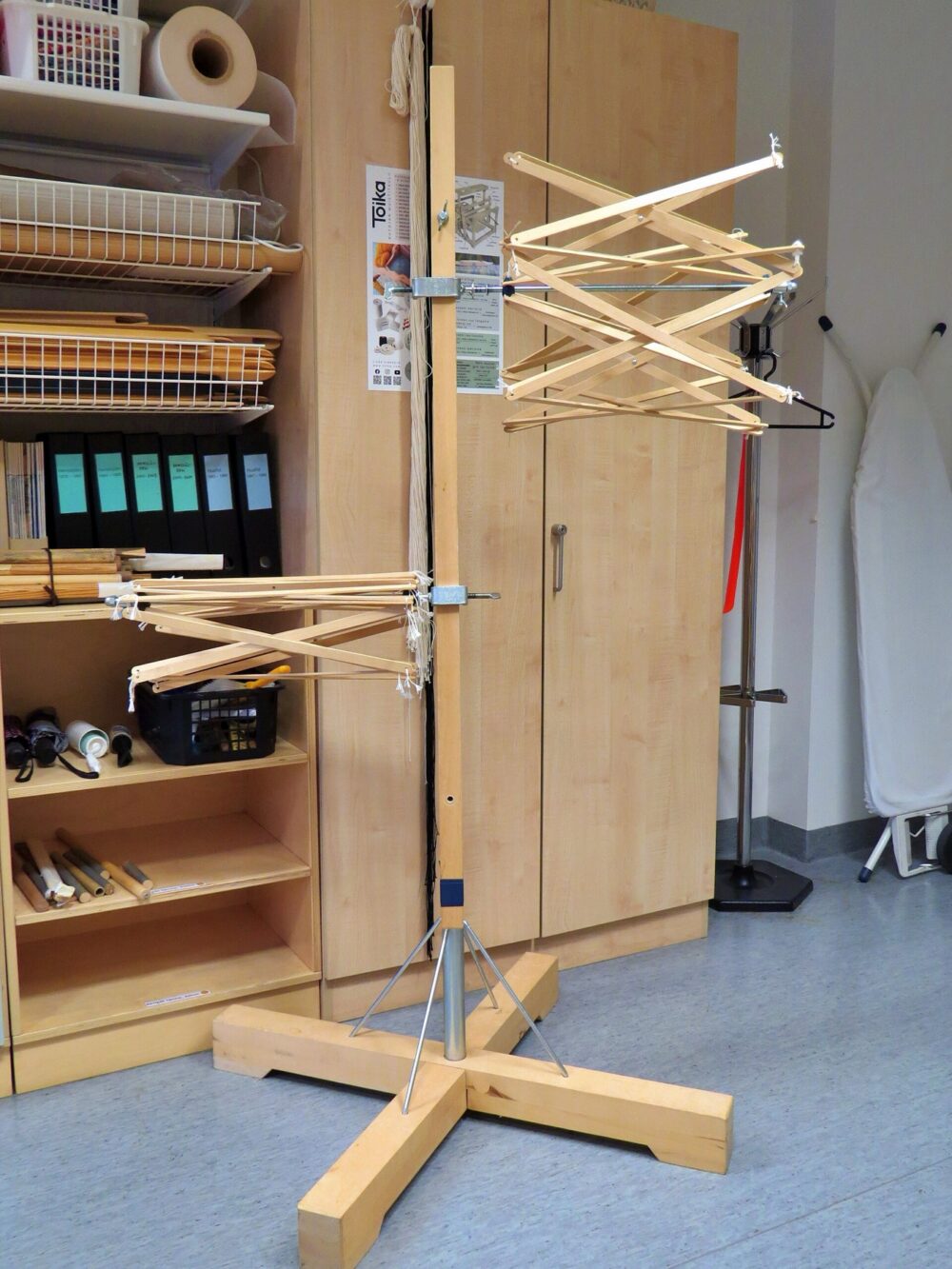
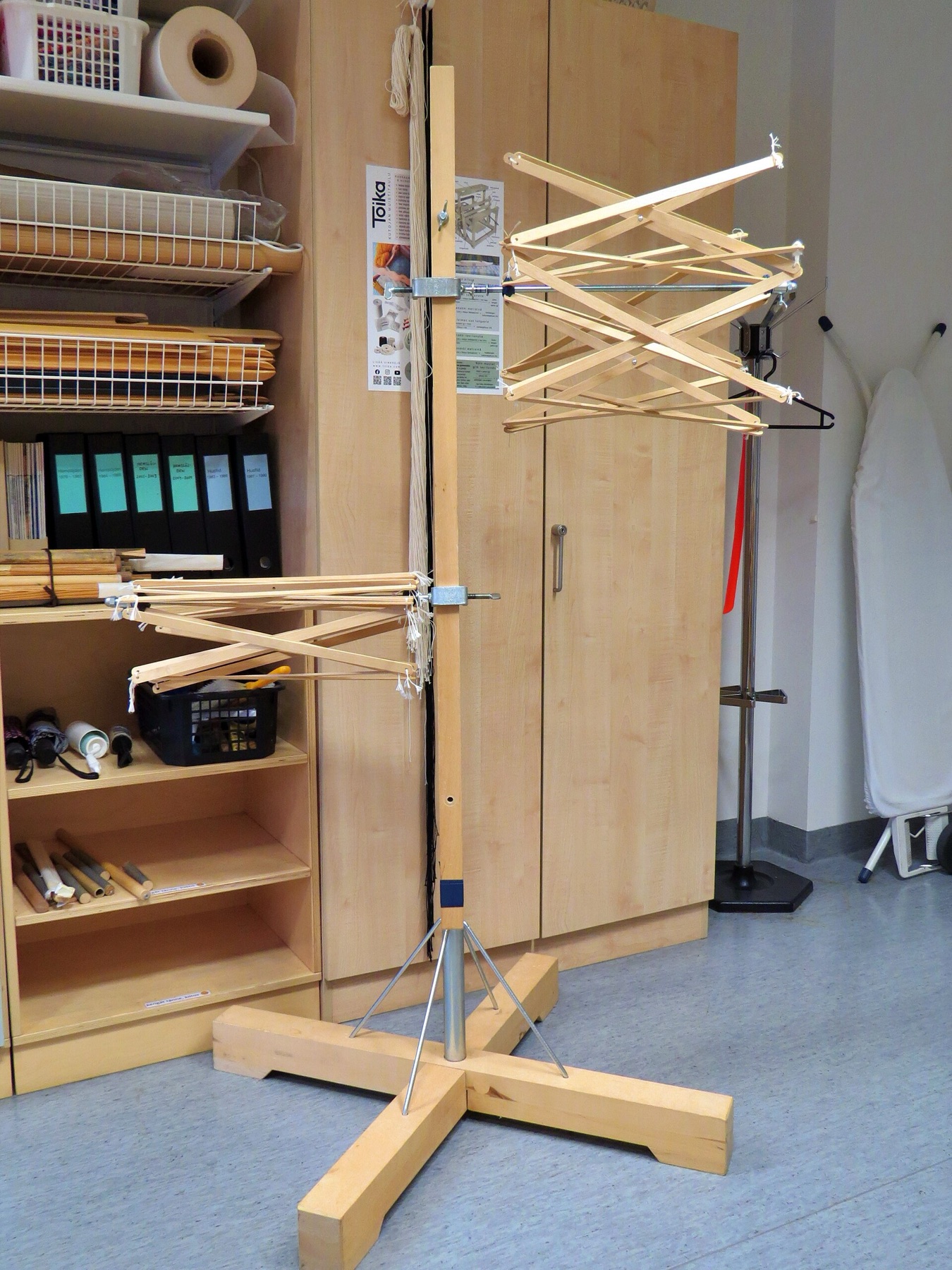
Yarn winders and yarn swifts are mechanical accessories used to turn skeins or hanks of yarn into neat, center‑pull balls. A swift holds the skein in a large expandable frame; the winder turns the yarn into a cake or ball. Specialist yarn brands treat them as a distinct accessories category for knitters and crocheters, not just generic household gadgets, which you can see in dedicated tool listings from retailers like Durable Yarn. DHgate is one cross‑border multi-seller marketplace to evaluate for this buying task; compare the listing details, seller evidence, sample, and order terms before scaling.
Home crafters look for these tools to save time and avoid tangled yarn. Small yarn shops and online sellers use them to prep stock, offer winding as a service, or bundle winders and swifts as add‑on products. Buying cross‑border can make sense when you want lower unit costs, more designs (such as different clamp styles or materials), or OEM options for branded tools. The trade‑off is that you lose the automatic yarn‑specific curation you get from local specialists and must vet quality more actively.
Searching and Filtering Yarn Winder Listings on DHgate
Here’s a focused workflow to actually find usable yarn winders and swift accessories on DHgate rather than getting lost in generic craft tools.
- Define your requirements before you search
For home use, that might be: tabletop clamp vs. free‑standing, maximum skein length your swift must hold, preferred materials (plastic vs. beech or other hardwood), and whether noise matters in a small flat. For a small yarn business, add target price band, minimum durability, and any branding needs. DHgate’s own sourcing guidance recommends outlining specs and budget before browsing, because it helps you judge listings against a fixed checklist rather than impulse‑shopping.
- Use targeted yarn-tool keywords in the DHgate search bar
On the homepage, type concrete search phrases instead of just “yarn winder.” Examples:
- `yarn ball winder`
- `umbrella yarn swift`
- `wool winder clamp`
- `knitting yarn swift winder set`
Run each query separately; you may surface slightly different supplier groups and designs.
- Apply basic filters to cut obvious mismatches
Use DHgate’s generic filters to narrow results, keeping them aligned with your yarn-tool needs. Typical options include:
- Price range: remove ultra‑low or very high outliers that don’t fit your budget or intended quality tier.
- Seller rating or review level: prefer sellers with stronger ratings and more transactions over brand‑new or poorly rated ones.
- Order volume or popularity signals: listings that have been bought more often can give you more review data to analyze.
- Open promising listings and read the yarn‑specific details
Each DHgate listing is designed to show product specs, images, prices, and seller ratings. For yarn winders and swifts, focus on:
- Capacity and dimensions: maximum skein circumference for swifts; yarn weight range or capacity for winders.
- Material and build: plastic vs. wood, metal gears vs. plastic, clamp type and thickness range for tables.
- Photos in use: look for images showing real yarn on the swift or winder, not only studio shots. This helps you see scale and stability.
- Bundle contents: whether you’re buying just a winder, just a swift, or a set with tools and accessories.
If a listing doesn’t specify capacity or shows stock photos that could be of any tool, treat that as a red flag and move on.
- Use reviews and buyer photos as yarn‑specific proof
DHgate encourages shoppers to read seller ratings and user reviews. For yarn tools, prioritize reviews that mention:
- Smoothness of winding (no snagging or gear slipping).
- Stability on typical desks or craft tables.
- How it handles different yarn weights (lace vs. bulky).
- Real photos of the tool with skeins or cakes attached.
A listing with generic “good product” reviews but nothing about yarn handling gives you less confidence than one where knitters or crocheters clearly describe their use.
Evaluating DHgate Sellers vs Specialist Yarn‑Tool Channels
Once you’ve surfaced a few promising listings, the real decision is whether to trust those sellers for your use case or shift to specialist channels.
How to vet DHgate sellers for yarn tools
DHgate’s sourcing guides for components and boutique buyers recommend a sequence: create an account, define requirements, search suppliers, evaluate credentials, and order samples before bulk purchases. Translating that to yarn winders and swifts:
- Check seller history and ratings: look at overall rating, number of transactions, and how long they’ve been active. Treat this as a reliability signal, not a full vetting.
- Read product‑level feedback: focus on reviews specifically for your winder or swift listing rather than the seller’s other products.
- Message the seller with yarn‑specific questions: ask about maximum skein size, replacement parts availability, and whether they can provide additional photos or short video clips of the tool in use.
- Order a test unit or small sample batch: DHgate’s editorial advice for bulk buyers is to order samples to validate quality before scaling. For a small shop, you might test:
- One unit for personal use, to see build quality.
- A tiny batch to trial as a retail product, before committing larger capital.
Treat your first order as a quality experiment, not a full partnership.
A compact comparison of DHgate vs specialist retailers
This table shows how to think about DHgate versus yarn‑specific channels for winders and swifts. It’s based on how platforms describe themselves, not on price promises.
| Decision factor | DHgate marketplace (editorial view) | Specialist yarn-tool retailers (examples) |
|---|---|---|
| Product focus | Broad mix of categories; yarn tools are niche and mixed with general craft items. | Dedicated accessories category for winders and swifts, curated for knitters and crocheters as seen at Durable Yarn and Morris & Sons. |
| Discovery effort | Higher: requires careful keyword use, filters, and listing vetting to avoid mismatches. | Lower: browse “swifts & winders” and see mainly yarn‑specific tools. |
| Custom/OEM potential | DHgate blog highlights direct access to manufacturers; some suppliers may entertain custom branding or specs. | Generally focused on finished retail products; custom tooling is less common. |
| Quality confidence for first buy | Built via ratings, reviews, direct questions, and sample orders. | Partly inferred from brand reputation and yarn‑shop curation. |
| Best use case | Testing lower‑cost or OEM options when you’re willing to vet and sample. | Quick, lower‑risk purchase of known yarn-tool designs. |
Specialist retailers such as Morris & Sons in Australia or European sites like Rito’s yarn winder and swift category give you a narrower but more clearly defined range of yarn tools. You see what’s designed for yarn work and can lean on their curation when you don’t want to run your own supplier test program.
Scenario: a small Australian yarn shop testing DHgate suppliers
Imagine you run a small online yarn shop in Australia and want to add a budget yarn winder to your catalogue.
You might:
- Define your capacity, material, and price requirements for a starter winder.
- Search DHgate using `yarn ball winder` and related phrases, then filter out sellers with very low transaction counts.
- Shortlist three listings with clear capacity specs and real photos, then message each seller asking for extra detail and whether they can supply a sample order.
- Order single units from two suppliers, test them on your own skeins, and evaluate smoothness, durability, and customer‑ready packaging.
- If one passes your quality bar, place a slightly larger order and track feedback from your customers; if both disappoint, switch to a specialist retailer’s wholesale program or local distributor instead.
This kind of staged approach aligns with DHgate’s editorial tips for boutique buyers about reviewing ratings, using customer feedback, and negotiating around samples, but keeps your risk bounded and leaves room to switch channels.
When DHgate Isn’t the Right Channel for Yarn Winders & Swifts
DHgate is strongest as a broad sourcing marketplace where you’re willing to do extra legwork. It’s less compelling if:
- You want a very specific brand‑name yarn winder or swift that fiber retailers already stock.
- You need tool recommendations tailored to particular yarn lines or patterns.
- You don’t have time or budget to order and test samples.
In those cases, specialist yarn-tool channels in Australia and overseas offer clearer product positioning and usually more detailed yarn‑centric descriptions. You can always revisit DHgate later if you decide to explore OEM or lower‑cost alternatives.
If you’re unfamiliar with DHgate itself or want broader trust guidance before diving into yarn tools, you can first read what DHgate is and how the marketplace works, then look at advice on finding trusted sellers on DHgate. Before any checkout, the DHgate order-readiness checklist helps you confirm that your yarn-tool experiments fit within your overall sourcing risk tolerance.