
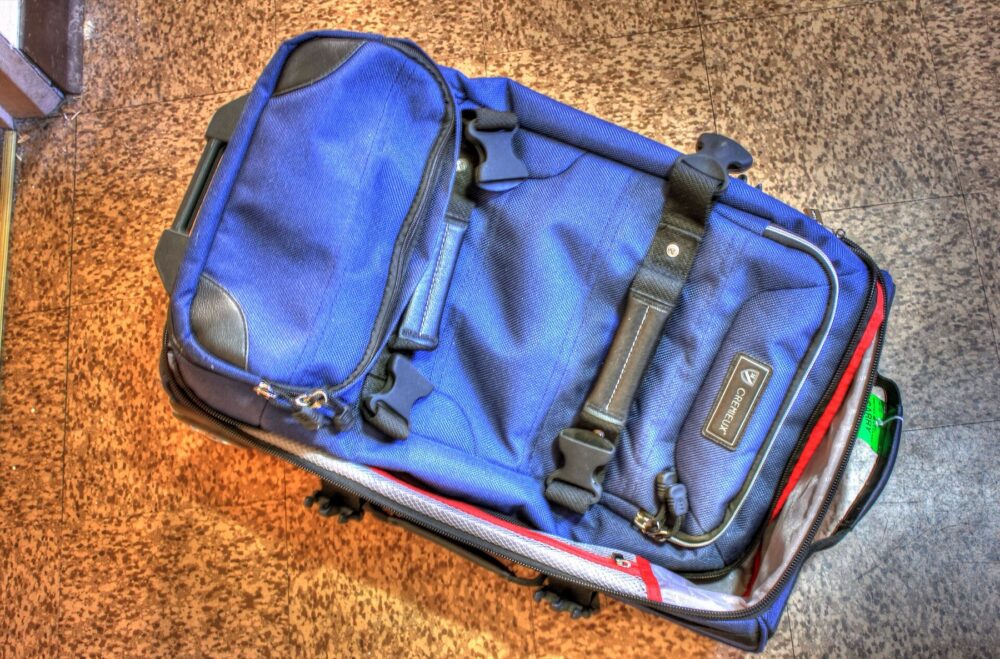
If you use a carry-on and personal item every week, the fastest way to find workable luggage hooks and travel accessories on DHgate is to combine specific keyword searches with category filters, then aggressively trim options using listing details, seller ratings, and (for business buyers) small samples before committing. DHgate can surface a wide range of low-cost accessories, but you have to do the work of defining your use case, searching with precision, and walking away when the listings don’t give enough evidence.
From there, your decisions split: individual travelers mainly care about durability and practicality; small ecommerce buyers also need repeatable quality, packaging, and a reliable supplier. If you’re US-based, you’ll also be trading extra time and effort against domestic channels that may be quicker for one-off, urgent purchases.
Start with a Clear Product Definition and Use Case
“Luggage hook” can mean a few different things: a clip that lets you hang a bag on a suitcase handle, a hook that attaches extra bags to rolling luggage, or even hooks used inside trains or buses to hang luggage. On DHgate, these often sit inside broader bags and accessories categories alongside tags, straps, organizers, and small travel gadgets.
Before you search, decide what problem you’re solving:
- Hands-free stacking: A hook or strap that lets you attach a backpack or tote securely to your rolling suitcase.
- Hanging in transit: Hooks used on trains, buses, or hostel bunk frames to keep luggage off the floor.
- Accessory add-ons: Small organizers, tags, and clips that travel with your luggage (ID tags, cable organizers, packing accessories).
Search and Filter Workflow for Luggage Hooks and Travel Accessories on DHgate
Here’s a practical workflow buyers can use on DHgate’s homepage to surface relevant luggage hooks and accessories.
1. Start with focused keywords
Use the top search bar with specific phrases instead of just “hooks”:
- “luggage hook” or “suitcase hook”
- “luggage hanger” for hanging solutions
- “travel accessories” plus a modifier: “travel accessories organizer,” “luggage tag,” “bag clip”
If you’re sourcing for resale, pair the product with a buyer type: “travel accessory business,” “suitcase accessories,” etc. This can surface sellers that position themselves toward bulk orders.
2. Use categories to sanity-check what you’re seeing
Once you run a search, browse the left-side or top categories that appear. DHgate’s categories cover fashion and accessories, bags, and other small travel-related items, and you can use these labels to understand where the marketplace “thinks” your item belongs.
If your results look like random hardware or home wall hooks, adjust your keywords toward bags and travel terms until you’re clearly in a luggage or accessories-related category.
3. Apply filters to cut noise
DHgate offers filters that help narrow long result lists. Typical filters include things like:
- Category subfilters (types of accessories)
- Attributes (color, material, style where available)
- Sorting (by relevance or other criteria)
Use them as a triage tool:
- Sort by relevance to reduce off-topic hits.
- Filter by material (metal vs plastic) if your hook needs to support real weight.
- For travel accessories, filter to specific sub-types (tags, straps, organizers) before scrolling.
4. Shortlist instead of scrolling endlessly
Once you see a cluster of plausibly relevant products, pick 5-10 listings that match your use case—e.g., hooks that attach to suitcase handles—and open each in a new tab. From this point you’re evaluating details rather than hunting.
Mini checklist for shortlisting:
- Photos clearly show how the hook attaches to luggage
- Basic specifications are listed (material, size, weight capacity if claimed)
- The product sits in a travel/bags/accessories context, not random hardware
- Seller has visible ratings and review count, not an empty profile
If too few listings meet that bar, that’s an early signal DHgate may not have a robust selection for your exact niche and you should consider other channels.
Search vs Vetting: Quick View
Below is a compact comparison to keep your workflow straight:
| Stage | Main DHgate actions | Key signals to watch |
|---|---|---|
| Discovery | Use search bar, categories, and filters | Results match luggage/travel context, not generic hardware |
| Shortlisting | Open 5-10 promising listings in new tabs | Clear photos, basic specs, accessory-related categorization |
| Vetting | Read listing details, ratings, and reviews; consider samples | Consistent seller ratings, usable reviews, adequate detail |
Evaluating Sellers, Listings, and When Alternatives Make More Sense
Once you have a shortlist, the work shifts from search to vetting.
Use listing details as your first filter
DHgate product pages typically show specifications, images, pricing information, and seller ratings. Treat these as your “proof” that a luggage hook or accessory will behave as advertised:
- Photos: Look for clear close-ups, multiple angles, and at least one image of the hook in use on luggage.
- Specs: Size in centimeters/inches, material (e.g., stainless steel, ABS plastic), and any stated weight capacity. If specs are missing or vague, that’s a risk for hooks that need to carry real weight.
- Variations: Check whether different colors or pack sizes are variants, not totally different products jammed into one listing.
If a listing feels generic—no real use-case photos, thin text, or copy-pasted descriptions—treat it cautiously, especially for ecommerce sourcing.
Read ratings, reviews, and transaction history
Seller performance metrics are your second filter. DHgate’s own editorial guidance on sourcing emphasizes checking ratings, reviews, and transaction history to evaluate suppliers.https://www.dhgate.com/blog/how-to-start-an-ecommerce-business-on-dhgate-a-comprehensive-guide/
On an individual listing, look for:
- An established rating pattern, not just a single high score
- Text reviews that mention real usage (e.g., how sturdy the hook feels on a suitcase)
- Evidence the seller has fulfilled multiple orders in accessories or luggage-related items
These are buyer-controlled checks; don’t assume platform-wide protections beyond what you can see and confirm.
For more structured vetting of seller patterns, you can also use DHgate-focused curation tools such as the accessories spreadsheet on DHgate Edit accessories category or broader accessory lists on DHgate Accessories Spreadsheet. These aren’t official DHgate tools, but they can highlight accessories categories and potential suppliers more efficiently than searching from scratch.
Samples and small test orders for ecommerce buyers
If you plan to resell luggage hooks or travel accessories, move slowly:
- Request or place samples: DHgate’s sourcing guidance recommends ordering samples before bulk purchases. For a hook, test load-bearing, how securely it fits typical suitcase handles, and whether finishes chip or rust.
- Compare multiple suppliers: Order small quantities from 2-3 top candidates and track quality, packaging, and communication.
- Document your findings: Build a simple spreadsheet with seller name, item link, test results, and notes on defects.
This extra step matters more in low-ticket categories like accessories because margins are tight; a few bad batches can wipe out profit.
When DHgate is not your best route
There are clear scenarios where DHgate is useful, and others where it’s not worth the friction:
Good fit for DHgate:
- You want budget-friendly, non-branded travel hooks or organizers
- You’re experimenting with an accessories line and willing to test suppliers
Probably better to use U.S. retailers or other channels:
- You need a specific brand-name hook or luggage accessory
- You need an item quickly for an upcoming trip and don’t want to invest time in cross-border sourcing
Large U.S. retailers and marketplaces often win on speed and simplicity for single-piece, urgent purchases; DHgate makes more sense when you’re trading time and effort for variety or sourcing leverage.
Helpful next checks before you buy
Once you’ve identified one or two promising options:
- Run a quick cross-check on DHgate sellers using ratings guidance from trusted sellers on DHgate.
- Use the order-readiness list in DHgate order-readiness checklist to confirm quantities, variants, and communication with the seller.
- If you’re new to the marketplace overall, skim what DHgate is and how it works so you’re clear on its basic structure before relying on it for travel gear.
A bit of upfront discipline—tight keywords, aggressive filtering, and honest evaluation of weak listings—turns DHgate from a noisy, global catalog into a workable source for luggage hooks and travel accessories, especially if you’re willing to test before you scale.