
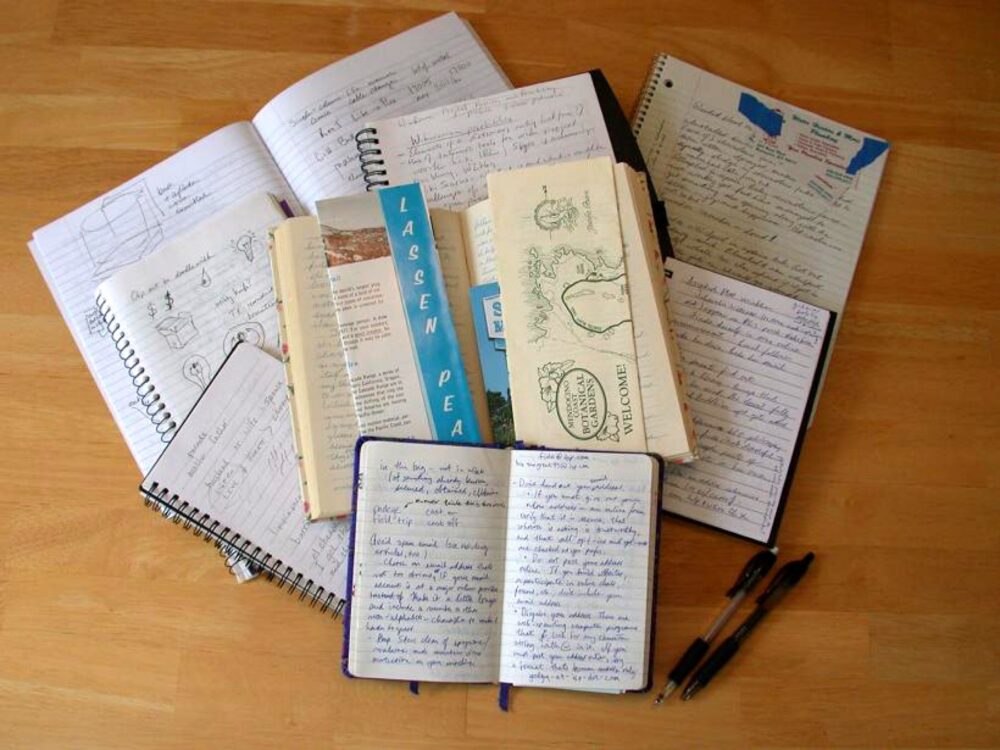
You can search DHgate for letter‑size notebooks and journals, but you won’t get a neat “8.5 x 11” filter. To avoid ending up with A4 or smaller pads, you have to drive the search yourself: combine specific keywords, read dimensions in the listing text (not just the title), vet the seller’s track record, and order samples before any serious bulk buy. For US buyers and small ecommerce shops, DHgate is most useful when you’re experimenting with designs or OEM projects, less so for fast, low‑risk restocks.
What 8.5 x 11 notebooks and journals buyers actually need
For US buyers, 8.5 x 11 is standard letter size — the same footprint as a typical printer sheet. On DHgate, suppliers may label that as “Letter size,” “A4,” or give dimensions in centimeters, so you’ll often need to translate.
- US letter: 8.5 x 11 inches (about 21.6 x 27.9 cm)
- A4: roughly 21 x 29.7 cm
A4 is slightly narrower and taller. That can matter if you’re reselling to students who expect US‑standard binders or folders — a notebook that’s too tall, even by a centimeter, may not sit well in some covers.
Notebook and journal decisions usually hinge on format and paper feel, not just size. Common formats include:
- Spiral notebooks that lay flat and are easy to tear pages from
- Glued or “pad” style notepads that work well for temporary notes
- Hard‑ or softcover bound journals that feel more permanent and gift‑ready
Everyday note‑takers often prefer spiral or lined notebooks because they stay flat on a desk and are comfortable for longer writing sessions. Journal users may care more about cover design and thicker paper that can handle pens without excessive ghosting.
For students, an 8.5 x 11 spiral or composition‑style notebook is usually about capacity (enough pages), durability, and legibility. For ecommerce sellers, the same size becomes a packaging and branding decision: is the spine strong enough to survive shipping, does the cover art print cleanly, and does the actual physical size match what you promise in your product listings?
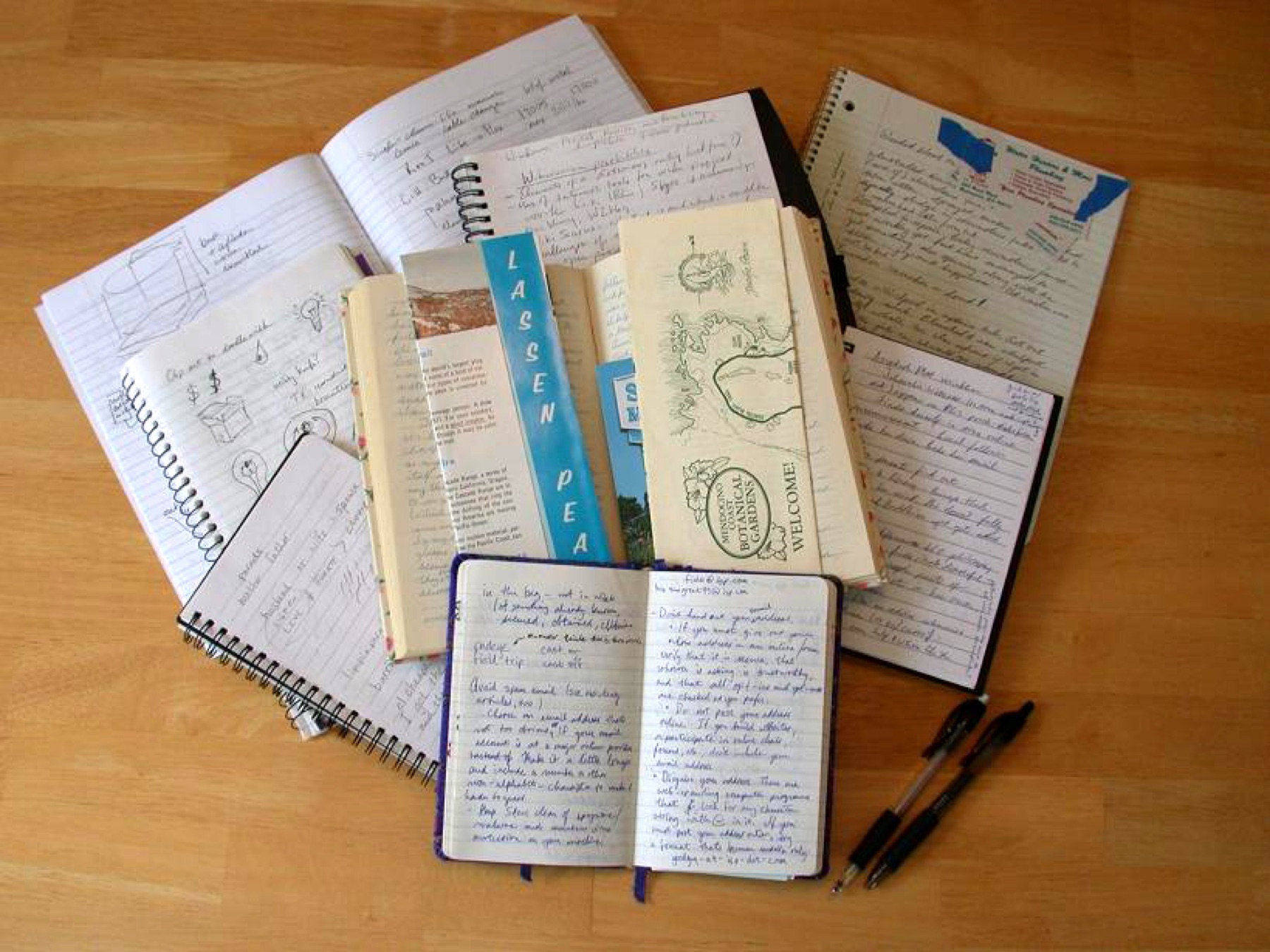
Search and filter workflow for finding letter-size notebooks on DHgate
Because DHgate’s search doesn’t revolve around US paper sizes, you’ll get better results with a deliberate workflow rather than a single query.
1. Start with focused keywords
Begin on DHgate’s homepage and use the main search bar. Try combinations such as:
- `spiral notebook letter size`
- `journal 8.5 x 11 inch`
- `A4 lined notebook` (then verify dimensions manually)
- `office notepad 21x28cm`
Suppliers frequently use metric dimensions in titles or bullet points. Including both style and size (“spiral”, “hardcover”, “lined”, “A4”) helps you avoid generic stationery bundles.
If you want more general guidance on how DHgate listings work, DHgate’s own shopping guide explains how product pages usually show specifications, images, prices, and seller ratings — see the overview in Your Comprehensive DHgate Shopping Guide: Navigating the DHgate Platform.
2. Choose the right category
When search results load, narrow them by choosing categories related to stationery or office supplies rather than general gifts. Look for sections like “Notebooks”, “Notepads”, or “Office & School Supplies” or similar wording.
Category narrowing reduces the noise from unrelated products (toys, electronics, fashion) and gets you closer to proper paper goods where size and binding details are more likely to be specified clearly.
3. Use filters, but don’t rely on them for size
DHgate’s sourcing and ecommerce guides recommend using filters and search tools to narrow down products to match your criteria, such as type, material, or color. Filters can help you:
- Exclude luxury leather planners if you only want basic student notebooks
- Focus on lined vs blank paper
- Trim the range of cover materials or colors
However, there is no universal “8.5 x 11” filter. Treat size as something you confirm on each product page. Filters are good for trimming style; dimensions require manual checking.
4. Open promising listings and read the specs carefully
DHgate’s product pages typically show specifications, attributes, visuals, prices, and seller ratings. For letter‑size notebooks, focus on:
- Dimensions: Look for inches or centimeters in the description. As a rule of thumb, widths around 21-22 cm and heights around 28-30 cm usually indicate letter/A4 territory. Anything closer to 14-15 cm is more like A5 and may be too small for your use.
- Binding type: Check whether it’s spiral, glued, sewn, or hardcover. Match binding to your use — classroom note‑taking vs gift‑ready journals.
- Paper details: Many listings mention page count and paper type (“lined”, “blank”, “dot”), sometimes thickness in gsm. Use that to assess whether the notebook suits ballpoint vs marker pens.
- Images vs text: Don’t trust photos alone for scale; look for shots next to recognizable objects or explicit dimension callouts in the image captions.
DHgate’s search guidance encourages buyers to spend time on these listing details and then compare similar products from different vendors. That’s especially useful for notebooks where small differences in binding and paper weight change the feel dramatically.
5. Shortlist and compare a few candidates
Use DHgate’s comparison feature or your own spreadsheet to weigh a handful of listings side by side instead of jumping on the first result. For each, record:
- Stated dimensions
- Binding and cover type
- Page count and paper description
- Seller rating and number of reviews
This gives you a clearer view of which listings genuinely meet your 8.5 x 11 needs and which only look close from the title.
Evaluating DHgate sellers and deciding when to source elsewhere
Once you’ve found a few plausible letter‑size notebooks, the next decision is whether the seller — and DHgate as a channel — fits your risk tolerance and goals.
Read seller signals in context
DHgate’s editorial guides emphasize checking supplier ratings, reviews, and transaction history before committing. For notebooks and journals, you’re looking for:
- Consistent feedback on paper and binding quality: Reviews that mention ghosting, flimsy covers, or strong spirals are more useful than generic “good product” comments.
- Volume of reviews: A listing with many detailed reviews gives you more signal than one with only a handful of short comments.
- Responsive communication: DHgate encourages buyers to contact sellers when they have questions. Use that to ask directly:
- What are the exact dimensions in cm and inches?
- What is the paper weight (gsm) and finish?
- Can they confirm that the notebook matches US letter‑size expectations rather than a smaller format?
DHgate’s own quality‑focused content notes that quality varies and that buyers face a risk of counterfeit or poor‑quality products in general, which makes seller reputation and reviews crucial, especially if you’re planning resale.
Sample before you scale up
Across multiple DHgate sourcing guides, one recurring recommendation is to request or order samples before larger orders. For notebooks, that’s practical and useful:
- Students or office use: Order a small quantity and let a few people try them for a week. Pay attention to page durability, ink behavior, and whether the size works with your existing folders.
- Ecommerce brands: Treat the sample as a production proof. Check print quality on the cover, edge trimming, and how the notebook looks after being handled and stored.
If a seller resists sending samples or cannot clearly confirm size and specs, treat that as a red flag.
Decide channel fit: DHgate vs other suppliers
| Buyer scenario / need | What to prioritize on DHgate | When another channel may fit better |
|---|---|---|
| Student or office notebooks for personal use | Clear size specs, spiral binding that lays flat, reviews about paper feel | If you need instant availability and don’t want to vet listings |
| Small ecommerce testing a new journal line | Ability to communicate with suppliers, OEM/custom cover options, samples | If you need a plug‑and‑play domestic product with fewer unknowns |
| Fast restock of an existing US product line | Exact match to known specs and consistent seller ratings | If dimensional consistency is critical and timelines are tight |
| Gift‑ready premium journals | Detailed material descriptions, close‑up photos, feedback on finish | If a mis‑match in materials would seriously hurt your brand image |
For broader platform context, see Your Comprehensive DHgate Shopping Guide: Navigating the DHgate Platform, which explains how listings, reviews, and comparison tools typically work.
To go deeper on platform‑wide trust signals, the DHgateWiki article on finding trusted sellers on DHgate walks through reputation checks in more detail, and the DHgate order‑readiness checklist can help you sanity‑check listings and sellers before you place a notebook or journal order.
For additional DHgate platform context, use What DHgate is and how the marketplace works.
If, after working through these steps, DHgate’s trade‑offs feel too heavy for this particular purchase, you can still treat it as a research tool — useful for understanding formats, binding types, and customization options — while buying the actual notebooks through domestic or alternative channels.