
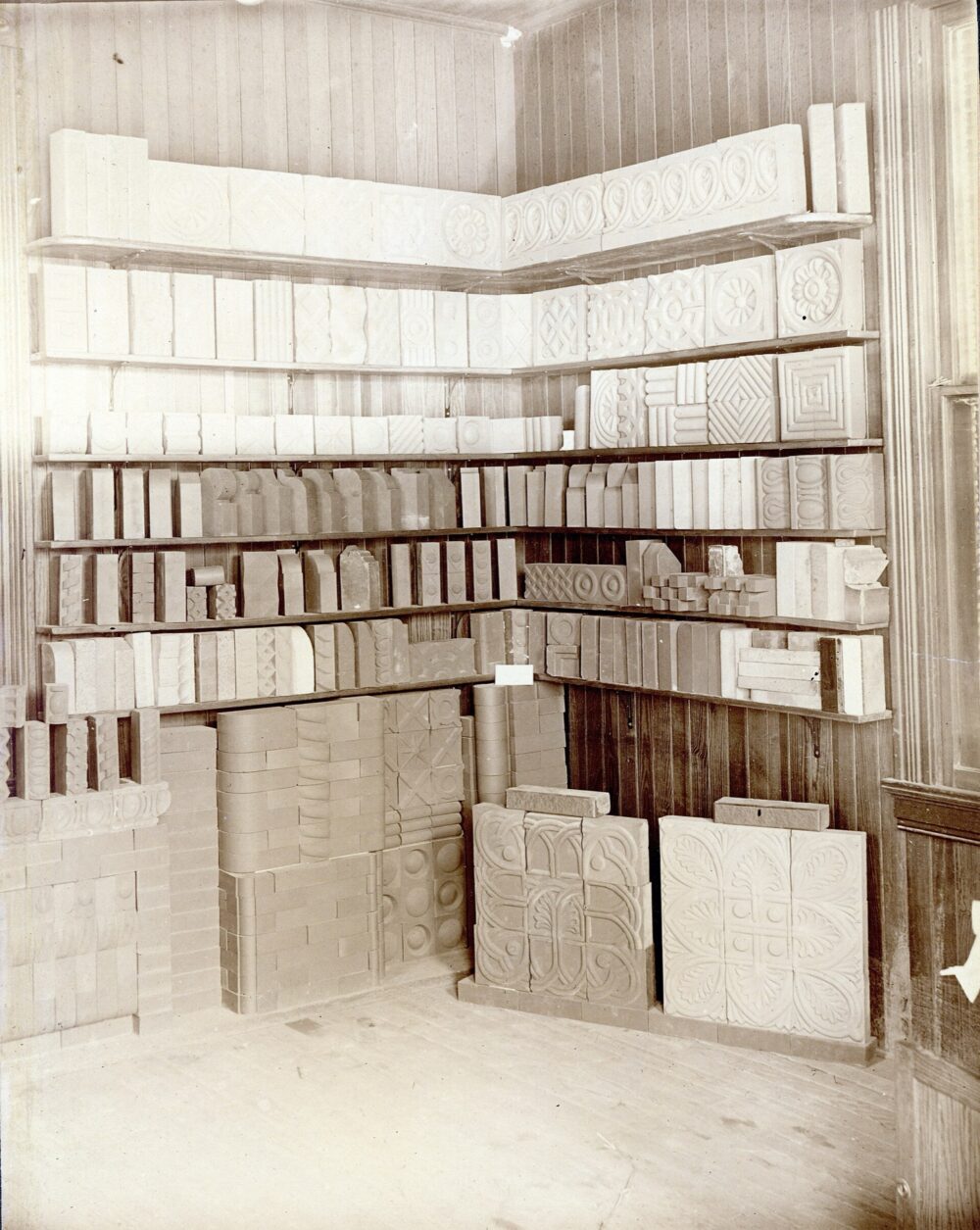
If you want to source “Amazon-style” brick products, the practical way to use DHgate is as a scouting and validation tool: define exactly what brick product you need, run targeted searches with filters, treat listing pages like spec sheets, then narrow to a few suppliers you can sample and stress‑test. If that process doesn’t produce at least a handful of solid options, it’s a sign you should move your sourcing to other channels instead of forcing DHgate into the plan.
What Amazon Brick Products Buyers Are Really Looking For
“Amazon brick products” is vague, and that’s the first thing you need to pin down. In a sourcing context, US buyers usually mean one of three broad buckets:
- Construction or landscaping bricks they see on Amazon (pavers, edging bricks, basic building units).
- Decorative brick or brick‑look items such as faux brick wall panels, 3D brick wallpaper, or brick‑pattern tiles.
- Brick units inside kits or sets, where the brick is one component of a larger product.
Before you ever open DHgate, translate the Amazon listing or idea into a concrete sourcing spec:
- Decide whether you’re looking for components/raw materials (e.g., clay or concrete bricks, ceramic tiles) or finished consumer products (brick‑pattern wallpaper, decorative panels).
- Note the dimensions, weight, material, color, and surface finish you need. With bricks, small differences in size or density can break installs or packaging.
- Clarify your channel: Amazon FBA, FBM, or non‑Amazon ecommerce. For FBA you’ll have tighter constraints on packaging durability, labeling, and defect rates.
DHgate’s own editorial positioning for Amazon FBA sellers frames the platform as one option for reaching OEM factories and customizable products. It also stresses that success depends on validating suppliers and focusing on quality rather than chasing the lowest cost alone, which matters even more for heavy, failure‑sensitive products like bricks and brick‑look décor.DHgate’s FBA sourcing strategy blog offers general context on that mindset.
Searching DHgate for Brick Products and Shortlisting Sellers
No specific DHgate brick listing has been vetted for this article. That means your task is to run a structured search and build your own shortlist instead of relying on named product recommendations.
Turn Amazon listings into DHgate keywords
Start with the exact Amazon listing or niche you care about and mine it for keyword ideas:
- Product title and subtitle (for example, “clay brick paver,” “faux brick wall panel,” “3D brick wallpaper”).
- Material terms such as clay, concrete, PVC, foam, ceramic, or stone.
- Use‑case phrases (e.g., “garden edging brick,” “fireplace brick,” “backsplash brick tile”).
Try different combinations of those in DHgate’s search bar. DHgate’s ecommerce sourcing guidance recommends using relevant keywords, then refining with filters instead of relying on one broad query.How to start an ecommerce business on DHgate walks through this general approach to product search.
Use filters to trim out irrelevant results
Once you have results, use the platform’s basic tools to narrow them:
- Filter by category so you’re looking at building materials, home improvement, or home décor rather than toys or unrelated accessories.
- Adjust price and quantity sliders so you’re seeing realistic sourcing options, not one‑off novelty items.
- Sort by seller rating or sales volume to surface listings with at least some transaction history.
DHgate’s bulk‑buying editorial guide advises using filters, then checking seller reviews before talking quantities or customizations.The bulk buying guide is aimed at wholesale generally, but the same logic applies when you’re combing through brick‑related results.
Read listing pages like spec sheets
Click into each promising listing and evaluate it the way you’d read a technical data sheet:
- Product specifications: dimensions of each brick or panel, thickness, approximate weight per unit, material type, and any stated tolerance ranges.
- Images: look for close‑ups of texture and edges. Does the product visually match the brick or brick‑look finish you’re targeting?
- Seller ratings and transaction history: DHgate’s shopping guide notes that listings typically show specs, images, prices, and seller ratings together.DHgate’s shopping guide suggests paying close attention to these fields.
- Buyer reviews and photos: prioritize comments about material strength, color consistency, and whether items arrived intact.
If key brick data (dimensions, material, or real photos) are missing, treat that as a serious gap. With bricks, guessing on size or strength is a fast route to returns or installation failures.
Shrink to a realistic shortlist of suppliers
From your initial scan, narrow down to a shortlist of roughly 3-5 suppliers whose listings:
- Clearly match your required material and dimensions.
- Show some ratings and buyer feedback instead of being brand new.
- Indicate willingness or capacity to handle bulk quantities.
DHgate’s boutique sourcing FAQ recommends exactly this kind of pre‑screening based on seller ratings, customer feedback, and direct communication before placing larger orders.Boutique sourcing guide is focused on fashion, but the process is similar for brick‑style products.
At this point, you’re not committed to anyone. You’re just selecting a manageable group of suppliers to evaluate more deeply.
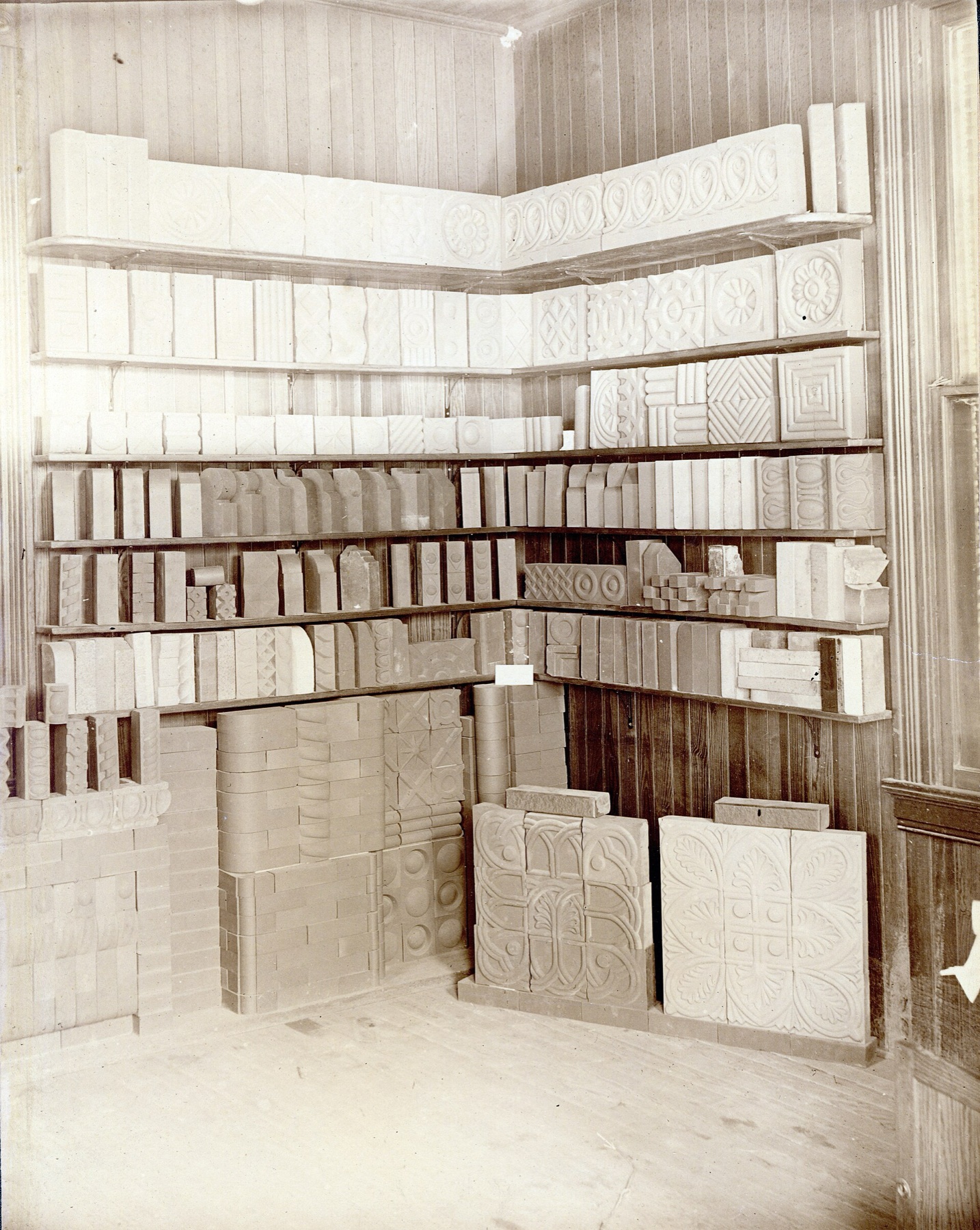
Validating Quality, Ordering Samples, and Knowing When to Use Another Channel
Once you have a shortlist, shift from browsing to testing. For bricks and brick‑look products, quality checks and samples are where you protect both your Amazon account and your customers.
Compare shortlisted suppliers with a simple rubric
Use a straightforward table to keep your evaluations consistent as you talk with suppliers and inspect their listings. The labels below are generic patterns, not real DHgate sellers.
| Supplier pattern | Listing details for bricks | Ratings & review signals | Sample approach described in chat | Fit for Amazon use (editorial judgment) |
|---|---|---|---|---|
| Detailed & proven | Full dimensions, material, clear close‑up photos | Multiple reviews mentioning quality; some buyer photos | Open to sending paid samples and discussing specs | Good candidate if sample quality matches claims |
| Vague & low‑history | Partial specs, missing weight or density; stock photos only | Few or no reviews; unclear transaction history | Hesitant or vague about samples and small orders | Risky for FBA; maybe acceptable for low‑stakes personal projects |
| Specific but untested | Specs look right, photos detailed, but no reviews yet | Very limited history; new listing | Happy to send samples and answer technical questions | Worth testing with samples before considering bulk |
This kind of rubric mirrors DHgate’s own editorial guidance across ecommerce, boutique, components, and bulk‑buying posts: define your requirements, compare listing details carefully, review ratings and history, and then request samples before committing.Components/raw‑materials sourcing guide ties those steps directly to sourcing components and materials.
Requesting and evaluating brick samples
For any brick or brick‑look product you’ll resell, samples are essential, not optional.
Drawing on themes from DHgate’s sourcing blogs:
- Order samples first: treat them as a realistic test of quality and consistency before any bulk purchase.
- Measure and inspect: check dimensions against your spec, weigh units, and look for chips, cracks, warping, or uneven coloring.
- Document everything: take clear photos and notes. Boutique‑oriented guidance specifically recommends documenting defects with pictures so you have a record if quality diverges materially from what you were told.Boutique sourcing guide reinforces this practice.
- Stress‑test within reason: lightly impact or flex sample units in ways that mimic real‑world handling to see if they crumble, delaminate, or show surface failure.
Compare your physical samples to the Amazon reviews in the niche you’re targeting. If Amazon buyers complain about color mismatch, poor packaging, or damage in transit for similar items, assume your own buyers will notice the same issues. Your samples should give you confidence you can ship reliably and meet those expectations.
For a broader checklist of seller‑level signals and red flags beyond the brick niche, you can also refer to DHgateWiki’s article on how to find trusted sellers on DHgate.
Use communication to reveal risk and flexibility
As you message DHgate suppliers, focus your questions on details that actually affect your Amazon business:
- Ask for exact material descriptions and specs (for example, type of clay or concrete mix, density ranges, or whether decorative panels use PVC, foam, or another substrate).
- Clarify how they typically package bricks or panels for export so you can judge whether damage risk seems manageable.
- Explore customization options if you need specific colors, finishes, or branding elements to differentiate your Amazon offering.
DHgate’s artisan and boutique guides highlight the value of engaging directly with sellers to ask about methods, customization, and product history.Artisan products guide shows the same communication pattern in a very different product category.
If a supplier gives short, vague answers to concrete questions—especially around material properties or dimensions—that’s a strong signal to downgrade or drop them from your shortlist.
When DHgate isn’t the right sourcing channel for bricks
You should be ready to conclude that DHgate is not the right route for a particular brick product, especially where safety or structural performance matters. Common walk‑away situations include:
- Search results stay off‑target even after careful keyword tuning and filters, and you mostly see novelty items or unrelated products.
- Listings lack core specs like precise dimensions, weight, or material composition, and suppliers won’t clarify those in writing.
- Suppliers resist reasonable sampling, refuse to send any test units, or won’t describe how they’d handle bulk orders.
- Samples show inconsistent quality: crumbling bricks, warped panels, major color variation, or other failures that would trigger bad reviews.
For categories like structural construction bricks, high‑heat fireplace bricks, or other safety‑critical uses, these signals are especially serious. In those cases, alternative sourcing approaches are usually more appropriate:
- Local building‑materials distributors or wholesalers in the US, who may already carry tested and certified bricks for your use case.
- Direct OEM factories you find through industry directories or trade shows, where you can request detailed technical data and arrange more formal quality audits.
- Established Amazon‑focused wholesalers for decorative brick‑look items, if consistency and packaging reliability matter more than shaving every cent off landed cost.
Internal DHgateWiki resources like the overview of what DHgate is and how it works and the order‑readiness checklist before checkout can help you line up your broader sourcing and ordering steps.
Bricks and brick‑style products are not a category where you want to “test live” with a blind bulk order. Treat DHgate as a discovery and sampling tool, and only scale with suppliers whose listings, communication, and physical samples all align with the quality and reliability demands of your Amazon business.