
Earflap hats are one of the few winter accessories that genuinely change how cold you feel in a Canadian January. The best deals aren’t just the lowest prices on Walmart, Amazon, or Etsy—they’re the hats that keep your ears covered, feel good for hours, and survive more than one season. For single purchases, big-box retailers and outdoor brands offer reliable warmth at a moderate premium. For small ecommerce orders or budget bulk buys, marketplaces (including Amazon, Etsy, and cross-border platforms) open up cheaper and more varied options, but ask more from you in terms of vetting sellers and materials.
Below, we’ll sort the main earflap hat styles, explain what actually makes them warm, and lay out which channels are worth checking first depending on whether you’re buying one hat or a box of them.
What Earflap Hats Are and Who They’re For
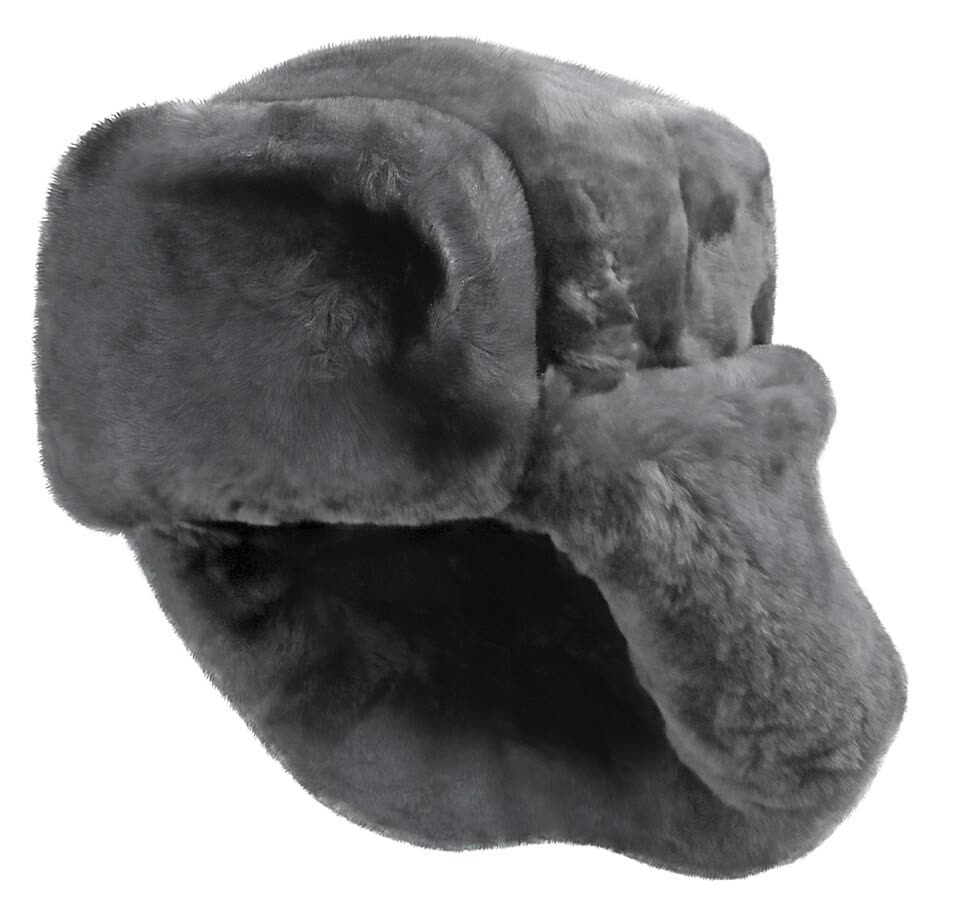
An earflap hat is any cold‑weather hat designed so that flaps extend down from the sides of the crown to cover your ears, often with the option to tie or clip them under your chin. Retailers like L.L.Bean’s ear-flap hats section describe them simply as hats that provide extra warmth and protection in cold conditions by covering the ears.
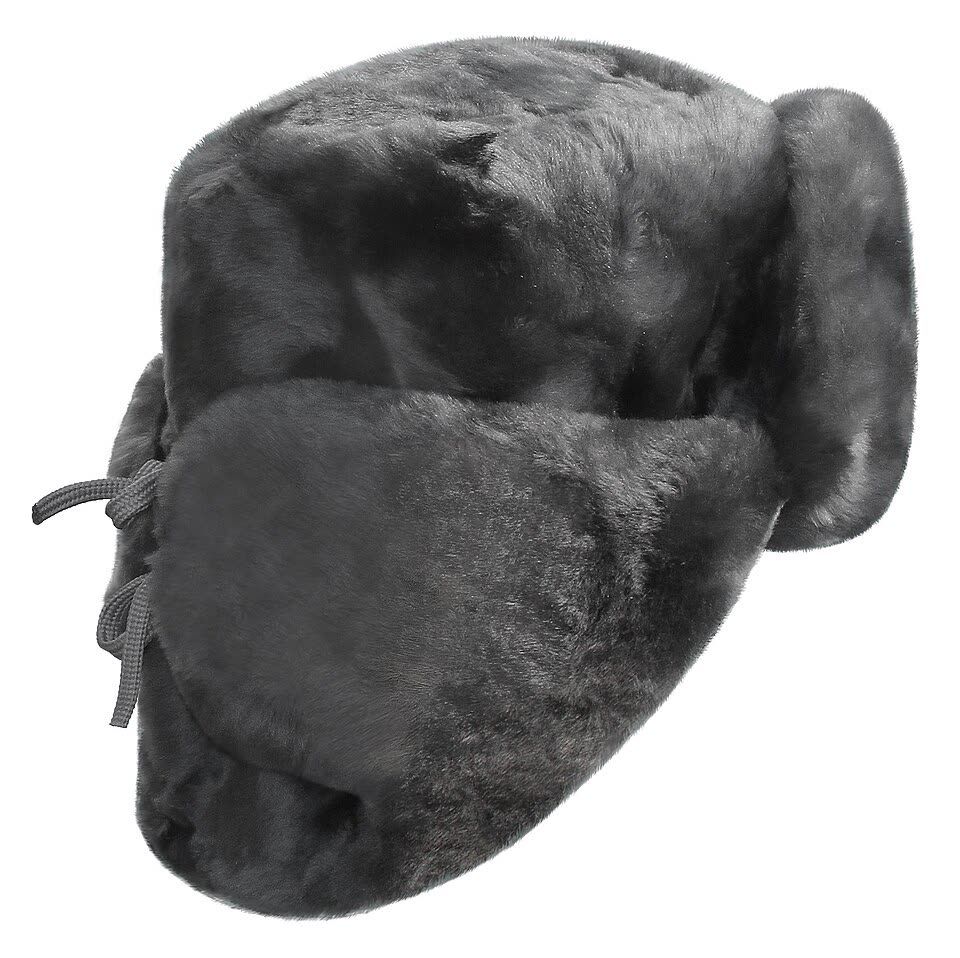
Historically, the classic example is the ushanka—an earflap hat used across Arctic and subarctic regions to cope with severe winters, as described in the Ushanka entry on Wikipedia. That same core idea now shows up in modern designs aimed at:
- Urban commuting: Wool or fleece earflap beanies and caps that fit under hoods and look acceptable with office clothes.
- Outdoor sports: Technical trapper caps or insulated hats designed to handle ski‑hill wind or snowmobile speeds.
- Workwear: Durable earflap caps that fit under hard hats and resist wet, windy job sites.
- Fashion and streetwear: Structured caps with fold‑down flaps that nod to the classic look without full Arctic bulk.
For Canadian buyers, earflap hats move from “nice to have” to “need” once temperatures dip below freezing plus windchill. For resellers, they’re a winter staple with clear niches: practical outdoor pieces for big-box channels, and more niche fashion or handmade designs on marketplaces.
Styles, Materials, and Design Choices That Actually Matter
Earflap hats break into a few practical types. Understanding these helps you search more precisely on Walmart, Amazon, or Etsy—and decide which style fits your customer.
1. Earflap beanies and knit caps
These are soft, close‑fitting knit hats with knitted or sewn‑on flaps.
Typical materials:
- Acrylic or wool knit outside.
- Fleece or sherpa lining inside for extra warmth.
They’re common on Amazon and at big retailers in Canada, often positioned as everyday commuter or kids’ hats. Many Etsy sellers offer hand‑knit versions with chunky yarn and braided ties under the chin, which skew more toward giftable or boutique resale.
Use case: commuting, casual wear, kids’ winter gear. Good if you want something that fits under a hood and isn’t bulky.
2. Trapper caps and outdoor-focused earflap hats
These borrow directly from the ushanka idea and are built for real weather.
Examples:
- Patagonia Isthmus Earflap Cap – Patagonia markets this as a cold‑weather earflap cap meant for outdoor use, with a more structured crown and flaps that can be worn up or down. You can see the positioning on Patagonia’s product page.
- Vans Windstopper Polartec Earflap Hat – Vans pairs synthetic insulation and earflaps with wind‑resistant intent, as shown on the Vans Canada product listing.
These usually use:
- Wind‑resistant or water‑resistant shells (cotton blends or synthetics).
- Synthetic or fleece insulation in the crown and flaps.
- Secure chin straps or buckle/tie closures so the hat stays put.
Use case: skiing, snowboarding, hiking, camping, hunting, or any winter activity where wind exposure is serious. For resale, this category performs best in outdoor‑gear audiences and justifies higher pricing.
3. Fashion caps with fold-down earflaps
Fashion brands have taken the earflap idea and turned it into structured caps.
A clear example is Kangol’s Wool 504 Earflap cap, a wool flat‑cap silhouette with earflaps that fold down from the sides for warmth or tuck away when not needed, shown on Kangol’s product page.
Common traits:
- Wool or felt outer for a dressier look.
- Light lining—often thinner than technical outdoor versions.
- Hidden or foldable flaps that don’t show when worn up.
Use case: city fashion, streetwear, “old‑school” styling. On Etsy, you’ll see similar concepts as handmade felt caps. These appeal to buyers who want warmth without looking like they’re headed to the ski hill.
4. Workwear earflap caps
Workwear designs often look like baseball caps with add‑on flaps.
They tend to use:
- Durable cotton or cotton‑blend shells that stand up to abrasion.
- Fleece or quilted linings for warmth.
- Flaps that fit under ear protection or hard hats, with low‑profile ties.
You’ll see these at Canadian hardware and workwear retailers and on Amazon. They’re aimed at job sites, rural work, and people who care more about function than style.
Judging Warmth, Quality, and Where to Buy for the Best Deal
For Canadian winters, a “good deal” on an earflap hat is one where the warmth and build match the weather you actually face. That means looking beyond price and platform logos.
What to look for in the hat itself
DHgate’s editorial guide to ear flap hats (which broadly mirrors advice on outdoor sites) calls out material, insulation, comfort, and style as the four big factors. That’s a useful lens; here’s how to apply it in concrete terms:
Material and shell
- For very cold, windy days, prioritize wool or dense fleece and shells described as wind‑resistant or water‑repellent, similar to what Patagonia and Vans use in their earflap caps.
- For mild city winters, an acrylic knit with sherpa lining is usually enough and cheaper.
Insulation and lining
- Look for product pages that mention a full lining in the flaps and crown (fleece, sherpa, or named synthetic insulation). If the flaps are thin and unlined, expect less warmth.
- Avoid hats where the lining stops short of the ear area—that’s where you lose heat fastest.
Comfort and fit
- Check buyer photos and reviews on Amazon/Etsy to see how low the flaps sit; ideally they cover to just below the earlobe.
- Chin straps or ties help in prairie wind or on the ski hill. If you hate chin straps, choose a deeper crown so the hat doesn’t ride up.
Build quality
- For resale, look for reinforced stitching at the flap joins and ties; these are the first points to fail in cheap mass‑market products.
- If you’re ordering multiple units from marketplaces, buy one sample first and inspect seams and lining coverage before committing.
Channel comparison: single hats vs small-batch sourcing
You have several realistic channels as a Canadian buyer or small ecommerce business. Each has a pattern.
| Channel / platform | Best for | Typical trade-offs |
|---|---|---|
| Walmart / big-box retail | Low‑effort single hats, kids’ and basics | Limited style depth; you pay a bit more for convenience and easy returns |
| Amazon | Wide range from budget to technical outdoor; multi-pack value | Quality variance across sellers; needs careful review checking |
| Etsy | Handmade, niche fashion, customizable designs for boutique resale | Higher per‑unit prices; production time; limited scalability for big volumes |
| Outdoor brands (Patagonia, Vans, etc.) | High-performance or brand-conscious buyers; durable, tested warmth | Highest price tier; narrower style range; great for flagship products |
| Cross-border marketplaces (incl. Cross-border multi-seller) | Unbranded or lightly branded bulk buys at lower unit costs | Requires vetting each seller and product; longer shipping and duty exposure |
For personal use, you’ll usually get the best overall value by:
- Starting with Walmart or similar retailers for inexpensive knit earflap beanies.
- Moving to Amazon if you want more options or technical trapper caps with real insulation.
- Choosing outdoor brands when you know you’ll be outdoors for hours in deep cold and can justify the premium.
For small ecommerce sourcing, the calculus shifts:
- Amazon and Etsy are good for curated assortments—buying a small range of styles, then reselling locally at a markup.
- Outdoor brands work if you’re a specialty retailer or running a consignment model, but margins are tighter.
If you go the cross‑border route, it’s worth reading buyer‑oriented resources like What DHgate is and how the marketplace works and practical checks such as Find trusted sellers on DHgate and the DHgate order-readiness checklist before checkout. The same caution—verifying sellers individually—applies on Amazon and Etsy if you move beyond well‑known brands.
Where Earflap Hats Are Easy to Find in Canada
The good news: you don’t have to hunt hard.
- Mass retailers and department stores: Chains like Walmart and Canadian department stores usually carry knit earflap beanies and kids’ hats each winter. These are your quick, low‑research options.
- Outdoor and skate brands: Patagonia, Vans, Burton, and similar brands regularly offer earflap styles like the Patagonia Isthmus Earflap Cap and Vans Windstopper Polartec Earflap Hat. These are more expensive but aimed squarely at harsh-weather use.
- Online marketplaces: Amazon’s Canadian store and Etsy provide the broadest style range—from budget multi‑packs to hand‑knit alpaca earflap hats. Search terms like “earflap beanie,” “trapper hat,” or “ushanka” will surface slightly different segments.
If you’re testing the category for resale, a practical path is: buy a small mix from Amazon or Etsy, see which styles your local customers actually wear, and only then explore cross‑border bulk options for the winning designs.
If Earflap Hats Aren’t Quite Right
If earflap hats feel too bulky or too specific for your audience, you still have options that cover similar needs:
- Thick cuffed beanies with extended coverage over the ears—less dramatic look, but decent warmth.
- Balaclavas or neck‑up hoods (including knit balaclava‑style hoods from brands like Burton) for people who want full face and neck coverage.
- Headbands/ear warmers for high‑output sports where overheating is a bigger issue than ear chill.
For many Canadian buyers, having one true earflap hat plus a lighter beanie or ear band hits the sweet spot: you wear the flaps when the forecast turns ugly, and swap out when you just need a bit of warmth.