
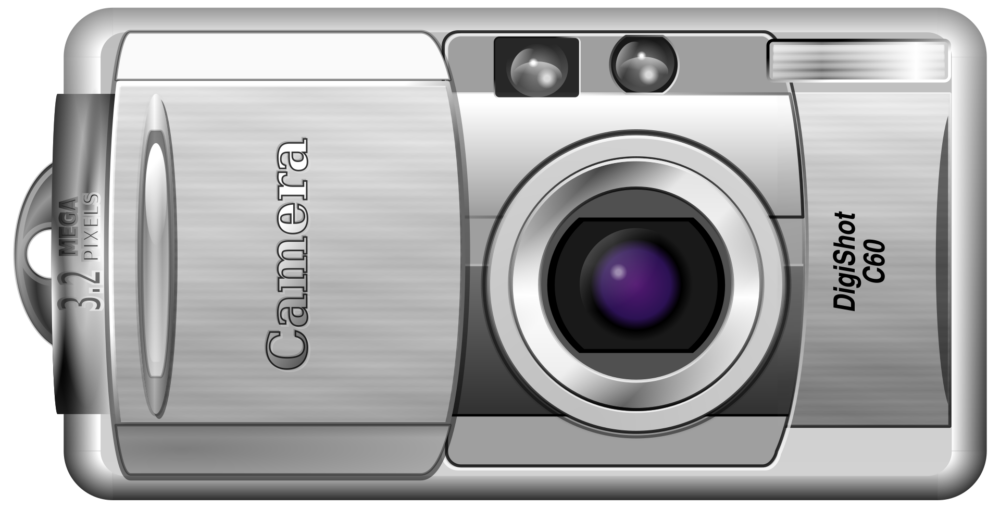
For most Australian hobbyists, a “budget” digital camera means an entry‑level mirrorless or DSLR body or a decent compact, not a $99 no‑name gadget. Current guides for Australia and global buyers consistently put beginner mirrorless bodies like Canon EOS R50 and R100 in the budget tier under the more advanced models, while solid compact cameras sit below that again.Best Digital Cameras overview and Australian roundups use these as reference points rather than the absolute cheapest options. Your total spend ends up driven as much by lenses, shipping and import fees as the sticker price, so the best value channel can change between single‑camera hobby buying and small‑batch resale.
What Budget Digital and Compact Cameras Really Cost in Australia
Instead of chasing an exact dollar figure, think in tiers, because prices move and deals vary:
- Entry‑level mirrorless/DSLR bodies (e.g., Canon EOS R50/R100) are widely recommended as budget‑friendly options that still deliver serious image quality for photography learners.Global camera lists and Australian buyer guides like Nestpath’s digital camera roundup place them below midrange and pro cameras.
- Premium compacts such as Canon G7X Mark III or Ricoh GR‑series appear in many “best compact” lists as step‑up point‑and‑shoots – smaller and simpler than system cameras, but more expensive than basic pocket cameras.Digital Camera World’s compact guide uses them as examples in this upper compact tier.
- Basic point‑and‑shoot compacts are the true low‑budget category: lower spec sensors and lenses, but often the cheapest way to get a standalone camera that beats a phone for zoom and handling.
Even without attaching exact prices, you can think of your spend in layers:
| Cost layer | What it typically includes | Who it suits |
|---|---|---|
| Camera‑only, basic compact | Body with fixed zoom lens and built‑in flash; no extras | Casual travel shooters; kids; basic product shots |
| Camera kit, entry mirrorless | Body plus starter zoom lens (“kit lens”) | Hobbyists wanting room to grow with interchangeable lenses |
| Camera kit + extra lens & bag | Body, kit lens, second lens (portrait or telephoto), bag/card | Budding photographers; small ecommerce product work |
For Australian buyers, local retail often bundles memory cards, bags or extra batteries – this can compensate for a slightly higher sticker price once you add up accessories. Cross‑border buys might look cheaper on paper but can add 15-30% or more in shipping, insurance and import duties once you include everything in the box.
Before you compare channels, sketch your full budget including:
- Camera body or compact
- At least one memory card and spare battery
- Any lenses you realistically need in the first 12 months
- Shipping or travel cost to pick it up
- Import duties/GST if buying cross‑border (see this customs and tariffs explainer for how these fees stack up)
Key Price Drivers: Types, Specs, Lenses, Shipping and Batch Size
1. Camera type and lens ecosystem
Guides from DPReview and others break digital cameras into three broad types: compact, DSLR, and mirrorless.DPReview’s camera‑type explainer highlights the practical differences:
- Compacts are small, all‑in‑one bodies with fixed lenses. Many modern compacts include a built‑in flash and zoom lens suitable for travel and casual photography, so you don’t need extra lenses or a flash unit.Camera Times’ compact‑with‑flash list shows how common this design has become.
- DSLRs and mirrorless cameras use interchangeable lenses. Budget bodies like Canon EOS R50/R100 give you access to large lens ecosystems – a plus if you plan to shoot portraits, wildlife, events or detailed product photos for your small store.
For cost, this matters because every lens is a separate purchase. A compact might be more expensive than a basic DSLR body but cheaper than a DSLR plus two lenses.
2. Resolution, autofocus and video features
Budget camera roundups worldwide now treat around 24 megapixels on APS‑C sensors as the norm for entry‑level mirrorless and DSLR bodies, with decent autofocus and 4K or high‑quality 1080p video on many models.Best‑digital‑camera lists use this spec cluster as their baseline.
On compacts, editors point out that premium models like Canon G7X III and Ricoh GR‑series stand out for better lenses and autofocus compared with basic point‑and‑shoots.Digital Camera World’s compact comparison places them above truly cheap compacts.
The trade‑off is simple:
- If you mostly post to social media or shoot casual travel, a compact with a good lens and flash can be better value than an interchangeable‑lens body you never expand.
- If you want to learn photography or shoot products professionally, paying more for a camera with stronger autofocus, manual controls and lens options is usually worth it, even if the body itself isn’t the absolute cheapest.
3. Lenses and accessories
For interchangeable‑lens systems, plan realistically:
- A kit zoom (often 18-45mm or similar) covers general family and travel photos.
- A fast prime lens (like a 35mm or 50mm equivalent) is often the next purchase for portraits, low light or product details.
This second lens can easily cost as much as a basic compact camera, so your system choice locks in future spending. For resellers, stocking a body plus two lenses ties up more capital per unit than selling compacts that include everything.
4. Shipping method and order size
For a single hobby camera, you’ll usually see:
- Local purchase: higher base price, low or no shipping, and no customs paperwork.
- Cross‑border purchase: lower or similar base price, but shipping, insurance, customs and GST can push the real cost higher.
For small ecommerce batches (say 5-20 units):
- Freight and insurance become material. Per‑unit cost drops as you ship more units together, but the upfront cash outlay rises.
- Any return or warranty handling is more complex than walking into a local store.
Minimum order quantities (MOQs) and per‑unit freight costs vary so much between suppliers that it’s safer to treat them as numbers you must request case‑by‑case rather than assume.
Choosing a Sourcing Channel and Keeping Your Camera Budget Under Control
Local new, local used, or cross‑border?
As an Australian buyer, your realistic options break down like this:
- Local retail (new): Often the simplest and safest for one or two cameras. You get Australian consumer protections and straightforward returns, and retailers frequently bundle accessories at a modest discount. Best‑camera lists from Australian sites like Nestpath and major photo retailers help you align your budget with current street pricing.
- Local used: Camera‑focused used markets and classifieds can offer substantial savings on bodies like older Canon DSLRs, Nikon entry models or Sony APS‑C mirrorless cameras. Editorial lists of good used cameras – including Canon Rebel‑series DSLRs and Nikon D3xxx bodies – show these are still capable for beginners when bought in good condition.DHgate’s blog on used cameras mentions similar models as budget‑friendly options in the second‑hand market.
- Cross‑border marketplaces: Platforms that connect you to overseas sellers can work for both hobbyists hunting a bargain and small resellers testing demand. Articles on affordable and used cameras in DHgate’s blog confirm the marketplace carries budget‑oriented listings, even if they don’t speak to current policies.Example DHgate camera article is one such editorial piece.
For cross‑border buys, treat marketplace listings as leads, not guarantees. Check:
- Exact model numbers against trusted review sites like Camera Times’ digital camera guide.
- Multiple product photos showing the body, lens mount and any branding.
- Seller history and buyer feedback for that specific model.
If you’re weighing DHgate versus other marketplaces, the broader comparison of platform strengths (categories, pricing styles, fee visibility) in this marketplace comparison guide can help you decide where to focus.
Mini scenario: local vs cross‑border for a hobbyist camera
Imagine you’re buying your first serious camera for travel and creative work and you’ve settled on an entry‑level mirrorless like Canon EOS R50.
- Local store: You find a kit that includes the body, starter zoom lens, memory card and bag. The total is higher than the bare‑bones body price you see overseas, but all taxes are baked in and you can walk out shooting.
- Cross‑border marketplace: You see the body and kit lens listed for less. Shipping is extra; import GST and customs clearance may apply, and the listing doesn’t include a memory card or bag. After you add realistic shipping and import costs, plus buying accessories separately, the saving may be small or disappear entirely.
The cross‑border option might still win if your local market doesn’t stock that kit or you’re willing to trade convenience for a slightly lower net cost. For most first‑time buyers, the bundled local kit is easier and often better value once you factor everything in.
Avoiding ultra‑cheap traps
Budget guides flag a real risk: very low‑priced, unknown‑brand digital cameras often cut corners on sensor quality, lens sharpness and durability. Many “best compact” editors position well‑known models like Canon G7X Mark III and Ricoh GR‑series as premium compacts because they deliver a clear step up over generic point‑and‑shoots.Digital Camera World’s compact roundup and Camera Lookout’s compact list reflect this.
If a price seems far below what reputable guides expect for a given camera type, assume:
- It’s a very basic toy‑level device, or
- It’s missing key accessories, or
- Quality control and after‑sales support may be weak.
Practical tactics to keep costs down
You can reduce spend without dropping below hobbyist‑grade gear:
- Buy one level down in the lineup. Instead of the newest entry‑level body, consider the previous generation that still appears in current “best budget” lists – these are often heavily discounted but remain capable.
- Prioritise lenses over bodies for growth. A solid mid‑tier lens on a budget body often beats a top‑end body with a cheap kit lens, especially for portraits and product shots.
- Use used lenses with care. Good‑condition used lenses can be a low‑risk way to upgrade image quality without paying new prices; inspect for scratches, fungus and focus issues.
- Bundle your buys where it makes sense. For resellers, shipping 10 compacts together can reduce per‑unit freight cost. For hobbyists, negotiate in‑store bundles (camera + lens + card + bag) instead of piecemeal purchases.
If you do move into importing camera batches, re‑run your cost breakdown with customs, tariffs and per‑unit freight carefully mapped; the guide to customs, tariffs and import fees is a useful starting point. The best channel for a single travel camera may not be the best for a 20‑unit ecommerce experiment.