
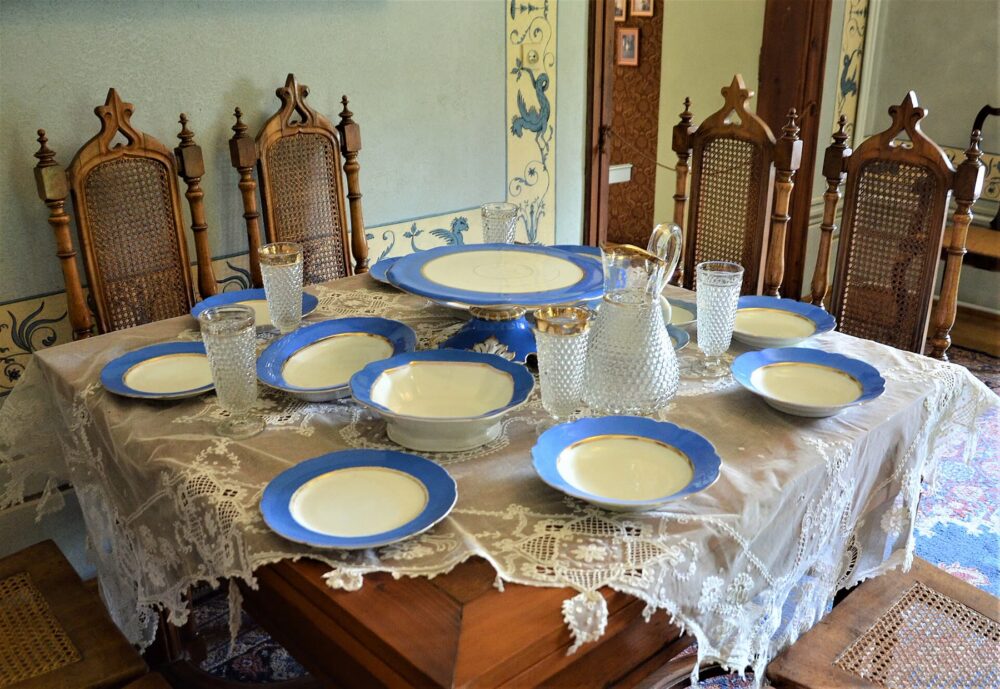
The fastest way to choose the right dish set is to make three decisions in order: material, style, and set size. For daily use, many home and editorial guides point buyers toward durable ceramic-style sets like stoneware or porcelain, reserving finer bone china or more fragile earthenware for formal dinners. For kids or outdoor use, shatter-resistant melamine is often positioned as a practical option. Once you know how you’ll use your dishes, you can right-size the set to your household and then compare marketplaces — from big-box US retailers to cross-border platforms like DHgate — on design, seller track record, and overall value.
Material suitability here is editorial guidance based on common consumer and brand commentary, not a performance or safety guarantee. Always follow the care instructions that come with specific products.
Dinnerware Basics: What a Dish Set Actually Includes
“Dish set” or “dinnerware set” usually means the hard pieces on your table: plates, bowls, and sometimes mugs or cups. Most sets you’ll see online are built around a place setting — the pieces one person uses for a meal.
Typical Western-style place setting:
- Dinner plate (main course)
- Salad or appetizer plate
- Bowl (soup, cereal, pasta, rice)
- Mug or cup (optional in some sets)
From there, brands package place settings in different ways:
- Formal sets: Often sold as individual place settings so you can build a collection. These tend to use porcelain, stoneware, or china, and lean toward white or banded designs for a cleaner, dressier look.
- Casual everyday sets: Usually sold as full sets (service for 4, 6, or more). You’ll see more color, patterns, and relaxed shapes — and usually more durable materials aimed at daily use.
A common US format is a 20‑piece set for 4, which typically includes four each of dinner plates, salad plates, bowls, and mugs. That’s enough for a small household without filling every cabinet.
Many households keep two sets:
- A tougher, more forgiving everyday set that can handle regular use.
- A nicer formal set reserved for holidays and entertaining.
You don’t have to do both. But deciding whether you want one versatile set or separate casual/formal sets will steer your material and style choices.
Materials, Styles, and Set Types: Matching a Dish Set to Your Household
The same design can behave very differently depending on what it’s made of. Most consumer guides and brand catalogs group dinnerware into a handful of categories: stoneware, porcelain, bone china, earthenware, and melamine. Each fits different households.
How the main materials compare in everyday use
Here’s a high-level look at common dinnerware materials and where they tend to fit.
| Material | Everyday vs formal use (editorial judgment) | Durability feel | Typical vibe on the table |
|---|---|---|---|
| Stoneware | Strong everyday option; also works for casual entertaining | Generally sturdy, with some weight | Cozy, substantial, often earthy glazes |
| Porcelain | Widely recommended for everyday use and dressier occasions | Durable but a bit more refined | Clean, polished; often white or lightly decorated |
| Bone china | Often reserved for formal or “nice” everyday meals | Light yet resilient | Elegant, fine, slightly translucent look |
| Earthenware | Best for casual, occasional use | Can feel hefty but more temperature-sensitive | Rustic, relaxed, often hand‑painted |
| Melamine | Commonly used for families, outdoor, and kid‑heavy tables | Shatter‑resistant; feels light | Fun, colorful, decidedly casual |
Editorial roundups, including testing pieces from outlets like Bon Appétit’s dinnerware guide, frequently treat stoneware, porcelain, china, and melamine as the main categories shoppers actually choose between. Home brands and US retailers routinely position stoneware or melamine as practical choices for busy families and outdoor eating, while porcelain and bone china get the more formal spotlight.
As you decide:
- If you want one set that can do breakfast, weeknight pasta, and a simple dinner party, porcelain or a smooth, well‑finished stoneware set is a strong candidate.
- If you host lots of backyard cookouts or have kids banging plates around, melamine is often chosen for rough handling and outdoor use, though it’s aimed at casual tables.
- If you love a traditional, fancy feel and don’t mind being a bit more careful, bone china can be your showpiece set.
Style decisions that actually affect daily use
Once you’ve picked a material, style isn’t just an aesthetic choice — it changes how flexible the set feels in real life.
Common style buckets:
- Solid: One color overall. Easiest to mix with other pieces and to live with for years.
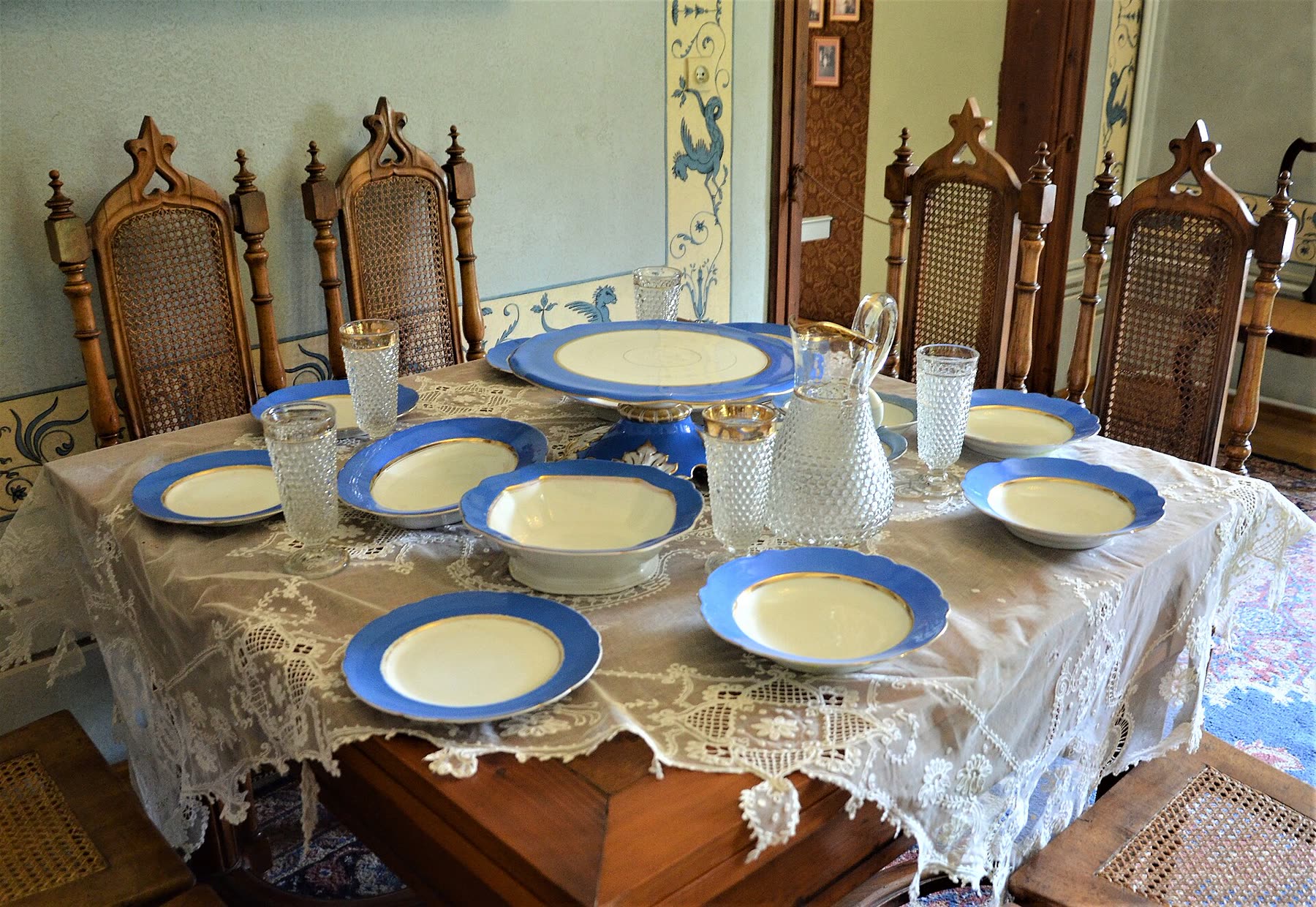
- Banded: A colored rim or border. Good compromise between plain and patterned, especially for formal sets.
- Patterned: Prints or motifs across the surface. Fun for casual tables, more likely to feel tied to a trend.
- Hand‑painted: Each piece has visible brushwork. Often found on earthenware or stoneware; great for an artisan or rustic look.
For most US homes:
- A neutral solid or banded porcelain/stoneware set in white, cream, or soft gray will go with nearly any food and decor and still look polished on holidays.
- Bold patterns work well as accent plates or as casual everyday sets if you’re okay with them defining your table’s look.
Set structures: open stock vs place settings vs full sets
Guides like DiningFit’s dinnerware overview point out that you should think about household size and storage space before choosing between open stock, individual place settings, and full sets.
- Open stock: You buy pieces one by one (e.g., 8 dinner plates, 6 bowls). Best if you have limited storage, mix brands, or want spares for frequent breakage.
- Place settings: One full “seat” at the table (plate, bowl, salad plate, cup). Helpful for couples or individuals slowly building a formal set.
- Full sets: Boxes labeled “service for 4” or “service for 6,” bundling multiple place settings. Easier, often better value, but takes more cabinet space.
Quick scenario guide:
- Small apartment, 1-2 people: A 16-20‑piece set for 4 is usually enough, especially if you don’t host often. Look for stackable shapes to save space.
- Family of 4+ with kids: Lean toward a durable stoneware or melamine set, and consider either a larger set or open stock so you can replace breakage without buying a whole new box.
- Frequent entertainers: Decide your hosting number (say 8 or 10 seats) and build to that using either a large set plus a few open‑stock extras, or individual place settings over time.
Buying Dish Sets Online: Quality Checks, DHgate Use, and Alternatives
Shopping online expands your options, but it also shifts more of the quality check onto you. Instead of handling plates in person, you’re reading listings and photos.
Listing and seller checks that matter for dish sets
When you compare dinnerware sets on any marketplace (US big-box, brand site, or cross‑border platform), focus on details that are specific to dishes:
- Material spelled out clearly: A listing should say “stoneware,” “porcelain,” “melamine,” etc. If it only says “ceramic” without more detail, treat that as a cue to ask questions or keep browsing.
- Exact piece count and breakdown: You should see something like “20‑piece set: 4 dinner plates, 4 salad plates, 4 bowls, 4 mugs, 4 saucers.” Vague “service for 4” without a list can lead to surprises.
- Dimensions and photos of stack height: Plate diameter and bowl depth help you know if they fit your cupboards and match your portion sizes.
- Close‑up images of glaze and pattern: You’re trying to spot rough edges, overly shiny decals, or details that might look cheaper in person.
- Buyer reviews that mention real use: Look for comments about chipping, scratching, color accuracy, and how the pieces feel in hand, not just “looks nice.”
If any of these are missing or unclear, message the seller for specifics or compare with better documented listings.
How DHgate fits into the search for dish sets
DHgate operates as a cross‑border marketplace where multiple independent sellers offer dinnerware and dish sets. It’s most useful as a product‑discovery channel if you’re:
- Interested in designs or patterns not widely stocked by US retailers.
- Comparing bulk or multi‑set options for outfitting several units (for example, rentals or small hospitality projects).
Because DHgate is seller‑based, treat each listing as its own mini store:
- Check the seller’s history and rating within DHgate, not just the product score.
- Compare photos across listings — if several sellers show similar designs, you can get a sense of how consistent the product looks.
- Read any available buyer images and comments to see how the dishes arrive and age in real kitchens.
Avoid assuming that all DHgate sellers operate the same way. You’re effectively doing the same diligence you would for a third‑party seller on a major US marketplace: judge by listing quality, feedback, and how responsive they are to pre‑sale questions.
Alternatives: when a local or brand retailer may be a better fit
DHgate isn’t always the most practical choice. You may be better served by:
- US big‑box and home retailers if you want to see and feel dishes in person before buying, or if you’re looking for specific brand lines commonly tested in editorial roundups like the Bon Appétit dinnerware review.
- Direct brand sites or boutique makers if you care deeply about a particular aesthetic or the origin story (for example, a small porcelain studio like the one profiled by Myrth).
If you:
- Need fast, predictable delivery for an upcoming event,
- Want easy, well‑documented returns and exchanges,
- Prefer matching existing pieces from a US‑available line,
then mainstream US channels often make the decision simpler.
A quick checklist before you click “buy”
Use this short, dish‑specific checklist to finish your decision:
- Material fit: Does stoneware/porcelain/melamine/bone china match how often you eat at home, how careful your household is, and where you’ll use the dishes (indoor vs outdoor)?
- Set size and structure: Are you sure about the number of place settings and whether you prefer open stock, individual place settings, or a full boxed set? Do you have cabinet space for it?
- Style longevity: Will the color and pattern still feel right five years from now, and does it work with the rest of your table pieces?
- Listing clarity: On DHgate or any marketplace, does the product page clearly list material, piece breakdown, dimensions, and show close‑up photos?
- Seller evidence: Have you read reviews that mention chipping, color, and feel, and checked the seller’s history on that platform?
If you can answer yes to all five, you’re no longer just browsing — you’ve matched a specific dinnerware set to how your household really eats and to the marketplace that makes the most sense for you.