
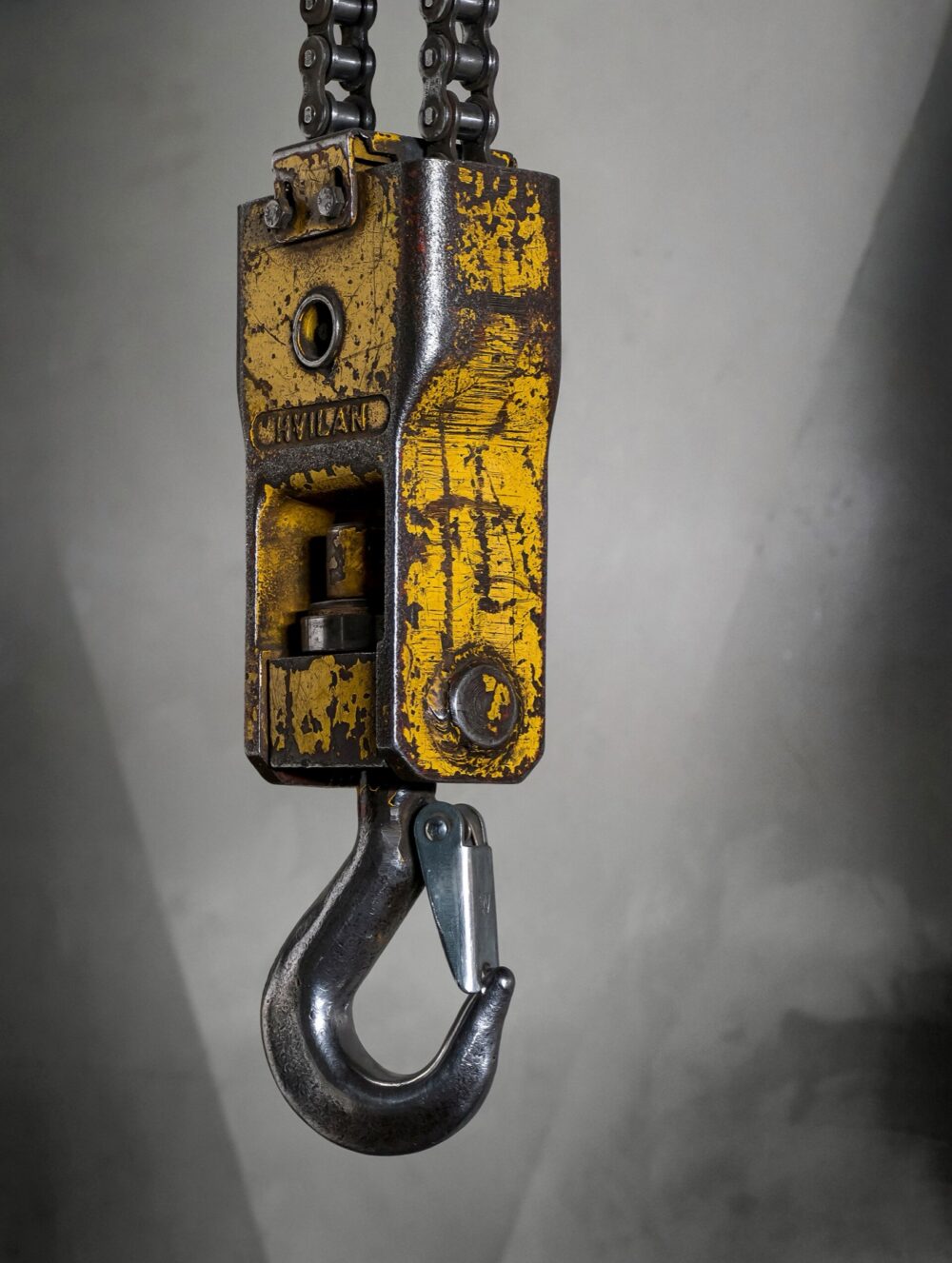
If you want bike wall mounts or hanging hooks from DHgate, start by turning your bike and wall details into hard requirements, then use DHgate’s search bar with terms like “bike wall mount” or “bike hanging hook” and filter ruthlessly. For each listing, match the stated load rating, tyre compatibility, and wall fasteners to your real setup, then dig into ratings, reviews, and the seller’s history—ideally cross-checking with an independent tool—before you decide whether DHgate is strong enough for this purchase or you should switch to another channel.
What bike wall mounts and hanging hooks actually need to do
For small Australian homes, garages, and workshops, a bike wall mount or hook has one non‑negotiable job: hold the bike safely off the floor without eating all your wall space.
That means you need to lock in a few fundamentals before you open DHgate:
- Weight support: Know the heaviest bike you’ll hang. A typical road bike might be ~9-11 kg, an e‑MTB 20+ kg. Your mount’s rated capacity should exceed that by a sensible margin.
- Tyre and rim fit: Vertical hooks usually cradle the front wheel; horizontal cradles grab the frame. You need clear specs on max tyre width (e.g., 25 mm road vs 2.4″ MTB) and whether deep‑section rims or disc rotors are OK.
- Wall type and hardware: In many Australian homes you’ll be dealing with plasterboard over timber studs, brick, or concrete. A mount’s included screws might suit concrete but be unsafe for plasterboard; you may need separate anchors.
- Clearance and ergonomics: For tight spaces, check how far the bike projects from the wall and how high the mount sits. If kids or shorter adults will lift bikes, a rack that requires a heavy e‑bike to be hoisted to chest height is a bad match.
- Finish and contact points: Hooks should be rubber‑coated or shaped so they don’t chew through rims, paint, or spokes.
Mini spec checklist you should carry into any DHgate listing:
- Max bike weight per hook/rack
- Supported wheel/tyre sizes
- Suitable wall types and required anchors
- Horizontal vs vertical orientation
- Distance from wall (projected depth)
- Any protection for rims/frame (padding, coating)
If you’re buying for resale, add: packaging quality, repeatability of finish, and whether instructions are clear enough for DIY installation.
Translating your storage needs into DHgate searches and filters
Once you know what you need, you can use DHgate as a discovery engine rather than a lucky dip.
1. Start with targeted keywords
Go to the DHgate homepage and use the search bar at the top. Try specific phrases that reflect your mount style:
- `bike wall mount` – general category, often horizontal frame‑holding racks.
- `vertical bike hook` or `bicycle hanging hook` – usually single hooks for wheel‑hanging.
- `folding bike wall rack` – space‑saving designs that fold flat when not in use.
- `garage bike storage hook` – if you’re fine with more utilitarian hardware.
If the results look too generic (lots of coat hooks or random hardware), add bike‑specific qualifiers like `bicycle`, `MTB`, or `road`.
2. Use categories and basic filters
From your search results, click into the most relevant category (often under sports & outdoor or general hardware). DHgate carries a wide range of wall hooks with different styles, materials, and price points, which means you’ll get a mix of serious bike mounts and generic hooks.
Work through filters like:
- Material: Steel or heavy‑gauge metal for bikes; avoid flimsy plastic hooks for anything above a kids’ bike.
- Price band: Extremely cheap listings can be fine for light bikes, but for heavier bikes or resale, treat rock‑bottom prices as a cue to inspect specs very closely.
- Minimum order: Set this to `1` if you’re testing for personal use; if you’re sourcing for a small shop, look for packs of 10-20.
3. Read photos as hard data, not decoration
Open promising listings and zoom in on:
- Mounting hardware: Are there expansion bolts or just wood screws? Can you see washers, backing plates, or any sign of serious load‑bearing design?
- Bike examples: If the listing shows a skinny road bike on the hook but you plan to hang a 2.6″ MTB, assume the pictured fit is the best‑case scenario and look for explicit tyre width specs in the text.
- Angles and clearance: Check side‑on photos to see how far the bike sticks out from the wall and how high riders seem to lift it.
4. Match the description against your mini checklist
Descriptions on DHgate vary. Some sellers provide detailed load and tyre specs; others are vague. Line up your checklist against what you see:
- If a listing doesn’t state a load rating, treat it as unsuitable for heavy bikes or resale, no matter how solid it looks in photos.
- If tyre compatibility is missing, search within the page for `inch`, `mm`, or `tyre` and look at Q&A or review photos.
- For Australian walls, look for mentions of `concrete`, `brick`, or `wood`. Generic “wall” references aren’t enough for safety.
Worked example: sourcing 20 hooks for a small shop
Say you run a bike shop in Brisbane and want 20 vertical hooks to create a compact storage wall.
Your spec might be:
- Hang up to 29″ MTB wheels; tyre width up to 2.4″.
- Each hook rated to at least 25 kg, for safety margin.
- Steel hook, rubber‑coated, suitable for brick wall.
On DHgate you could:
- Search `vertical bike hook 29 inch`.
- Filter to metal hooks and exclude the lowest price tier to avoid flimsiest options.
- Open only listings with clear close‑up photos of the hook and mounting plate.
- Check that the description explicitly states wheel size and a numeric load rating.
- Shortlist 2-3 listings that meet these specs and then move to seller vetting.
If you can’t find hooks with clear load ratings and tyre specs, that’s a strong signal to consider an alternative marketplace or a local wholesaler instead of forcing a compromise.
Evaluating DHgate sellers and deciding when to buy or look elsewhere
Once you have a shortlist of bike mounts or hooks, you’re no longer just choosing hardware—you’re choosing a seller.
DHgate listings for hooks and hardware typically show ratings and reviews. Those are useful, but they’re not guaranteed to be complete or perfectly accurate, so treat them as one input.
Here’s a simple, bike‑specific vetting routine:
| Checkpoint | What to look for on DHgate | Why it matters for bike mounts/hooks |
|---|---|---|
| Product reviews | Multiple reviews mentioning “bike,” “MTB,” “road,” or “bicycle”; ideally photos of real installations | Confirms the hook is actually used for bikes, not just light household items |
| Review detail | Comments about load, tyre fit, wall type, and installation difficulty | Helps you assess real‑world safety and whether instructions/hardware are adequate |
| Seller history | Consistent ratings across several hardware/sports listings, not just a single hit product | Suggests the seller understands load‑bearing products rather than random general merchandise |
| Listing consistency | Matching specs between title, bullets, and images (same load rating everywhere) | Reduces the risk of copy‑paste errors and misrepresented capabilities |
| Communication | Clear answers in Q&A to questions about weight, tyre width, and wall anchors | Indicates the seller can support you if something isn’t clear pre‑purchase |
Using an external seller checker for a quick risk read
For higher‑risk orders—like stocking hooks for resale or hanging heavy e‑bikes—it’s worth running the seller through an independent tool such as the DHgate Seller Checker. That tool looks at feedback, transaction history, product type, and the reviews you’re seeing to give a quick risk snapshot.
Treat the result as a first pass, not a verdict. If the checker flags concerns, or if the seller has very limited history with hardware, consider:
- Choosing a different DHgate seller with stronger bike‑related feedback.
- Reducing your initial order quantity and treating it as a test batch.
- Switching to a platform where you can verify load ratings and compliance more easily.
When DHgate is a good fit—and when it isn’t
DHgate’s wide selection of wall hooks and competitive pricing can work well when:
- You’re hanging lighter bikes (kids’ bikes, commuter bikes) and can tolerate some trial‑and‑error.
- You’re comfortable doing your own installation engineering (choosing proper anchors for your wall).
You should lean toward other channels—local bike shops, Australian hardware chains, or specialist online rack brands—if:
- You’re storing heavy e‑bikes or multiple high‑value bikes in a public‑facing workshop.
- You need clear local compliance or insurance documentation on load capacity and installation.
- You can’t find DHgate listings with explicit, numeric weight ratings and tyre specs that match your bikes.
Before you check out on any DHgate bike mount or hook, pause and run through a final readiness check: confirm specs against your mini checklist, review the seller’s track record, and decide whether the risk profile is acceptable for your home or business. If anything feels vague—especially around weight or wall hardware—the safest move is to keep browsing or change sourcing channels.
For broader tips on using the marketplace itself, you can read DHgateWiki’s overview of what DHgate is and how the marketplace works, advice on finding trusted sellers on DHgate, and the DHgate order-readiness checklist before checkout, which all support safer sourcing decisions alongside the bike‑specific checks in this guide.