
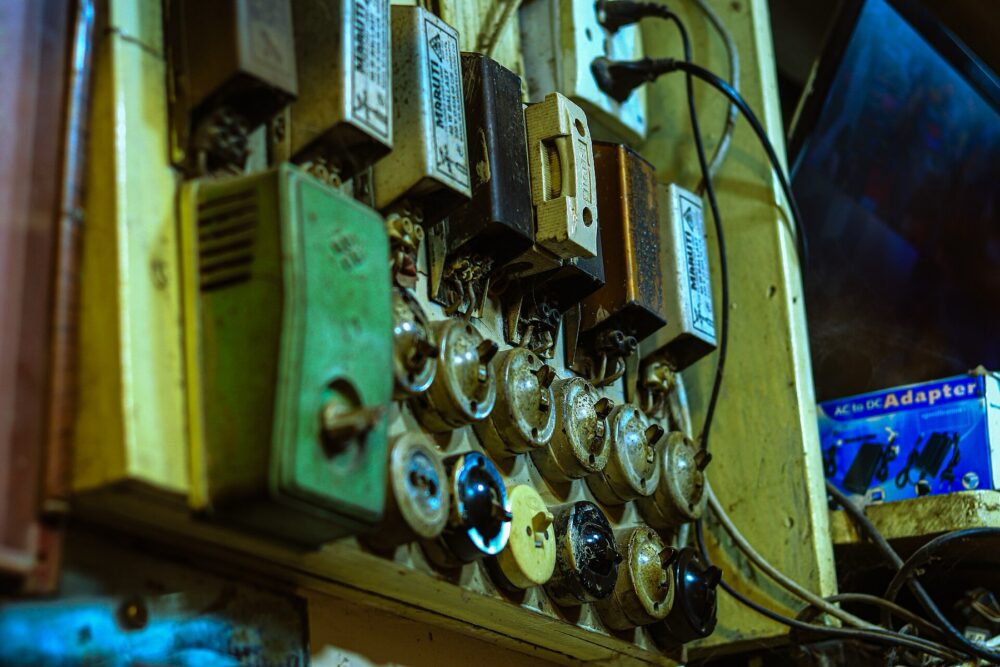
The practical way to choose vintage light switches and plates is to decide first whether you need true antique parts, salvaged originals, or modern vintage-style reproductions, then match the switch type and wall-plate pattern to your actual wall box. For US projects, that means confirming whether you have standard toggle/rocker, push-button, Despard, or a legacy low-voltage system, checking the opening shape and screw-hole locations, and only then picking materials and finishes that suit your room. Once you know your layout, broad marketplaces like DHgate can work well for reproduction styles, while rare GE/Bryant low-voltage or Despard hardware typically calls for specialist US vendors.
What Counts as a “Vintage” Light Switch or Plate for US Projects?
“Vintage” covers three very different things in the switch world:
- True antiques – early push-button or rotary switches and plates from the early 1900s, often porcelain or brass and sometimes still wired with cloth-insulated conductors.
- Salvaged originals – mid‑century toggle or specialty systems (including low-voltage) pulled from renovations and resold.
- Vintage-style reproductions – new switches and plates made to look old: think fresh wiring behind a push-button face, or a standard toggle plate stamped in antique brass.
True antique and salvaged parts have character, but they can be unpredictable in terms of condition and compatibility with current US residential practice. A push-button body from the 1910s may not be safe to reuse without professional evaluation, and early low-voltage systems often expect specific transformers and remote relays you may no longer have. New vintage-style reproductions are designed to fit today’s electrical boxes and device standards, so they’re usually the more realistic option for most homes and small ecommerce sellers.
For example, reproduction push-button switches discussed by restoration sources like 1924 Rosemont deliver the old-house look but mount in standard boxes and can be paired with modern wiring. That’s the sweet spot for buyers who want style without chasing hard‑to‑find legacy parts.
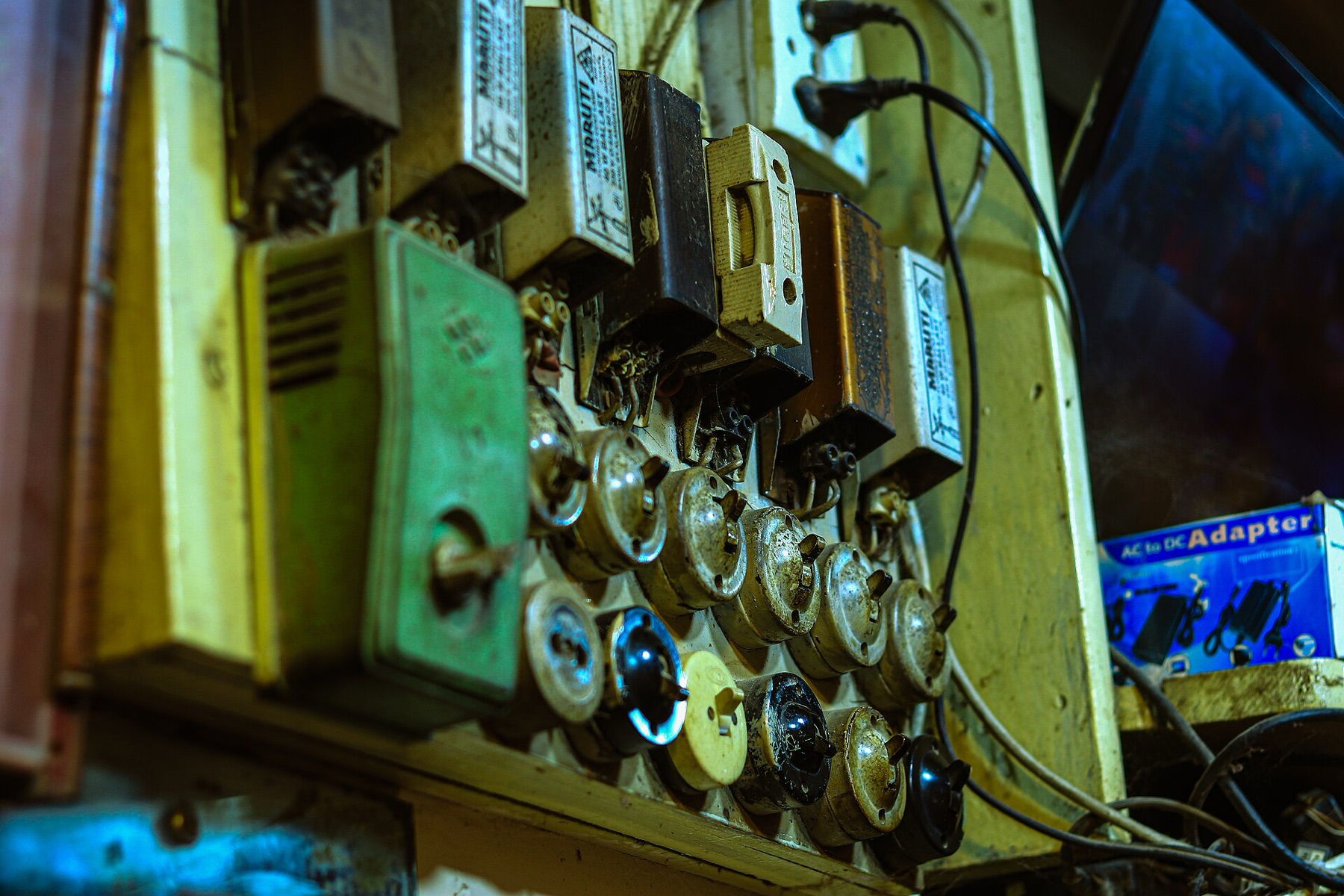
If your project is a strict restoration and you already have a working system, you may be shopping for compatible covers or labeled plates rather than replacing the internals. In that case, you’ll need to pay close attention to unusual opening shapes and screw patterns, which modern generic plates won’t match.
Key Vintage Switch and Plate Types: Matching What’s in the Wall
For US buyers, the biggest compatibility traps aren’t the finishes – they’re the switch format and plate geometry. Here are the most common vintage-related types you’ll run into.
Major switch styles you’ll see
- Standard toggle – the familiar up/down lever. Many “vintage” listings are just decorative toggle plates.
- Push-button – two round/oval buttons per switch, popular in early 20th‑century houses and widely reproduced today.
- Rotary/dimmer – a round knob you twist, often in brass; modern dimmers with vintage faceplates fall here.
- Despard – narrow sideways toggles stacked vertically, mounted in a strap. Common in mid‑century homes and RVs.
- Low-voltage (GE/Bryant) – small control switches operating remote relays. The plates often have unique openings and sometimes labeled positions.
Each of these needs a specific plate opening. A Despard stack, for instance, uses a rectangular opening sized to the sideways toggles rather than the taller slot used by modern rockers. Reproduction push-button plates use two round openings in place of a single toggle slot.
Why plate openings and screw holes matter
Legacy systems like GE/Bryant low-voltage and Despard don’t just look different – the openings and screw locations are locked to that system, which limits your options.
The photo-driven guide at Kyle Switch Plates shows several examples:
- Despard plates where the screw holes are above and below the stack of toggles.
- Nutone-branded Despard examples where the screws are on the sides of the opening instead.
- Low-voltage plates with horizontal toggles arranged in an oval opening, using a center screw similar to duplex outlet covers.
If you buy a plate with the wrong pattern, it simply won’t attach to the strap or will leave gaps around the devices.
Here’s a quick pattern snapshot:
| System / style | Device look | Plate opening shape | Typical screw positions |
|---|---|---|---|
| Standard toggle | Single up/down lever | Tall narrow slot | One top, one bottom |
| Push-button (2-button) | Two round/oval buttons | Two round holes | One top, one bottom |
| Despard (line voltage) | 2-3 sideways mini toggles stacked | Rectangular multi-switch slot | Top and bottom of stack (strap) |
| Nutone Despard variant | Labeled LIGHT/VENT/HEAT, etc. | Similar rectangular slot | Left and right of the opening |
| GE/Bryant low-voltage | Small horizontal toggles | Oval / specialized cutout | Center or 3-hole pattern |
Before you shop by style shots, take 30 seconds to pull one existing plate and note:
- Number and orientation of switches (e.g., three small sideways toggles labeled LIGHT/VENT/HEAT).
- Shape of the device opening in the plate.
- Exact screw-hole locations. Top/bottom vs sides vs center.
Those three facts will keep you from buying a beautiful vintage plate that only fits standard toggles when your wall hides a Nutone Despard strap.
Buying Criteria and Marketplace Choices (Including DHgate)
Once you know your switch type and plate pattern, the rest of the decision is about materials, finishes, and where you source them.
1. Pick materials and finishes that match use
Common vintage-style cover materials include:
- Antique brass / brass-look metal – solid feel and a classic look, often highlighted by sites like Plate Prestige.
- Porcelain or ceramic – glossy white or decorated plates that suit early 1900s interiors.
- Bakelite-style or thermoset plastic – mid‑century look with squared edges, often sold as “retro” plates on marketplaces.
- Zinc alloy plates – highlighted in lists like Home to Sight’s antique cover roundup, used for decorative stamped designs.
For high-touch locations (kitchens, kids’ rooms), you may prefer sturdy metal or zinc alloy reproduction plates rather than true antique porcelain that can chip.
2. Match style to room hardware
Design guides such as Nostalgic Warehouse’s hardware matching article point out that switch plates look more intentional when they echo nearby finishes: brass plates with brass door hardware, black plates against dark modern fixtures, porcelain with white trim.
For resale, consider building small curated sets – e.g., antique-brass toggle plates plus matching outlet covers – so buyers can coordinate across a room.
3. Choose the right kind of marketplace for your need
Your channel choice should follow the type of part you’re chasing:
- Specialist US vendors – Sites like Kyle Switch Plates focus on oddball vintage systems, including GE/Bryant low-voltage and Despard, and publish photos to help you match devices and plates. They’re often the most practical route for keeping a legacy system operational.
- Craft and salvage platforms (e.g., Etsy) – Good for one‑off antique brass, porcelain, or Bakelite plates and salvaged push-button switches. Selection can be eclectic but not standardized.
- Big-box style retailers (e.g., Walmart) – Carry mass-produced “vintage-look” plates that fit standard toggles and rockers, as seen in their vintage wall plates category.
- Global marketplaces (Alibaba, DHgate) – These emphasize broad variety and competitive pricing on reproduction hardware rather than rare US-specific legacy systems. Guides like Alibaba’s vintage switch overview show how many factories produce push-button, toggle, and rotary designs in brass, ceramics, and plastics for export.
DHgate sits in this last camp: a wide marketplace where you can often find vintage-style push-button or toggle switches, decorative brass or zinc-alloy plates, and other retro-inspired hardware aimed at standard boxes. It’s a practical option if:
- You’re fine with modern internals behind a vintage-style face.
- You’re buying for standard toggle or push-button layouts, not obscure low-voltage or Despard straps.
- You care about price and variety more than preserving a specific historic system.
If you explore DHgate for this category, treat it as a product-discovery platform: search by specific patterns like “push button light switch”, “vintage brass toggle plate”, and “porcelain switch cover”, then cross-check listing photos against your wall-box layout and screw positions. For broader context on how DHgate works and how to sanity-check sellers before ordering, you can read What DHgate is and how the marketplace works and Find trusted sellers on DHgate, and run any potential order through the DHgate order-readiness checklist.
If your project depends on keeping a GE/Bryant low-voltage or Despard system alive, steer your search toward specialist US sites first; the odds of finding correctly labeled plates and compatible switches are far higher there than on general cross-border marketplaces.