
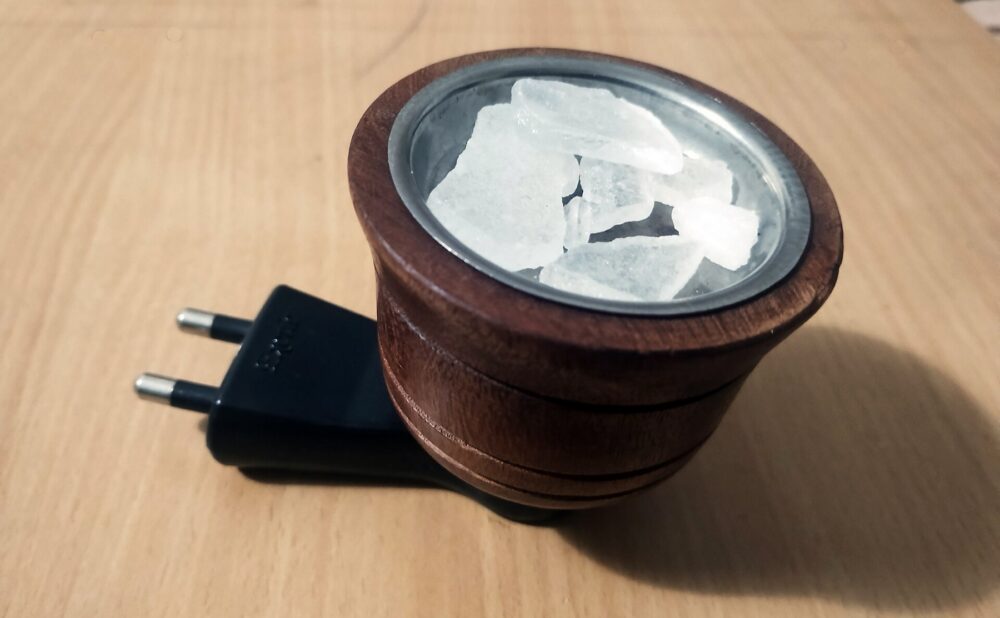
The most reliable way to find usable electric and incense burner options on DHgate is to start with very specific burner definitions, then use tight search keywords and filters while you read each listing’s materials, dimensions, incense format, and seller history before you even think about ordering. Treat DHgate as a product discovery and supplier filter tool: locate 3-10 candidate burners, compare specs and reviews, ask questions, and order single-unit samples where possible. If you can’t get clear specs or low-risk samples, that’s your cue to look at a US marketplace or local wholesaler instead.
Before you dive into DHgate, it helps to understand what you’re actually shopping for and how incense hardware differs from fragrance oil burners.
Know What You’re Looking For: Electric vs Incense Burners
“Burner” covers a few different pieces of home-fragrance hardware:
- Electric fragrance burners – plug-in or USB units that gently heat fragrance oil or wax. You care about wattage or heat level, bowl size, and how the unit looks on a shelf.
- Traditional incense burners – holders or chambers for sticks, cones, resin, or backflow bricks. Here, dimensions, mounting style (tabletop vs wall), and ash management matter more.
Home fragrance and decor guides often compare incense burners by design, materials, mounting style, and incense format to avoid size and fit surprises. For example, adobe-style house burners are broken down by whether they’re clay or ceramic, whether they’re single houses or multi-building scenes, and whether they’re meant for bricks vs sticks so buyers don’t end up with the wrong format for their preferred incense.
Use that same mindset before you search DHgate. Write down:
- Whether you need electric heating (fragrance oil/wax) or smoke-producing incense (sticks, cones, resin).
- Your incense format: sticks, cones, bricks, backflow cones, loose resin.
- Placement: tabletop, wall-mounted, or freestanding decor piece.
- Materials you’re comfortable with: ceramic, glass, metal, wood accents.
That short list becomes your search keywords and your filter criteria.
Running a Smart DHgate Search for Burner Listings
DHgate’s search bar and filters are your main tools to cut through irrelevant listings. Use them deliberately rather than typing a broad term and scrolling forever.
Here’s a simple workflow that works well for burners:
- Enter precise keywords in the main search bar
Start at dhgate.com and type what you defined earlier, not just “incense burner.” Examples:
- “electric fragrance oil burner” or “electric wax burner”
- “ceramic incense cone burner” or “incense stick holder ceramic”
- “wall incense burner” if you need something mounted
If you use an incense format term like “backflow” or “resin,” you’re more likely to see hardware designed for that format instead of generic ash trays.
- Use category hints to steer into home decor hardware
Once results load, look at the category path shown near the top of listings. Burner hardware often sits in home decor or home & garden categories rather than electronics, even when it has a power cord. Clicking into that category narrows the pool to roughly similar products instead of mixing hardware with unrelated items.
Guides on sourcing through DHgate emphasize using the platform’s search plus category browsing together: search gets you close; categories help you remove noise.
- Tighten filters around your needs
On the results page, use available filters to cut away poor fits:
- Price range – set a realistic range so you’re not evaluating ultra-premium decor pieces if you just need functional hardware.
- Minimum order quantity (MOQ) – many sourcing guides recommend filtering for listings that allow single-unit orders when you’re still testing. If the interface lets you adjust quantity or sort by MOQ, aim for listings that don’t force bulk right away.
- Seller ratings – give priority to higher-rated sellers, especially if you aren’t experienced with cross-border sourcing.
The DHgate blog’s ecommerce-sourcing guidance specifically calls out the value of filters for narrowing results to products that match your criteria, and it recommends evaluating suppliers and ordering samples before committing to larger orders.
- Shortlist before you click through everything
From the filtered results, open 5-10 promising listings in new tabs based on thumbnail photos and visible rating scores. Ignore anything where the photo clearly doesn’t match your defined format (e.g., stick holder when you typed “cone burner”).
Evaluating Burner Listings, Sellers, and When to Look Elsewhere
Once you have a handful of DHgate listings open, you switch from search mode to vetting mode. Here you’re judging both the hardware and the seller.
Read burner listings like spec sheets, not ads
Each DHgate product page typically includes images, specifications, prices, and seller ratings. The platform’s shopping guide explicitly urges buyers to pay close attention to these details.
For burners, focus on:
- Dimensions – height, width, depth, and any chimney or wall-clearance measurements. This matters a lot for wall incense burners and multi-house decor pieces.
- Materials – ceramic vs clay vs metal vs wood accents. That affects heat tolerance and breakability.
- Incense or fragrance format – look for words like “sticks,” “cones,” “backflow cones,” “bricks,” “resin,” or “fragrance oil” in the description.
- Power details (for electric) – voltage range, plug type, and whether a bulb or heating element is replaceable.
If any of those are vague or missing, treat that as a risk flag. Home fragrance hardware guides repeatedly warn that unclear format and dimensions are how buyers end up with burners that don’t fit their incense or space.
Use ratings and reviews as signals, not guarantees
DHgate editorial content stresses using seller ratings, customer reviews, and transaction history as indicators of reliability. They’re useful, but they do not guarantee a perfect experience.
When you scroll reviews:
- Filter or scan for buyers mentioning incense type (“works with backflow cones,” “ash spills with sticks”).
- Look for comments on material feel (“thin ceramic,” “solid clay,” “metal feels sturdy”).
- Watch for patterns of shipping damage or mismatch (“smaller than expected,” “different color than photos”).
You can also look at total sales numbers and how long the seller has been active. High volume plus consistent feedback generally beats a brand-new account, especially for decor hardware.
For deeper seller checks, DHgateWiki has a separate walkthrough on how to find trusted sellers on DHgate.
Sampling and MOQ: manage risk before you go “all in”
Cross-border sourcing guides on DHgate consistently recommend ordering samples before bulk commitments. For burners, single-unit testing is where you find out if:
- The incense format really matches what you use.
- The materials feel solid enough for daily use.
- The design fits US home decor preferences and safety expectations.
A practical burner-sourcing pattern is:
- Filter or choose listings that allow low minimum quantities.
- Order 1-2 units from your top 2-3 sellers.
- Compare them in person before placing any larger order.
A DHgate supplier-vetting article also points out that many listings do allow single units; it specifically recommends filtering for a minimum order of one during evaluation so you can sample before committing.
Keep your own order process tight by running through a basic checklist like the one in this DHgate order-readiness guide.
Burner-specific checks vs generic sourcing checks
Here’s a quick comparison of what matters most for burners, versus what matters for any DHgate product:
| Check type | Burner-specific focus | Generic DHgate focus |
|---|---|---|
| Product format | Incense type (sticks, cones, resin, backflow, oil, wax) | Is the product category what you expect? |
| Dimensions & mounting | Wall clearance, tabletop footprint, ash fall path | Basic size compatibility with your use case |
| Materials & heat behavior | Ceramic/clay thickness, metal parts near heat source | Overall material quality and durability |
| Seller signals | Reviews mentioning burner performance and decor fit | Ratings, total sales, response speed |
| Order structure | Ability to buy singles for samples vs bulk-only listings | Price, promotions, and MOQ generally |
Using the burner-specific column will save you from buying hardware that technically works but doesn’t handle your incense or space well.
When DHgate isn’t the best burner channel
DHgate’s direct-from-supplier model is attractive for variety and potential cost, especially if you plan to resell burners and want access to OEM or custom designs. Its own ecommerce guides highlight sourcing directly from manufacturers and comparing prices across multiple sellers.
However, DHgate is not always the easiest or safest route for small, urgent burner needs in the US. Consider using Amazon, Etsy, or local wholesalers instead when:
- You’re uncomfortable with limited specs or sparse reviews on the DHgate listings you find.
If you’re new to DHgate overall, start by understanding what DHgate is and how the marketplace works and then treat burner sourcing as a series of experiments, not a one-shot bulk commitment.