
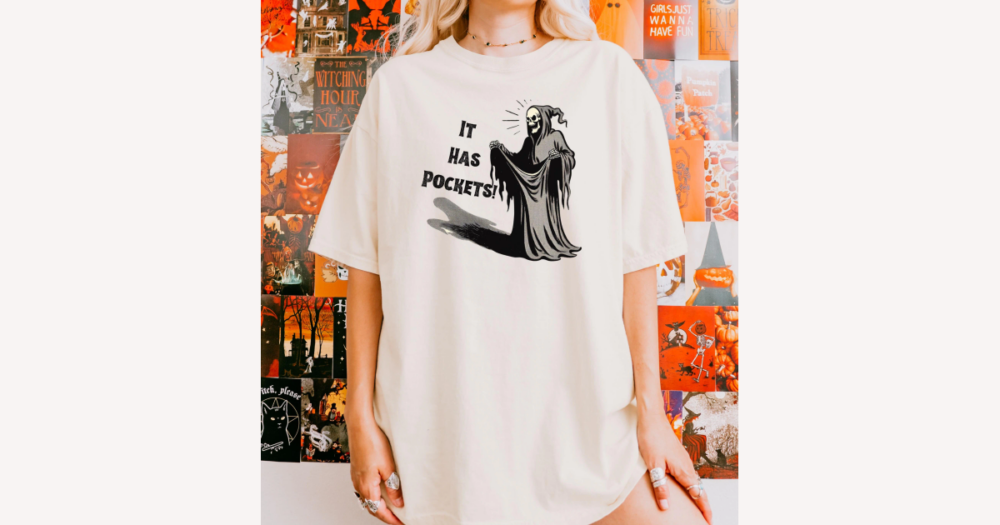
When you’re searching for the “best platform to sell meme T‑shirts,” most advice quietly assumes you’re a creator looking for print‑on‑demand tools. DHgate plays a different role: it’s a buyer‑facing marketplace where many independent sellers list finished or semi‑custom meme shirts, and your success depends on how well you vet those listings, materials, and sellers before you pay. This guide explains how DHgate fits into that landscape and gives you concrete checks to use on DHgate when you’re ordering humorous or meme‑style tees.
How DHgate fits into the “best meme T‑shirt platform” conversation
On DHgate, meme-inspired and humorous T-shirts sit inside a buyer-focused marketplace, not a creator print-on-demand platform. Independent sellers list finished or semi-custom shirts, and buyers browse those listings much like they would any other product category. You’re not uploading your own designs into a DHgate-managed storefront with branding tools and marketing dashboards; you’re choosing from what many different sellers already offer, sometimes with limited customization options.
That structural difference changes what “best platform” means. Articles about the best platforms to sell meme shirts usually talk about creator-focused print-on-demand services—places where designers run their own shops, upload artwork, and build an audience. Success there is about picking the right tools for your brand, margins, and marketing. On DHgate, success is buyer-side: reading listings closely, understanding fabric and print specs, and checking whether a seller reliably delivers what they advertise.
This guide stays on that buyer side. It treats DHgate as a place to shop for humorous and meme-style tees, and focuses on practical checks you can run before paying: design clarity, materials, print method, sizing, seller history, and DHgate’s own order, payment, shipping, and dispute frameworks. If your main goal is building a branded meme T-shirt business, you would need separate research into creator-oriented platforms beyond the scope of this DHgateWiki page; here, the priority is helping you vet meme-inspired shirts and the sellers offering them on DHgate.
How meme and humorous designs typically appear in DHgate T‑shirt listings
Once you see DHgate as a place to shop rather than a creator console, the next step is understanding how meme and humorous designs actually show up in listings. Most meme-style shirts fall into a few layout patterns: text‑only jokes in bold or stylized fonts, image‑based memes pulled from recognizable formats, or combinations of text and graphics. The design might sit centered on the chest, wrapped around to the back, repeated smaller on a sleeve, or printed in a large front-and-back set—these placement choices are usually visible in the product photos or mockups.
To know what you’ll really receive, scan the listing for specific visual and structural details. Look for front and back images, close‑ups of the print area, notes about whether the design is fixed or allows custom text or images, and the full list of color and size variants. Some sellers offer simple customization fields—adding a name, changing a phrase, or swapping one graphic—while others only sell a fixed design. Treat what’s explicitly shown and described as your baseline, and confirm any changes with the seller through DHgate’s messaging rather than assuming any meme can be substituted. Clear, well-lit photos, detailed descriptions, and examples of actual printed shirts (not only digital mockups) are practical signals that the meme graphic is more likely to match your expectations when the shirt arrives.
Key fabric and print specs that affect meme T‑shirt look and feel
On DHgate, the way a meme T‑shirt feels and how its joke or graphic looks starts with the fabric itself. Listings often mention composition such as 100% cotton, cotton‑poly blends, or higher‑polyester mixes. Cotton tends to feel softer and more breathable with a more natural drape, while blends can add structure, reduce wrinkling, and change how the fabric holds the print. If a weight (sometimes in gsm) or thickness is given, lighter fabrics usually feel cooler and more fluid, while heavier ones feel more substantial and can make large prints sit more firmly on the body.
Print method is the other major piece. Descriptions or photos may point to screen printing (ink pushed through a stencil), direct‑to‑garment (DTG) digital printing, or transfer styles like vinyl or DTF. Screen prints typically have strong, opaque color and a slightly raised feel; DTG often looks softer and more integrated into the fabric, especially on light shirts; vinyl and other transfers can look very sharp and glossy or slightly textured, with a more noticeable edge. Over time, any technique can crack or peel if stressed, but thick or dense prints on very light fabric are more likely to feel stiff from the start.
Not every DHgate listing will name the print method, so use close‑up photos of the meme graphic and buyer reviews that mention print quality, color accuracy, and texture as extra clues. When you see clear fabric composition details, notes about print style, and real photos of printed shirts rather than only mockups, it’s easier to set realistic expectations—whether the shirt’s meme graphic will feel soft and subtle or bold and more structured—while remembering that actual durability always depends on how you wear, wash, and care for the shirt.
A simple checklist for vetting meme T‑shirt listings on DHgate
- Scan all product photos first. Check that the meme design, colors, and placement match across images, and look for close‑ups of the printed area instead of only generic mockups so you can judge edge sharpness and texture.
- Read the size chart carefully and compare it with your own measurements. Pay attention to any sizing notes in the description or reviews, especially comments about shirts running larger or smaller than expected.
- Look for fabric and print details in the description. Note the basic composition (for example, cotton or a cotton‑poly blend) and use the earlier fabric and print guidance to set expectations when specifics like weight or method are only briefly mentioned.
- Check seller information: overall rating, number of completed orders, and the most recent reviews that talk about print quality, color accuracy, and whether the shirt matched the photos and size chart.
- If the meme design is semi‑custom, read the customization instructions closely. Confirm how to submit text or images, any character limits, and placement rules so you know exactly what the seller plans to produce.
- Review shipping details before you order. Note estimated delivery time, shipping cost, whether tracking is mentioned, and the summary‑level return or refund terms shown in the listing so you understand how delays or problems would be handled.
- When anything is unclear—especially for custom designs—message the seller through DHgate’s built‑in messaging. Ask precise questions and keep the answers in that thread. Proceed with payment only once the listing and conversation together give you enough confidence about what you’ll receive.
Common meme T‑shirt risks and how DHgate’s protections apply
Messaging sellers about custom meme designs on DHgate
- Start by messaging the seller through DHgate’s internal system, referencing the exact T‑shirt listing and briefly describing the custom meme text or image you want added or adjusted.
- Ask whether the seller accepts the type of customization you’re requesting and what format they need—entering text in a field, sending an image file, or another method—as well as any limits on length, language, or design complexity.
- Confirm key design details: where the custom element will appear on the shirt (front, back, sleeve), its approximate size, colors, and how it will interact with any existing design shown in the listing. Request a digital mockup or example photo if the seller can provide one.
- Discuss production and shipping timing. Clarify how long it will take to create the custom shirt, the expected shipping window, and whether there are extra charges or minimum quantities for custom work so you know the full cost and schedule.
- Make sure the conversation clearly states who is responsible for preparing print‑ready content and how small corrections or revisions will be handled, without trying to settle copyright or legal questions in the chat itself.
- Before you pay, review the entire message thread and the order details to ensure they match on design specifics, price, and timing. Place the order only once you have clear written confirmation in DHgate’s system so there is a record to refer to if something goes wrong later.
How DHgate compares to creator-focused meme T‑shirt platforms
On DHgate, meme and humorous T‑shirts sit inside a shared marketplace. Many independent sellers list their own designs or semi‑custom options, and buyers browse those listings side by side, comparing prices, specs, photos, and seller histories. Orders run through DHgate’s common framework for payment, messaging, shipping information, and buyer protection, so your main job is to read listings closely, vet sellers, and use the verification habits from this guide before you pay.
Creator‑focused print‑on‑demand platforms follow a different general model. An individual designer usually sets up a branded store, uploads their designs to be printed on demand, and controls how their products are presented, priced, and promoted within that environment. Buyers there are often interacting with a specific brand or creator presence, while the platform handles the underlying print and fulfillment services.
For you as a reader, that difference changes the task. If you come to DHgate, you’re acting as a buyer choosing from what many sellers already offer, so careful listing evaluation and seller reliability checks matter most. If your primary goal is to build and promote your own meme brand, you’ll need separate research into creator tools and storefront platforms beyond the scope of this article. DHgate doesn’t replace those specialized services or compete with them on every feature; it plays a different role as a place to shop for meme‑style shirts and apply structured checks before placing an order.
What you can verify vs. what stays subjective in meme T‑shirt shopping
When you read a meme T‑shirt listing on DHgate, start with the pieces that are usually more objective. Fabric composition, any stated weight, and size charts are meant to describe fixed specs; clear, consistent photos show how the design sits on the shirt; and aggregate signals like the number of sales and overall rating give a rough sense of how often orders have gone through. These details can still occasionally be sloppy or outdated, which is why it helps to cross‑check them: compare the size chart against reviews that mention fit, look for photos from buyers that match the official images, and see whether seller ratings have held steady over time.
Balance those hard details against factors that are inherently subjective or variable. How funny a meme feels, whether a joke will still land in six months, how soft or heavy a fabric feels on your skin, or whether a relaxed fit counts as “true to size” are all experiences that differ from person to person. Two buyers can leave opposite reviews about comfort or style while both being honest. Treat individual reviews as viewpoints rather than final verdicts, and look for patterns instead of expecting universal agreement.
Marketing phrases such as “premium quality,” “viral meme,” or “top trending design” work best as signals to investigate, not guarantees by themselves. Instead of taking that language at face value, look for concrete support: close‑up photos that show print edges and texture, specific review comments about how the print has held up after washing, and clear size and material information. This guide leans on what can be observed or documented—specs, images, aggregated ratings—and treats single experiences and hype as useful inputs, but not definitive proof, so you can layer multiple signals together before deciding whether a meme shirt feels like a good risk for you.
FAQ: Ordering shirts with trending memes or recognizable characters
Is it safe to order meme T‑shirts on DHgate that reference trending memes or well-known characters?
Ordering shirts that reference current memes, internet jokes, or recognizable characters on DHgate always carries some uncertainty. Those designs may involve copyright, trademark, or other rights, and this article cannot assess individual listings or provide legal advice.
The fact that a shirt is listed on DHgate does not guarantee that it is authorized by the rights holder or that it complies with all laws or platform rules. DHgate’s general policies and terms set expectations for what sellers should do, but enforcement decisions and legal outcomes are case‑specific and can vary widely.
Before you place an order, read DHgate’s site‑wide policies and the listing description carefully, and decide for yourself how comfortable you are with the design and any rights questions it might raise. Treat meme and character references as a potential risk rather than assuming they are automatically safe, and don’t rely on this guide—or the presence of a listing—as a prediction of how DHgate, rights holders, or authorities will act in any particular situation.