
Quick answer
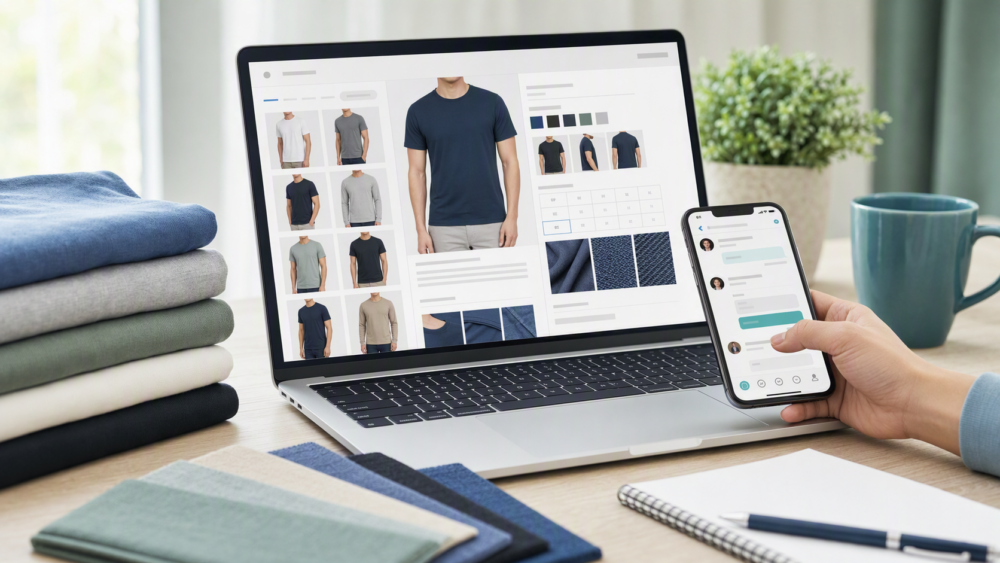
When buying fashion and apparel on DHgate, compare the exact selected size, fabric details, fit notes, photos, seller answers, shipping method, and final checkout total before deciding that a listing is good value. Use search results to find options, but confirm the chosen color or variant on the product page. If the measurements, material, or seller response remain unclear, keep comparing rather than relying on a polished photo or a low headline price.
What should you compare before buying fashion and apparel on DHgate?
Clothing is not one uniform product category. A basic tee, formal dress, jacket, activewear item, accessory, or small-batch resale purchase can require different checks. Start with the intended use: everyday wear, an event, a gift, a test order, or resale. Then compare the exact option you would buy, not just the first image or starting price.
Confirm the selected size, fit, and variant
Size labels alone are not enough. Two items marked “L” can have different chest, shoulder, waist, hip, length, sleeve, rise, or inseam measurements. Select the intended size and color first, then read the chart and compare it with a similar garment you already own. Check whether the listing describes the cut as relaxed, oversized, slim, or tailored; those terms are not interchangeable.
Read fabric, construction, and included details
Review the stated material composition, weight or thickness, stretch, lining, closure, print or embroidery, pockets, and any care notes. A product photo can suggest texture or structure, but it does not replace the description for the selected variant. For light-colored, fitted, or thin garments, check notes about lining, opacity, and stretch before checkout.
How should you assess listing photos, seller details, and reviews?
A strong listing makes the selected variation easy to verify. Look beyond the main image for front, back, close-up, color, and detail photos. The description, available options, and photos should describe the same product. Use reviews and buyer images for specific evidence about fit, fabric, color, packaging, or whether the item matched the listing—not as a guarantee for a different size or variation.
Use seller and review signals as evidence, not guarantees
Check recent review themes, listing-specific buyer photos, seller presentation, and whether direct questions receive clear answers. A seller score or a positive review can be helpful context, but it does not prove that every variation will fit or arrive the same way. For broader seller-screening checks, see our fashion and apparel listing-risk guide.
Ask focused questions before ordering
If a key detail is absent, ask one precise question through the listing or order tools: “Can you confirm the chest and length for this selected size?” or “Is this color lined and is the fabric stretchy?” Keep the answer with the order record. DHgate’s vendor-seller guidance is also a useful reminder to compare seller information before choosing a listing.
When do fashion purchases need extra caution?
| Situation | Confirm first | Do not assume |
|---|---|---|
| Similar photos but different prices | Selected size, fabric, included details, seller information, shipping method, and checkout total | That similar images represent the same version, quality, or total cost |
| Only S/M/L labels are shown | Actual garment measurements, measurement unit, cut, and seller answer | That the same label fits the same way across listings |
| Photos look polished or designer-inspired | Title, description, selected option, material details, and seller statements | That appearance alone proves authorization, authenticity, or identical quality |
| Light, fitted, or occasion clothing | Thickness, stretch, lining, opacity, measurement details, delivery estimate, and issue options | That every color, size, or shipment will perform the same way |
| You need an item by a deadline | Selected variant, dispatch information, shipping method, final cost, and a backup plan | That a low price or free-shipping label guarantees timely arrival |
Use search results to narrow options, not to confirm availability
Search results can help you find styles, categories, colors, and visible product options. They do not confirm current stock, the selected size, fabric quality, final shipping cost, or seller performance. Open the exact product page, select the intended variation, and compare the current details before payment. For a general shopping framework, DHgate’s guide to buying high-quality clothes from China online provides additional context.
What is a careful apparel buying workflow?
Compare like-for-like selections before checkout
- Search for the specific garment type and use the filters that matter for your use case.
- Open two or three comparable listings and select the same relevant size, color, and destination on each one.
- Compare measurements, fabric information, lining or stretch notes, product photos, seller details, reviews, shipping choices, and policy information.
- Ask the seller a focused question if a necessary measurement or material detail remains unclear.
- Confirm the final checkout total and delivery estimate before payment; see our shipping-cost and free-shipping guide for an order-level cost check.
- Save the listing, chart, seller messages, and order record; inspect the item promptly when it arrives.
Practical checklist for apparel buyers
- Compare the exact selected size and color, not only the first listed price or image.
- Check measurements, material composition, stretch, lining, thickness, and construction details.
- Review several product photos and recent review themes for fit, fabric, color, and listing-match evidence.
- Compare seller details, shipping method, delivery estimate, and final checkout total for your destination.
- Save screenshots of the listing, size chart, selected option, and seller messages before ordering.
FAQ
How do I compare two fashion listings?
Keep the selected size, color, and destination consistent, then compare actual measurements, material, construction details, seller information, shipping, and final checkout total. Do not compare only the first product photo or starting price.
Should I rely on S/M/L labels?
No. Use the listing’s actual measurements and compare them with a garment that fits you. If the chart or measurement unit is unclear, ask the seller before ordering.
What if the listing does not show enough fabric or fit detail?
Ask one focused question through the listing or order tools. If the response stays vague, compare another listing rather than filling in the missing detail yourself.
What should I do if the item arrives different from the listing?
Keep the order record, listing screenshots, selected option, packaging, clear photos, and seller messages. Review the support option shown for that order; our customer-service and order-issue guide explains a practical escalation path.
Next step
Open two or three matching listings, select the exact size and color you want, and compare their measurements, material notes, seller answers, shipping choices, and final checkout totals before placing an order.
Sources and further reading
- How to Buy High-Quality China Clothes Online — apparel-shopping context and product-detail checks.
- Is DHgate a Good Website for Clothing? — clothing-listing and seller-check considerations.
- How to Find the Best Vendor Sellers on DHgate — seller comparison and pre-purchase communication guidance.
- How to Find Real Designer Products — important limits around inferring authenticity or authorization from appearance.
Related reading
- How to Assess Listing and Seller Risk When Buying Fashion & Apparel on DHgate
- Buying Fashion & Apparel on DHgate: Sizing, Seller Checks and Shopping Tips
- How to Find Better DHgate Deals on Fashion & Apparel: A Buyer Checklist
- How to Manage DHgate Orders, Carts and Multiple Shipments
Important note: Listing availability, seller capability, prices, shipping options, customs obligations, and issue options can vary by selected variation, destination, and order status. Confirm the current product and checkout details before committing to a purchase.
Additional guidance: How to Find Better DHgate Deals on Fashion & Apparel: A Buyer Checklist
Quick answer: A good fashion or apparel deal on DHgate is not simply the listing with the lowest item price. It is a listing where the selected size, color, style, garment details, shipping terms, and final checkout total are clear enough for you to make an informed decision.
Clothing listings can look similar in search results while referring to different cuts, materials, colors, sizes, quantities, included items, and delivery options. Before you compare prices, make sure you are comparing the same type of garment and the exact variation you intend to order.
Prices, promotions, product details, shipping options, and checkout charges can change. Review the current product page and order summary before you pay.
What makes an apparel deal worth considering?
For personal purchases, gifts, sample orders, or small business sourcing, an apparel listing is generally easier to compare when you can answer these questions clearly:
- What exact garment, style, color, size, and quantity have I selected?
- Do the product photos, option labels, and written description match?
- Is there a useful size chart with measurements I can compare?
- Are the material, construction, and included items described clearly?
- Can I see the shipping charge, delivery information, and final checkout total for my destination?
A slightly higher item price may be the better choice when the garment details are clearer, the selected variation is easier to verify, and the final order terms fit your budget and timeline.
1. Define the exact item before comparing listings
Start with the garment you actually need rather than a broad fashion category. A search for “summer dress,” “hoodie,” “women’s jacket,” or “men’s shirt” can return items that look alike but differ in fabric, cut, length, included pieces, and intended use.
Write down the details that matter before you compare listings:
- Garment type, such as T-shirt, dress, jacket, trousers, activewear, or outerwear;
- Desired fit, including relaxed, standard, oversized, fitted, cropped, or longline;
- Color, pattern, sleeve length, neckline, and overall style;
- Material preferences, thickness, stretch, lining, or seasonal use;
- Whether you need one item, a matching set, a multipack, or an accessory included with the garment;
- Your intended use, such as everyday wear, a gift, an event, a sample order, or resale testing.
This makes it easier to compare like for like. Do not compare a lightweight fashion top with a lined shirt, or a one-piece listing with a listing that includes multiple garments, simply because the main photos look similar.
2. Check the selected variation, not just the main image
Many apparel listings contain multiple colors, sizes, designs, and product versions. The main image may not represent the option currently selected in the size or color menu.
Before adding an item to your cart, check:
- The selected size, color, style, and quantity;
- Whether the selected option matches the relevant product photos;
- Whether the listing is for one garment, a two-piece set, a multipack, or an accessory only;
- Whether belts, bags, jewelry, inner layers, or shoes shown in styled photos are included or used only for presentation;
- Whether the product description identifies a different fabric, cut, or detail for the selected version.
If an option label is vague or the photos do not clearly match your selection, compare another listing or ask a direct question before ordering.
3. Use the size chart as your main fit check
Do not assume that your usual size label will fit the same way across different apparel listings. Sizing can vary by cut, material, seller, and the way measurements are taken.
A practical size-check process is:
- Measure a garment you already own that fits the way you want.
- Compare its chest, waist, hip, shoulder, sleeve, inseam, or length measurements with the current listing’s size chart.
- Check whether the chart refers to garment measurements or suggested body measurements.
- Consider whether you want a close fit, room for layering, or an oversized style.
- Ask for clarification if the chart is missing, unclear, or inconsistent with the listing photos.
For gifts, compare a garment the recipient already likes rather than relying on a standard size label alone.
4. Read the fabric and garment-detail information carefully
Fabric and construction can affect how a garment feels, fits, washes, and works for your intended use. A useful listing should give you enough information to understand the item beyond its styled photos.
Fabric and comfort checks
- Look for the stated material or fabric blend.
- Check whether the garment is described as lightweight, lined, stretchy, textured, sheer, brushed, knit, woven, or mesh-style.
- Review close-up photos for texture, seams, cuffs, collars, hems, and lining where available.
- Check care information if washing, shrinking, color transfer, or maintenance would affect your decision.
- Ask a specific question if thickness, stretch, opacity, or lining matters to you.
Style and construction checks
- Compare sleeve length, neckline, hem length, waist shape, pockets, closures, and trim with the description.
- Check whether buttons, zippers, drawstrings, belts, or embellishments are included.
- Look for photos of the front, back, side, and close-up details where those features affect the style.
- Be cautious when the written description is very limited but the listing relies heavily on edited or styled images.
5. Use seller information and buyer feedback as context
Seller information, buyer comments, and buyer photos can help you decide what to investigate next. They should not replace a clear size chart, a readable description, or a review of the current order terms.
When visible on the listing or seller page, look for:
- Seller information and relevant recent buyer feedback;
- Comments about fit, material feel, color accuracy, seams, packaging, and delivery experience;
- Buyer photos that appear to show the same or a closely comparable variation;
- Patterns in feedback rather than one isolated positive or negative comment;
- Whether a seller response clearly answers a decision-critical question.
Buyer photos and reviews can add useful context, but they do not guarantee that a future order will be identical. Use them alongside the current listing and the exact option in your cart.
6. Compare the final order cost, not only the item price
The item price shown in search results is only one part of the purchase. Before paying, compare current cart and checkout information for the exact garment, selected option, quantity, and delivery destination.
- Item price for the selected size, color, style, and quantity;
- Shipping method, shipping charge, and delivery information shown for your destination;
- Whether a coupon, sale, free-shipping offer, or quantity discount actually applies to your order;
- Any tax, import, duty, or other order information shown before payment;
- Any return, cancellation, dispute, or after-sale information relevant to the listing;
- The final total and delivery timing that fit your budget and needs.
A lower headline price does not automatically mean a lower overall cost. Compare the same selected item and delivery option across several listings before deciding which offer gives you the clearest value.
7. Take extra care with branded, licensed, or authenticity-sensitive apparel
A product title, logo, brand name, photo, or seller statement does not by itself prove that an item is officially licensed or authentic. If official licensing, authenticity, collectible value, or a particular brand standard is essential to your purchase, use an authorized retailer or verify through the relevant brand, rights holder, or official channel before ordering.
The same caution applies when a purchase depends on claims about protective performance, specialized sports use, children’s safety, medical use, or certified materials. Review the current listing carefully and do not treat a general description as independent proof of a claim that matters to you.
When to pause before ordering
Consider waiting or comparing another listing when an important detail remains unclear. Common reasons to pause include:
- The selected size, color, style, or quantity is not clearly identified;
- The size chart is missing, vague, or inconsistent with the product photos;
- The photos and description appear to show different garments or details;
- The material, lining, stretch, or included items are important but not described clearly;
- A promotion does not apply in your cart as expected;
- Shipping charges, delivery information, or the final checkout total do not fit your needs;
- You need official licensing or authenticity but cannot independently verify it;
- A seller response does not answer a question that would change your decision.
Choosing a clearer listing is usually more useful than accepting an important uncertainty because the headline price looks low.
Final checklist for comparing fashion and apparel deals
- Define the exact garment, fit, color, material, and intended use.
- Open at least three closely comparable listings when possible.
- Confirm the selected variation matches the photos and description.
- Compare the size chart with a garment that fits you well.
- Check fabric, construction, lining, closures, and included items.
- Review visible seller information and relevant buyer feedback in context.
- Verify shipping, delivery information, promotion eligibility, and the checkout total.
- Ask a direct question if a missing detail would affect whether you keep or use the item.
- Save the listing, selected variation, key messages, and order summary before paying.
FAQ
How can I find better apparel deals on DHgate?
Start by defining the exact garment you need, then compare several listings using the same criteria: selected variation, measurements, material, garment details, seller information, shipping terms, and final checkout total. The best choice is not always the listing with the lowest item price.
Should I rely on my usual clothing size?
No. Compare the listing’s measurements with a garment you already own and like. Check whether the size chart lists garment measurements or recommended body measurements, and consider whether you want room for layering or a closer fit.
What should I do if photos and the product description do not match?
Pause before ordering. Check whether the difference relates to the selected option, then ask a specific question or compare another listing with clearer information.
Are buyer reviews and photos enough to confirm quality?
No. They can provide useful context about fit, finish, color, packaging, or delivery, but they do not guarantee that your selected item will be identical. Review them alongside the current product page and selected variation.
Can I trust a coupon or free-shipping label?
Treat it as something to verify. Confirm that the offer applies to your selected size, color, quantity, account, destination, and current checkout before relying on the displayed saving.
Can a fashion listing prove that an item is officially licensed or authentic?
No. A title, logo, product photo, or seller statement alone is not independent proof of official licensing or authenticity. If this is essential to your purchase, use an authorized retailer or verify through official channels before ordering.
Next step
Choose one apparel item you need, then open three similar listings. Compare the selected variation, measurements, fabric details, shipping terms, and checkout total before deciding which option leaves you with the fewest unanswered questions.
Further reading
- How To Find the Best Vendor Sellers List on DHgate
- Where To Buy Wholesale Clothes in China
- 17 Top Websites for Shopping Clothes Online
- What Is a Marketplace Platform, and Where DHgate Fits
- Which Wholesale Platforms Fit Dropshipping Best? DHgate Compared With Other Options
Important note: Product availability, colors, sizing, materials, seller information, prices, promotions, shipping options, delivery estimates, and after-sale terms can change. Review the current product page and checkout information before placing an order.
Additional guidance: How to Assess Listing and Seller Risk When Buying Fashion & Apparel on DHgate
Quick answer: Before buying fashion or apparel on DHgate, check the exact variation you selected, the size chart, fabric and construction details, seller information, recent item-specific reviews, and the current checkout terms. Keep important questions, payment, and order records within the platform. A low price, polished product photo, or high overall rating is not enough when the selected item or key listing details are unclear.
Fashion listings can look similar in search results while referring to different cuts, materials, colors, sizes, quantities, included pieces, and delivery options. The practical goal is not to predict a perfect outcome. It is to choose a listing with enough clear, consistent information for you to compare it with alternatives and make an informed decision.
Important: A product title, logo, photo, seller statement, metal or fabric label, or buyer review does not independently prove official licensing, authenticity, brand status, material content, or long-term durability. If verified authenticity, official authorization, a particular material standard, or collectible value is essential to your purchase, use an authorized retailer or independently verify the claim before ordering.
Start by confirming the exact apparel item you want
Before assessing a seller, make sure you know what you are comparing. A search for a dress, shirt, jacket, hoodie, trousers, activewear set, or fashion accessory can return listings that look alike but differ in fit, fabric, package contents, and intended use.
Write down the details that would change your decision:
- Garment type and intended use, such as everyday wear, gift, event, travel, sample order, or resale test;
- Selected color, size, style, quantity, and whether you need one item or a matching set;
- Preferred fit, such as relaxed, standard, oversized, fitted, cropped, or longline;
- Material preferences, lining, stretch, thickness, coverage, or seasonal use;
- Delivery deadline and the total amount you are comfortable paying.
Start with listings that describe the same type of garment and selected option. Comparing a one-piece outfit with a top-only listing, or a lightweight fashion shirt with a lined jacket, does not give you a useful price comparison.
1. Check the selected variation, not only the main product image
Many fashion listings contain multiple sizes, colors, cuts, fabrics, sets, and package options. The main product image may show a different variation from the one currently selected in the option menu.
- Confirm the selected size, color, style, quantity, and package option.
- Check whether the listing is for one garment, a two-piece set, a multipack, an accessory, or an inner layer only.
- Make sure the selected option matches the relevant photos and written description.
- Check whether belts, bags, jewelry, shoes, outerwear, or other styled items are included or used only for presentation.
- Pause if option labels such as “style A,” “set 2,” “random color,” or “version 3” are not explained clearly.
If the selected variation is unclear, compare another listing or ask a focused question before adding the item to your cart.
2. Treat the size chart and garment details as key evidence
For apparel, a clear size chart and a usable description are usually more helpful than a standard S, M, or L label. Sizing can vary by cut, fabric, seller, and the way measurements are taken.
Before ordering, check:
- Whether the chart lists garment measurements, body recommendations, or neither;
- Relevant measurements such as chest, waist, hips, shoulder width, sleeve length, inseam, and garment length;
- Whether the selected size and variation are covered by the same chart shown on the listing;
- Whether you need room for layering, a closer fit, or an intentionally oversized fit;
- Whether the listing states material, stretch, lining, transparency, care information, or other details that affect fit and use.
A practical check is to compare the listing’s measurements with a garment you already own and like. For a broader apparel-purchase workflow, see Buying Fashion & Apparel on DHgate: Sizing, Seller Checks and Shopping Tips.
3. Look for consistency between photos, description, and selected option
A polished image can help you understand the style, but it is not enough on its own. Look for consistency between the selected variation, product photos, size chart, written details, and any information a seller provides in messages.
Photos and presentation details
- Look for front, back, side, close-up, and detail photos where available.
- Check seams, collars, cuffs, hems, buttons, zippers, pockets, waist details, and closures if they matter to your decision.
- Review whether photos show the same color, cut, sleeve length, pattern, and accessories as your selected option.
- Do not assume every item in a styled photo is included in the order.
Fabric and construction details
- Look for the stated material or fabric blend.
- Check whether lining, stretch, knit or woven construction, texture, thickness, or care instructions are described.
- Be cautious when the description is very limited but the listing relies heavily on edited or styled images.
- Ask a direct question if fabric thickness, opacity, stretch, lining, or garment length would change your decision.
A clear listing does not guarantee a specific result, but it gives you a stronger basis for comparing options than broad marketing language alone.
4. Review seller information and buyer feedback in context
Seller information, reviews, and buyer photos can help you identify what to check further. They should not replace a clear product description, usable measurements, or a review of the current order terms.
- Look for seller information visible on the product page or seller profile.
- Give more weight to recent reviews that discuss a similar garment or closely comparable variation.
- Look for comments about fit, fabric feel, stitching, color accuracy, package contents, and delivery experience.
- Check whether buyer photos appear to show the same or a closely comparable variation.
- Look for patterns across several reviews rather than relying on one unusually positive or negative comment.
A high overall rating can be useful context, but it is not a complete answer. For a more detailed seller-review process, read How to Find Trusted Sellers on DHgate: A Practical Buyer Checklist.
5. Ask one specific question when a detail matters
A focused question is more useful than a general request for reassurance. Ask about the exact size, color, style, or package option you intend to order.
Examples:
- “Can you confirm the chest width and garment length for the selected black size M?”
- “Does the selected blue option include both the top and the trousers shown in the photos?”
- “Is the selected dress lined, and is the belt shown in the product images included?”
- “Can you confirm whether the selected fabric has noticeable stretch?”
- “Does the selected jacket have the same zipper and pocket details shown in the close-up images?”
Keep important messages within the platform’s order flow. If a seller does not clearly answer a question that would change your decision, compare another listing rather than filling in missing information with an assumption.
6. Check the final order terms before payment
The item price in a search result is only one part of the purchase. Before paying, review the current cart and checkout information for the exact selected item, quantity, and delivery destination.
- Item price for the selected size, color, style, and quantity;
- Shipping method, shipping charge, and delivery information shown for your destination;
- Whether a coupon, sale, free-shipping offer, or quantity discount actually applies to the current order;
- Any tax, import, duty, or other order information displayed before payment;
- Any cancellation, return, dispute, or after-sale information shown for the current order;
- The final total and estimated delivery timing that fit your budget and plans.
A lower headline price does not necessarily mean a lower or better overall order. For a price-focused comparison process, see How to Find Better DHgate Deals on Fashion & Apparel: A Buyer Checklist.
7. Save a clear order record
Save the information that explains what you selected and what the order showed at the time of purchase. This is especially useful when the garment’s fit, fabric, selected variation, package contents, or delivery timing matter to your decision.
- The product page and selected variation;
- Key product photos, measurements, and material details;
- Seller replies to important questions;
- Shipping method and order summary;
- Any promotion terms that affected the final price;
- After delivery, photos of the received item and packaging if you need to compare them with the order details.
If an order issue arises, use the current options and terms shown in the relevant order page. Keep the listing details, messages, order summary, and photos together so you can accurately describe the difference between what was shown and what you received.
Take extra care with branded, licensed, or authenticity-sensitive fashion
A product title, logo, photo, seller statement, or buyer review alone is not independent proof that an item is officially licensed, authentic, made from a particular material, or connected to a specific brand. This matters especially for designer-branded, logo-bearing, luxury, collectible, or material-sensitive apparel and accessories.
If verified authenticity, official authorization, brand provenance, or a specific material standard is essential to your purchase, use an authorized retailer or independently verify through the relevant brand or rights holder before ordering. For a broader guide, read How to Safely Buy Authentic Designer Goods Online.
When to pause before ordering
Consider waiting or comparing another listing when an important part of the purchase remains unclear.
- The selected size, color, style, quantity, or package option does not clearly match the photos and description.
- The size chart is missing, vague, or unclear about whether it lists garment or body measurements.
- Material, lining, stretch, thickness, transparency, or included pieces are important but not described clearly.
- The photos show multiple garments or accessories, but the package contents are not confirmed.
- A seller response does not answer a decision-critical question.
- A coupon or free-shipping offer does not apply in your cart as expected.
- Shipping charges, delivery information, or the final checkout total do not fit your needs.
- You need verified authenticity, licensing, or a specific material standard that cannot be independently confirmed from the available information.
A low item price does not resolve an important uncertainty about fit, fabric, package contents, delivery timing, or the selected item you may receive.
Final checklist before buying fashion or apparel
- Define the exact garment, intended use, fit, color, material, and quantity you need.
- Open at least three closely comparable listings when possible.
- Confirm that the selected variation matches the relevant photos and written description.
- Compare the size chart with a garment that fits you well.
- Check fabric, lining, stretch, closures, construction details, and included items.
- Review visible seller information and relevant buyer feedback in context.
- Ask a specific question if a missing detail would affect your decision.
- Verify shipping, delivery information, promotion eligibility, and the final checkout total.
- Save the listing, selected variation, key messages, and order summary before paying.
FAQ
How much should I rely on a seller’s overall rating?
Use it as one signal, not a complete answer. Review visible seller information alongside recent item-specific feedback, buyer photos, the current listing details, and how clearly the seller answers an important question.
What is the most important detail to check in a fashion listing?
The exact selected variation and its measurements are usually the most important. Confirm the selected color, size, style, package contents, size chart, and material details before comparing prices.
Should I message the seller before ordering apparel?
Message the seller when a missing detail would change your decision. Ask a specific question about the selected size, fabric, lining, measurements, set contents, or other decision-critical detail.
Are buyer photos and reviews enough to confirm fit or quality?
No. They can provide useful context about fit, color, material feel, stitching, packaging, or delivery. They do not guarantee that your selected variation will fit, feel, or look the same. Review them alongside the current listing and selected option.
What should I save before checkout?
Save the product page, selected variation, size chart, key product images, material details, seller messages, shipping method, and order summary. These records make it easier to refer back to the terms shown at the time of purchase.
What should I do if the item I receive differs from the listing?
Keep the listing details, order summary, seller messages, and clear photos of the received item and packaging. Then review the current options and terms shown in the relevant order page to determine the appropriate next step.
Next step
Choose one fashion item you are considering, then open at least three similar listings on DHgate. Compare the selected variation, measurements, fabric details, seller signals, shipping terms, and final total before deciding which option leaves you with the fewest unanswered questions.
Further reading
- Buying Fashion & Apparel on DHgate: Sizing, Seller Checks and Shopping Tips
- How to Find Better DHgate Deals on Fashion & Apparel: A Buyer Checklist
- How to Find Trusted Sellers on DHgate: A Practical Buyer Checklist
- How to Assess Listing and Seller Risk on DHgate Before You Buy
- How to Safely Buy Authentic Designer Goods Online
- How To Easily Find Good Sellers On DHgate
- How To Find Real Designer Products
Important note: Product details, seller information, prices, promotions, shipping methods, delivery estimates, and after-sale terms can change. Review the current product page and checkout information before placing an order.