

For most DHgate shoppers, the real choice is between traditional earmuffs that prioritize simple, reliable warmth at a lower price and Bluetooth ear warmers that trade extra bulk, cost, and electronics for built‑in audio and controls. If you mainly need soft, insulating ear coverage for short trips, traditional earmuffs usually make more sense; if you spend long periods outside and constantly listen to music or calls, Bluetooth ear warmers can be worth the trade‑offs as long as you verify clear specs, trustworthy seller ratings, shipping, and refund terms before you pay.
Bluetooth ear warmers vs traditional earmuffs: core trade-offs
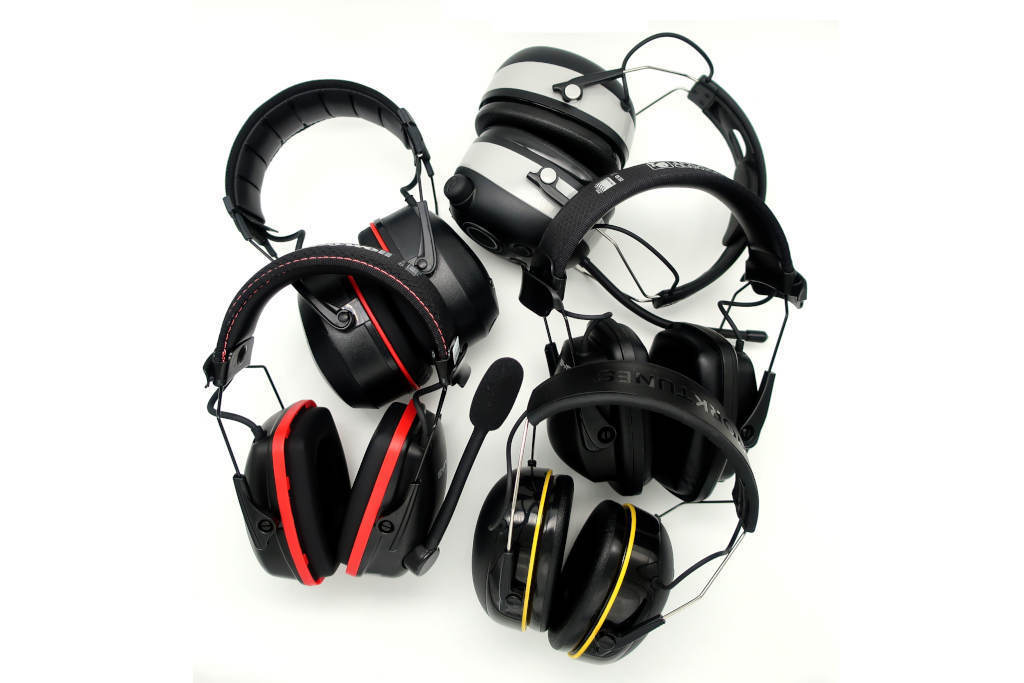
Bluetooth ear warmers with built‑in controls sit alongside traditional padded earmuffs, contrasting warmth‑plus‑audio accessories with designs focused on insulation alone.
On DHgate, Bluetooth ear warmers are winter accessories that cover your ears while also acting as simple Bluetooth headphones, with built‑in speakers, a small control module, and a rechargeable battery. Traditional earmuffs are non‑electronic ear covers whose only job is to keep your ears warm, using fabric, faux fur, or foam padding and a basic headband or behind‑the‑head band.
Because they are simpler, traditional earmuffs are typically lighter, cheaper, and have fewer things that can fail beyond the fabric or band wearing out over time. Bluetooth ear warmers usually cost more and feel bulkier, and they add extra failure points: batteries that need charging, electronics that can react badly to cold or moisture, and possible pairing frustrations with your phone. Listings on DHgate vary, but these patterns show up across many styles.
I care most about reliable, comfortable warmth first and see Bluetooth audio as a bonus. For short winter walks, quick commutes, or when my budget is tight, I would generally choose traditional earmuffs and focus on soft materials and a secure fit. If I were outside for long stretches and listened to music or calls the whole time, I would be willing to accept the extra bulk, higher prices, and battery management of Bluetooth ear warmers, while still checking DHgate seller ratings, shipping times, and refund policies before ordering.
Key specs to compare for Bluetooth ear warmers vs traditional earmuffs
| Spec category | Bluetooth ear warmers | Traditional earmuffs |
|---|---|---|
| Bluetooth version | Listed as versions like 5.0 or 5.3; mainly indicates modern phone compatibility and potential for more stable connections. | No Bluetooth, so no version to check; focus instead on how they fit around any separate earbuds or headphones you plan to wear. |
| Battery life vs insulation | Battery life is stated in hours of play or standby; expect real runtime to drop in cold weather and look for realistic, not exaggerated, numbers. | Insulation is described with materials such as fleece, faux fur, or thick foam; thicker, denser padding tends to feel warmer but may add bulk. |
| Charging port type | Uses a charging port such as micro‑USB or USB‑C; USB‑C is generally more convenient because it matches many modern phone cables. | No charging port or electronics; warmth does not depend on charging, so long‑term use is mainly about fabric quality and stitching. |
| Controls and usability | Buttons or a small control panel sit on the band or ear pad; layout affects how easy it is to adjust volume or calls while wearing gloves. | Adjustability details—over‑the‑head vs behind‑the‑head, fixed or size‑adjustable band—determine how securely and comfortably they stay in place. |
| Audio specs vs noise ratings | May list simple audio specs like speaker power or frequency range; treat these as rough indicators, not guarantees of sound quality. | Some models marketed for protection show a noise reduction rating (NRR/SNR); many fashion earmuffs have no such rating and should be seen as warmth‑only. |
| Style, folding, and storage | Electronic modules can limit how much the band folds; check whether the listing shows how they pack into bags or pockets. | Foldable bands and compact designs make traditional earmuffs easier to store; style details (ear‑cover size, trim) affect both look and practical coverage. |
When you compare Bluetooth ear warmers on DHgate, treat Bluetooth version labels mainly as a compatibility and stability signal: versions like 5.0 or 5.3 usually work with modern phones, but they do not guarantee premium sound. Battery life claims in hours are useful, yet lithium‑ion batteries lose capacity in low temperatures, so actual winter runtime can be noticeably shorter than the marketing number.
Charging ports matter for everyday convenience. A USB‑C port can share cables with many phones and laptops, while micro‑USB may require an older spare cable. Control buttons placed on the side of the band or ear pads can be easy or awkward to find with gloves on, so product photos and descriptions of button layout are worth a close look.
For traditional earmuffs, focus on named materials and insulation details—fleece, faux fur, dense foam, or multi‑layer designs—and on how adjustable the band is for your head size and hairstyle. Only treat a product as hearing protection if it clearly lists a verifiable noise reduction rating. Across both categories, give more weight to concrete numbers and specific material names than to vague phrases like “high‑end sound” or “super warm,” which are marketing language rather than proof.
Materials, build, and comfort differences
In terms of how these accessories actually feel, the biggest difference is that Bluetooth ear warmers pack electronics into the same space that keeps your ears warm. Many use knit or fleece shells with soft linings and foam padding, then tuck flat speakers, wiring channels, and a small battery or control housing into the band or ear covers. That extra hardware can add thickness or stiffness in certain spots, so areas around your ears or temples may feel bulkier than purely fabric designs.
Because the speakers and modules are firmer than fleece or faux fur, they can create localized pressure points if the band is tight or the hard parts sit directly against cartilage or glasses arms. These components also introduce more seams and cutouts, which are typically more vulnerable to wear if the band is bent repeatedly or exposed to moisture. On DHgate, it’s worth zooming in on close-up photos to see how neatly stitching is finished around any electronic parts and whether the padding looks thick enough to cushion them.
Traditional earmuffs stay simpler: they usually combine faux fur, fleece, wool blends, or fabric-wrapped foam cushions with plastic or metal headbands. Pressure is distributed mainly by the band and the size of the ear cups. Some designs feel loose and barely clamp—comfortable but easier to slip out of place—while firmer designs press more for better insulation and wind blocking, which can feel secure or too tight depending on your head size and hairstyle.
Style also affects comfort. Over-the-head bands sit like basic headphones and may interfere with some hats; behind-the-head designs leave the top of your head free and can work better under hoods but sometimes conflict with high collars or certain hairstyles; beanie-style ear warmers wrap around the head like a wide band, which can be friendlier to glasses but may trap more heat. I personally care more about soft-touch fabrics and a moderate, even clamping force that stays comfortable over time than about squeezing extra electronics into that space. If I were using audio continuously outdoors, I would accept slightly thicker or heavier ear coverage to gain stable integrated speakers, but for most DHgate shoppers it’s sensible to prioritize smooth padding, even pressure, and tidy stitching over features you might rarely use.
When you compare listings on DHgate, pay close attention to material descriptions, fabric close-ups, and any photos that show the inside of the ear pads or band. Look for padding that fully covers hard modules, stitching that looks straight and secure, and clear notes on size or adjustability so you can avoid earmuffs that seem overly tight or too loose for your head shape and everyday hairstyles.
Device compatibility and everyday use scenarios
Bluetooth ear warmers behave like simple Bluetooth headphones built into your ear covers. They need to pair with a compatible phone, tablet, or other Bluetooth source, typically using standard audio and call profiles such as A2DP for music and HFP/HSP for calls. In practice, you start playback or answer calls from your phone, then use buttons on the ear warmers for volume, track skips, or basic call control. In cold weather, especially with gloves on, those small buttons can be harder to find and press, so DHgate photos showing button size and placement matter for usability.
Compatibility issues usually show up at the edges: very old devices may use outdated Bluetooth versions, while some very new devices implement features that simpler ear warmers do not support. Pairing can also get less predictable if multiple phones, tablets, or laptops are trying to connect to the same ear warmers. Since you cannot test a DHgate listing directly before buying, check that the description mentions support for modern Bluetooth versions and treat any pairing or drop-out complaints in reviews as a warning sign.
- Short commutes and occasional audio: If you only listen to music or podcasts briefly while walking or riding public transport, traditional earmuffs plus separate earbuds or lightweight headphones are often simpler and cheaper. You keep your warmth and audio gear independent, and if the earbuds fail, you replace them without losing your winter coverage.
- Long outdoor sessions or work with few breaks: For extended time outside—like outdoor jobs, hiking, or long winter walks—Bluetooth ear warmers can be more convenient because you have fewer loose wires and only one item to put on. The trade-off is managing charging and pairing, and accepting the extra complexity of built-in electronics.
- Personal priority: I would only choose integrated Bluetooth ear warmers if I regularly listen to audio outdoors long enough that battery management and pairing feel worthwhile. If my main goal were warmth and occasional listening, I would keep my earmuffs and headphones separate so each can be chosen, adjusted, or replaced independently.
Noise isolation, hearing protection, and safety limits
Practical downsides of Bluetooth ear warmers vs simple earmuffs
Adding Bluetooth electronics to ear warmers introduces extra ways things can go wrong compared with simple earmuffs. Batteries can run down in the middle of a commute, battery performance often drops in very cold weather, charging ports or cables may fail, and small buttons can become unresponsive or hard to use with gloves. Pairing can also be frustrating when devices drop the connection or different phones, tablets, or laptops compete to connect to the same ear warmers.
Moisture is another practical risk. Snow, rain, and sweat can reach speakers, wiring, or the battery housing if they are not well sealed, potentially causing intermittent audio issues or shortening the product’s lifespan. On a marketplace like DHgate, where build quality varies, it is especially important to read descriptions and buyer feedback for clues about how well the electronics are protected and how they hold up over time.
Traditional, non‑electronic earmuffs are simpler. Their typical wear and tear shows up as fabric pilling, padding that compresses and feels thinner, headbands that bend or break, or stitching that loosens. Those problems are annoying but straightforward: you either keep using them for warmth or replace them when they become uncomfortable or too worn, without worrying about charging or connectivity.
Personally, I avoid relying on complex Bluetooth ear warmers if I only listen to audio outdoors occasionally, because managing batteries, charging cables, and potential pairing glitches feels like more friction than it is worth. If someone spends long hours outside and wants integrated audio with fewer separate devices, that convenience can justify the extra risk and cost—but only if they take time on DHgate to compare specs carefully, check reviews for failure complaints, and look closely at seller ratings before betting on electronics‑heavy winter gear.
DHgate buyer checklist for Bluetooth ear warmers and traditional earmuffs
- For Bluetooth ear warmers, match the listing to your needs: check the stated Bluetooth version, advertised battery life, charging port type (USB‑C, micro‑USB, etc.), and where the control buttons sit on the band or ear covers. Use DHgate photos to confirm that the buttons and port are actually present and look usable with cold hands or gloves.
- Scan the description for compatibility notes with common phone platforms (such as iOS and Android) and read buyer reviews for specific comments on pairing reliability, dropouts, and whether real battery runtime feels close to the hours claimed in the listing.
- For both Bluetooth ear warmers and traditional earmuffs, read the material section carefully: look for clear mentions of fleece, faux fur, wool, knit fabrics, and lining details, and judge insulation thickness from photos. Make sure size, headband style, or adjustability information matches your head size, hairstyle, and whether you plan to wear them with hats or glasses.
- Check seller reliability on DHgate before trusting any spec: look at overall ratings, the number of completed orders, and review patterns that mention build quality and whether the product matches the description and photos. Multiple photo reviews that show the actual earmuffs are more reassuring than a few short star ratings.
- Confirm estimated shipping times and available shipping options so you know roughly when the ear warmers will arrive and whether it is worth paying for faster or tracked shipping, especially if you need them for a specific trip or season.
- Read the return, refund, and dispute information tied to the listing and seller. Make sure you understand how to open a dispute on DHgate if the item arrives defective, does not pair properly, or feels much thinner or cheaper than the description suggested.
- Personally, I would never skip these checks for electronics‑heavy Bluetooth ear warmers, because extra complexity makes a reliable seller and clear policies more important. For simple traditional earmuffs, I might care a bit less about detailed spec language, but I still want clear photos, honest materials descriptions, and decent seller ratings before ordering on DHgate.
Judging listing quality and evidence on DHgate
On DHgate, the most useful listing information for ear warmers and earmuffs is the objective detail, not the slogans. Material types, Bluetooth versions, stated battery hours, and headband styles tell you far more than lines of marketing copy, because they describe what you actually get and how it should behave in winter use.
I trust listings more when they include clear, close‑up photos that show fabric texture, stitching quality, padding thickness, and where speakers, wiring, and control modules sit in Bluetooth ear warmers. Consistent specs across color variants or sizes, and buyer reviews with photos plus specific comments about comfort, warmth, battery life, pairing reliability, or build quality, all suggest the seller has described the product carefully. In contrast, phrases like “super high fidelity”, “extreme warmth”, “premium comfort”, or “noise cancelling” without any numbers, standards, or explanations are advertising, not proof, and I stay cautious about bold claims that are not backed by concrete details—especially for electronics‑heavy ear warmers. Use this lens on DHgate: you are not just checking items off a checklist, you are judging the quality of the information itself before you trust a listing.
FAQs: cleaning, care, and combining with other audio gear
Can Bluetooth ear warmers be washed?
It depends on the design. Some Bluetooth ear warmers are built so the electronic modules and speakers can be removed, leaving a fabric cover or band that can be hand‑washed according to its care label. Others have electronics permanently sewn in and are only meant to be gently spot cleaned on the surface. Because water and detergents can damage batteries, speakers, and wiring, you should never submerge electronic parts or assume machine washing is safe. On DHgate, check each listing for specific care instructions and photos that show whether modules are removable. I would personally favor designs that clearly state the electronics can be taken out before washing, so routine cleaning feels less risky.
Are traditional earmuffs easier to clean than Bluetooth ear warmers?
Traditional fabric‑only earmuffs are often simpler to clean, but it still depends on the materials. Many fleece or knit styles can be spot cleaned or gently hand washed if the care instructions allow, then air dried. Faux fur, suede‑like finishes, and decorative trims usually need more delicate handling and may only be suitable for light surface cleaning. Unlike Bluetooth ear warmers, you do not have to worry about batteries or wiring, but you can still damage fabrics if you ignore the care label. On DHgate, look for listings that mention fabric types and any recommended cleaning method, and treat vague claims like “easy to wash” without details as marketing rather than proof.
Can I wear traditional earmuffs with separate earbuds or headphones?
In many cases, yes, but comfort and sound will depend on the exact earmuff and audio gear. Slim in‑ear earbuds tend to fit under most earmuffs more easily, though the extra pressure and insulation can change how secure they feel and may slightly alter sound. On‑ear or over‑ear headphones add more bulk, so they usually require looser or more flexible earmuffs and can feel tight or heavy if everything presses against your ears at once. If you plan to layer audio gear, check DHgate photos for ear cup size, band style, and how much space there is around the ears, and look for reviews where buyers mention using earbuds or headphones underneath. I would test layering with simple earbuds first rather than committing to stacking larger headphones under snug earmuffs for long periods.