
If you want the best Mazda accessories, the goal isn’t just finding the flashiest add‑on—it’s choosing pieces that fit your exact Mazda, use sensible materials and come from transparent, reliable sellers, especially on marketplaces like DHgate. The sections ahead cover the main accessory families and explain how to judge what’s worth buying, so you can improve protection, storage, comfort or style without wasting money on ill‑fitting or flimsy parts.
Major Mazda accessory categories and what “best” means for each
Mazda accessories cluster into a few practical families. Interior protection covers items like all-weather floor mats, carpet mats, cargo trays, seat covers and door sill guards. Cargo and roof storage includes trunk organizers, cargo nets, roof racks and crossbars, plus bike or box carriers sized for CX-series SUVs. Comfort and tech add‑ons span phone mounts and chargers, dash cams, sunshades and small convenience gadgets. Visual customization covers body and interior pieces such as vinyl wraps, paint protection film, tint, pillar covers, wheel accents and decorative interior trims. Finally, small everyday accessories include key‑fob covers, organizers for the console or glovebox, and little storage or trash containers that make daily driving easier.
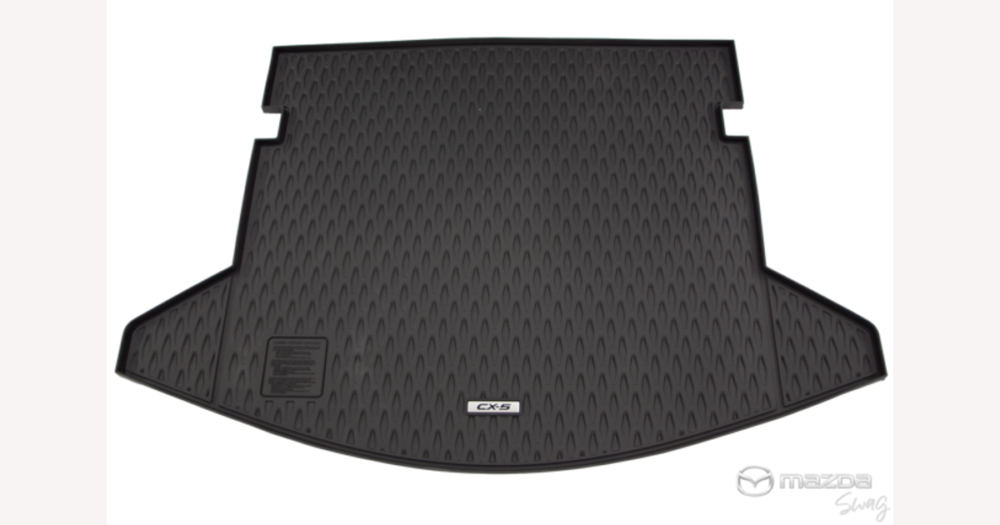
For anything functional, the “best” accessory for a Mazda is the one that actually matches your car’s shape and mounting points, works reliably and uses materials suited to your climate and habits. A CX‑5 cargo tray that’s molded for the correct floor, or a Mazda3 roof rack with load ratings and hardware that match the rails, will usually beat a generic option even if it looks plainer. I care much more about tight, factory‑like fit and solid rubber, plastic or metal than about the lowest price or flashiest pattern, especially for protection pieces like mats, trays, racks and protection film.
Where I’m more relaxed is purely visual or low‑stakes accessories. If a decorative dashboard trim, key‑fob cover or ambient light strip is slightly off in shade or needs a bit of tweaking, it’s usually a minor annoyance rather than a safety issue. On DHgate or similar marketplaces, that distinction matters: be strict about Mazda‑specific fitment, materials and secure mounting for anything that carries weight, protects the car or affects driving, and reserve your experimentation for cosmetic touches you can easily remove or replace if they don’t turn out as expected.
Checking Mazda-specific compatibility before you buy
- Write down your exact Mazda details before you even open a marketplace tab: model (for example CX‑5, CX‑50, Mazda3, CX‑30, MX‑5), model year, body style (sedan, hatchback, SUV), drivetrain if it matters (FWD, AWD) and any key trim or package names. Keep this note beside you while you browse.
- Only consider listings that clearly call out your model and year, or show a precise fitment chart or model code list for shaped items like floor mats, cargo trays, roof racks, precut wraps, tint kits and paint protection film. If the text or images suggest a different Mazda body shape than yours, assume it will not fit cleanly.
- When the listing provides dimensions, load ratings or coverage notes, cross‑check them against trustworthy information about your Mazda—such as approximate cargo floor size, roof rail spacing, wheel diameter and width, or glass area for tint—so you can catch anything obviously too short, too narrow or overloaded before you order.
- Treat vague promises like “fits most cars”, “universal Mazda” or “one size fits all” as red flags for any accessory that relies on exact shapes or mounting points. I would only make an exception for flexible, non‑shaped items such as generic trash bins, simple fabric storage cubes or loose organizers that don’t need to follow the car’s contours.
Materials and build quality: what to look for in common Mazda accessories
Once you know an accessory will physically fit your Mazda, the next question is whether the materials and construction are good enough for the way you drive. For floor and cargo mats, all‑weather rubber or hybrid mats with raised edges usually give the most practical protection: thicker rubber and higher sidewalls trap mud, snow and spilled drinks instead of letting them soak into the carpet or roll under the seats. Plush carpet mats can look closer to factory and feel nicer underfoot, but they tend to hold moisture, show wear sooner in high‑traffic spots and take more effort to clean if you track in grit or salt.
Roof racks and carriers put more stress on the car, so material and specification detail matter even more. Steel and aluminum constructions with corrosion‑resistant coatings, clear load ratings and well‑described mounting hardware generally inspire more confidence than lighter plastic components and vague descriptions. When an accessory spells out maximum weight, how it clamps to Mazda’s rails or door frames, and what finish protects it from rust, you can judge whether it’s appropriate for bikes, boxes or boards; when it just says “universal” with no numbers, I’d treat that as a bad match for anything you rely on at highway speeds.
Seat covers change both protection and comfort. Leather and synthetic leather (often called PU or faux leather) are relatively easy to wipe clean and can look upscale, but cheaper versions may crack or feel sticky in hot weather. Cloth covers tend to breathe better and feel more like OEM upholstery, though they absorb spills more easily and can stain. Neoprene covers are popular for spill resistance and outdoor use because they shrug off water and mud, but they can feel warm and slightly rubbery, especially in humid climates. If you care most about keeping the original Mazda seats clean, spill resistance and ease of wiping down matter more than the exact look; if long drives in mixed weather are your norm, breathability and how the fabric feels against skin become just as important.
Film‑based accessories—wraps, window tint and paint protection film—are where technical spec language really starts to matter. Thicker, higher‑grade films are usually better at conforming to Mazda’s curved body panels without lifting at the edges, and they resist bubbling or discoloration longer. In tint, “dyed” films are typically the budget option with more color shift and less heat rejection, while “carbon” or “ceramic” films are designed to block more heat and fade less over time. Vinyl wraps described as “cast” generally handle complex curves and recesses better than “calendered” films, which are more suited to simple surfaces. Urethane paint protection film is made to absorb minor chips and scratches and can have self‑healing properties, but it’s demanding to install cleanly, especially around Mazda’s sharper creases and Kodo design lines.
None of this is a lab test of specific DHgate products; it’s general behavior you can use to read listings with a critical eye. For functional accessories that protect the car or carry load—floor and cargo mats, roof racks, PPF and similar items—I personally prioritize thicker, well‑specified materials, explicit load or coverage ratings and clear installation descriptions over a flashy pattern or trim. For lower‑stakes decorative pieces, like simple interior decals or small cosmetic trims, I’d be more willing to accept thinner materials or less exhaustive specs. When a listing actually tells you what the mat is made of, how thick the film is, what type of tint it uses or how the rack mounts and how much it can safely carry, that level of detail is a good sign that the seller expects the product to be judged on durability, not just on looks.
Quality signals: how genuine Mazda and aftermarket parts differ from generic listings
- Defined warranty and fitment from genuine and aftermarket brands: Factory Mazda accessories and serious aftermarket suppliers usually describe clear warranty terms (for example, coverage aligned with a vehicle warranty or a stated number of years), spell out which Mazda models and years a part fits, and often mention installation guidance or support. Those details signal that the accessory was engineered for specific vehicles rather than treated as a generic add‑on.
- Marketplace equivalents: On DHgate or similar marketplaces, you can’t assume the same backing, but you can still look for echoes of those signals. Listings that show written warranty or return policies, consistent product photos from multiple angles, and descriptions with specific materials, dimensions and a model list or fitment notes give you more to judge than a single stock image and a vague title. Seller‑level indicators like ratings, review volume and evidence of responsive communication (for example, answered questions in reviews) further help you separate established sellers from ones who rarely engage.
- Sparse vs informative listings for functional accessories: For items that protect the car or carry load—mats, cargo trays, roof racks, wrap or tint kits and paint protection film—I treat sparse specs, generic stock photos and no mention of fitment or load ratings as a clear warning sign. An accessory that doesn’t tell you how much weight it supports, how thick the film is or which Mazda body style it matches is a poor bet, even if it’s cheap. In contrast, more informative listings that give numbers, material types and mounting details are worth shortlisting, even when they cost slightly more, because you can actually verify whether they make sense for your car.
- Reading marketing language skeptically: Phrases like “premium”, “OEM style” or “high quality” are just marketing unless they’re backed by concrete information. When a seller pairs those claims with real specs—warranty length, exact material names, thickness, model codes, load ratings—that’s meaningful. When those words appear alone, assume they’re decoration and focus instead on the measurable details. These quality signals are cues, not guarantees: DHgate doesn’t provide independent performance data for individual accessories, so the safest approach is to treat detailed listings and transparent sellers as relatively stronger options, while recognizing that you may still need to rely on your own judgment and buyer protection if something underperforms.
Step-by-step checklist for ordering Mazda accessories on DHgate
- Start with a fitment note containing your exact Mazda details: model (such as CX-5, CX-50, Mazda3, CX-30, MX-5), model year, body style (sedan, hatchback, SUV), drivetrain if relevant, and key trim or package names. Keep it beside you and compare it directly with each accessory listing.
- Decide which accessory types matter most right now—typically custom-fit floor mats, cargo trays or organizers, phone mounts and charging, or a basic dash cam—and focus your search on those. Read each listing slowly for explicit Mazda fitment (model and year), dimensions, load ratings for racks and carriers, or coverage notes for films so you can see how the item is supposed to fit your car.
- Compare the listed materials and construction to what you expect for real-world use. For example, treat clearly described all-weather rubber or thicker hybrid mats as more robust than very thin generic plastic, and prefer wrap or tint listings that name film type and thickness over vague phrases like “premium film.” If the specs feel too light for how you use the car, keep looking.
- Check seller reputation before you add anything to your cart. Look at overall ratings, the number of completed sales, buyer feedback photos, and how clearly warranty and return terms are explained in the listing or seller profile. I’d rather choose one accessory from a transparent, well-reviewed seller than several low-information items from a seller with little history.
- Confirm estimated shipping timeframes and any customs or import considerations that apply to your region, then read how the marketplace’s buyer-protection or dispute process works in general. If an accessory arrives incompatible or not as described, you’ll be better prepared to act quickly: document issues with clear photos, contact the seller through the platform, and use the dispute process if you can’t resolve the problem directly.
Where you can take risks vs where you should be cautious
- Treat functional protection and utility accessories as high-stakes choices. Floor mats, cargo trays, paint protection film, car covers, roof racks and carriers, and pet barriers can affect safety, prevent damage, or become a daily irritation if they’re poorly made or don’t fit. Here, precise Mazda-specific fitment, clear load ratings, believable film thickness, and stronger quality signals matter far more than saving a few dollars.
- Style-focused or lower-stakes accessories leave more room for experimentation. Vinyl wraps, window tint (subject to local legal limits), decorative interior and exterior trims, LED accent lighting, key fob covers, and small organizers are mainly about appearance or minor convenience. Small fit imperfections or shorter lifespans are often tolerable as long as you understand basic technical details—such as film type and VLT for tint—and confirm that the item won’t interfere with safety or controls.
- I personally draw a firm line between these two groups: for protective and load-bearing accessories I’d only consider genuine Mazda parts or clearly specified aftermarket options and avoid vague, generic listings; for decorative pieces I’m more open to trying marketplace listings, knowing some may be trial-and-error. Use the same mindset yourself—invest extra time and verification effort in mats, trays, racks and protective films, and be consciously more relaxed with aesthetic touches that won’t harm the car if they turn out to be imperfect.
High-impact Mazda accessories to consider first and their key specs
- Custom-fit floor mats: Look for listings that name your exact Mazda model and year, and ideally the body style (sedan, hatchback, SUV). Mats should have raised edges or channels to contain dirt and liquid, and use thicker rubber or similarly robust materials rather than thin, floppy plastic that slides around or cracks easily.
- Cargo trays and liners: Check that the tray is shaped for your Mazda’s specific trunk or cargo area, with dimensions or a model list that match your vehicle. Raised lips, non-slip surfaces, and cutouts that respect seat latches and tie-down points help with everyday use. Prefer tougher, odor-resistant materials over lightweight plastics that warp or curl.
- Phone mount and charging setup: Confirm the mounting style (vent clip, dash adhesive pad, CD-slot mount, cupholder, or windshield suction) and make sure it’s rated to hold your phone size and case weight. Placement should avoid blocking airbags, instrument panels, shifter movement, or key controls. For charging, check cable length or wireless pad position and ensure it doesn’t tangle around pedals or interfere with your driving position.
- Basic dash cam: Review how the camera is powered (12V socket plug, hardwire kit, or USB), what storage it uses (microSD card type and capacity), and its mounting position (windshield, rear-view mirror, or dash). Core features like loop recording, G-sensor event saving, and at least a reasonably clear resolution matter more than bells and whistles. Make sure wiring routes can be tucked along your Mazda’s trim without crossing airbags or distracting your view.
- Trunk or cargo organizers: Check precise dimensions against your Mazda’s cargo floor and height so the organizer doesn’t block seat folding or hatch closure. Listings should describe fastening or anchoring methods (Velcro, straps, hooks) that make sense for your cargo layout, and the panels should be stiff enough to hold their shape rather than collapsing when loaded with groceries or tools.
- These categories are practical starting points rather than universal must-haves. Quality still varies by seller, so favor well-specified mats, trays, mounts, cams, and organizers that clearly fit your Mazda before experimenting with more purely visual modifications.
Visual customization for Mazdas: wraps, tint, and trim basics
Visual customization for Mazdas usually centers on exterior vinyl wraps, window tint, pillar covers, wheel accessories such as covers or cosmetic lug-nut caps, and decorative interior trims or dash kits. These pieces change how the car looks far more than how it drives, but they still depend on technical details, not just color or style photos.
Wrap and pillar films vary in thickness, finish, and adhesive technology. Thinner, more conformable films tend to follow Mazda’s Kodo body lines and curved surfaces more cleanly, while thicker, stiffer films can fight complex shapes and are more prone to wrinkles or lifting around tight curves. Listings that mention film thickness, stretch or conformability, and adhesive type give you a better sense of whether the material can handle your car’s contours and how forgiving installation will be.
Window tint listings should name the film type—commonly dyed, carbon, or ceramic—and clearly state visible light transmission (VLT) percentages for each shade. Dyed films are often cheaper but may fade or run hotter; higher-spec carbon or ceramic films are usually marketed for better heat rejection and color stability. Whatever you choose, you need to independently check your local tint laws and ensure any VLT level you consider is legal for your front and rear windows; marketplace listings won’t do that compliance check for you.
Wheel accessories and decorative trims must physically match your hardware and surfaces. Wheel covers, cosmetic lug-nut caps, and trim rings need to fit the wheel diameter and bolt pattern, and interior or exterior trim pieces have to follow specific shapes such as door handles, vents, or pillars. Stronger listings call out compatible wheel sizes, patterns, or Mazda models, instead of relying solely on style shots that could come from a different car.
When browsing DHgate or similar marketplaces, it helps to ignore wrap, tint, and wheel accessory listings that gloss over these essentials. If a listing doesn’t mention film type, thickness, or VLT for tint, or it fails to clarify wheel size or model compatibility, I’d treat that as a red flag and move on. For larger wrap or tint projects, I would lean toward better-documented products and, where possible, professional installation; for small decorative interior pieces or cosmetic caps, I’m more comfortable with DIY experimentation as long as the item won’t interfere with safety systems or controls.
Common pitfalls with non-genuine Mazda accessories and how to avoid them
- Treat “universal” floor mats and cargo organizers as suspicious for Mazdas. They often leave gaps, bunch up around pedals, or slide because the footwells and cargo areas are shaped for specific models. I would only consider mats and trays that either list my exact Mazda model and year (ideally body style too) or publish clear dimensions I can compare to my car.
- Avoid roof racks and carriers that don’t state load ratings or mounting details. A rack that fails, flexes, or clamps to the wrong points can damage the roof or feel unsafe at speed. For me, any Mazda roof rack listing without a clearly stated weight limit and a description that matches my rails or attachment points is a deal-breaker.
- Be wary of generic wrap and tint films that aren’t sized for Mazda’s curves or that skip basic film specs. Films that ignore body contours are more likely to wrinkle, trap bubbles, or lift at edges, and tint sold without visible light transmission (VLT) numbers or film type gives you no way to judge performance or legality. At minimum, I’d look for stated width/length, film type, and thickness for wraps, plus film type and VLT percentages for tint—and then check local laws myself.
- Treat unclear return and refund terms as a major risk for functional accessories. Vague wording, very short return windows, or confusing conditions can make it harder to fix problems if an accessory doesn’t fit or feels cheap. On DHgate-style marketplaces, I’d skip any seller with confusing or restrictive policies when I’m buying racks, mats, electronics, or other high-impact items and reserve that tolerance only for very low-cost decorative pieces.
- Use missing information as a simple filter: missing Mazda model lists on shaped items, absent load ratings on racks, absent film specs or VLT on wraps and tint, and weak return information are all strong reasons to walk away from functional accessories. If you want to experiment, keep it to small decorative trims or cosmetic caps that have flexible fit and don’t affect safety or daily usability, and go in with modest expectations about quality and longevity.
Mazda accessory FAQs: warranties, installation, and dealing with bad orders
Will non-genuine accessories void my Mazda warranty?
Factory Mazda warranties generally cover defects in the vehicle and genuine Mazda parts, not every aftermarket accessory you might add. Using a non-genuine accessory does not automatically cancel your entire warranty, but it can affect coverage for problems that are linked to that accessory or any damage it causes. For example, if a third-party roof rack damages the roof or a wiring add-on interferes with the electrical system, Mazda may refuse warranty coverage for that specific repair. Aftermarket accessories usually have their own separate warranty from the manufacturer or seller. Because exact rules vary by country, model, and warranty program, always check your Mazda warranty booklet and ask a Mazda dealer or authorized service center directly before assuming an accessory is “warranty-safe.”
How do I decide between DIY and professional installation for Mazda accessories?
Simple, non-safety-critical accessories are typically DIY-friendly: custom-fit floor and cargo mats, basic organizers, trash bins, phone mounts, sunshades, and small decorative trims you attach with clips or adhesive. These usually come with straightforward instructions, and the worst outcome is normally cosmetic rather than dangerous. More complex or safety-relevant accessories are different. Roof racks and carriers, electrical add-ons (dash cams hardwired to fuses, extra lighting, chargers), and large film projects such as full-body wraps, paint protection film, and window tint on Mazda’s curved bodywork all benefit from professional installation. Improper mounting or wiring can affect safety systems, introduce leaks, or cause rattles and electrical faults, and poor film installation can lift, bubble, or violate local tint laws. If you’re not experienced with that type of work, or if an accessory touches load-bearing, electrical, or safety-related parts of the car, a conservative approach is to have a qualified shop install it—even if the part itself comes from a marketplace like DHgate.
What should I do if a DHgate accessory arrives incompatible or low-quality?
Treat a bad order as a documentation and communication task. First, keep all packaging, labels, and paperwork so you can show exactly what was delivered. Take clear photos of the product, how it fits (or doesn’t fit) your Mazda, and any defects or damage, plus screenshots of the original listing description. Then contact the seller promptly through DHgate’s messaging system, explain the issue in simple terms (for example, “does not fit Mazda3 as listed” or “material arrived torn”), and share your photos. If you can’t reach a reasonable solution directly—such as a return, replacement, or partial refund—follow DHgate’s buyer-protection or dispute process as described in the platform’s help documentation, using your evidence to support the claim. Outcomes can vary by seller, product, and timing, so avoid assuming a specific result and act quickly within any stated time limits for disputes or returns.