
For a planted freshwater aquarium, the best LED light is a full-spectrum, plant-focused fixture sized to your tank and matched to how “intense” your planting style is. In practice that means a light in roughly the 6,500-12,000K color range, strong enough for the plants you keep, with a spectrum that covers red, green, and blue for photosynthesis. You can buy that as a branded planted-tank light (Fluval, Twinstar, Chihiros) or as a generic full-spectrum LED grow fixture from marketplaces like DHgate—so long as you avoid low-power decorative strips that are meant to flatter fish, not grow plants.
What Makes an LED Light “Good” for a Planted Aquarium?
Aquarium plants don’t care how “cool” the light looks; they care about usable light and spectrum. Most planted-tank guides recommend LEDs in the ballpark of 6,500-12,000K, a range that mimics daylight and tends to keep plants and colors looking natural rather than yellow or overly blue, according to guides like Glass Aqua’s guide to choosing a planted aquarium LED light.
Two big pieces matter:
- Spectrum (RGB / full-spectrum): A light that includes red, green, and blue wavelengths—often marketed as “full spectrum” or “RGB”—is widely considered effective for planted aquariums because it covers the main photosynthesis bands described in hobby lighting guides such as Aquarium Store Depot’s planted-tank LED overview.
- Intensity and spread: The light has to be strong enough for the plants you choose and spread evenly across the footprint of your tank.
Here’s a simple way to think about your tank before you shop:
| Setup type | Typical plants | Light need (editorial) |
|---|---|---|
| Low-tech | Java fern, Anubias, mosses | Modest full-spectrum LED; avoid very dim decorative strips as the only light |
| Medium-tech | Stem plants, crypts, easy carpets | Brighter planted-tank LED or mid-power grow bar with decent spread |
| High-tech (CO₂) | Demanding carpets, red stems | Strong, often dimmable full-spectrum fixture sized carefully to tank |
As intensity goes up, your margin for error shrinks. Too little and plants stall or melt; too much relative to nutrients and CO₂ and you risk algae. The “best” LED is not always the most powerful—it’s the one that matches the rest of your system.
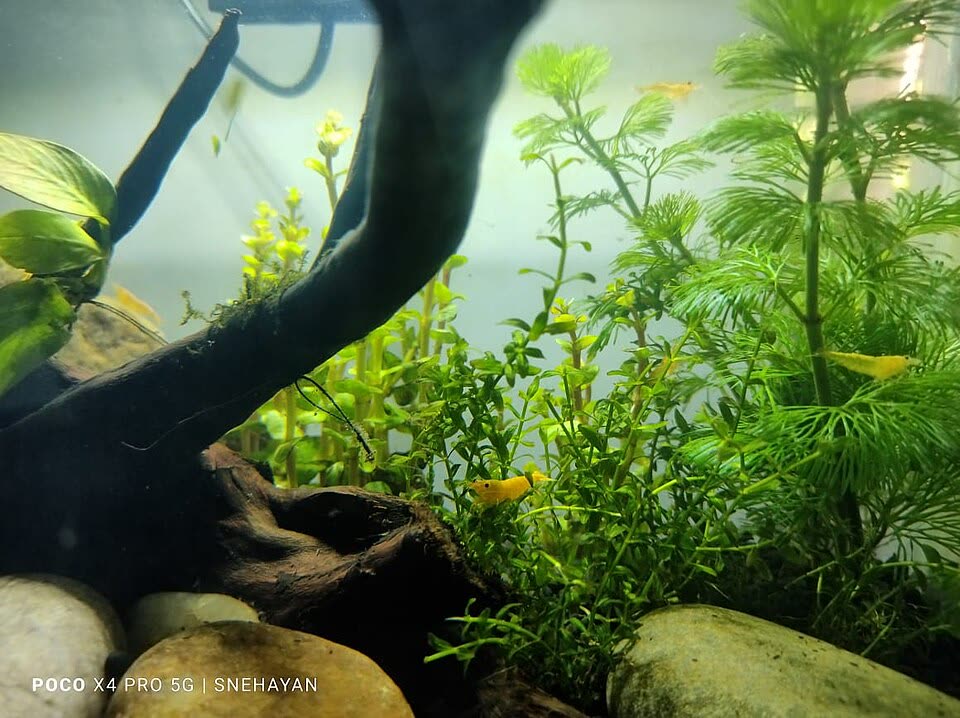
Types of LED Aquarium Lights: From Decorative Bars to Full-Spectrum Grow Fixtures
If you browse Nature Aquariums or a big marketplace search result, you’ll see very different product families all labeled “LED aquarium light.” They are not interchangeable for plants.
Decorative strip lights and bubble lamps
These are slim waterproof bars or bubble-style lamps meant mainly to highlight fish and décor. DHgate editorial material, for example, describes strip-type lamps with colorful bubble effects, evenly distributed beads, and an included air pump. Listings like these often emphasize “colorful” or “decorative” rather than plant growth.
They can be useful for:
- Adding shimmer, colored effects, or bubble features
- Supplementing light in a lightly planted, low-tech tank
But they’re rarely a great sole light source for serious planting because their intensity and plant-focused spectrum are usually limited.
Full-spectrum grow lights (generic equivalents of plant brands)
Plant-focused LEDs sold under brands like Fluval, Twinstar, Aquarium Co-op, Aquaworx, Aquael, and Kessil are engineered specifically for aquarium plant growth, as summarized on Nature Aquariums’ aquarium lights page. They tend to advertise full-spectrum output and intensity matched to tank size.
On generic marketplaces you’ll find similar full-spectrum grow fixtures. DHgate editorial describes one such unit as a “Full Spectrum Grow lights 165W 55LED Dimmable” lamp with blue and red diodes, UV, lenses, and dimmers. These fixtures often:
- Aim to cover roughly the 400-700 nm visible range used by plants, similar to how Chihiros RGB series lights are marketed in hobby stores
- Include dimmable channels so you can dial intensity up or down
- Use aluminum housings for heat management and adjustable brackets to fit different tank lengths
These are the closest generic match to branded planted-tank lights and are usually the right category if your goal is lush plant growth, not just colorful fish.
Smart or RGB planted-tank fixtures
Many modern planted-tank lights marketed by specialty shops (including some Chihiros and ONF models referenced in Glass Aqua’s smart lighting collection) are thin RGB bars with app or controller support. They combine:
- Full-spectrum RGB output
- Multiple brightness steps
- Sometimes sunrise/sunset or 24-hour cycle programs
You’ll see similar editorial claims in DHgate’s “solar grass” lamp description, which mentions colors set to replicate a daily cycle and soft, flicker-free light. These can work for planted tanks if the underlying intensity and spectrum are appropriate; don’t assume that “RGB” alone means plant-capable without reading the details.
Buying Planted-Tank LEDs on DHgate and Other Marketplaces
You can build a healthy planted tank with either a well-known brand fixture or a generic full-spectrum LED sourced through DHgate or another marketplace. The main risk is buying a decorative light when you actually need a plant-capable one.
Here are decision criteria that map directly to what you’ll see in listings:
1. Match spectrum and Kelvin to plant needs
- Look for words like “full spectrum”, “RGB”, or explicit mention of red and blue diodes. DHgate’s grow-light editorial, for instance, calls out blue for plant growth and red for flowering or sprouting.
- If the listing states a color temperature in the 6,500-12,000K range, that aligns with what many planted-tank guides recommend. If you only see phrases like “cool blue” or “multi-color” with no numbers, treat it as more decorative.
2. Check form factor and build
- Aluminum-bodied bars with adjustable brackets—like the aluminum solar grass lamp described in DHgate editorial—are practical for real tanks and usually handle heat better than flimsy plastic strips.
- Make sure the fixture length and mounting style (rim mounts, adjustable legs, hanging kit) actually fit your tank size.
3. Look for usable controls
- Dimmers or stepped brightness help you avoid blasting a low-tech tank with a very strong light.
- Separate channels or timers can be handy if you’re trying to balance viewing aesthetics with plant needs.
4. Distinguish grow fixtures from decorative lamps
Because DHgate’s editorial material describes both full-spectrum grow lights and stylish strip-type bubble lights, you’ll want to read the listing text closely:
- Lights that stress “grow,” “full spectrum,” specific wavelengths, and higher power ratings are more likely in the plant-capable category.
- Lamps that focus on bubble effects, multi-color decoration, and ambiance are better treated as supplemental or purely decorative.
A simple way to choose:
| Your tank style | Better fit on DHgate | Why |
|---|---|---|
| Lightly planted community tank | Decorative strips or modest full-spectrum bars | Enough light for hardy plants plus visual effects |
| Heavily planted, no CO₂ | Mid-power full-spectrum grow bar | More intensity and spread without extreme output |
| High-tech CO₂ with demanding plants | High-power, dimmable full-spectrum fixture | Lets you fine-tune strong light to avoid algae |
When DHgate makes sense vs brand fixtures
DHgate is useful when you’re comfortable parsing specs and possibly tweaking intensity to match your planted setup, and you’re willing to trade a big brand name for different features or potential savings. That fits buyers who:
- Compare generic grow fixtures against known styles like a Fluval Plant or Twinstar by dimensions and spectrum claims
- Want options such as aluminum housings, adjustable brackets, or remote controls similar to those described in DHgate’s solar grass lamp editorial
If you prefer a plug-and-play option with plant performance and usage documented by an aquarium-specific brand, a domestic fixture from a specialty retailer like the ones listed on Nature Aquariums or Glass Aqua may be a more straightforward starting point.