
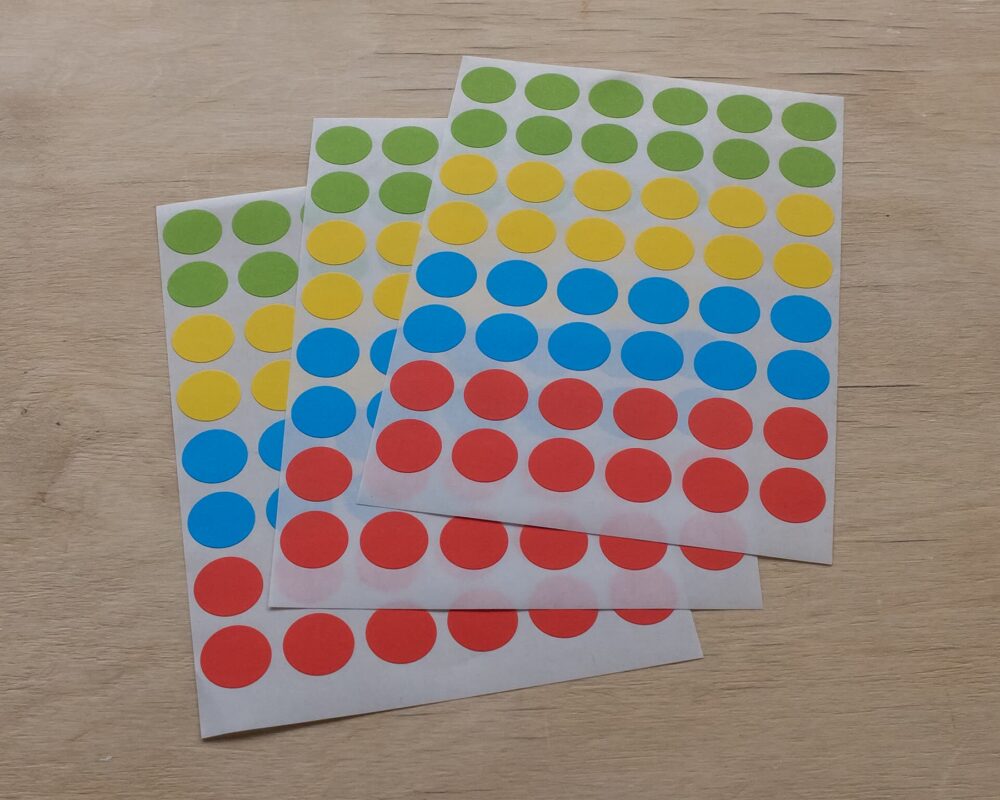
Sticker marketing uses custom stickers as low-cost, high-touch brand assets. For a US small business, the right platforms depend on where you are in the process: designing the sticker, getting it printed at scale, sourcing bulk inventory (possibly cross‑border), and distributing or selling it. You rarely need just one site; you need a stack that matches your campaign goals, quantity, and risk tolerance.
Sticker Marketing and Campaigns: What They Are and Why Platforms Matter
Sticker marketing is the practice of using custom-designed stickers to boost brand visibility, engagement, and loyalty. Guides like Sticker Marketing 101 describe how businesses turn a simple sticker into a logo reminder, a wearable badge, or a collectible piece of brand art.
Common small-business sticker campaigns include:
- Packaging inserts – logo stickers slipped into ecommerce orders, encouraging laptop or water bottle placement.
- Event handouts – stickers given away at pop-ups, trade shows, or conferences as free swag.
- Car and window decals – larger, durable stickers used by local businesses, schools, or nonprofits.
- Guerrilla-style placements – some brands experiment with “sticker bombing” in urban areas or public spaces.
Case studies of viral sticker campaigns from platforms like Paperlust show brands using these tactics to turn customers into mobile billboards and superfans, often on a tight budget compared with paid ads.Sticker marketing campaigns that went viral
Guerrilla sticker campaigns are a recognized tactic, but placing stickers on property you don’t control can raise legal and local ordinance issues.Sticker Campaign If you’re considering urban sticker bombing, you should treat it as a legal question in your city and get proper permission rather than assume it’s allowed.
All of these uses rely on platforms at multiple stages: you’ll typically design the artwork in a digital tool, print or source the physical stickers, then use sales or distribution platforms (online stores, marketplaces, events) to get them into customers’ hands.
Platform Types for Sticker Campaigns: From Design Tools to Wholesale Marketplaces
You can think of sticker platforms in five buckets: design tools, printers, print-on-demand, B2B marketplaces, and consumer-facing marketplaces.
1. Design tools
Design platforms are where the sticker artwork is created or refined.
- Template-based tools like Canva or similar design sites are commonly recommended in sticker business guides because they’re accessible for non-designers and include ready-made sticker layouts.
- Pro design software (Adobe Illustrator, Affinity Designer) is more typical if you need precise vector art, spot colors, or complex die-cut shapes.
Your choice here affects which printers or marketplaces you can work with, since many require print-ready files (CMYK, bleed, vector outlines).
2. Local and online printers
If you want physical inventory in hand, dedicated printers are the workhorses:
- Local print shops often handle label rolls, vinyl decals, and basic die-cut stickers. You gain face-to-face communication and quick proofing, useful for regional campaigns or car/window decals.
- Online sticker printers (including many traditional print companies that now offer stickers) let you upload artwork, choose materials (paper vs. vinyl, matte vs. glossy, clear vs. white), and order a fixed quantity.
These printers are best when you:
- Need predictable quality and color across thousands of units.
- Want specific materials (e.g., outdoor-rated vinyl for car decals).
- Are comfortable buying and storing bulk inventory.
3. Print-on-demand sticker services
Print-on-demand (POD) platforms sit between printing and selling:
- You upload designs to the POD platform.
- The platform prints stickers only when an order comes in and ships to the customer.
This route is popular with independent artists and small ecommerce brands because you can run campaigns and test designs without pre-buying inventory. It fits low-risk, experimental sticker campaigns or long-tail designs where demand is uncertain.
4. B2B wholesale marketplaces (bulk sourcing)
If your campaign needs tens of thousands of stickers or you plan to resell stickers as a product line, cross‑border B2B marketplaces enter the picture.
Editorial and marketplace guides describe platforms such as Alibaba and DHgate as hosting many sticker and decal suppliers and positioning themselves for bulk purchasing and resale.How to Begin a Sell Sticker Designs Business Right Now – Steps Guide On these sites you’ll typically:
- Search for “vinyl stickers”, “logo stickers”, or “custom die-cut labels”.
- Compare suppliers on minimum order quantity (MOQ), material options, and per-unit pricing.
- Negotiate custom specs and artwork files directly with the supplier.
This model is suited to:
- Large campaigns (national product launches, subscription boxes, mass giveaways).
- Retailers building a house-brand sticker line.
But it adds cross‑border complexity: longer lead times, communication across languages/time zones, and varying quality expectations across suppliers.
5. Consumer-facing marketplaces and your own store
Once you have stickers, you still need channels to sell or distribute them.
Marketplace roundups and DHgate’s own editorial content reference sites like Amazon, Etsy, and Redbubble as common destinations where creators sell both physical and digital stickers to consumers.Where to Buy Sticker Decals Online Retailers These platforms typically:
- Provide search traffic and discovery for sticker buyers.
- Let you list sticker packs, single designs, or digital files.
Etsy and Redbubble especially are associated with artist-driven sticker shops and POD integrations. Many small businesses also run stickers through their own Shopify/Squarespace store, using stickers both as merch and as promotional add-ons to other products.
Choosing Platforms for Your Sticker Campaign: Scenarios, Cross‑Border Options, and Trade‑Offs
You don’t need every platform type. You need a mix that matches your campaign’s scale, budget, and risk. Here’s a light comparison to frame your options:
| Platform type | Best for | Typical scale | Inventory risk |
|---|---|---|---|
| Local/online printer | Branded packaging, local events | Hundreds–thousands | You hold stock |
| Print-on-demand service | Testing designs, long-tail merch | One-by-one orders | Low; printed on sale |
| B2B wholesale marketplace | Massive campaigns, resale programs | Thousands–tens of K+ | High; bulk purchase |
| Consumer marketplaces | Selling stickers as a product | Ongoing sales | Varies (POD vs. self) |
Scenario 1: Local-only brand push
You’re a US coffee shop or boutique running a two-month sticker push: logo stickers on cups and as counter giveaways.
- Design: Use a simple design tool or hire a local designer.
- Production: Work with a local or national online printer for vinyl logo stickers and window decals.
- Distribution: Hand out in-store and include with loyalty cards.
Platforms here are straightforward: design tool + printer. Cross‑border marketplaces add complexity without much upside for this scale.
Scenario 2: Ecommerce brand building loyalty with inserts
You’re an online beauty or apparel brand adding stickers as pack-ins and upsell merch.
- Start with template-based design tools to create an on-brand sticker set.
- Use an online printer for an initial run (say a few thousand units) to control quality and unboxing experience.
- List extra sticker packs on your own store and optionally on Etsy or Amazon for incremental sales.
Print-on-demand can be layered in later for special-edition designs or collaborations where you don’t want to pre-buy inventory.
Scenario 3: Artist or creator building a global sticker business
You’re a designer turning your art into a sticker line aimed at global buyers.
Evidence from sticker business guides shows demand for custom stickers is growing and attracting new entrepreneurs who pair creative designs with online platforms to reach worldwide customers.How to Sell Profitable Stickers Online? —Beginner’s Guide
A practical platform stack might be:
- Design in a pro tool (for clean die-cuts and print reliability).
- Print-on-demand for early collections and experimental designs.
- Consumer marketplaces such as Etsy or Redbubble for discovery and sales.
- B2B marketplaces like Alibaba or DHgate later, if you decide to:
- Source large runs of your best-selling designs at lower per-unit cost, or
- Develop white-label stickers for other businesses.
If you step into cross‑border sourcing, treat each listing and supplier as its own mini-due-diligence project: check materials (vinyl vs. paper), print methods, sample options, and communication responsiveness before committing to bulk.
You can get neutral context on how DHgate works as a marketplace from an explainer like What DHgate is and how the marketplace works, and compare it with other cross‑border platforms via online marketplaces and shopping platforms or Compare DHgate with AliExpress, Alibaba and Temu. That helps you decide whether to include DHgate at the sourcing stage or stick to domestic printers and POD.
Matching your stack to your risk tolerance
- If you hate holding inventory, bias toward print-on-demand and small runs from online printers.
- If you want the lowest per-unit cost and can store stock, consider B2B marketplaces or large orders from printers once you’ve validated designs.
- If your goal is brand lift more than direct sticker revenue (e.g., inserts and giveaways), prioritize reliable printing and on-brand design over squeezing every cent from unit cost.
Sticker marketing works because it’s tangible, collectible, and relatively cheap. The platforms you choose decide whether those stickers feel premium, arrive on time, and scale with your ambitions.