
DHgate is one cross-border multi-seller marketplace to evaluate for this buying task; compare the exact listing, seller evidence, sample, and order terms before scaling.
Abstract Art Prints 101: What Counts as “Best” for Your Space
An abstract art print is a reproduction of an artwork that emphasizes color, shape, and form rather than recognizable objects. Instead of a literal landscape or portrait, you get a composition of lines, blocks of color, or fluid gestures that set a tone for the room.
“Best” here is not a universal top-10 list. It’s whatever combination of style, size, and material works for:
- The room: living rooms often benefit from a single bold, large piece; hallways or rentals might rely on smaller, easy-to-swap prints.
- The mood: do you want calm and airy, energetic and intense, or something quietly sophisticated?
- How permanent the choice is: a forever home justifies a higher-quality print or limited edition; a short-term rental might lean budget-friendly and easily replaceable.
Common style buckets:
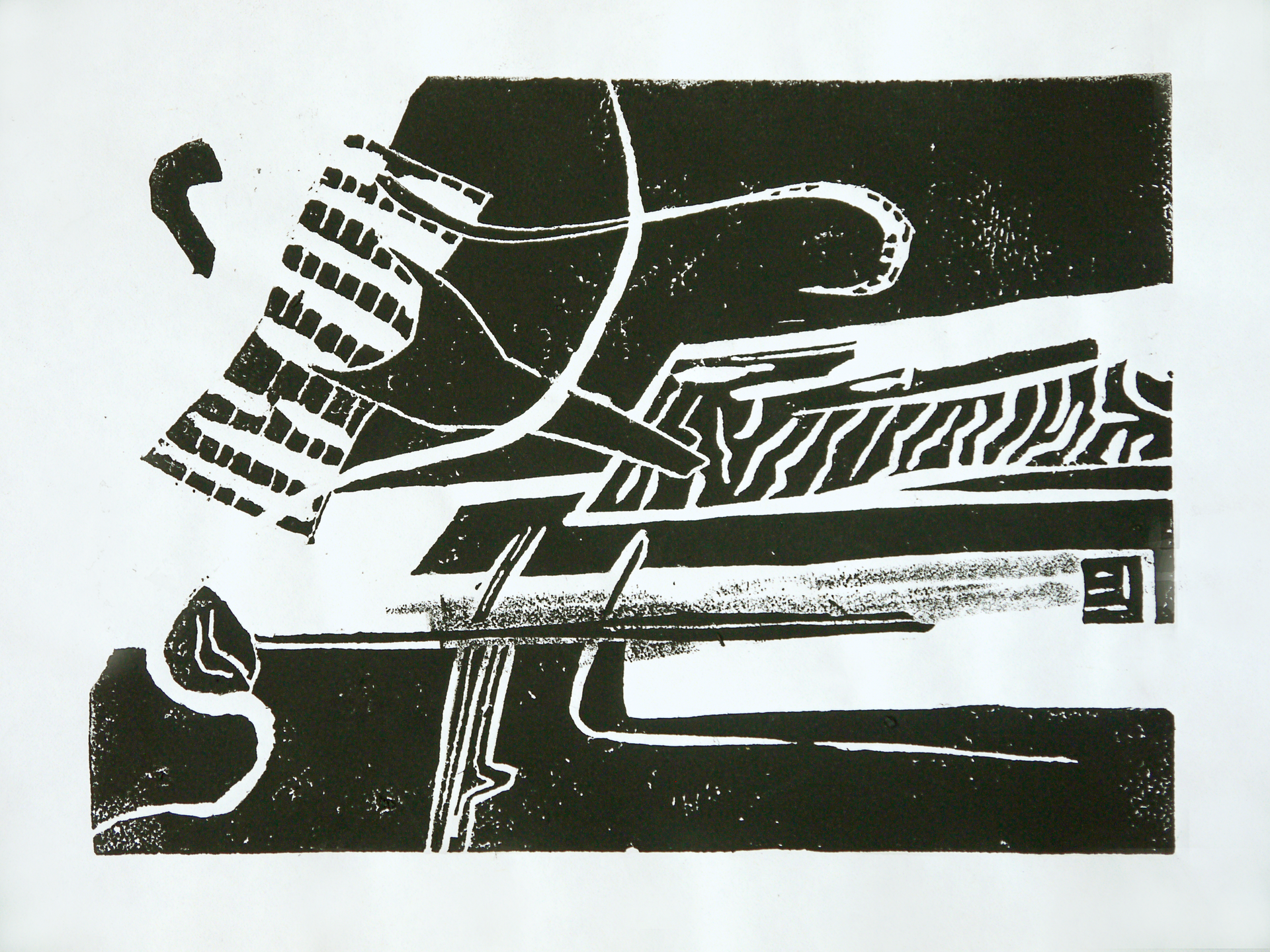
- Geometric – Clear lines, shapes, and patterns. These can make a space feel orderly and modern. You’ll see plenty of this in collections like geometric abstract canvases on iCanvas.
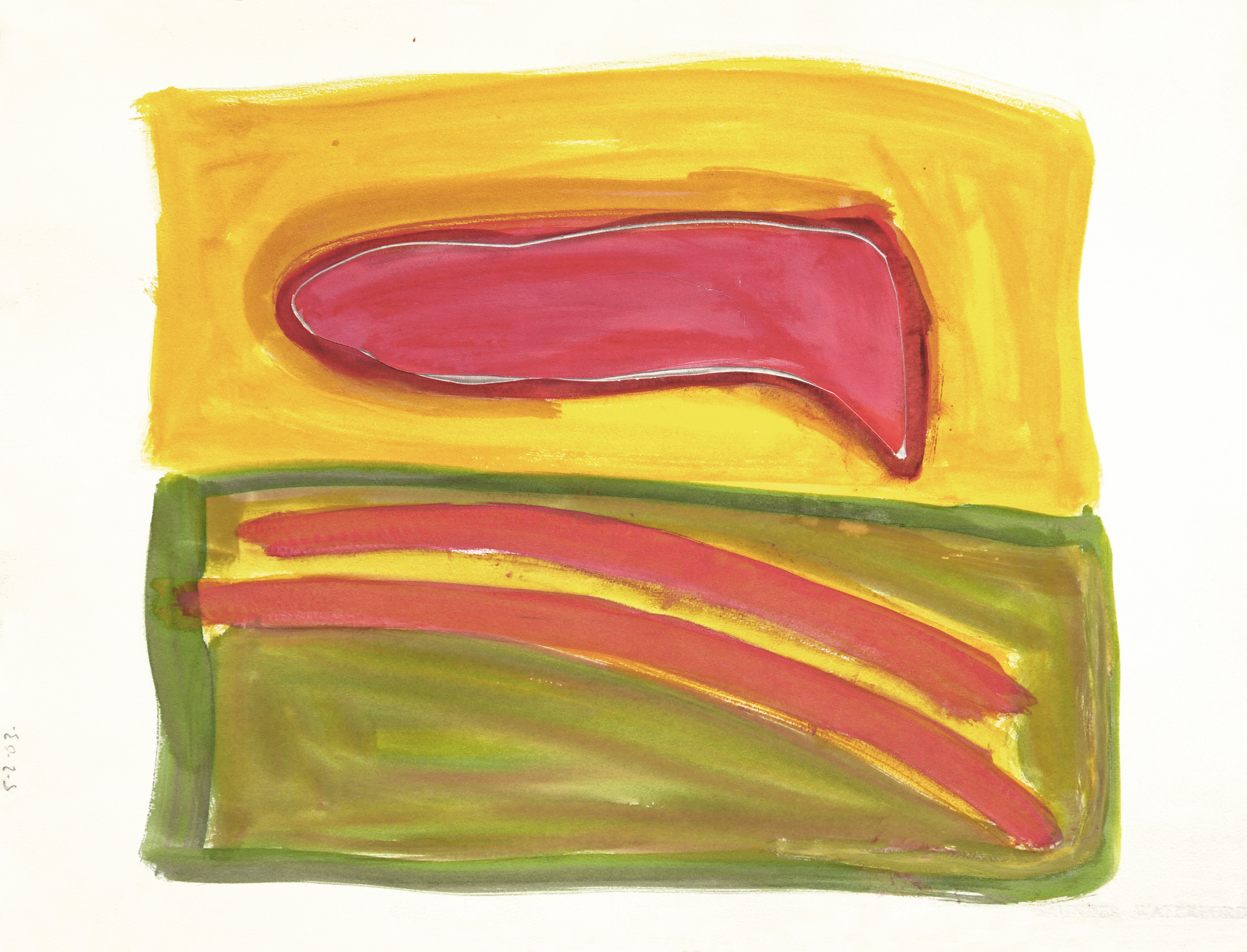
- Organic – Forms inspired by nature or hand-drawn shapes, usually softer and more flowing. These often feel warmer and more relaxed.
- Fluid – Color and movement dominate: swirls, drips, washes of pigment. These prints can add drama or a sense of motion to otherwise static spaces.
Best for your space simply means: your favorite style, at a size that fits the wall, printed on a material you’re comfortable paying for and living with.
Styles, Materials, and Buying Signals: How to Narrow Thousands of Abstract Prints
Online, you’ll face thousands of abstract listings. A quick way to cut them down is to make three decisions early: style, material, and size—then use buying signals to filter sellers.
1. Match style and color to the room
Start by deciding which of the three broad style buckets you’re looking for:
- Pick geometric if your furniture is clean-lined and contemporary; these prints echo mid-century and modern decor.
- Pick organic if you have natural materials (wood, linen) and want something soft that won’t compete with them.
- Pick fluid if your room feels too rigid and needs movement or a statement focal point.
Then look at your existing color palette. If the room is mostly neutral, one saturated abstract print can become the focal point; if you already have a lot of pattern and color, choose a more subtle or monochrome piece.
2. Choose the right material: paper vs canvas vs metal
Most abstract prints you’ll encounter are produced on paper, canvas, or metal, each with a distinct look and general cost profile. Here’s a compact comparison:
| Material | Typical look & feel | Budget impression | Framing / display considerations |
|---|---|---|---|
| Paper | Smooth, poster-like or fine-art texture depending on stock | Often the most affordable, good for renters or first-time buyers | Needs a frame; easy to swap out or re-style over time |
| Canvas | Textured, painterly surface that mimics original paintings | Mid-range; feels more substantial than paper | Can be stretched and hung without a frame; deeper presence on the wall |
| Metal | Sleek, modern surface with sharp color and a slight sheen | Typically higher than paper, varies by seller | Usually frameless, floats off the wall for a contemporary look |
These are general traits rather than guarantees. Still, they’re useful for decisions: if you’re outfitting several rooms on a tight budget, paper prints are usually an efficient starting point. If you want a single piece to anchor a living room, a canvas or metal print often looks more finished on the wall.
3. Get sizing and placement right
A quick rule for US buyers: in a standard 12-15 ft wide living room wall, a print in the 24″–36″ range often reads as a focal point without overwhelming the space. Smaller works, such as 11″×14″ paper prints, work better as clusters or gallery walls.
Before buying, measure the wall and the furniture beneath it (sofa, console, headboard). A too-small abstract piece above a large sofa will feel like an afterthought, no matter how beautiful the print is.
4. Use buying signals to sort good listings from risky ones
With style, material, and size decided, you’ll still face a lot of sellers. Focus on concrete signals:
- Photos: Look for clear, high-resolution images of the full artwork and, ideally, an in-room mockup so you can judge scale.
- Material description: Does the listing state paper weight, canvas type, or metal finish? Vague “premium material” language without specifics is a red flag.
- Edition and origin: On curated art sites (or galleries), you’ll see details like “open edition print” vs “limited edition.” On big marketplaces, many abstract prints are mass-produced decor; that’s fine for budget wall art, but don’t treat them as collectible fine art without more information.
- Reviews: Read comments about print clarity, color accuracy, and packaging—not just star ratings.
- Returns: Check whether you can return or exchange if the colors or scale don’t match your expectations. Exact policies vary by platform and seller, so rely on what’s written in each listing.
Where DHgate fits in this filtering step
DHgate acts as a discovery marketplace for abstract prints rather than a curated gallery. You’ll find a wide range of styles and materials, often at competitive prices, but you won’t get a single editorial standard across all sellers.
If you browse DHgate for abstract art prints:
- Treat every listing as its own proposition. Read the description for material (paper, canvas, metal), size, and printing method.
- Use seller ratings and buyer photos, when available, to judge whether the print quality looks crisp or washed out.
- Pay attention to the stated handling and shipping time on each product page instead of assuming a site-wide norm.
DHgate makes sense if you’re price-sensitive, flexible about exact style, and comfortable evaluating seller details yourself. If you want a clearly curated, artist-driven catalogue with limited editions, you may be better off on specialist art platforms or in galleries.
Where to Buy: DHgate vs Other Marketplaces for Abstract Art Prints
Abstract art prints are widely available through online retailers, art galleries, home decor stores, and marketplaces. None is universally “best”; they serve different types of buyers.
- Large online art retailers – Sites like Art.com’s abstract section and iCanvas’s abstract catalogues offer extensive selections of geometric, organic, and fluid pieces, with filters for size, color, and material. These work well if you want variety but still some level of curation.
- Independent art shops and studios – Smaller sites, such as Haze & Juniper’s abstract art prints, focus on a distinct style or group of artists. You’ll usually pay more per piece than for mass-market decor, but you get a clearer aesthetic and a closer connection to the creator.
- Home decor retailers – Big-box or lifestyle brands often sell abstract canvases and posters that match their furniture lines. Good if you want a print that coordinates with a specific sofa or rug and don’t need a unique artwork.
- Marketplaces – Platforms like DHgate, general marketplaces, and some print-on-demand services provide very broad inventories. They’re helpful for budget-friendly decor and bulk buys (for rentals or offices), but quality and originality vary widely across sellers.
A useful way to choose a channel:
- If you’re furnishing a small rental and prioritize price and easy replacement: paper prints from a marketplace or large retailer are usually the best fit.
- If you’re decorating a long-term home and want something you’ll keep for years: consider canvas or metal from a curated art site, an independent studio, or a gallery where you can learn more about the artist and edition.
Quick Answers to Common Abstract Print Questions
Are geometric or organic abstract prints better? Neither is objectively better. Geometric prints suit modern, structured interiors; organic prints fit softer, nature-inspired spaces. Pick based on how your furniture and textiles already feel.
Is paper always the cheapest option? Paper prints are typically the most affordable because they use less material and don’t require stretching. Prices still vary by seller, brand, and whether the print is an open or limited edition.
Should I frame abstract prints or hang canvases as-is? Paper almost always needs a frame. Canvas can be hung unframed for a gallery look or framed for a more traditional style. Metal prints are normally displayed frameless.
Is DHgate the best place for abstract art? DHgate is one useful option, especially for budget-conscious buyers who can evaluate listings carefully. If you’re seeking artist-signed, limited edition fine-art prints, a dedicated art retailer, independent studio, or gallery will usually be a better match.