
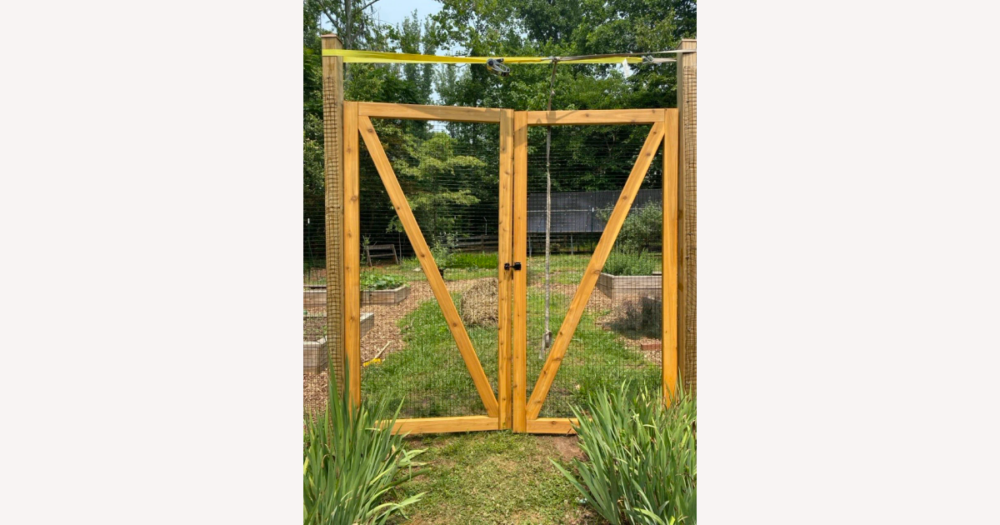
If you’re trying to match a 7 ft deer fence with a gate on DHgate, treat “7 ft” as a spec you have to verify, not a promise that every tall gate will line up perfectly with your fence. This guide explains how to read DHgate product dimensions and materials, then check sellers, shipping, and refunds, so you can protect your order while focusing on what matters most for a deer fence gate: getting the height and compatibility right.
Is a 7 ft gate for deer fencing realistically findable on DHgate?
On DHgate and in the wider market, gates advertised around 7 ft tall do exist and can be paired with deer or other tall garden fencing. What you can’t assume is that DHgate will always have a perfect 7 ft match in stock or that every listing labeled “7 ft” will line up exactly with a 7 ft fence line once installed.
In practice, you’re searching DHgate for tall gates whose specs and photos clearly show they’re meant for use with fencing, then treating 7 ft as a target height. For each listing, you need to confirm how the seller measures height, check the dimension table or diagram, and judge whether the gate’s frame and infill will align with the effective height of your own deer fence.
A compatibility‑first approach puts accurate height, width, and attachment details ahead of ornate design or extra features; that’s usually the safer choice for a deer fence where keeping animals out matters more than style. If you already have a strong aesthetic or a branded fence system you want to match, you might deliberately accept more installation work—adapting posts, hardware, or mesh—to get a visually unified gate.
The rest of this guide focuses on reading DHgate specs and checking fit, so you can decide for yourself whether a specific tall gate is genuinely suitable for a 7 ft deer fence rather than chasing one “ideal” product label.
What does “7 ft” usually mean in gate height and deer fence measurements?
When a gate or fence is described as “7 ft,” that number can refer to different parts of the structure, and the distinction matters a lot for a deer fence entrance. Some sellers use overall frame height—from the ground to the very top member of the gate. Others focus on the mesh or infill height between the bottom and top rails. In many tall systems, posts or sleeves extend above the mesh, so the stated system height may reflect that taller post line rather than the actual barrier the deer must clear.
You’ll also see gates and fences marketed for 7, 7.5, or 8 ft systems, where a gate is paired with fencing of similar but not identical labeled heights. One vendor might call a setup “7 ft” based on mesh height, while another describes a roughly comparable system as “7.5 ft” because the posts and top wire sit higher, even though the mesh panel is very close in size.
On DHgate, look for listings that include line drawings, dimension tables, or annotated photos showing where measurements are taken. Pay attention to whether the stated height includes any ground clearance at the bottom, decorative elements on top, or an extension of the posts above the mesh. Those details change how tall the gate really is as a barrier, not just on paper.
For deer fencing, the practical question is the effective barrier height at the gate: how far it is from the ground up to the point a deer would have to clear. That effective height should match the functional height of the rest of your fence as closely as possible. Understanding exactly which part of the gate or fence the “7 ft” refers to is what keeps you from ending up with an entrance that sits lower than the fence line or creates an easier jump point than the surrounding mesh.
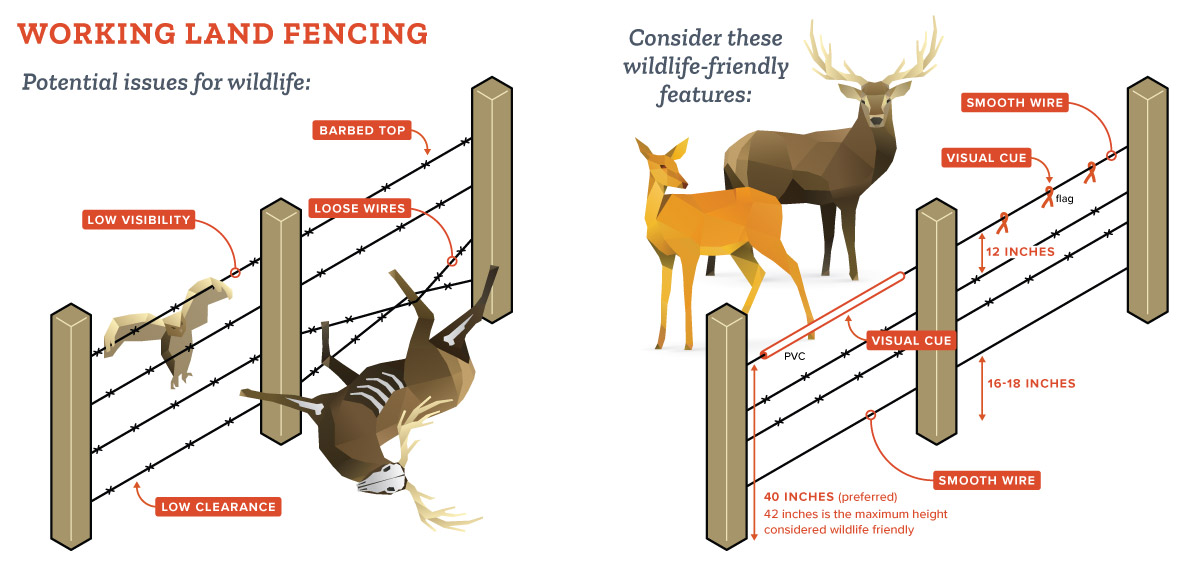
Use the height markers in the diagram to see the difference between overall frame height, the mesh or panel height, and the taller system height when posts extend above the mesh. When you encounter similar drawings in DHgate listings, match the labels to these ideas so you can tell whether a “7 ft” spec describes the actual barrier your deer need to clear or just the post or decorative top line.
Which gate types can work with a 7 ft deer fence?
- Lightweight mesh access gates: These are usually narrow openings meant mainly for foot traffic, built from a simple metal frame with the same kind of plastic or poly mesh used in the fence. They tend to be relatively light, come in modest widths just wide enough for a person or wheelbarrow, and use smaller hinges and latches. Because the frame and mesh match the surrounding deer fence, they’re often the easiest to blend in and bring up to a 7 ft effective barrier height—as long as the listed frame height and ground clearance align with your fence line.
- Framed pedestrian gates: Pipe- or steel-framed gates aimed at regular people traffic or light equipment use a thicker frame, sometimes with mesh infill and sometimes with welded wire or panel sections. They add rigidity so a tall gate can swing cleanly without sagging, but that extra structure means more weight and larger hinges, posts, and latches. These gates can work well with a 7 ft deer fence when the frame height, mesh or panel height, and mounting points match your posts and top line, though you may need to pay closer attention to frame thickness and hardware dimensions in DHgate specs.
- Driveway and wide-access gates: Double-leaf or wide single gates are designed to let vehicles, tractors, or larger equipment through. They use heavier frames, larger hinge hardware, and more demanding posts or footings to support the extra span and weight. With a 7 ft deer fence, these gates only make sense if you truly need vehicle access and can accommodate the structural requirements; you’ll need to confirm both the full opening width and the height at the center and ends so the gate doesn’t create a lower spot than the surrounding fence.
- In practice, I would usually lean toward a straightforward framed mesh gate for a deer fence, because it’s simpler to hang at the right height and easier to tie into the mesh, even if it isn’t the most decorative option. If your priority is a specific look or a matched system—say, a more ornamental driveway entrance—you might choose a heavier or custom panelled gate instead, accepting that installation and post requirements will be more complex.
- No single gate style is universally best for every 7 ft fence: your choice should follow how you plan to use the entrance (occasional foot access, daily garden use, or vehicle entry), how uneven or sloped the terrain is, and whether you need the gate to visually match an existing fence system. On DHgate, treating these categories as filters—lightweight mesh access, framed pedestrian, or driveway-width—helps you focus on listings whose height, width, and attachment details actually fit your deer fence rather than chasing one ideal design.
How do common gate materials affect durability and feel with a deer fence?
Most tall deer fence gates combine a metal frame with some form of mesh infill, and you’ll see that reflected in DHgate-style specs: galvanized steel or pipe frames, powder-coated black posts and hinges, and plastic or poly mesh similar to the fence rolls themselves. The metal frame provides the skeleton that keeps a long, narrow gate from twisting, while the mesh carries the barrier up to the same height as the surrounding fence without adding too much weight.
Galvanized and powder-coated steel frames are common because they help resist rust and surface wear in outdoor conditions, and a rigid frame makes it more likely that a 7 ft gate will swing smoothly and stay aligned with the latch over time. Mesh or other open infill keeps the structure lighter and visually consistent with the fence, but it usually offers less impact resistance than solid boards or panel inserts and can be more vulnerable if people lean or climb on it.
Actual durability still depends on details you can’t fully control from a listing—local climate, how well posts are set, how often you use the gate, and whether you keep up with basic maintenance—so material labels alone don’t guarantee a specific lifespan. For a functional deer gate, I would generally prioritise a robust metal frame and compatible mesh that ties cleanly into the fence over ornamental materials that make installation harder, but if your fence is part of a highly designed landscape you might reasonably accept more weight or complexity to get a particular look. Reading the material and finish descriptions on DHgate with these tradeoffs in mind helps you choose between more robust or more lightweight options without expecting precise performance promises.
Checklist: matching a gate’s specs to your 7 ft deer fence
- Height: Compare the gate’s stated height—including any ground clearance—to your fence’s functional height so the barrier at the opening is not noticeably lower than the rest of the 7 ft fence.
- Width: Measure the opening you need for people, equipment, or vehicles and match it against the gate’s listed width, allowing extra room for hinges, posts, and safe swing clearance.
- Frame style: Check that the frame type (simple mesh frame, heavier pipe frame, or driveway-style structure) suits your fence system, soil, and slope so it can be mounted securely and swing without strain.
- Infill or mesh: Verify that the gate’s mesh or panel infill can tie in structurally and visually with your existing or planned deer fence material, without leaving large gaps a deer could slip through.
- Hardware and posts: Identify which components—hinges, latches, posts, and tension parts—are included versus those you must source separately, and make sure that matches how you plan to build and brace the gate opening.
- Overall choice: It is usually safer to choose a simpler gate whose specs clearly meet these checks than a more decorative design with vague or incomplete dimensions and hardware details.
Will the gate actually integrate with your posts, mesh, and top line?
- Posts: Decide whether the gate is sold with its own posts or meant to mount to posts you already have, then compare diameters, heights, and recommended spacing to your fence layout so the gate can hang straight and latch cleanly.
- Hinges and latch: Review which side the gate is designed to hinge on, how the latch engages, and whether the supplied hardware or bolt pattern fits your posts or other mounting surfaces to avoid having to improvise at installation.
- Mesh attachment: Look for rails, channels, or suggested fasteners for tying the deer fence mesh into the gate frame, and plan any extra ties, clips, or brackets you’ll need to keep the mesh tight and at full height across the opening.
- Top alignment: Compare the gate’s top height to your fence’s top wire, rail, or tension line so the entrance doesn’t end up a few inches lower, creating an easier jump point for deer.
- Kit vs components: Check whether the listing describes a complete gate-and-post kit or a standalone gate, and adjust your budget and materials list if posts, bracing, or key hardware must be purchased separately.
- Overall integration: Careful reading of inclusions, hardware details, and diagrams—plus targeted questions to the DHgate seller when anything is unclear—greatly reduces the chance of integration surprises when you go to hang the gate.
Use this video as a visual reference for how posts are set, hardware is installed, and mesh is attached and aligned so you can compare those steps to the diagrams and descriptions in any tall gate listing on DHgate.
Common 7 ft gate pitfalls and how to avoid them
DHgate buyer checks for tall outdoor gates
Once you’re comfortable with the technical fit, it’s just as important to check the seller and order details on DHgate. Start by scanning seller ratings, review counts, and feedback history, looking in particular for comments on accurate dimensions, packaging quality, and shipping reliability for hardware or outdoor items. Reviews that mention clear communication and problems being handled reasonably are a good sign for a bulky purchase like a gate.
Next, look closely at shipping information: methods used, costs, and estimated delivery times for large or heavy goods, plus any notes about how damages or lost packages are handled. DHgate, like other marketplaces, offers buyer protection and dispute processes; take a moment to read the basic refund and dispute wording so you understand how misdescribed or damaged items are typically dealt with and what evidence you may be asked to provide.
Before you place the order, save screenshots or PDFs of the product page, dimension diagrams, and your order confirmation so you have a record if the listing is edited later or if you need to open a dispute. For a tall outdoor gate, I would prioritize sellers with solid feedback, responsive communication, and transparent terms, even if that narrows the list of options—those signals make it easier to resolve any issues that might arise after the gate ships.
Pre-order checklist for 7 ft deer fence gates on DHgate
- Confirm height and effective barrier: the installed gate height, including any ground clearance, should match or slightly exceed your fence’s functional 7 ft height so the entrance isn’t an easier jump point.
- Confirm width and use: check that the gate width fits your planned opening and provides enough swing clearance for the foot, equipment, or vehicle access you expect.
- Check gate type and materials: make sure the gate style (mesh access, framed pedestrian, or driveway) and its frame, mesh, and finish are compatible with your fence system, local weather, and the look you want.
- Verify hardware and posts: read carefully to see whether hinges, latches, posts, and attachment hardware are included, and decide in advance how you’ll source any missing components.
- Assess compatibility with your layout: picture how the gate will hang on your existing or planned posts, how the mesh will attach to the frame, and whether the top will line up with any top wire or rail.
- Review seller reputation: on DHgate, scan ratings, review volume, and feedback for signs of accurate dimensions, decent packaging, and reliable shipping for similar hardware or outdoor items.
- Review shipping and return terms: understand total shipping cost, delivery timeframe for a large or heavy item, and the basic return and dispute conditions DHgate applies if specs or condition don’t match the listing.
- Walk away from any listing that fails a core checklist item—especially height, compatibility with your layout, or seller reliability—even if the price or style is appealing; a gate that truly fits your 7 ft fence and comes from a dependable DHgate seller is the safer choice.
FAQ: handling small height mismatches between gate and deer fence
Can I use a gate labeled for a 7.5 ft or 8 ft fence with a 7 ft deer fence?
Sometimes. A slightly taller gate can work with a 7 ft fence if the installed barrier at the opening still lines up cleanly with your fence. That usually means you can set posts, hinges, and the gate frame so the effective ground‑to‑top height at the mesh is close to your fence height, and there are no gaps at the top or bottom that make the entrance easier to jump or squeeze through. Treat the labeled height as a clue, not a guarantee: study any diagrams or photos to see where the extra height sits (posts, decorative top, or mesh), and avoid any setup where you’d have to weaken the structure to force the gate down to 7 ft. If you’re considering cutting posts or modifying the frame, it’s safer to ask a fencing professional how to do that without compromising strength.
Is it ever a good idea to use a gate that’s shorter than the rest of my 7 ft deer fence?
Usually not. A gate that ends up lower than the surrounding fence reduces the effective barrier height at the entrance and creates a natural weak point for deer. Even a difference of a few inches can matter if it creates a clearly lower line or a gap above the gate where animals can focus their efforts. In most cases, it’s better to keep looking for a gate whose functional barrier height matches your fence than to accept a noticeably shorter gate and try to compensate with improvised extensions or add‑ons. If you’re tempted to build up a shorter gate with extra framing, mesh, or boards, treat that as a structural modification and get advice from someone experienced in fence construction rather than relying on trial and error.