
If you just want the right Lasko heater for your space, start with the type. Compact ceramic space heaters are best for small rooms or spot heat, tall tower and pedestal models cover whole rooms, oil-filled radiators suit steady heat in larger areas, and infrared units focus warmth on people and objects. A typical 1,500W ceramic or tower heater will be enough for most bedrooms or home offices, while low‑watt personal units simply take the chill off a desk. You’ll find these models widely on Amazon and big-box retailers; cross‑border marketplaces like DHgate sometimes surface similar heaters, but availability and safety details depend entirely on the individual listing.
Below, we map Lasko’s main heater formats to real use cases, highlight around ten representative models, and then show what to look for in an online listing before you commit.
Lasko Heater Basics and the Top Models Buyers Consider
Lasko sells several heater formats that show up again and again in independent roundups and buyer guides:
- Ceramic space heaters – compact units that use ceramic elements to provide quick, focused heat. Good for small rooms or personal zones.
- Tower heaters – tall, slim heaters (often ceramic) that oscillate to spread heat across a room.
- Pedestal heaters – similar to towers but height-adjustable so you can aim heat more precisely.
- Oil-filled radiator heaters – heavier units with oil-filled fins that offer slow, steady, whole-room warmth.
- Infrared heaters – use infrared radiation to warm people and objects directly, handy for spot heating.
Reviewers at BestReviews describe Lasko heaters in general as durable, versatile, and reasonably priced for electric space heat, which matches how they’re used in most homes.
Here are about ten representative Lasko models you’ll see discussed or sold frequently, grouped by type and use case:
Everyday room heat: ceramic towers and all‑season units
- Lasko Oscillating Ceramic Tower Heater 751320 (1500W) – A classic tower design with oscillation and remote control, intended for whole-room ceramic heat with a slim footprint. It’s a good match for bedrooms, living rooms, or home offices where you want set‑and‑forget heating rather than a desktop unit.
- Lasko FH500 All‑Season Tower Fan & Space Heater (1500W) – Combines a tower fan and heater in one unit, so you can use it year-round. Guides often highlight it for people who want fewer appliances cluttering the room.
- Digital ceramic tower heaters (e.g., models like 5165) – Typically add digital thermostats and timers, making them attractive if you care about precise temperature control and scheduling.
These tower‑style heaters are usually best if you’re trying to warm one entire room and care about looks and footprint as much as raw heat.
Personal and small-space heaters
- Lasko MyHeat 200W personal ceramic heater – A tiny desktop/tabletop unit meant to warm just the area around you. It’s popular for offices or shared spaces where you can’t change the whole room’s temperature.
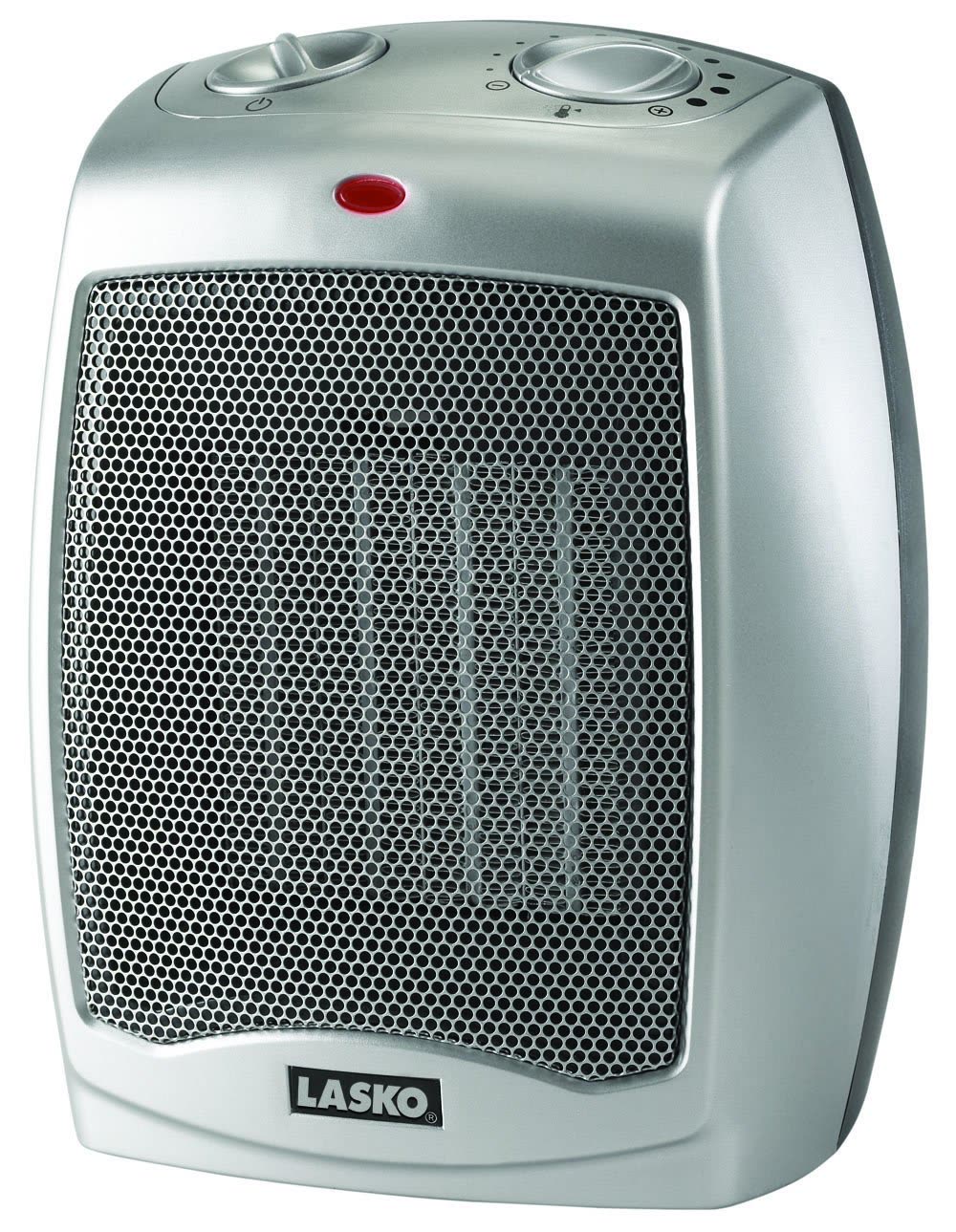
- Compact 1500W ceramic space heaters (e.g., 754200 class units) – Small box-style heaters that sit on the floor or a table and blast heat in a specific direction. Buying guides tend to call these workhorses because they’re portable, inexpensive, and adequate for small rooms.
Pick from these if you mainly want spot heat and the ability to move the heater between rooms quickly.
Utility, garage, and tougher environments
- Lasko Pro‑style utility ceramic heaters (around 1500W) – Often marketed for garages, workshops, or basements. They typically have rugged housings and carry handles, trading some aesthetics for durability and portability.
These are better suited to unfinished spaces where appearance doesn’t matter and you might need to reposition the heater frequently.
Steady background warmth
- Oil-filled radiator heaters – Lasko’s radiator models use oil-filled fins for slow, even heating and stay warm for a while after being turned off. Specialist guides note that these trade fast heat for quieter, more consistent warmth and are often used in larger rooms or spaces where you sit for long periods.
Infrared and pedestal options
- Infrared heaters – Lasko infrared units focus on spot heating, such as a reading chair or small sitting area, and can feel efficient if you’re often in one place.
- Oscillating pedestal heaters – Essentially tower heaters on an adjustable stand, useful if you want to direct heat at a specific height (for example, towards a couch rather than the floor).
Specialist buying guides like Worthyva’s Lasko heater overview explain that each format trades off portability, coverage, and energy use in different ways. The key is matching those trade‑offs to how you actually live.
Matching a Lasko Heater to Your Room and Routine
To move from “ten good models” to one or two that fit your home, translate the specs into practical choices.
1. Room size vs. heater type
As a rough rule for typical U.S. homes:
- Small rooms (bedroom, office, ~100-150 sq ft) – 1500W ceramic space or tower heater, or a compact 1500W unit if you only need partial room heat.
- Medium rooms (living room, ~150-250 sq ft) – 1500W tower or pedestal heaters are common picks because oscillation helps spread heat.
- Larger or open spaces – Oil-filled radiators or multiple heaters may be more realistic; infrared units can help if you primarily sit in one spot.
Here’s a quick comparison of heater formats against typical use cases:
| Heater type | Best room size/use | Portability | Heat pattern |
|---|---|---|---|
| Ceramic space (box) | Small rooms, spot heat | High (light, small) | Direct, non-oscillating |
| Ceramic tower (751320 class) | Small–medium rooms, whole-room heat | Medium (slim, taller) | Oscillating, broad |
| Pedestal tower | Medium rooms, targeted height | Medium | Oscillating, aimable |
| Oil-filled radiator | Medium–larger rooms, steady warmth | Low (heavy) | Slow, uniform |
| Infrared heater | Spot heating, seating areas | Medium | Focused on objects |
2. Energy use and control features
Independent guides emphasize that you don’t get radically different “efficiency” between electric space heaters of similar wattage; instead, you gain control:
- Thermostats and timers let you avoid running the heater longer than necessary.
- Multiple heat settings (often high/low) allow you to tune power draw to comfort.
- All‑season units like the FH500 provide more value per square foot because they serve as both fan and heater.
If you care about utility bills or live with others, favor models with digital controls, clear thermostats, and timers rather than fixed-output units.
3. Safety and noise
A historical DHgate blog article on heater buying factors highlights a few safety and comfort features that are highly relevant to Lasko units:
- Overheat protection – Automatically shuts the heater off if internal temperature climbs too high.
- Tip‑over switch – Cuts power if the unit is knocked over, useful in homes with kids or pets.
- Cool‑touch housing – Reduces burn risk if someone brushes against the heater.
- Noise level – Tower and ceramic heaters use fans, which create sound; radiator heaters are usually quieter because they rely on convection.
While these features don’t make any heater “guaranteed safe,” choosing a Lasko model that explicitly lists them, and following the manual (clear space around the heater, no extension cords, no unattended overnight use), lowers everyday risk.
4. Footprint and aesthetics
If your heater will live in a visible room, a slim tower or pedestal design like the 751320 will usually look neater than a box-style ceramic unit or utility heater. For a garage or basement, that trade‑off flips: rugged utility models are more practical even if they’re less attractive.
5. Where DHgate fits in this decision
DHgate can occasionally surface generic ceramic or infrared heaters from cross‑border sellers, which might resemble Lasko’s formats. However, brand‑name Lasko availability is limited and varies by listing. If you consider DHgate for discovery, treat each product page individually: confirm the actual brand, check photos against descriptions, and make sure wattage and safety features are clearly stated before you treat it as a substitute for a known Lasko model.
Where to Buy Lasko Heaters Online and What to Check Before You Commit
Lasko is a mainstream brand, so you’ll typically see its heaters sold on large U.S. retail and marketplace sites.
Recent shopping‑deals coverage of 2023 space heaters from outlets like NJ.com lists Lasko among recommended brands available from major online retailers. Roundup sites such as JohnHarvards’ Lasko space heater lists similarly aggregate popular models and often link out to marketplaces like Amazon, Best Buy, and Lowe’s.
When you’re actually on a product page, here’s a focused checklist tailored to Lasko heaters:
- Model ID and type match
Make sure the listing clearly names the exact model (for example, “Lasko 751320” or “FH500”) and the format (ceramic tower, radiator, etc.). Cross‑check the model name with Lasko’s own site or a reputable guide like BestReviews’ Lasko heater article so you know what you’re getting.
- Wattage and power details
Confirm the heater’s wattage (commonly 1500W for room units, 200W for personal models) and voltage. Avoid listings that are vague on power; it’s the main driver of how much heat and electricity use you’ll see.
- Safety features spelled out
Look for explicit mentions of overheat protection, tip‑over shutoff, and cool‑touch housing. If the listing only says “safe” without details, check the manual or manufacturer page before you buy.
- Room-size claims vs. your reality
Many listings will suggest a room size (“ideal for bedrooms” or “great for living rooms”). Treat these as rough guidance and map them back to the heater type using the table above. If your space is larger or unusually drafty, you may need more than one unit or a different type.
- Seller clarity and photos
On marketplaces with multiple sellers, favor listings that have clean, consistent photos, a complete spec section, and clear branding. Ambiguous images or copied descriptions are signs to slow down and compare alternatives.
- Reviews and patterns, not just stars
Instead of only scanning star ratings, look at several recent written reviews focused on issues relevant to heaters: noise, reliability over a season, and whether the heater shuts off as expected. This will tell you more than a single aggregate score.
By combining a basic understanding of Lasko’s heater types with concrete model examples and this marketplace checklist, you should be able to narrow the 2023‑era lineup to one or two heaters that fit your room, routine, and risk tolerance — or decide that a different format or platform gives you better value.