
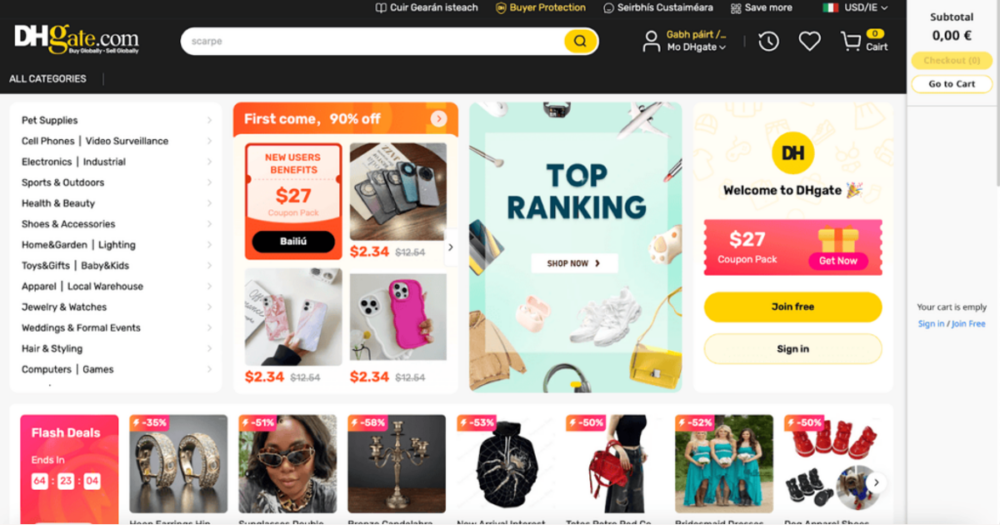
Buying sakura-themed items on DHgate uses the same protections and processes as any other product category, so your main task is to read the platform’s signals—seller ratings and order volume, reviews and buyer photos, product descriptions, shipping estimates, and refund or return terms—through the lens of your expectations for color, pattern, seasonality, and materials. This guide focuses on those DHgate rules and information points, not on specific shops, and it reflects a preference for clear protections and trustworthy listings over simply chasing the lowest price or rarest sakura design.
How DHgate protections apply to sakura-themed items
On DHgate, sakura-themed decor, stationery, drinkware, and gifts are treated like any other product category: they sit under the same standard buyer protection, order processing, shipping, dispute, and refund systems. The real difference is not in special rules for sakura items, but in how carefully you read the signals DHgate shows on each listing—seller rating and number of completed orders, written reviews and buyer photos, the product description, and the stated shipping methods, delivery estimates, and refund or return terms.
When you care about details like soft pink gradients, specific blossom patterns, or whether a design is printed, embroidered, or glazed, those DHgate signals become your main tools for judging whether a listing can realistically match your expectations. The rest of this guide applies that approach to sakura-specific concerns such as color accuracy, motif style, seasonal timing (for example, wanting items before spring), and how the materials feel in real life.
My own bias is toward clear protections and trustworthy, well-documented listings rather than chasing the absolute lowest price or rarest sakura design with thin information. I would rather pay a little more to buy from a seller with strong ratings, many orders, and detailed photos and descriptions, because that usually means fewer surprises. If you are comfortable treating a very cheap sakura trinket as a low-stakes experiment, you might reasonably accept more uncertainty—but it helps to make that choice consciously, based on the DHgate signals in front of you.
Judging sakura sellers and listings: ratings, reviews, and visual details
Start with the seller’s basics. On DHgate, a higher rating combined with a larger number of completed orders and a store that has been active for longer generally signals more predictable service. For sakura-themed items, I pay particular attention to sellers whose ratings stay high even after many transactions, because that suggests their photos, descriptions, and delivery times consistently match what buyers expect.
Then look closely at the listing itself. Strong sakura listings usually have multiple real photos that clearly show the blossom motif from different angles, close-ups of the pattern and color gradients, and images that make it obvious whether the design is printed, embroidered, or glazed. Detailed text about materials and size—such as paper weight for stationery, fabric type and thickness for textiles, or whether a cup is ceramic, glass, or plastic—also helps you judge how the item will feel and last in everyday use.
Common disappointments with sakura goods are visual and tactile: colors can appear duller or a slightly different shade than in bright studio photos, motifs may turn out to be flat prints where you expected raised embroidery or a textured glaze, and items—especially decor pieces, charms, or small gifts—may feel smaller or thinner than the photos implied. Treat these as predictable risk points rather than rare disasters, and check how each listing addresses them.
Use the description and any size chart as a checklist. Confirm actual dimensions instead of relying on how large something looks in a styled photo, and look for material notes that hint at thickness or sturdiness—for example, the GSM (weight) of paper, the blend and weave of fabrics, or mentions of double-layer construction versus a single thin layer. If the finish type matters to you, scan for words like “printed,” “embroidered,” “embossed,” or “glazed” rather than assuming from the pictures alone.
Reviews and buyer photos are where recurring issues show up. I scan for repeated phrases like “color not as picture,” “pattern slightly blurred,” “thinner than expected,” or “smaller than looks in photos.” A few isolated negative comments mixed into mostly positive feedback may simply reflect individual taste, but consistent patterns of the same complaint are a sign that you should either avoid that listing or at least adjust your expectations before ordering.
Because I care more about avoiding avoidable disappointments than about saving every last dollar, I tend to favor DHgate sellers with established ratings, clear, varied photos, and fuller descriptions for sakura items, even when the price is slightly higher. If you’re buying a very inexpensive sakura keychain or sticker set and you’re happy to treat the outcome as a surprise, you might accept sparser information and a newer seller—but it’s wise to recognize that you’re trading some reliability in color, materials, and sizing for that lower price or rarer design.
Order and payment flow for sakura items on DHgate
- Add your chosen sakura-themed items to the DHgate cart, check the quantity, options such as color or size, and confirm the total price inside the platform before you submit the order.
- Submit the order through DHgate and choose one of the payment methods DHgate supports in its checkout, completing payment within the official system rather than through any external link or transfer.
- After payment is processed, DHgate shows an order confirmation and status updates in your account—typically moving from “pending” or “processing” toward “shipped”—so you can see that the transaction is recorded under DHgate’s buyer protection.
- Be cautious if a seller asks you to pay by direct bank transfer, messaging‑app payment, or any method outside DHgate’s checkout. Paying off‑platform can leave the transaction outside DHgate’s protection and make disputes or refunds much harder to pursue.
- Keep all payment and communication inside DHgate, even for small, cute sakura purchases, so issues like non‑delivery or major mismatch with the listing can be handled through DHgate’s messaging, dispute, and refund processes rather than private arrangements.
- I would treat any listing that pushes me toward off‑platform payment as a clear red flag, no matter how rare or charming the sakura design looks, because staying within DHgate’s system is what keeps the transaction covered by platform rules.
Shipping, delivery times, and tracking for sakura-themed orders
Once your sakura order is placed, DHgate’s shipping information helps you estimate when it might arrive. Listings typically show available shipping methods, an estimated delivery window, the destination regions or countries a seller ships to, and, after dispatch, a tracking number or status updates you can follow from your order page.
Those delivery ranges are estimates, not promises. Actual timing depends on where the item ships from and to, the carrier service used, customs checks, and overall logistics conditions, so DHgate does not guarantee a specific arrival date. A short quoted window from a seller with little history can be just as uncertain as a longer one from a more established store.
For sakura decor or gifts you want before spring or a particular event, it’s safer to order well in advance, pick sellers that state clearer and more realistic timeframes, and avoid listings with very vague or unusually long estimates unless you’re flexible about when the items arrive.
Tracking usually moves through simple stages such as processing, shipped, in transit, and delivered, giving you a general sense of progress without guaranteeing how often scans will update. Slow or missed scans and delays can still happen, so it’s better to build in extra time and watch the tracking for signs of movement rather than relying on the earliest possible date.
Because I care more about actually having sakura items ready when I need them than about shaving a few days off an estimate, I would rather order earlier from a seller with transparent shipping and tracking than gamble on very tight timelines from an untested seller for time‑sensitive sakura purchases.
Using descriptions and buyer photos to avoid sakura item mismatches
How DHgate disputes and buyer protection work for sakura items
- Start by contacting the seller through DHgate’s internal messaging from your order page, explaining clearly if the sakura item arrived with the wrong pattern, poor print quality, damage, or if it has not been delivered at all.
- Gather clear evidence before you escalate: take photos or short videos showing the damage or mismatch, keep screenshots or copies of the original listing description and images, and note your order number, quantities, and options (such as color or size) so you can show exactly what you expected to receive.
- If direct communication doesn’t solve the problem, use DHgate’s dispute function within the buyer protection period so the platform can formally review the case. When opening a dispute, attach your photos, listing screenshots, and order details, and describe how the item is not as described or has not arrived.
- Dispute outcomes depend on DHgate’s current rules and the specific evidence you provide. Time limits, documentation requirements, and possible resolutions can change, so it’s important to read the latest buyer protection and dispute policy language on DHgate before you act and follow the instructions shown there for your order.
- Keep all interactions and documentation inside DHgate rather than shifting to private email, messaging apps, or direct payment channels. Staying on-platform helps ensure your messages and evidence are visible in the dispute record and makes it easier to rely on DHgate’s buyer protection mechanisms.
- Personally, I’m more willing to invest time in the dispute process for mid-priced or meaningful sakura items—such as special decor or gifts—and might simply accept small imperfections on very cheap trinkets. That doesn’t mean small orders lack protection; it just reflects that you can choose when the effort of gathering evidence and pursuing a dispute feels worthwhile for you.
Return and refund terms for sakura-themed purchases
On DHgate, sakura-themed items sit under the same general return and refund framework as any other product, but the exact conditions are set by each seller. A listing may specify which reasons are eligible for a return (for example, not-as-described or damaged on arrival), how long you have to request it, and whether you or the seller pays for return shipping.
You usually find this information alongside the price and shipping details on the product page and again in the order or store policy area. Before ordering sakura decor or heavier drinkware, I look for clear wording about the return window, what counts as a valid reason, and who covers the cost of sending an item back, because fragile or weighty pieces can be expensive to ship internationally.
For very low-priced decorative sakura items, the practical value of a return can be limited. The time, effort, and cost of packing the item, arranging international return shipping, and waiting for processing may be higher than the price you originally paid, which means you might instead rely on disputes for serious issues like non-delivery or a major mismatch and accept small imperfections as part of the risk.
A useful habit is to ask yourself whether you would realistically ship the item back under the listed conditions. If the answer is no, factor that into your decision before you buy and treat the purchase accordingly—either as a more experimental, higher-risk order or something you only place when you are comfortable with possible flaws.
Personally, I treat return and refund terms as a key signal of how a sakura purchase may play out. If a seller’s policies look restrictive, confusing, or place all costs on the buyer without clear justification, I’m willing to skip that listing even if the design is charming or cheaper than alternatives, and I’d encourage you to make a similarly conscious choice rather than deciding on appearance alone.
Balancing safety, price, and rarity for sakura listings
| Listing type | Typical pros | Typical trade-offs | When this choice makes sense |
|---|---|---|---|
| Established sakura listings from high-rated sellers | More predictable quality and color match, clearer photos and detailed descriptions, shipping estimates that tend to align better with reality, and more experienced handling of questions, disputes, or refunds. | Usually higher prices than the least-cost options, fewer ultra-rare or experimental designs, and less room to accept big variations in materials or size. | Best for sakura items that matter—gifts, decor you need by a specific date, or pieces where you care about finish and durability and want smoother support if anything goes wrong. In these cases I almost always choose this safer category. |
| Cheaper or rarer sakura designs from newer or lower-rated sellers | Access to unusual patterns or limited-looking designs, lower upfront prices, and the chance to try styles you might not find from established stores. | Thin or stock-style listing photos, vague material and size details, fewer reviews and unknown shipping reliability, plus more uncertainty and effort if you need to resolve problems later. | Reasonable for low-cost, experimental purchases where you’re happy to treat the order as a gamble and can accept imperfect colors, variable materials, or slower delivery. I only pick this path when the price is very low and I’m comfortable with that extra risk. |
Quick checklist before you buy a sakura item on DHgate
- Check the seller’s overall rating and number of completed orders to see whether they have a consistent, reliable track record.
- Read several recent reviews and scan buyer-uploaded photos to judge how closely real colors, sakura patterns, and overall quality match the listing images.
- Confirm materials and dimensions in the description, including any size charts or notes about thickness and surface finish, so the item’s feel and scale match your expectations.
- Review the shipping method, estimated delivery window, and destination region, and add extra time if you need the sakura item for a specific season or event.
- Check the listing’s refund and return terms, including who pays return shipping, and decide if they are acceptable for this item’s price and importance to you.
- Prioritize trust and clarity signals—seller record, reviews, and clear details—before price or rarity; if you are buying very cheap sakura trinkets, you might reasonably give less weight to strict return options and accept more variation instead.
Are seasonal sakura items handled differently on DHgate?
Are seasonal or limited-edition sakura items treated differently by DHgate than regular products?
Based on DHgate’s public buyer protection and help documentation, seasonal or limited-edition sakura items are not placed in a special rule category. They go through the same core processes as other listings: you order and pay through DHgate’s checkout, shipments follow the seller’s chosen methods and the platform’s tracking, and any problems are handled through standard dispute, return, and refund frameworks.
What can differ is how individual sellers manage seasonal stock. For example, a seller might note that a sakura design is limited in quantity, available only as a pre-order, or produced and shipped on a specific schedule for a spring collection. They might also set particular shipping methods or cut-off dates to reflect that timing. Those are seller-level choices, not extra platform-wide protections or restrictions.
When you consider a seasonal sakura listing, treat these notes as part of your normal evaluation routine: read the description for mentions of limited inventory, pre-order periods, and production or dispatch timelines; check the stated shipping options and estimated delivery window; and review the return and refund terms in the same way you would for any other DHgate product. I would not assume extra leniency or stricter treatment just because the item is seasonal—instead, I rely on the same DHgate signals throughout: seller rating and history, reviews and buyer photos, clear descriptions, shipping estimates, and the listed dispute and refund conditions.