
When Auctane or a brand like ShipStation appears on your DHgate shipping label or tracking page, you’re seeing the name of the software used to organise the shipment, not a new courier or marketplace. Auctane owns several shipping and fulfillment tools that help sellers import DHgate orders, choose carrier services, and create labels and tracking numbers. Understanding this software role makes it easier to check the right place—DHgate order details, seller messages, or the carrier’s tracking—when something about your delivery doesn’t look right.
What Auctane is (and how it differs from DHgate and carriers)
Auctane is a shipping and fulfillment software company that owns several brands used by online sellers to manage their deliveries, including ShipStation, ShipEngine, Metapack, Stamps.com, ShippingEasy, ShipWorks, and Endicia. Instead of being a courier or a marketplace, Auctane provides the software layer that connects stores and platforms like DHgate to postal services and carriers.
Merchants and logistics providers use these Auctane tools to pull in orders, choose shipping services, buy and print labels, and generate tracking numbers that are sent back to DHgate and other sales channels. DHgate’s role is to host the transaction between buyer and seller, while carriers and postal services handle the physical transport of parcels.
If you see the Auctane name—or one of its brands—on a label, email, or tracking page for your DHgate order, it usually means the seller used that software behind the scenes to set up the shipment. It does not mean Auctane is the company delivering your package or the party responsible for handling delivery problems, disputes, or refunds.
What services Auctane’s platforms provide for e‑commerce shipping
- Order import and central order management: Auctane platforms can pull orders from multiple sales channels and carts into one dashboard, including DHgate orders if the seller connects their DHgate account or uses a compatible workflow.
- Carrier rate shopping and service selection: Sellers can compare shipping services and prices from different carriers or postal options, then choose the service that fits their budget and expected transit time.
- Label purchasing and printing: Tools such as ShipStation and Stamps.com let merchants buy postage or shipping labels from integrated carriers and print them for each parcel.
- Address validation and basic error checking: Some Auctane products offer features to check addresses for missing details or obvious errors before a shipment is created, helping reduce failed deliveries.
- Tracking number generation and updates: When a label is created, the software generates a tracking number and can send that data back to connected sales channels so DHgate can display shipment status to buyers.
- Returns support: Certain platforms provide ways to create return labels or manage return workflows, which sellers can use when they choose to offer returns or need a parcel sent back.
These capabilities are aimed at merchants and logistics providers, not buyers directly, even though buyers may still see Auctane brand names on labels or tracking pages.
The exact features and depth depend on which Auctane product a seller uses, the seller’s country, the carriers connected to their account, and how their settings are configured. Marketing materials sometimes highlight potential savings or faster processing, but those results vary by setup and are not guaranteed for any specific DHgate order.
Where Auctane fits in a typical DHgate cross‑border order flow
- Buyer places an order on DHgate and completes payment. DHgate records the order details on the platform and shows the initial order status to the buyer.
- The seller or their logistics partner accesses the DHgate order information. In many setups, they use an Auctane tool (such as ShipStation or another brand) to automatically import orders from DHgate and any other sales channels into one dashboard.
- Inside that Auctane product, the seller chooses a carrier and service, compares rates, and creates the shipment. The software generates and prints a shipping label that includes the buyer’s address and a tracking number.
- The tracking number and basic shipment data are sent back to connected platforms, which can include DHgate. The buyer then sees tracking information on the DHgate order page or in notifications, and those pages or emails may mention an Auctane brand like ShipStation as the software that produced the label.
- Once the parcel is handed over, the carrier or postal service is responsible for the physical journey: pickup, export processing, international transit, customs clearance, and last‑mile delivery. Auctane does not operate vehicles, depots, or customs offices.
- Tracking scans come from the carrier’s systems. They appear in DHgate’s tracking view and sometimes on carrier sites or tracking pages that reference an Auctane brand, but customs decisions, routing, and exact delivery dates are controlled by the carrier and authorities, not by Auctane’s software.
- This is a common pattern rather than a guarantee. Some DHgate sellers may rely on other shipping software or log in directly to carrier portals instead of using Auctane tools, so not every order will show an Auctane brand name in the workflow.
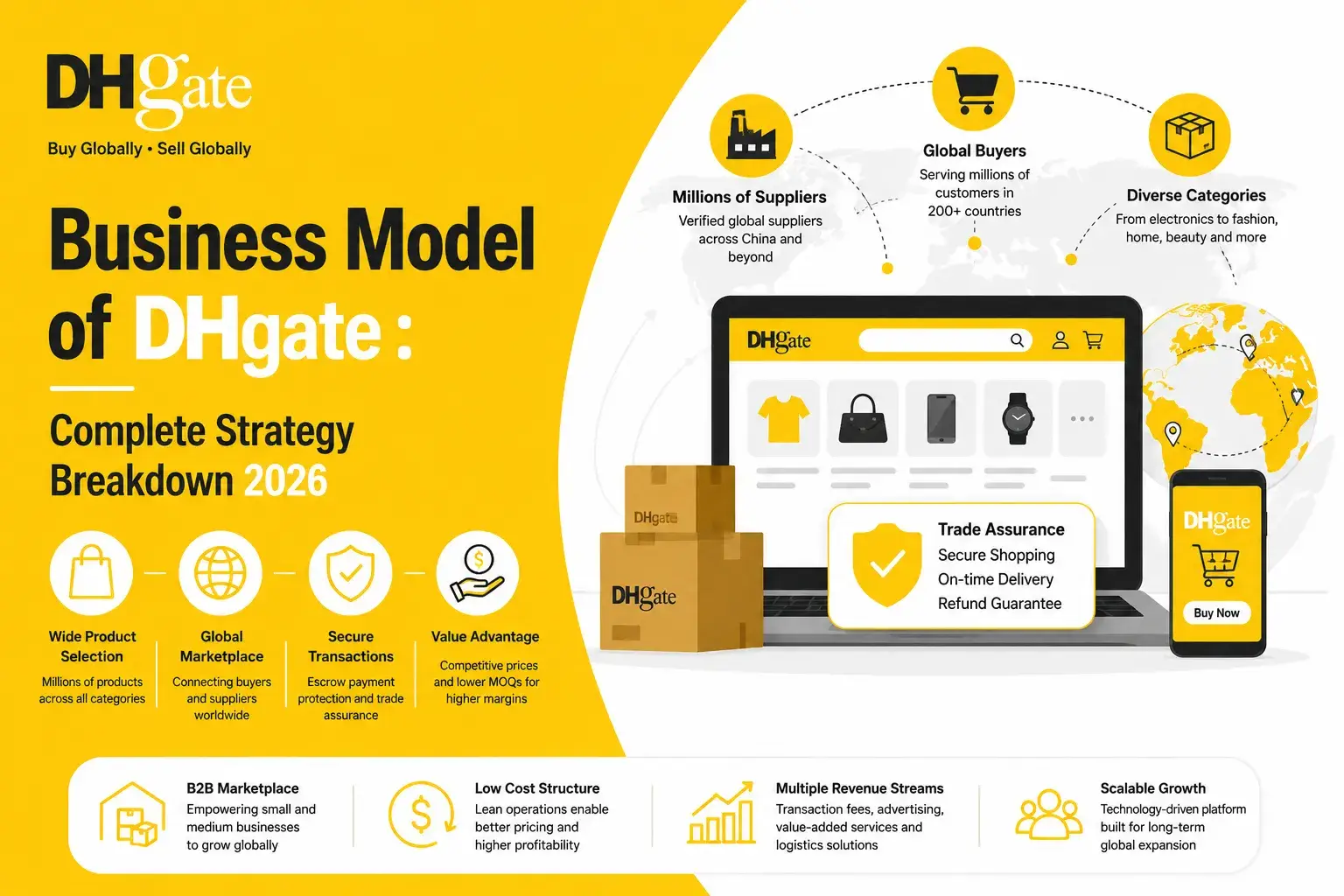
In a typical DHgate cross‑border shipment, the buyer and DHgate sit at the start of the flow, the seller uses an Auctane tool between their order system and the carrier to create labels and tracking, and the carrier handles the physical movement and delivery of the parcel.
What seeing Auctane’s name means for DHgate buyers (and who handles problems)
When you see wording like “Powered by ShipStation” or an Auctane logo on a shipping label, tracking link, or email, it usually means your DHgate seller or their logistics partner used Auctane software to create that label and manage the shipment data. The branding points to the behind‑the‑scenes tool, not to a company that owns trucks or delivers parcels.
Auctane is not the shipper of record for your order and is not the party that decides how quickly the parcel moves or whether compensation is paid if something goes wrong. Long transit times, gaps in tracking scans, or routing choices still come down to the carrier’s processes, the seller’s service selection, and normal cross‑border logistics, rather than Auctane itself.
For practical DHgate situations—such as a package taking longer than expected, scans not updating, or questions about an address—you should focus on DHgate order status, the carrier’s tracking page, and messages with the seller. Contacting Auctane about a consumer shipment will rarely resolve the issue, because their role is limited to providing the software the seller uses.
| Party | Main role in a DHgate order | Typical responsibilities | Who to contact for issues |
|---|---|---|---|
| DHgate | Online marketplace and payment platform for cross‑border orders. | Hosts listings, processes payments, shows order and tracking status, and provides buyer protection and dispute tools. | Use DHgate support when a dispute, refund claim, or buyer‑protection deadline is involved, or if the seller is unresponsive. |
| Seller | Merchant that lists products on DHgate and arranges shipping. | Prepares and packs the order, chooses carriers and services, selects software tools (which may include Auctane products), and replies to buyer messages. | Contact the seller through DHgate for order‑specific questions, shipping options, address corrections, and many delivery concerns. |
| Carrier or postal service | Company that physically transports and delivers the parcel. | Picks up the shipment, moves it through depots and international transit, performs tracking scans, handles customs hand‑off, and completes last‑mile delivery. | Check the carrier’s tracking page for detailed scan information and work with the seller via DHgate if there are carrier problems such as repeated delays or returned parcels. |
| Auctane software | Behind‑the‑scenes tools that link orders from DHgate and other channels to carriers. | Imports orders, helps compare services and buy labels, generates tracking numbers, and passes shipment data between the seller’s systems and carriers. | Auctane does not handle consumer claims or set delivery guarantees. For delays, missing scans, or lost packages, rely on DHgate order status, carrier tracking, and communication with the seller instead of trying to reach Auctane. |
Why Auctane marketing claims don’t override DHgate timelines or protections
For DHgate buyers, the well-supported point is that Auctane is a shipping and fulfillment software company. It owns and operates tools such as ShipStation, ShipEngine, Metapack, Stamps.com, ShippingEasy, ShipWorks, and Endicia, which merchants use to import orders, compare carrier options, buy labels, and pass tracking data between their stores and shipping providers.
By contrast, claims about faster processing, better on‑time delivery, or specific percentages of cost savings are usually marketing statements or case‑study stories tied to particular merchants and setups. They are not neutral test results for every DHgate order, and this guide does not independently verify those performance numbers.
Real‑world outcomes depend on how each seller configures their account, which carriers and service levels they choose, the origin and destination countries, parcel weight and size, and how customs handles the shipment. Two DHgate orders handled with the same Auctane brand can still experience very different delivery times and costs because these underlying factors differ.
Common follow‑up questions about Auctane and DHgate orders
Do I need an Auctane or ShipStation account to receive my DHgate order?
No. Auctane tools like ShipStation are used by DHgate sellers and their logistics partners to manage shipments. As a buyer, you only need your DHgate account and the carrier’s tracking; you do not need any Auctane account for your parcel to be delivered.
Does Auctane change DHgate’s buyer protection or refund policies?
No. DHgate’s buyer protection, refund rules, and dispute processes are set by DHgate and the seller’s obligations, not by Auctane. Whatever shipping software a seller uses, you still rely on DHgate’s order page, dispute tools, and policies when you request a refund or open a case.
Can I choose whether my DHgate seller uses Auctane tools or something else?
Generally no. The seller or their logistics partner decides which shipping software and carriers to use. You can ask the seller about available shipping options or preferred carriers before purchase, but you usually cannot control which back‑end software (Auctane or another tool) they use to create labels and tracking.
Can I contact Auctane customer support about a late or lost DHgate package?
Typically no. Auctane provides software and does not manage shipments or consumer support for DHgate orders. If your package is late, lost, or not scanning, check DHgate order status, message the seller through DHgate, and use the carrier’s tracking page; those parties handle delivery issues and any related refunds or claims.