
Canadian welding supply platforms largely split into three buckets: pro-focused online stores, manufacturer or brand webshops, and industrial gas/equipment providers that also sell welders and consumables. For most small shops and ecommerce buyers in Canada, you’ll get core machines and certified safety gear from those local routes, then layer in global marketplaces only when you’re chasing specific accessories or price breaks that local distributors don’t offer.
A typical path looks like this: buy your MIG/TIG/stick machines, helmets, and core consumables from Canadian pro stores or gas/equipment providers, use manufacturer sites if you’re committed to a brand like Canaweld, and reserve cross-border marketplaces for low-cost accessories once you’ve checked standards and lead times. Below is how the main platform types actually work.
How Welding Supply Platforms in Canada Are Structured
From a buyer’s perspective, Canadian welding platforms fall into a few clear categories.
1. Pro welding ecom stores Sites like Canada Welding Supply and Weldready are built around welding and cutting. Canada Welding Supply positions itself as a source for professional welding gear, organizing products “by brand” and “by collection” and running promo themes like “BUILD WITH BLUE” and “BUY RED SAVE GREEN” tied to major brands. Weldready highlights welders, helmets, plasma cutters, MIG guns, TIG torches and consumables on its homepage.
These stores typically serve:
- Small fabrication shops and contractors who need machines, wire, rods, and PPE in one place.
- Serious hobbyists upgrading from box-store tools to pro brands.
2. Manufacturer / brand-led platforms On the manufacturing side, there are Canadian-based brands and producers whose primary site is about their own line-up. Canaweld focuses on MIG, TIG, stick welders and plasma cutters it designs, noting that its machines are built to meet strict Canadian standards (including CSA listings). These sites are best if you’ve standardized on the brand and want:
- Direct access to the full catalog of that manufacturer.
- Technical documentation and process-specific machines (e.g., multi-process inverters) aligned with Canadian certification.
3. Gas and industrial equipment providers Large players like Linde Canada and Air Liquide Canada pair welding equipment with industrial gases and site service.
Linde’s online shop breaks out categories like MIG welding, multi-process welding, laser welding, engine drive welding, oxy-acetylene cutting, plasma cutting, fume extractors and more. Air Liquide’s welding equipment page highlights that you can buy gear from industry brands such as Miller, Lincoln Electric, ESAB and Hypertherm.
These platforms usually fit:
- Shops that already buy shielding gas, oxygen, or nitrogen on account.
- Small manufacturers who want machines, consumables, and gas delivered under one relationship.
4. General tool and welding sections Beyond welding-specific platforms, Canadian tool retailers like KMSTools also run welding supplies categories, but their focus spans woodworking, automotive and general tools. These can work for occasional buyers, though assortment and depth for niche welding processes tend to be thinner than the specialists above.
How Different Welding Platforms Work for Buyers
The same shop can feel very different depending on whether you’re buying from a pro ecom store, a manufacturer site, or a gas/equipment provider. Here’s how they tend to operate from a buyer’s chair.
Pro welding stores: assortment and buying experience
On Canada Welding Supply, the homepage is structured around “Shop by Brand,” “Shop by Collection,” and featured promos. That tells you a few things:
- Brands are a central decision filter, which matters if you’re trying to keep consumables (nozzles, liners, contact tips) compatible with existing guns and torches.
- Collections usually map to processes (MIG/TIG/stick), safety, and accessories, simplifying replenishment.
- Promo campaigns signal that seasonal discounts are common, which can help a small shop time machine upgrades or helmet replacements.
Because these are pro-focused, you’ll often find:
- Higher-end machines suitable for fabrication, repair, and light industrial work.
- Certified PPE like auto-darkening helmets, respirators, and jackets.
- Process-specific consumables for stainless, aluminum, flux-core, etc.
Weldready takes a similar approach, headlining welders, helmets, plasma cutters, guns, torches, and consumables. For a small ecommerce seller reselling welding kits, this kind of site offers wide SKU coverage without needing a gas contract.
Manufacturer platforms: brand depth and standards
A brand site such as Canaweld is narrower but deeper. You’re primarily choosing within that brand’s MIG/TIG/stick and plasma range. The upside is consistency:
- Machines and accessories are designed as a system, so torches, cables, and foot pedals are made to match.
- The brand invests in meeting Canadian standards and certifications across the line, which simplifies safety documentation for your own customers.
The trade-off: if you need third-party accessories (e.g., a different helmet brand) or specialty consumables from another manufacturer, you’ll stitch those in from pro stores or marketplaces.
Gas and equipment providers: integrated supply but more structure
On Linde Canada’s welding and cutting equipment page, categories are highly segmented — MIG welding, multi-process, laser welding, plasma cutting, oxy-acetylene, engine drives, and even fume extraction. That’s typical of industrial-focused platforms:
- You can outfit an entire facility: power sources, torches, wire feeders, extraction, and cutting systems.
- Offerings are designed with industrial gas usage in mind, making it easier to match machines to available gas mixtures.
Air Liquide’s welding equipment page, featuring brands like Miller, Lincoln Electric, ESAB and Hypertherm, suggests an authorized distribution relationship with these major names. For a small fabrication shop, that means:
- You can standardize on big-brand power sources.
- You can often coordinate equipment selection with gas supply and potential on-site service.
Operationally, accounts and credit terms are more common here than with purely retail ecom; that’s attractive if you’re scaling into multi-machine purchases or recurring consumables orders.
Mini-case: Canada Welding Supply vs. Linde Canada for a small shop
Imagine a 4-person fab shop in Ontario:
- Canada Welding Supply route: You pull a new multi-process inverter, a couple of helmets, gloves, and TIG consumables from a pro ecom store. This works well if you already have gas sorted locally and value quick online ordering and brand choice across multiple manufacturers.
- Linde Canada route: You instead work with Linde for a MIG power source, plasma cutter, and fume extraction, ordered via its welding & cutting equipment category, and bundle that with Argon and CO₂ gas deliveries. This favors integrated supply and industrial brand access when you’re ready for a more structured vendor relationship.
Neither is automatically better; they serve slightly different stages of shop maturity and brand commitment.
Comparing Local Canadian Platforms with Global Marketplaces
Once your core machines and PPE are handled locally, you’ll inevitably look at global marketplaces for price and variety — especially on accessories.
Global sites like Alibaba, AliExpress, eBay and Amazon offer immense ranges of welding-related gear, much of it from offshore manufacturers. DHgate is one such marketplace; around 2026-09-23, DHgate listings included items like:
- A “Accessories Tools Nozzle” kit for plasma and TIG equipment categorized under welding accessories, with a price range of about USD $28–$29 from a seller named ddmymaster.
- Magnetic welding clamp sets marketed as “Welding Clamps” in the welding accessories category near USD $35–$37 from seller ddmyearth.
- A small “Portable Industrial Professional Spot Welder” listed under welders around USD $65–$67 from seller ddmyearth.
Prices and availability change, but the pattern is clear: multiple sellers list low-quantity welding accessories, clamps, and small tools at relatively low unit prices.
Here’s how Canadian platforms and global marketplaces differ at a practical level:
| Channel type | Typical strengths for welding buyers | Typical limits or risks |
|---|---|---|
| Canadian pro welding stores (e.g., Canada Welding Supply, Weldready) | Curated assortment of major brands, gear designed for Canadian standards, easier warranty paths, clear process categories (MIG/TIG/stick, plasma) | Higher pricing on some accessories vs offshore; smaller selection of ultra-niche or experimental tools |
| Gas & equipment providers (e.g., Linde, Air Liquide) | Access to industrial-grade brands (Miller, Lincoln, ESAB, Hypertherm), bundled with gas supply and service; good for multi-machine shops | More formal account setup; less focused on hobbyist-level accessories or one-off small tools |
| Manufacturer sites (e.g., Canaweld) | Deep support for one brand, consistent standards, documentation and training aligned with Canadian regulatory environment | Limited cross-brand choice; you’ll source third-party helmets, clamps and niche consumables elsewhere |
| Global marketplaces (including Cross-border multi-seller) | Large pool of offshore accessories, clamps, fixtures and some compact welders, often with small MOQs and low unit prices | Variable adherence to Canadian/CSA safety standards; longer and less predictable lead times; buyer must vet each seller and product carefully |
For a buyer-first strategy, think of global marketplaces as a second channel rather than your primary welding supply route:
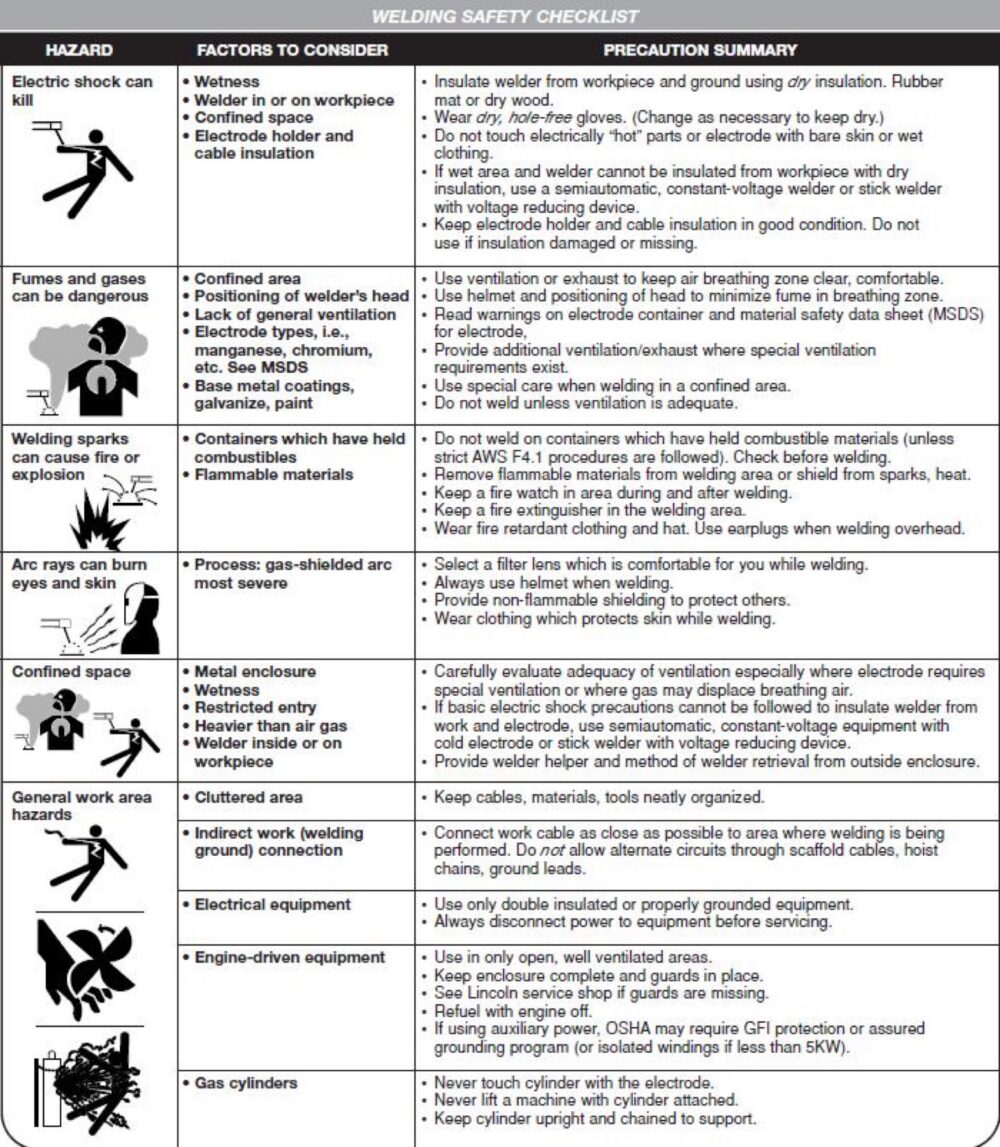
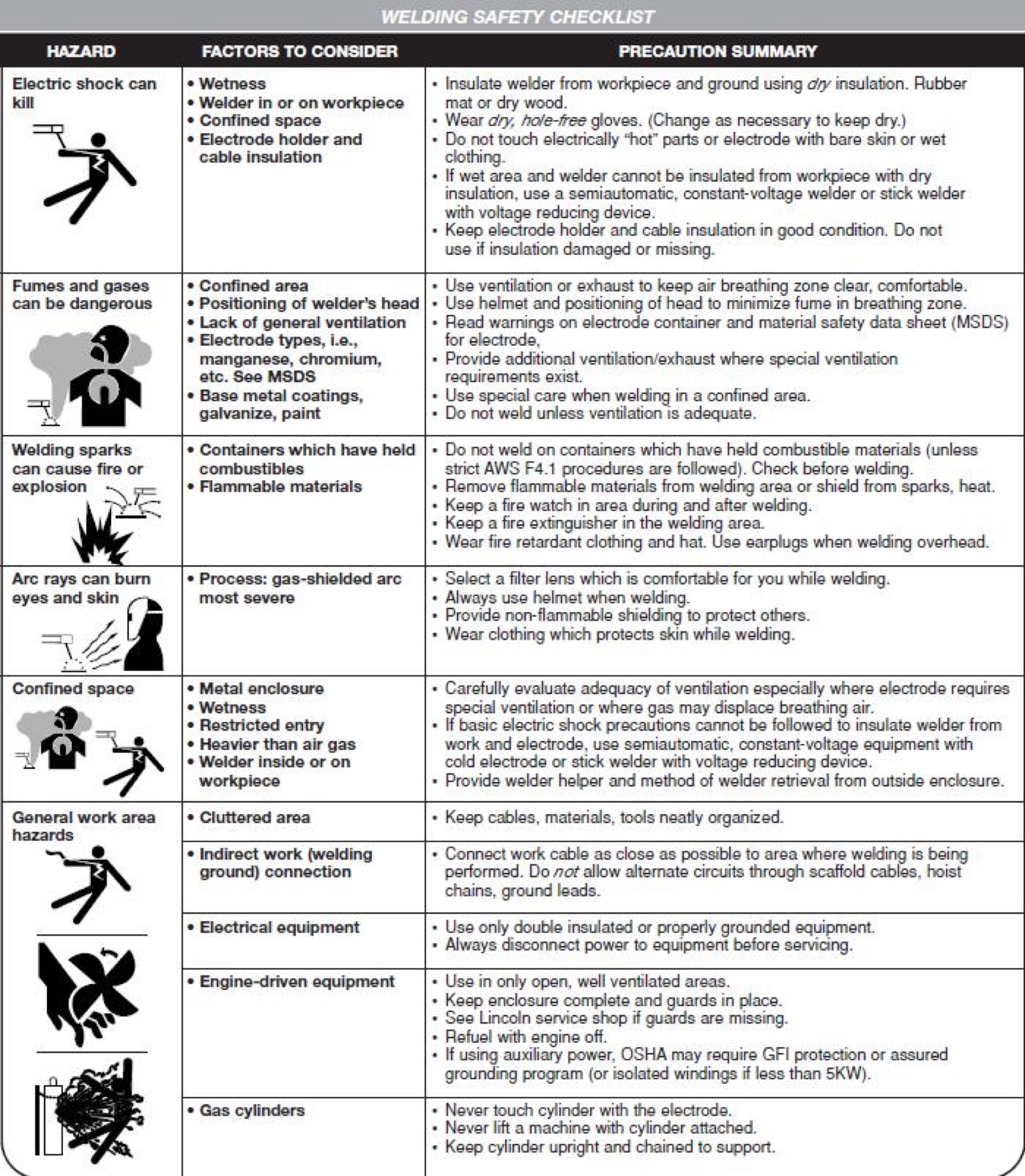
- Keep life-safety items (helmets, respirators, jackets, high-output power sources) anchored to Canadian platforms or well-established brands sold through distributors like Air Liquide or Linde.
- Use offshore marketplaces for non-critical accessories — jigs, clamp sets, fixtures, small repair tools — after comparing total landed cost with a Canadian store.
Before mixing offshore tools with Canadian-certified equipment, sanity-check:
- Electrical specs (voltage, plug type) against your shop.
- Whether the accessory touches the weld puddle or electrical path; mis-specified torches, leads or clamps can create real safety hazards.
- Any mention of testing or certification; absence doesn’t prove it’s unsafe, but it means the burden is on you to evaluate.
If you want more background on how DHgate as a marketplace operates generally (outside welding specifically), you can read our explainer on how DHgate works or, for multi-market comparisons, this comparison of DHgate, AliExpress, Alibaba and Temu. Use that context to decide how much cross-border exposure you’re comfortable adding on top of Canadian welding platforms.
Matching Platform Types to Common Buyer Scenarios
To pull this together, here’s how different Canadian and global channels map to real-world welding buyers.
Hobbyist or one-person side business You may not need gas contracts or industrial brands. In practice:
- Use pro welding ecom stores or general tool retailers in Canada for your primary machine, helmet, and basic consumables, so you know they’re compatible with local power and standards.
- Add a few global marketplace accessories for jigs or clamp sets if the price difference is meaningful and you’re comfortable inspecting quality on arrival.
Small fabrication shop (2-10 welders) You’re balancing uptime, safety, and cost over many hours of arc time.
- Use Canada Welding Supply, Weldready or similar for consumables, PPE and some machines; mix in brand-led sites like Canaweld if you standardize on their equipment.
- Consider Linde or Air Liquide when gas supply, fume extraction and big-brand power sources need to be coordinated.
- Treat offshore marketplaces as optional for non-critical fixtures and small tools, and be cautious about integrating uncertified power equipment.
Ecommerce reseller of welding gear Your focus is margin and reliable sourcing for what you resell.
- Source core brands and safety-critical gear through Canadian distributors; buyers care about recognized names like Miller, Lincoln, ESAB and Hypertherm, which Air Liquide and similar channels surface.
- Experiment with global marketplaces for niche accessories (magnetic clamps, circuit-board welding fixtures, specialty jigs) where you can test samples and clearly position items as generic, non-certified tools in your listings.
If you keep these roles clear — Canadian platforms for the backbone of your welding operation, marketplaces as a controlled experiment layer — you’ll avoid the most common sourcing mistakes while still taking advantage of cross-border price and variety when it genuinely helps your business.