
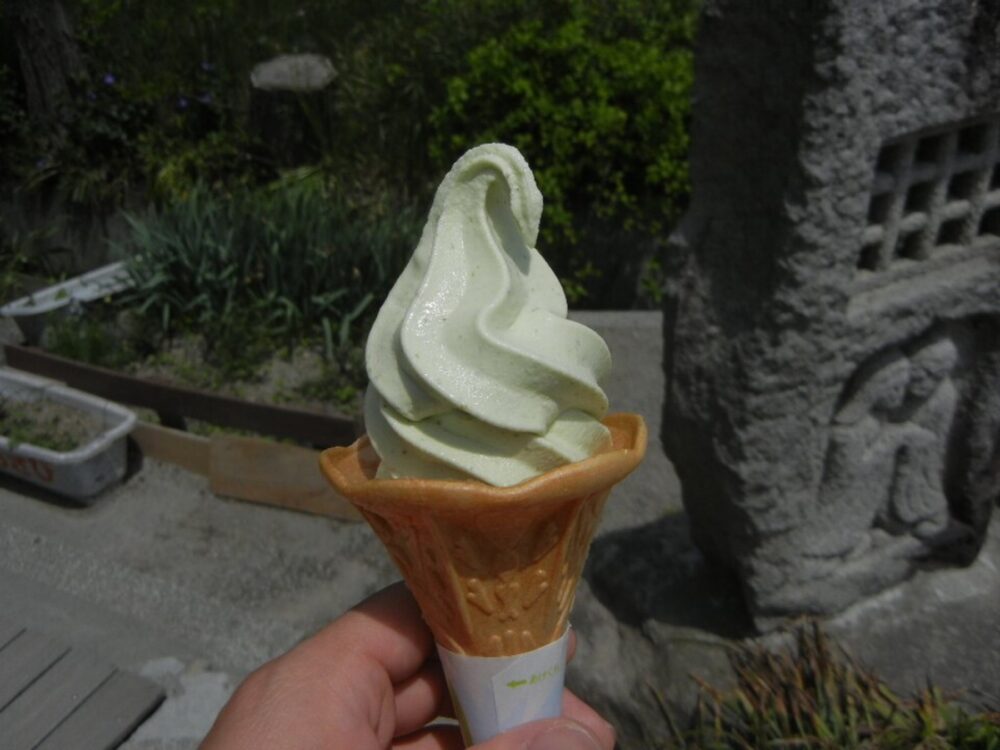
Wasabi ice cream is real, but in the US it lives in niche channels, not the frozen aisle of a typical big-box supermarket. If you just want a scoop, your best bet is Asian-focused grocery apps that deliver to major cities and specialty dessert shops that experiment with flavors like matcha and black sesame. If you’re a small ecommerce seller, you’ll usually start by importing or partnering locally, and only look at cross‑border wholesale platforms if you’re ready to develop a custom product and handle cold‑chain logistics.
Wasabi Ice Cream in the US Market: How Niche Is It?
Wasabi ice cream blends the sharp, pungent heat of wasabi (Japanese horseradish) with the creamy sweetness of ice cream, creating an unconventional flavor that mostly appeals to adventurous eaters rather than families stocking up on vanilla and chocolate. Recipe and editorial sources, such as a detailed flavor breakdown on Recipecan’s wasabi ice cream guide, frame it as a fusion or novelty dessert rather than an everyday staple, which matches how rarely you see it in mainstream US retail.
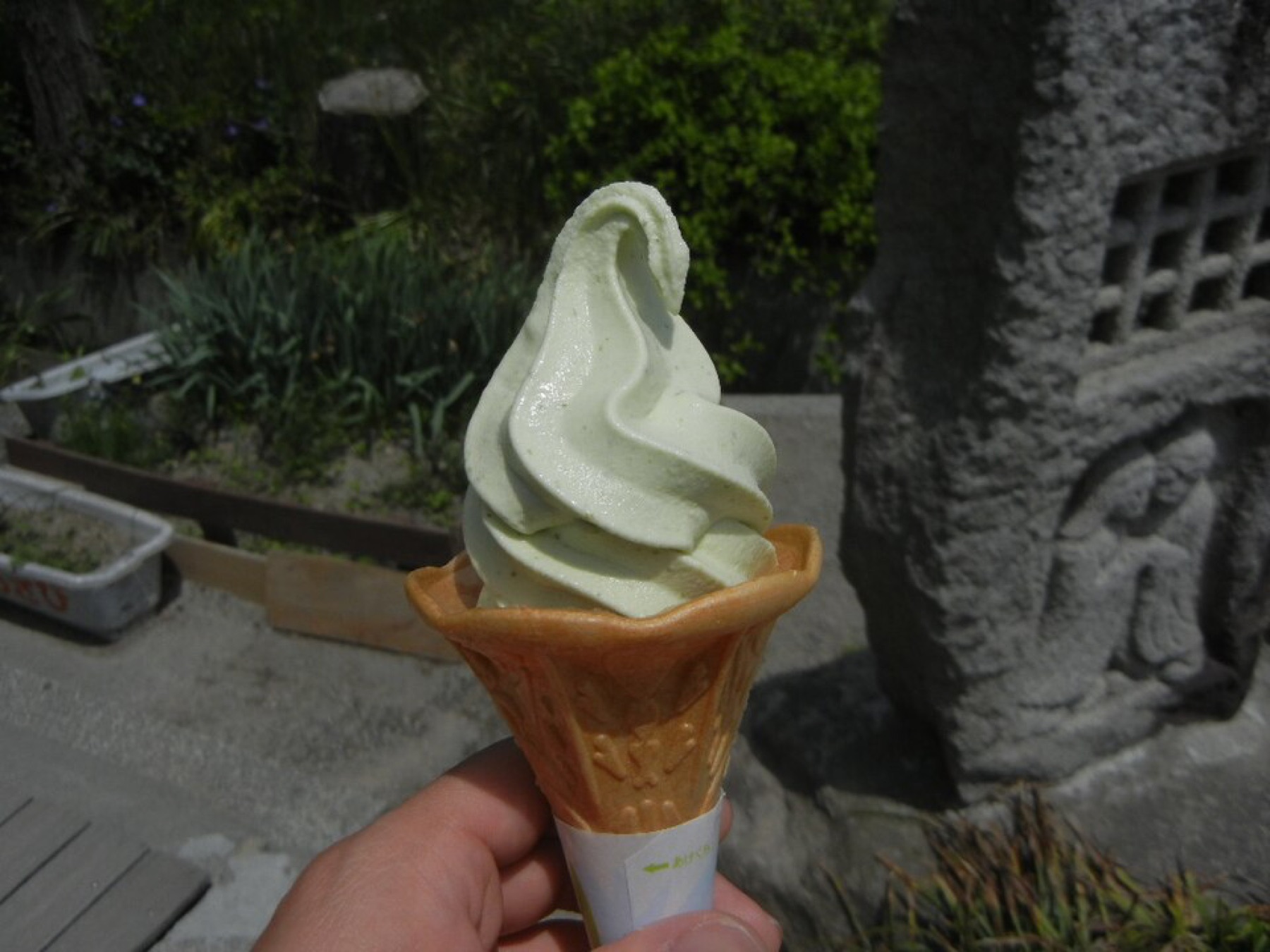
Asian dessert culture, including Japanese soft serve and shaved ice, is known for unusual flavors—think black sesame, matcha, soy sauce, sakura, taro, and durian—sold in dedicated shops rather than generic chains. Asian specialty dessert shops in North America are repeatedly highlighted in editorial guides as key places to find these kinds of flavors, with a wide range well beyond common supermarket options.
In that context, wasabi sits in the same “experimental” bucket, so you should expect it to appear sporadically in those shops and in limited online runs, not year‑round at every supermarket.
Platform Types for Buying or Sourcing Wasabi Ice Cream
You can roughly split your options into four platform types. Each one fits a different kind of buyer and carries different constraints.
1. Asian-focused grocery apps (consumer retail)
Asian online supermarkets like Weee! target major US metro areas and promote themselves as a way to shop Chinese, Japanese, Korean, Vietnamese, Thai, Filipino and Indian groceries with home delivery. Their catalogs often include frozen desserts, novelty ice creams (such as taiyaki fish-shaped cones) and multiple wasabi-related items like wasabi relish and grated wasabi.
That combination—Asian frozen treats plus wasabi products—makes this kind of app one of the most realistic online channels where a wasabi ice cream SKU might appear for US buyers. Availability is highly variable, though. You should treat any discovery as a limited-time product and always check your delivery area and current stock rather than assuming the flavor is standard.
2. Asian specialty dessert shops (local retail)
Specialty dessert shops and Asian ice cream parlors in US and Canadian cities are where the broader range of flavors shows up: matcha, black sesame, red bean, pandan, taro, durian, and more. Editorial roundups of Asian ice cream highlight these shops as the “true” place to experience the variety, compared with the narrow options in regular grocery stores.
For wasabi ice cream, this channel is often the most practical way to actually taste the flavor. Shops may add wasabi as a seasonal experiment or special topping rather than a permanent menu item. The trade-off is that you’re buying scoops, not pints you can resell, and you usually have to be close enough for in‑person visits.
3. Online Japanese and Asian snack retailers (niche ecommerce)
There is a growing wave of online retailers dedicated to Japanese snacks, candy, and novelty foods. Guides to Japanese treats mention that these sites frequently stock wasabi-flavored products—chips, peas, crackers—and sometimes more unusual desserts.
In practice, these platforms may list something like wasabi ice cream or a wasabi dessert kit, but it’s not common or guaranteed. Think of this route as “browse for surprises”: you’re more likely to find shelf-stable wasabi snacks than frozen wasabi ice cream, but for a small ecommerce seller, these sites can be good for initial assortment testing with no cold-chain burden.
4. Wholesale marketplaces (cross-border sourcing)
Wholesale marketplaces are built for buyers who want to source in bulk or develop custom products directly with suppliers, usually cross‑border. That model can, in theory, include food-related products.
Platforms such as DHgate fall in this category as general sourcing marketplaces where you work with individual suppliers rather than a single retailer. For something like wasabi ice cream, this route is only realistic if you plan to:
- Collaborate on a custom recipe or private-label product, and
- Take responsibility for food-safety compliance, import rules, and frozen shipping.
Because official policy details aren’t covered here, you should treat any cross‑border frozen food project as high risk and do your own due diligence on regulations, logistics partners, and supplier capabilities.
Here’s how these platform types stack up for wasabi ice cream specifically:
| Platform type | Realistic wasabi ice cream presence | Main use case |
|---|---|---|
| Asian grocery apps (e.g., Weee!) | Possible, limited-time SKUs | Home delivery, personal treat |
| Asian specialty dessert shops | Occasional, experimental flavors | Eat in-store, flavor testing |
| Japanese/Asian snack ecommerce sites | Rare, more often wasabi snacks | Resale of shelf-stable items |
| Cross-border wholesale marketplaces | Only via custom/bulk development | Brand building, high risk |
Choosing the Right Route: Personal Treat vs. Small-Batch Resale
The “right” platform depends heavily on whether you’re just curious to taste wasabi ice cream or you’re planning to resell it.
If you’re a US consumer chasing the flavor
For a single pint or a fun dessert night:
- Check Asian grocery apps first. If they serve your city, search broadly (“ice cream” plus “wasabi”) and be prepared for substitutes like wasabi peas or taiyaki instead of ice cream itself.
- Explore local Asian dessert shops. Use Yelp or Google Maps to search for Japanese or Asian ice cream or dessert bars, then scan photos and menus for unusual flavors. Even if wasabi isn’t listed, shops that already serve matcha, black sesame, or pandan are more likely to experiment.
Mainstream US grocers and big general marketplaces rarely list wasabi ice cream, so they’re low-probability channels for this specific flavor.
If you’re a small ecommerce seller testing wasabi
For a side hustle or boutique snack shop, a sensible path is to minimize risk before you touch frozen imports:
- Start with shelf-stable wasabi items. Source wasabi snacks (peas, crackers, candies) from Japanese or Asian-focused online retailers so you can measure how your audience reacts to the wasabi profile without dealing with cold-chain.
- Use local co‑packing or regional producers for frozen trials. If you see strong interest, talk to a local ice cream maker or co‑packer about a small wasabi batch for pop‑ups or regional delivery. This keeps logistics and compliance manageable.
- Only then consider cross‑border wholesale platforms. If you decide to move toward a custom wasabi ice cream product, treat wholesale marketplaces as one possible route alongside domestic suppliers. You’ll need to compare marketplace models, minimum order expectations, communication style, and your own ability to handle cold‑chain, rather than assuming any platform will solve those pieces for you.
As you move into that third step, you may find it useful to understand how broader marketplace ecosystems operate beyond frozen foods. For example, online marketplaces and shopping platforms and DHgate vs. AliExpress, Alibaba and Temu explain how different platforms handle sourcing and general ecommerce at a high level.
For wasabi ice cream specifically, though, most US buyers will be best served by staying in the first two channels: Asian grocery apps and specialty dessert shops.