
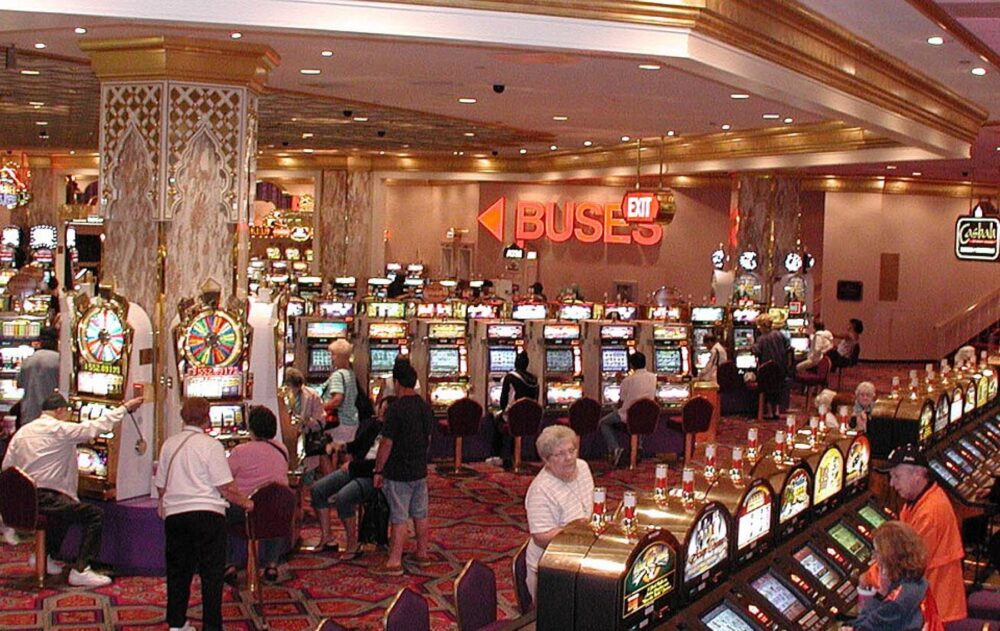
Canadian buyers absolutely can find slot machines for sale on big marketplaces like eBay, Amazon, or Alibaba—but those listings range from toy machines and keychains to genuine ex‑casino hardware, and the platforms themselves do not guarantee authenticity. The safest path is to pick the right type of platform for the kind of machine you want (home entertainment vs. commercial casino‑grade) and then apply strict seller and listing verification before you move money or attempt an import into Canada.
For a home player looking for a single machine, a specialist slot retailer or a reputable used‑casino dealer is often more straightforward than a random global marketplace listing. For a bar, arcade, or small reseller, you may mix channels: local Canadian resellers and classifieds for inspected units, plus vetted overseas suppliers when the economics make sense. The sections below break down those platform types and how they fit real projects.
Where People Actually Buy Slot Machines: Platform Landscape for Canadians
“Slot machines for sale” covers three very different markets:
- Specialist slot-machine retailers and used casino equipment dealers
These are businesses whose entire focus is casino hardware. Companies in this bucket (for example, US dealers like those highlighted on sites such as Ohio River Slots) typically carry new or refurbished machines from major gaming brands, plus parts and service. Their listings tend to specify models, game themes, and refurbishment work, because their buyers care about exact casino provenance.
- Global online marketplaces
Platforms such as eBay, Amazon, Alibaba, AliExpress and similar sites host thousands of independent sellers. When you search “slot machine” there, you’ll see a mix of:
- Toy or novelty slot machines for home décor
- Keychain or mini slot toys
- Arcade coin mechanisms and parts
- Occasional listings for full‑size used casino machines
Marketplace overviews like ScamAdviser’s roundup of legitimate marketplaces confirm that these platforms themselves can be legitimate businesses, but they still host high‑risk sellers—especially on high‑ticket categories like gaming hardware. That means the burden of vetting sits on you.
- Local Canadian businesses and classifieds
Canadians can often find used slot machines closer to home via specialized shops and peer‑to‑peer platforms. For example, Google Maps shows a Toronto business, HOTSLOTS, as a slot‑focused retailer, and Kijiji Marketplace appears as a common channel for Canadians to buy and sell used equipment.
These options can reduce cross‑border shipping headaches and give you a chance to inspect a machine in person. However, they’re still just platforms or storefronts—you must check the seller and the legal fit for your province.
How Major Platform Types Work for Slot Machines
The platform you choose determines how much control you have over the hardware, the relationship with the seller, and the practical risk level.
Three platform models side by side
Here’s a compact view of how the main platform types typically operate for slot machines and related gear:
| Platform type | Typical use for slots | Buyer–seller relationship | MOQ / volume pattern (editorial view) |
|---|---|---|---|
| Specialist slot / casino equipment site | Full‑size used or refurbished casino machines | Direct purchase from a focused dealer | Often 1+ machine; small lots for resellers |
| Global retail marketplace (eBay, Amazon, AliExpress) | Mix of toys, parts, some used slots | You buy from individual sellers or small shops | Mostly single units; occasional small batches |
| Global wholesale / sourcing marketplace (Alibaba, DHgate) | Parts, arcade kits, some gaming equipment | You source from manufacturers or traders | Commonly oriented to multi‑unit or bulk orders |
| Local Canadian classifieds (Kijiji, local shops) | Used slots and miscellaneous gaming gear | Peer‑to‑peer or local reseller | Single machines, opportunistic lots |
These rows are editorial generalizations, but they illustrate the core trade‑offs: specialist focus versus breadth, and single‑unit convenience versus bulk‑friendly economics.
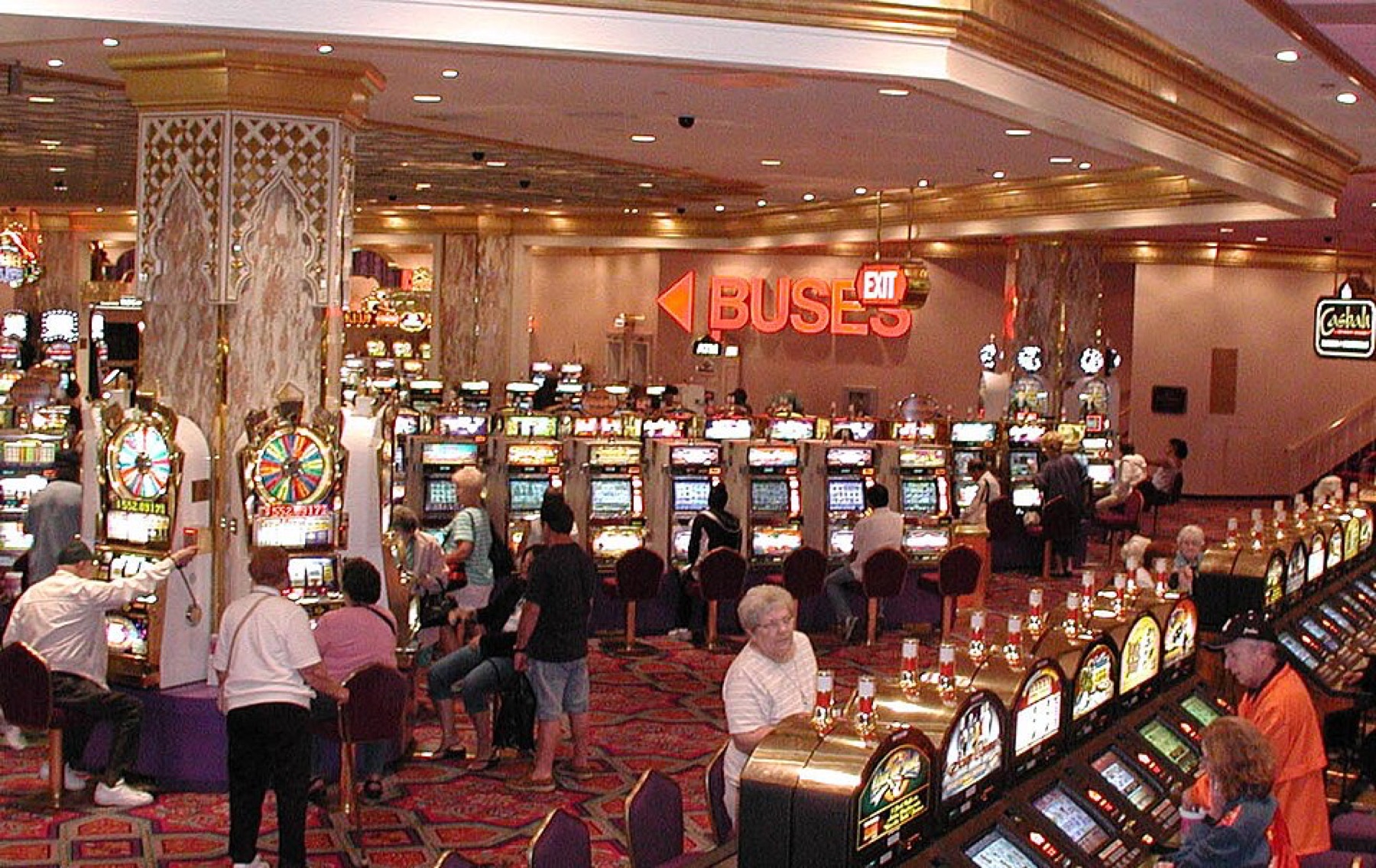
Photo: Raul654 / Wikimedia Commons, licensed under CC BY-SA 3.0.
How wholesale and retail marketplaces treat “slot machines”
China‑based platforms like Alibaba, DHgate, and AliExpress are positioned primarily as wholesale or low‑cost product marketplaces, connecting global buyers with manufacturers and traders across categories from electronics to home goods.Source When you search for slot‑related items there, you’re more likely to see:
- Coin acceptors and selectors for arcade or vending machines
(DHgate’s catalogue, for example, includes listings such as “Multi Coin Acceptor Selector Slot for Arcade Game Mechanism Vending Machine” in its sporting goods/parts categories.)
- DIY arcade or pinball machine kits and components
(e.g., “NEW DIY pinball machine kit. Arcade game machine kit, small pinball machine accessories. Coin-operated game kit parts”.)
- Novelty mini slot toys or keychains
(e.g., “Funny Mini Slot Machine Keychain Luck Fruit Slot Gaming Machine Toy Keyring Lotto Game Bingo For Kid Cool Bag Pendant Charm Gift”.)
What you typically don’t see in volume there are fully assembled, certified casino slots ready for installation in regulated venues. For that kind of machine, specialist casino-equipment sites and local dealers tend to be more predictable.
On retail marketplaces like eBay and Amazon, the pattern is slightly different: more novelty machines and occasional full‑size used slots from former operators or collectors. These are usually sold one‑by‑one, with variable documentation.
Supplier sites and direct dealers
Dedicated slot suppliers—whether in North America or abroad—operate more like traditional B2B vendors:
- They stock specific models and list detailed technical information: game title, cabinet style, voltage, included bill validators, etc.
- They often refurbish machines, replacing worn components and cleaning up cabinets before sale.
- They may offer installation advice or service, though any such details need to be confirmed directly with the business.
Because their livelihood depends on repeat buyers, these sites tend to invest more effort into clear product descriptions and visible brand identity than one‑off marketplace sellers. That doesn’t remove risk, but it changes how you vet them: you’re assessing a business, not just a single anonymous listing.
Choosing the Right Platform for Your Slot Machine Project
Different Canadian buyers should make different platform choices. Below are practical scenarios with the level of caution you should apply, especially around big marketplaces.
Scenario 1: Home user wanting a single machine
If you’re a hobbyist who wants a slot machine for a basement game room:
- Best fit platforms: specialist slot retailers or local Canadian shops/classifieds. These routes are more likely to produce a real ex‑casino machine with known history.
- Marketplace route: eBay or Amazon can work if you’re disciplined about vetting. Favor sellers with long histories and substantial feedback, and question vague listings.
For any online listing:
- Look for extensive product information—multiple photos of the actual machine, visible wear points, and serial/asset tags. DHgate’s editorial guidance on spotting authentic products stresses that genuine items usually have comprehensive, accurate details and realistic claims.Source That logic applies equally here.
- Cross‑search the model and manufacturer outside the marketplace to confirm it’s a real game and not just themed furniture.
- Treat ultra‑low prices for “casino‑grade” machines as a red flag; novelty machines are cheaper, serious hardware is not.
Scenario 2: Bar or arcade operator in Canada
For a commercial venue, slot machines raise extra questions: electrical safety, reliability, and regulatory status in your province. This article can’t give legal advice, but in practice that pushes you toward platforms where you can get better documentation and support.
- Best fit platforms: local Canadian resellers, specialist North American dealers, and possibly manufacturer‑approved channels. These make it easier to ask for service records or invoices.
- Cautious fit: global marketplaces (eBay, Amazon, Alibaba, AliExpress, DHgate) are best treated as sources of parts, cabinets, or non‑regulated entertainment machines, not mission‑critical gambling hardware.
Before importing anything:
- Confirm that the machine will be used in a way that aligns with local gaming law (for example, purely as a non‑paying entertainment device vs. real-money gambling).
- If you do buy cross‑border, ask the seller for clear documentation: model numbers, approximate year, any refurbishment notes, and where it previously operated.
Scenario 3: Small ecommerce business reselling machines or parts
If your plan is to flip machines or sell components online, platform choice is largely about supply reliability and your tolerance for risk.
- Wholesale / sourcing marketplaces (Alibaba, DHgate, AliExpress): useful for parts, mechanisms, and DIY kits at scale. As DHgate’s own editorial overview of China wholesale sites notes, these platforms excel at low‑cost access to manufacturers but require you to factor in customs, import fees, and careful supplier research.Source
- Retail marketplaces (eBay, Amazon): better for opportunistic single‑machine deals you can refurbish and resell locally.
- Local Canadian routes (Kijiji, specialist shops): strong for finding machines you can physically inspect before you take inventory risk.
Whatever mix you choose, your verification workflow needs to be rigorous:
- Research the seller’s footprint. DHgate’s general advice on finding trustworthy online sellers emphasizes checking reputation, reviews, and clear contact information, plus secure (HTTPS) websites and transparent policies.Source Apply the same filter to any marketplace seller or standalone slot site.
- Demand listing‑level evidence. Ask for close‑up photos of serial labels, inside cabinet shots, or videos showing boot‑up behavior. On high‑value gear, vague stock imagery is a reason to walk away, not a minor annoyance.
- Use secure, traceable payment methods. Favor well‑known payment gateways or card payments through recognizable processors; avoid wiring funds to anonymous accounts for a first transaction.
A note on DHgate’s specific relevance
Because this site is DHgateWiki, it’s worth a direct, scoped comment on DHgate itself. DHgate is one of several China‑based marketplaces positioned for wholesale and low‑cost products in categories such as electronics, fashion, accessories, and assorted hardware.Source Around 2026-10-08, DHgate’s catalogue contained mainly arcade‑related parts, DIY kits, and novelty slot toys rather than full, regulated casino machines—for example:
- A multi‑coin acceptor/selector for arcade or vending machines
- DIY pinball machine kits and coin‑operated game parts
- Mini slot-machine keychains and other small gaming novelties
For broader context on how DHgate compares structurally with Alibaba, AliExpress and other marketplaces, you can review DHgateWiki’s platform overviews such as What DHgate is and how the marketplace works and Compare online marketplaces and shopping platforms.