
Sixth-sense-themed cards live in a few different worlds: local trading card shops like 6ixth Sense Card Shop in Silver Spring, MD, online TCG marketplaces, board game stores that stock sixth-sense games, and large marketplaces that mix everything together. Your best platform depends on whether you want specific titles like Pokémon or Magic: The Gathering, niche divination-themed games, or bulk stock to re-sell.
If you just want a couple of on-theme cards for personal play, a local card shop or TCG marketplace is usually faster and safer. If you’re trying to build inventory around psychic/ESP themes, you’ll probably combine local shops, hobby directories, game-focused sites, and carefully vetted cross-border marketplaces.
What “Sixth Sense and Card Shops” Actually Covers
The phrase is messy in search, but it maps to a few concrete things:
- 6ixth Sense Card Shop – a trading card store in Silver Spring, Maryland. Listings on sites like Yes TCG show that it carries mainstream trading card games such as Pokémon, Magic: The Gathering, Dragon Ball Super, Flesh and Blood, Star Wars Unlimited, and similar titles. That makes it a typical local game store (LGS) with a focus on TCGs rather than a metaphysical shop.
- Local-shop discovery – directories such as TCGList’s Silver Spring page and KeepUpCards’ listing for 6ixth Sense Card Shop show how hobby sites catalog card shops and basic info so players can find places to buy and play.
- Play-focused role – event trackers like Riftmap’s page for 6ixth Sense Card Shop record in-person events there, confirming that some card shops aren’t just retail—they host tournaments and meetups where you can trade and test decks.
- Sixth-sense board/card games – there are actual games called 6th Sense that blend intuition or psychic themes with board/card mechanics. For example, BoardGameGeek’s entry for 6th Sense shows the game exists in the hobby catalog, and various European board game shops list it for sale.
So “Sixth Sense and card shops” really points to two product families you might shop for:
- Mainstream TCG cards (Pokémon, MTG, etc.) associated with a store brand like 6ixth Sense.
- Sixth-sense/ESP-themed games and tools (board/card games, mentalism dice, divination-style sets).
Those two families use overlapping but distinct platform types.
Platform Types for Sixth-Sense-Themed Cards
You’ll encounter four main platform models when you shop for sixth-sense cards or games.
1. Local Game & Card Shops
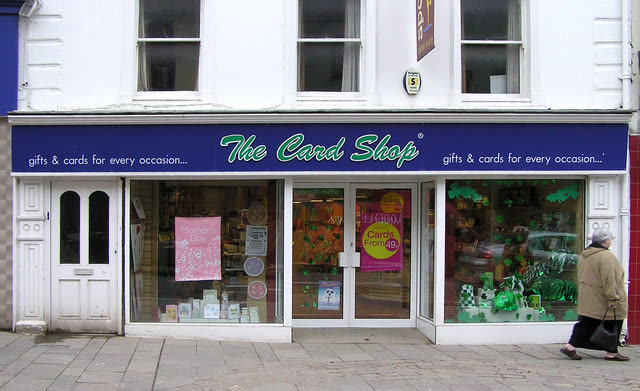
A shop like 6ixth Sense Card Shop is the blueprint: physical stores with singles, sealed product, and play space.
What they’re good for:
- Instant access to popular TCGs. You can walk in and buy Magic: The Gathering or Pokémon packs and singles in person.
- Condition you can inspect. You see the cards before paying, which matters if you’re buying higher-value singles.
- Community intel. Regulars often know where to find quirky items like sixth-sense-themed board games or ESP accessories.
How to find them:
- Hobby directories such as TCGList, KeepUpCards, or local-card-shop finders help you discover stores in specific cities.
- Event maps like Riftmap show which shops actively host play, which is useful if you want to buy and test your cards in the same place.
For sixth-sense themes specifically, brick-and-mortar shops are best for mainstream TCG cards and general accessories. Truly psychic-themed products may require more specialized platforms.
2. TCG Marketplaces and Online Card Retailers
These are sites built around trading card games: think single-card listings, sealed product, and deck-building tools.
Typical strengths:
- Depth of singles. DHgate’s editorial content about buying TCG cards points to TCGPlayer, Cardmarket, and similar sites as examples of retailers with extensive card selections, especially for popular games.
- Searchable inventory. You can filter by set name, rarity, or card title. If your sixth-sense angle is “I need a card literally named Sixth Sense,” a marketplace search is much faster than flipping binders.
- Price discovery. Seeing many listings for the same card gives a rough market range.
Limitations:
- These platforms focus on TCGs. If your theme is broader—zodiac dice, ESP symbol cards, or a standalone 6th Sense board game—you may not find much.
3. Board Game Shops and Catalog Sites
Sixth-sense board/card games sit in the tabletop game ecosystem, not pure TCG sites.
Where they show up:
- Board game databases like BoardGameGeek’s 6th Sense page catalog the game and link out to retailers.
- Regional online shops (e.g., European board game stores listed around that entry) sell sealed copies of 6th Sense and similar titles.
Why they matter:
- On-theme products. If your business is curating “intuition and ESP” game bundles, these shops are much more likely to carry dedicated sixth-sense titles than a generic TCG marketplace.
- Cross-border sourcing. Many board game sites ship internationally, which can be useful if a sixth-sense game hasn’t hit US distribution yet.
4. Broad Ecommerce and Cross-Border Marketplaces
Big platforms (US-focused and cross-border) mix everything: TCGs, vintage board games, mentalism props, and generic playing cards.
Common roles:
- Rare or out-of-print items. DHgate’s editorial guides on rare toy cards and TCGs mention marketplaces like eBay, Amazon, and TCGPlayer as common hunting grounds for hard-to-find cards and collectibles.
- ESP/mentalism tools. Search results for products like “Sixth Sense by T-Tech” show how niche divination or mentalism tools end up sold via eBay stores and similar sellers.
For cross-border specifically:
- Platforms in this bucket can include sites like DHgate, Alibaba-family services, and other B2C/B2B marketplaces that connect buyers to overseas sellers. They’re useful when you need bulk quantities of themed decks or generic ESP symbol cards at wholesale-friendly pricing, but listings and seller practices vary widely.
Comparing Channels and Choosing Your Best Route
You’re likely in one of two scenarios: a collector buying a few cards/games, or a small ecommerce seller trying to build stock around a sixth-sense theme. The right platform mix changes with that.
Here’s a compact view of how the main channels stack up for sixth-sense-related shopping:
| Channel type | Best for | Typical advantages | Key trade-offs for sixth-sense themes |
|---|---|---|---|
| Local game/card shops (e.g., 6ixth Sense Card Shop) | Mainstream TCG cards, in-person events | Inspect cards, community, quick pickup | Limited access to niche sixth-sense board/ESP items |
| TCG marketplaces & online card retailers | Specific TCG singles and sealed product | Deep searchable inventory, pricing visibility | Focused on TCGs, not broader divination tools |
| Board game shops & catalog sites | Sixth-sense board/card games | On-theme titles like 6th Sense, global variety | Stock is usually sealed games, not loose cards |
| Broad ecommerce & cross-border marketplaces | Mix of TCGs, vintage games, ESP tools | Range of product types; bulk or international options | Quality/authenticity vary by seller; search takes work |
A few practical routes:
If you’re a collector in the US
- Want specific TCG cards with a sixth-sense vibe?
- Start with local shops found via TCGList or similar directories; they often have binders of singles where you can find cards named or themed around “sixth sense.”
- Use TCG-focused marketplaces for anything the shop doesn’t have. DHgate’s own TCG buying guide frames local game stores and specialist online retailers as the standard duo for most collectors.
- Want a sixth-sense board/card game for game night?
- Look up 6th Sense on BoardGameGeek to confirm the title and components.
- Then follow links or search major board game retailers that carry it and ship to the US.
If you’re a small ecommerce seller building a sixth-sense theme
- Curating a niche game bundle (TCG + sixth-sense board game).
- Source mainstream TCG product via local shops or TCG marketplaces where you can control condition and edition.
- Add one or more sixth-sense board games through online board game shops, using catalog sites to discover regional variants.
- Looking for bulk, lower-cost themed cards or ESP tools.
- Investigate broad marketplaces such as eBay and Amazon first; DHgate’s editorial coverage of rare toy cards flags these as standard channels and also warns that counterfeit products can appear there.
If you’re unsure which route to lean on, start domestic: local card shops and game-focused platforms tend to be more predictable for both collectors and smaller sellers. Once you have a clear sense of what sells or plays well, expand into broad and cross-border marketplaces to experiment with bulk or more unusual sixth-sense-themed products.
For a deeper look at how online marketplaces differ in structure and risk profiles, including DHgate’s general position among them, it’s worth reading broader platform comparisons such as online marketplaces and shopping platforms and background explainers like What DHgate is and how the marketplace works. Those will help you plug your sixth-sense card idea into a wider sourcing strategy.