
If you’re buying party supplies or planning events in the US, your best route depends less on “which website is most popular” and more on matching platform type to your needs. For a single birthday next weekend, a retail site like Amazon, Party City, Walmart, or Michaels is usually the right call: low quantities, fast delivery, familiar returns. For recurring events or a resale operation, domestic wholesalers and B2B marketplaces such as Alibaba can make more sense because they’re built around bulk pricing and business buyers. Cross‑border marketplaces can work for trend‑driven or highly price‑sensitive sourcing, but they add lead time and more vetting work.
The key decision is: are you buying a few themed plates and balloons for one party, or building a supply chain for dozens of events or an ecommerce catalog?
How Online Party‑Supply and Event‑Planning Platforms Are Structured
Event planning, in the basic sense described by sources like the Cambridge Dictionary, means coordinating venue, decor, suppliers, and logistics to deliver a specific experience. Online tools and marketplaces slot into two big buckets:
- Platforms that help you organize the event (software for invitations, RSVPs, timelines, vendor coordination).
- Platforms that sell you physical party supplies and decor.
This article focuses on the second bucket and how it intersects with planning tools.
For US buyers, the market typically breaks down into:
- Consumer retail sites and chains – General retailers like Amazon, Walmart, and Michaels, plus specialized party chains such as Party City. These are geared toward everyday buyers hosting birthdays, baby showers, or holidays. Their assortments cover typical party‑supply categories identified in guides like the Nicrocn party checklist: decor (balloons, banners, streamers), tableware (plates, cups, napkins), favors, and activity items.
- Domestic wholesalers and B2B marketplaces – Platforms and suppliers that expect bulk orders from businesses: event planners, venues, and online sellers. A B2B marketplace such as Alibaba connects buyers to wholesale vendors across categories, including party supplies, where bulk sourcing is common for recurring events or resale.
- Cross‑border marketplaces – Marketplaces that connect US buyers with overseas suppliers. These can overlap with B2B, but you’ll see more small businesses and side‑hustle sellers using them to import themed decor or seasonal items.
- Event‑planning tools with commerce add‑ons – Ticketing or planning platforms that also sell or recommend decor, rentals, or bundled packages. These are more common for corporate events or large gatherings where you’re buying services and supplies together.
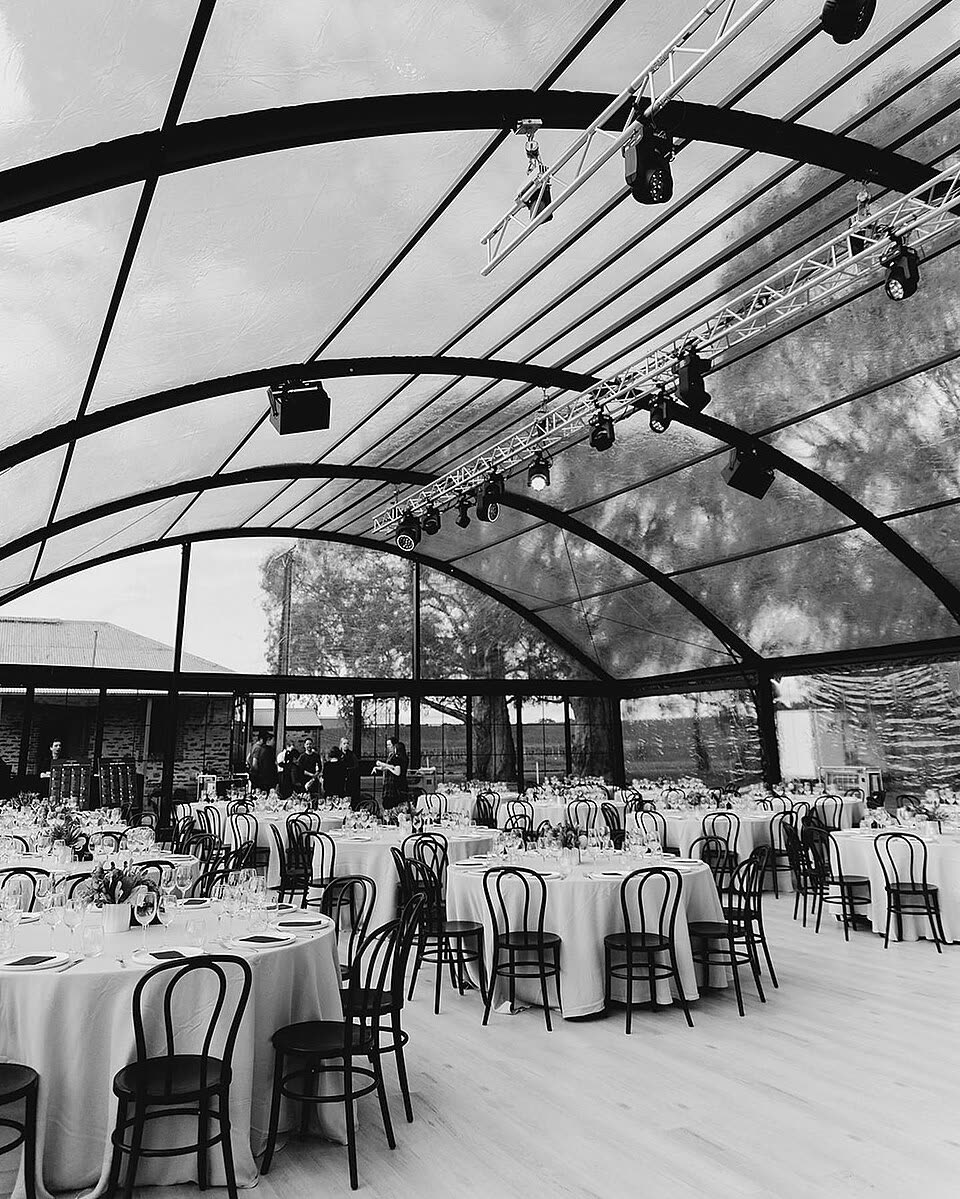
Understanding which bucket you’re in clarifies whether you should be browsing consumer sites, contacting domestic wholesalers, or opening conversations with cross‑border suppliers.
Retail Stores, Wholesale Marketplaces, and Supplier Platforms: How Each Model Works
Platform type changes how you order, how much you must buy, and how you manage risk.
Consumer retail sites
On retail sites (Amazon, Walmart, Party City, Michaels):
- Ordering flow – You add items to a cart, pay, and receive a package. There’s no negotiation; pricing is displayed per unit or per pack.
- Quantity and MOQs – Minimums are low. You can usually buy a single pack of plates or one balloon bouquet, which suits one‑off events.
- Pricing – You pay consumer prices. Sometimes, as DHgate’s own editorial points out when discussing places to buy balloons, a chain like Party City or Walmart will have affordable tiers or periodic sales, but you’re still buying at retail.
- Relationship – Your relationship is with the store or marketplace interface, not directly with a factory. You’re not expected to reorder at scale or discuss custom manufacturing.
These sites shine when your priorities are speed, simplicity, and small quantities—think “birthday next Saturday” rather than “launching a party‑supply brand.”
Domestic wholesalers and B2B marketplaces
Domestic wholesale distributors and B2B marketplaces (for example, Alibaba’s party‑supply vendor listings) work differently:
- Ordering flow – You often submit an inquiry or select a bulk listing, then confirm quantity, colors, and sometimes minor customization before paying.
- Minimum order quantities (MOQs) – MOQs can range from dozens to hundreds of units per SKU. This fits venues, professional planners, or ecommerce businesses that need consistent stock.
- Pricing – Unit prices drop as quantities rise. Wholesale platforms highlight bulk discounts and may quote price brackets rather than one fixed tag.
- Relationship – You’re dealing directly with suppliers. Over time you might standardize on a few vendors and build ongoing relationships that influence pricing and lead times.
This route is more operationally involved, but it unlocks true wholesale economics for tableware, decor, and favors you reorder frequently.
Cross‑border marketplaces and supplier platforms
Cross‑border marketplaces sit between “retail” and “full B2B sourcing”:
- Ordering flow – You browse listings from overseas suppliers, often with both small and bulk quantities available. Some orders feel like consumer ecommerce; others resemble B2B negotiations.
- Quantity and MOQs – Seasonal or themed party decor is often sold in multi‑packs with encouragement to buy in bulk for better unit economics.
- Pricing – Headline prices can look very low, but you must factor in shipping cost, longer lead times, and potential import duties.
- Relationship – You’re dealing with a marketplace seller, typically a factory or trading company.
Event‑planning tools that touch supplies
Event‑planning software (ticketing, RSVPs, timelines) may also connect you to suppliers: caterers, decor companies, rental houses. Here you’re mostly buying services plus supplies rather than boxes of product. For corporate picnics or large branded events, specialist firms like American Family Day position themselves as one‑stop providers for both planning and tangible event needs.
Comparing Platform Routes and Matching Them to Your Event or Business
Here’s a compact way to think about platform choice across a few dimensions.
| Platform type | Best for quantity | Typical price dynamic | Lead‑time profile | Buyer role |
|---|---|---|---|---|
| Consumer retail sites | 1-10 packs per item | Fixed per‑pack retail pricing | Short (days, often with rush) | Individual host or small event |
| Domestic wholesalers | Dozens to hundreds per SKU | Lower unit cost at higher volumes | Medium (days to weeks) | Planner, venue, resale business |
| Cross‑border marketplaces | Medium to large bulk orders | Low headline prices; add shipping | Longer (often weeks) | Sourcing‑focused buyer |
| Event‑planning service hubs | Bundled supplies + services | Project‑based or package pricing | Based on event date | Corporate or large‑event client |
That table is editorial judgment, but it reflects how these platforms are structured and how buyers typically use them.
Scenario 1: US parent hosting a single birthday
You need themed plates, balloons, a banner, and some favors for 10-20 kids, and the party is within two weeks.
- Best route: Consumer retail sites and nearby chains (Amazon, Walmart, Michaels, Party City).
- Why: Low quantities, easy returns, plenty of familiar character themes. Guides on buying balloons from chains like Party City highlight broad theme options and customization, which is overkill for recurring business but perfect for one birthday.
- Cross‑border fit: Weak. Shipping time and the risk of delays outweigh the potential unit savings.
Scenario 2: Independent event planner or venue
You run small corporate events or weddings where you repeatedly need neutral tableware, backdrops, and decor.
- Best route: Domestic wholesalers and B2B marketplaces.
- Why: You can standardize on a set of supplies (linen colors, centerpiece styles) and buy in volume, lowering your cost per event. A B2B marketplace like Alibaba makes it straightforward to find bulk suppliers of generic tableware and decor.
- Cross‑border fit: Moderate. For high‑volume items that aren’t time‑critical and don’t change often, cross‑border sourcing can work if you’re comfortable managing lead times and quality checks.
Scenario 3: Small ecommerce party‑supplies seller
You sell themed kits or decor via your own site or marketplaces.
- Best route: Mix domestic wholesale for core basics plus cross‑border marketplaces for unique or trending pieces.
- How DHgate or similar fits: Platforms like DHgate emphasize seasonal themes and bulk purchasing in their editorial content, making them one option for importing trend‑driven banners, hats, or garlands. Following their own advice to order samples before committing to bulk is a good baseline: validate colors, print quality, and packaging from a single batch, then scale.
For this buyer type, risk management matters more:
- Stagger orders across suppliers so you’re not dependent on one factory.
- Keep a domestic backup source for best‑selling basics like plates and napkins.
- Factor in shipping time and potential customs delays when you promise delivery windows to your customers.
A quick trust checklist tailored to party‑supply platforms
Instead of a generic buyer‑beware list, focus on signals that matter specifically for party supplies and events:
- Theme and color accuracy: Ask for photos of actual production runs, not just mockups, especially for branded or heavily themed decor.
- Packaging details: For resale and corporate events, check whether items arrive retail‑ready (individual packs, labels) or in bulk bags that need re‑packaging.
- Stock consistency: If you plan to repeat an event theme or keep a SKU in your store, confirm with suppliers how long they expect to offer that design.
- Lead time vs event date: Build in a buffer. Domestic retail may cover last‑minute emergencies; wholesale and cross‑border routes usually can’t.
If you need a broader sense of how marketplaces differ beyond party supplies, there are platform‑level explainers like online marketplaces and shopping platforms and comparisons such as DHgate vs AliExpress, Alibaba and Temu that can help you judge overall fit before you commit to a particular sourcing route.
For most US buyers, the decision is straightforward: retail for small, urgent events; domestic wholesale for repeating needs; cross‑border marketplaces sparingly when you’re chasing margins or unique designs and have enough planning runway to manage the extra complexity.