
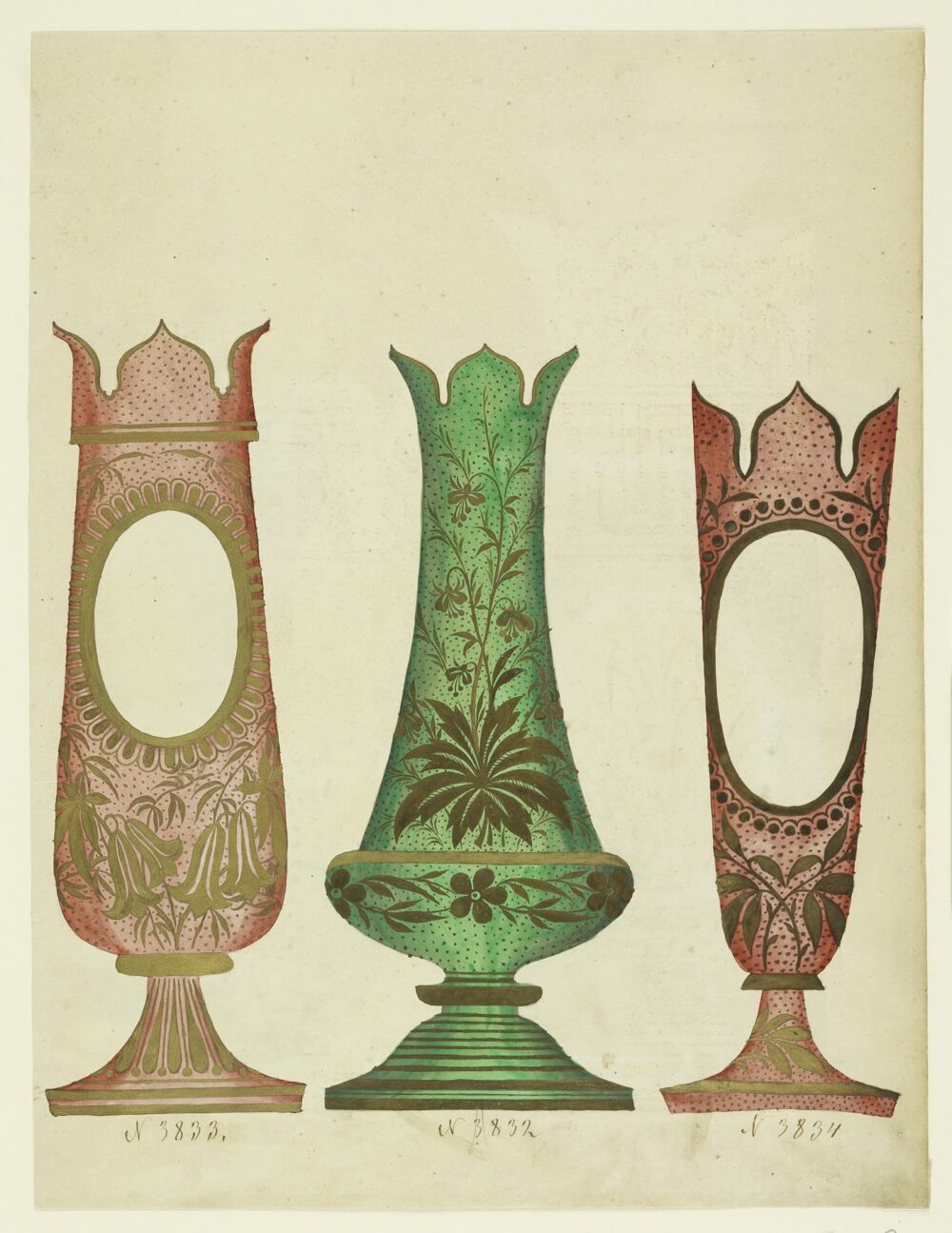
A “Red Glass Vases Collection” is simply a curated group of red glass vases that work together—anything from one dramatic statement piece on a mantle to 50 matching bud vases for a wedding. The right platform depends on whether you want one special vase, a coordinated set, or repeatable stock for resale. US buyers usually mix big-box retailers for convenience, artisan and vintage marketplaces for uniqueness, specialist glassware sites for event-friendly sets, and wholesale marketplaces only when they truly need bulk and are willing to handle more verification.
What a Red Glass Vases Collection Actually Is for US Buyers
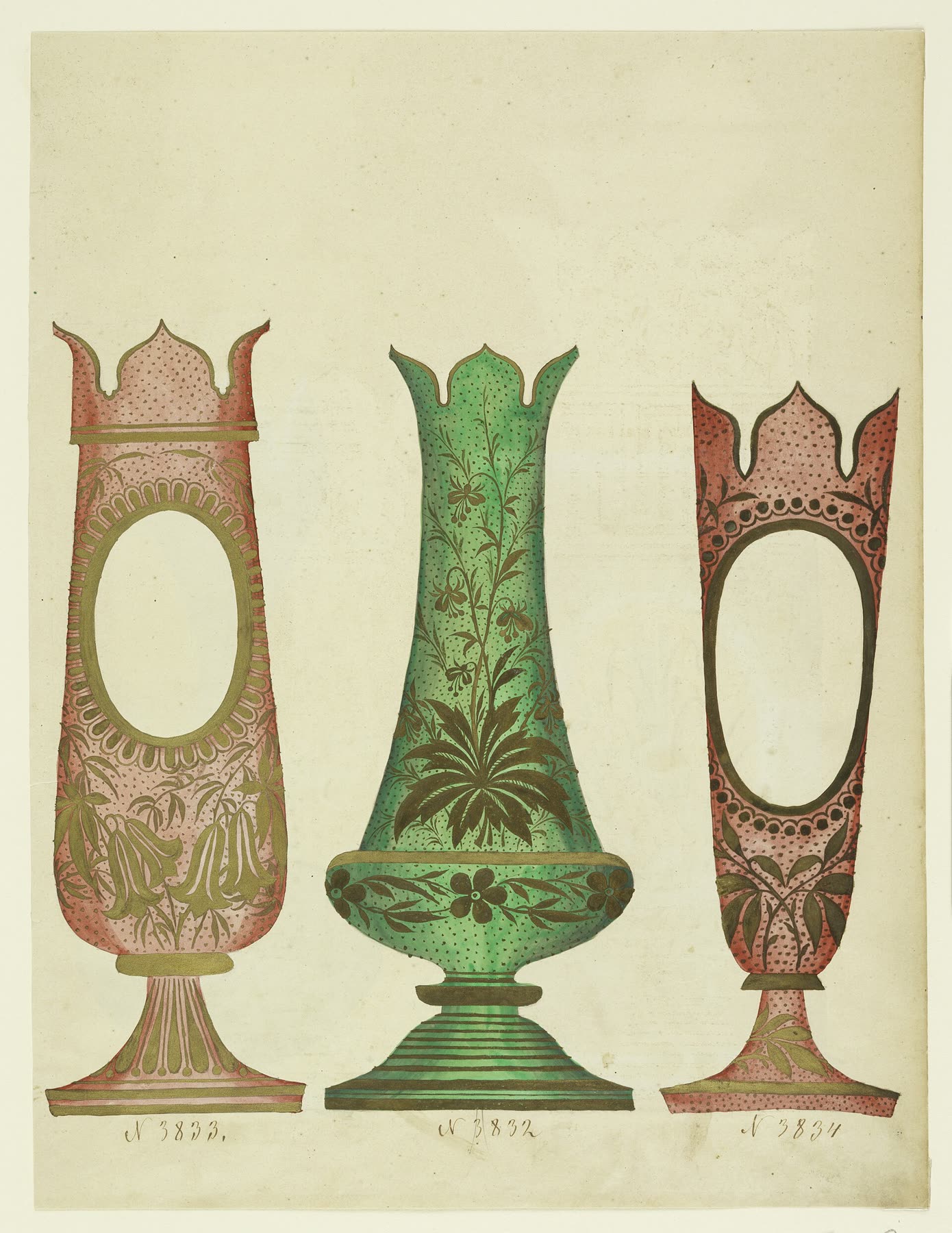
A red glass vases collection is any assortment of glass vases featuring red tones: ruby, cranberry, burgundy, or red blended with clear glass. Collections can be modern cylinders, mid-century art glass, cut-crystal style pieces, or simple bud vases.
You’ll see this idea in practice on European decor sites such as Flowerfeldt’s red glass vases category, where multiple red vases are grouped together even though they’re not a formal “line.” The same concept applies for US buyers: you’re building a coordinated set that matches your space or event.
Typical use cases:
- Home decor: 1-3 pieces, often different shapes, that echo your room’s color scheme.
- Weddings or events: dozens of nearly identical vases so tables look consistent.
- Small ecommerce resellers: repeatable stock where size, color, and shape can be replenished.
Those needs drive which platforms actually make sense.
Platform Types for Sourcing Red Glass Vases
Most red glass vases are sold through a few repeatable channel types. Each behaves differently for both one-off buyers and small resellers.
1. Big-box and general home retailers
Large US retailers sell mass-produced red glass vases online in multiple categories. For example, Home Depot’s vase section filtered to red glass shows various styles grouped by color.
How they work:
- Inventory is standardized, so if you need 12 of the same red cylindrical vase, you’re likely to find them.
- You get clear product photos and basic specs (height, diameter, material).
This route is strong for: quick US shipping, simple returns, and mid-range quality that’s “good enough” for most decor and events.
2. Artisan and handmade marketplaces
Artisan marketplaces specialize in unique pieces and small-batch production. Etsy’s red glass vases listings include hand-blown art glass, studio-made pieces, and small sellers offering limited runs.
What you get:
- One-of-a-kind or short-run designs, often with more interesting shapes and color gradients.
- Direct communication with makers for custom size or tint requests.
For a collection, this can mean a set of coordinating but non-identical vases—perfect for eclectic home decor and for resellers who market “artisan” or “handmade” over strict uniformity.
3. Vintage and design-forward platforms
Vintage/design marketplaces curate higher-end and collectible vases. Chairish’s red vase collection is positioned as vintage and design-forward pieces, including mid-century, Murano-style, and other collectible glass.
Benefits:
- Access to rare red glass that’s hard to find elsewhere.
- Strong visual presentation, often aimed at design-conscious buyers.
This path suits buyers building a small, premium collection—like three statement vases for a living room—or resellers in the vintage/home-design niche. It’s less practical for 30 identical centerpieces.
4. Specialist glassware and event-focused sites
Specialist sites focus on vases as a product category and often organize inventory by color. GlassVasesDepot’s red section is a good example: they let you browse red vases by size and shape to build coordinated sets.
Why event buyers use them:
- Easy to build a consistent look: all vases in the same red family.
- Catalogs tailored to florists, venues, and event planners who need dozens of pieces.
These platforms are ideal if your “collection” is really a uniform fleet: weddings, hotel lobbies, restaurant tabletops.
5. Wholesale and cross-border marketplaces
Wholesale and cross-border marketplaces aggregate many suppliers, including glassware manufacturers. They’re useful when you need true bulk quantities and are willing to trade convenience for lower per-unit cost and more direct sourcing.
DHgate, for example, functions as a multi-supplier e-commerce marketplace with manufacturers and trading companies offering decor products. That kind of platform can list bulk lots of red glass vases, but the buyer must verify each supplier’s product details, photos, and communications—quality and consistency are not standardized across the site.
Comparing Platforms and Matching Them to Your Sourcing Scenario
The best route changes sharply depending on whether you need 3 vases or 300, and whether uniqueness or repeatability matters more.
Compact comparison: what each platform type is good at
| Platform type | Best for red glass vases collection | Typical quantity range (editorial judgment) | Key strengths for US buyers/resellers |
|---|---|---|---|
| Big-box / general home | Simple, consistent modern vases in a few common shapes | 1-24 pieces per design | Convenience, standardization, easy reordering |
| Artisan / handmade (Etsy) | Unique, hand-blown or studio-made pieces | 1-12 pieces, often mixed designs | Storytelling value, customization, distinctive style |
| Vintage/design (Chairish) | Collector-grade or design-forward statement vases | 1-5 pieces | High aesthetic impact, vintage niche appeal |
| Specialist glassware sites | Coordinated sets for events, florists, hotels | 12-100+ pieces per shape | Color-based catalogs, event-friendly sizing |
| Wholesale marketplaces | Bulk lots for resale or large-scale event use | 50-500+ pieces, depending on supplier | Lower unit cost potential, factory-level sourcing |
Quantities above are editorial estimates based on how these platforms position their catalogs for buyers; actual availability will vary by listing.
Scenario 1: US home decor buyers
If you’re decorating a home and want a small red glass vases collection:
- Use big-box retailers for a clean, modern base (e.g., two red cylinders from a Home Depot listing).
- Layer in one artisan or vintage piece from Etsy or Chairish as your focal vase.
That mix keeps logistics simple while giving your collection a more personal feel than buying only mass-market items.
Scenario 2: Weddings and events
For weddings, corporate events, or restaurant table settings, the priorities are consistency and breakage control.
- Start with specialist glassware sites that organize by color so every vase sits in the same red family; GlassVasesDepot’s red catalog is a practical example of color filtering.
- Use big-box retailers as backup if your exact size is out of stock; they’re good for filling shortfalls quickly.
Cross-border wholesale, including marketplaces like DHgate, only makes sense here if you’re ordering far in advance, can accept some risk around color and shape variation, and are prepared to verify samples and packaging with individual suppliers before committing to event-critical quantities.
Scenario 3: Small ecommerce resellers (Etsy, Shopify, local boutiques)
Resellers face an extra layer of risk: you’re promising a certain shade and shape to your own customers.
- If your brand leans artisan or vintage, sourcing from Etsy makers or vintage platforms like Chairish gives you unique pieces and a clear narrative. Your collection might be a rotating assortment rather than fixed SKU repeats.
- If you need repeatable SKUs (same vase month after month), specialist glassware sites and big-box retailers are easier to re-order from, and their color families are more consistent.
- Cross-border wholesale marketplaces can support a lower per-unit cost if you’re buying substantial quantities and can take time to vet each supplier’s photos, sample quality, and packaging. Given the variety of suppliers, treat every listing as its own business relationship rather than assuming platform-wide standards.
For more context on how multi-supplier marketplaces operate generally, you can read an overview like Compare online marketplaces and shopping platforms, then decide whether the added complexity is justified for your red glass vases collection.
Practical quality checks specific to red glass
Because red glass can look very different in real life than in a product photo, a few targeted checks help whichever platform you choose:
- Color description vs. photos: Look for listings that describe the shade (ruby, cranberry, dark red) and show multiple angles. Artisan and vintage platforms often provide richer photography; big-box sites rely on standardized shots.
- Dimensions and proportion: Compare height and opening diameter carefully, especially for event centerpieces. Specialist sites usually provide more detailed spec tables for florists.
- Set vs. single: On artisan and vintage platforms, verify whether you’re buying a single vase or a set; for a collection, mismatched expectations here can leave gaps.
If you line up those checks with the platform strengths above, you’ll have a much clearer sense of which route actually fits your collection—whether that’s three carefully chosen art pieces or a hundred identical red cylinders ready for a ballroom.