
Before you go deep on search tricks, you need a clear picture of what you’re actually buying. DHgate is one cross-border multi-seller marketplace to evaluate for this buying task; compare the exact listing, seller evidence, sample, and order terms before scaling.
What Buyers Mean by “Black Lapis” and Crayon Colors
“Black lapis” can mean a few different things on a marketplace like DHgate:
- True lapis lazuli with heavy dark veining or very deep blue used for jewelry components.
- Dyed lapis or lapis-style imitation stones (often glass, resin, or lower-cost rock) colored to look like dark lapis.
- Simply “black” beads incorrectly labeled as lapis in titles for attention.
If you’re sourcing for a small jewelry business, those distinctions matter. Customers paying for lapis expect a stone, not plastic. They also notice differences in undertone: a strand labeled “black lapis” that arrives navy or cobalt can trigger returns and hurt your brand.
On the crayon side, “crayon colors” usually means:
- Bulk single-color crayons (e.g., all black, all red) for party favors, classrooms, or brand kits.
- Assorted boxes where specific hues are critical—for example, you need a strong black, a particular blue, or a themed palette.
Color reliability is the main risk here. Cross-border listings may show a deep black crayon in photos but ship something closer to dark gray. Names like “black,” “midnight,” or “charcoal” may be translated loosely, and batches can vary.
Knowing that both material (stone vs imitation) and hue (true black vs dark blue/gray) are easy to misrepresent sets up how you should vet DHgate listings.
Key Buying Checks for Color-Critical Stones and Crayons
DHgate’s own editorial guides point out that each listing typically includes specifications, images, prices, and seller ratings, and that buyers should pay close attention to those details and reviews when judging product fit and quality. Used carefully, those signals help you sort likely hits from likely headaches. You can see this in DHgate’s shopping guide, which describes listings and ratings in more detail in Your Comprehensive DHgate Shopping Guide.
For black lapis and crayon-color products, make these checks more specific:
1. Read product details like you’re matching a spec sheet
On each listing, look closely at:
- Material line: You want clear wording like “natural lapis lazuli” or “glass beads”—not just “stone” or “lapis style.” If the material field is vague, treat it as unverified and ask the seller directly.
- Color description: Watch for mismatches between title and detail. If the title says “black lapis” but the description says “dark blue” or “navy,” expect a blue tone in real life.
- Size and quantity: For beads, confirm diameter (e.g., 6mm vs 8mm) and strand length. For crayons, confirm stick length and count per box to avoid surprises in classroom or kit planning.
DHgate’s blog on quality products specifically recommends checking descriptions for size, color, and material to make sure you receive what you expect, which is exactly where many lapis and crayon misunderstandings start, as outlined in Unveiling the Secrets of DHgate: How to Find Quality Products at Wholesale Prices.
2. Use photos and buyer images to judge actual hue
Marketplace photos can be edited, but they’re still useful:
- Compare multiple photos in the listing: If one image looks black and another looks dark blue, assume color variation. Decide if your project can tolerate that.
- Look for customer photos in reviews: DHgate editorial guidance suggests reading reviews; prioritize those with real-world pictures so you can see how “black” looks under normal lighting.
- Watch for comments about color: Even one review saying “stone is more blue than black” or “crayons are grayish” is a red flag if your brand relies on a crisp black.
3. Check seller ratings and their catalog consistency
DHgate’s guidance highlights seller ratings and reviews as a way to judge reliability. For color-critical items, go a step further:
- Open the seller’s store/catalog: Are they focused on jewelry components or art supplies, or selling everything from phone cases to car parts? Single-category sellers are more likely to understand color and material nuances.
- Scan similar products: If their other “black” beads or crayons are photographed consistently, that’s a good sign. If colors jump around, treat any listing as higher risk.
For a structured example of this kind of component vetting, you can adapt the workflow from How to find beads and jewelry components on DHgate, which leans heavily on catalog checks and item details.
4. Message sellers with precise questions and sample requests
DHgate’s editorial advice for boutique sourcing encourages buyers to communicate directly with sellers and request samples before bulk orders, as described in Sourcing for Your Boutique: Finding Unique, Authentic Pieces on DHgate. That’s especially useful for lapis and crayons:
- Ask about material: “Is this bead natural lapis lazuli, dyed stone, or glass?” Don’t accept an answer that just repeats the listing title.
- Ask about color batch: “Is the current stock closer to true black, dark navy, or royal blue?” You may get a photo of current inventory.
- Request a small sample order: Instead of jumping to a large quantity of beads or crayons, pay for a handful of pieces or a single box to check color in person.
5. Treat ultra-cheap offers as a risk signal, not a steal
One DHgate mobile shopping guide explicitly warns buyers to be cautious when a deal is significantly cheaper than similar listings and to trust their instincts if something feels off, as outlined in Minimize Hassle with DHGate Mobile App Shopping Guide.
Applied to black lapis and crayons:
- Stones: If one “black lapis” strand is far below the rest, assume dyed or imitation material until proven otherwise.
- Crayons: Rock-bottom pricing can mean thin wax, weak pigment, or off-black shades masquerading as true black.
You don’t need to avoid low prices entirely, but you should pair them with extra questions and sample testing before using the item in a paid product line.
Color- and Material-Check Summary Table
Use this quick table as a repeatable checklist whenever you evaluate a listing for black lapis or crayon colors:
| Checkpoint | What to look for in the listing | Why it matters for black lapis & crayons |
|---|---|---|
| Material description | Clear terms like “lapis lazuli,” “glass,” etc. | Distinguishes true stone from imitation or plastic |
| Color wording and photos | Consistency between text and all images | Helps spot navy vs black or gray vs deep-black hues |
| Seller ratings & reviews | High ratings, detailed buyer feedback | Signals more reliable color/material representation |
| Catalog focus | Store mainly selling beads or art supplies | Suggests better control of batch and color standards |
| Price level vs peers | Similar to other listings, not extreme outliers | Reduces risk of cut corners on pigment or material |
Using DHgate Search and When to Pivot to Other Sources
Finding the right listings is half the work; the other half is knowing when to stop searching and buy elsewhere.
DHgate’s blog recommends using categories and filters to narrow product searches and checking product descriptions, size, color, and material carefully, as in Unveiling the Secrets of DHgate: How to Find Quality Products at Wholesale Prices. You can combine that general guidance with more focused queries for black lapis and crayons.
Search tactics that fit black lapis
For lapis-style stones, start with:
- Base queries: Try “black lapis beads,” “lapis lazuli beads,” “lapis stone cabochon,” and “lapis style beads.” The mix will surface both natural and imitation options.
- Category narrowing: Once results appear, click into jewelry or bead-related categories so you’re not mixing stones with decor or apparel.
- Filter and sort options: Use any available material or color filters if they appear, and sort by popularity or rating to prioritize listings with more feedback.
- Refine by use: Add terms like “bracelet,” “necklace,” or “cabochon” depending on how you’ll set the stone.
From there, apply the vetting steps above—especially messaging sellers—to separate true lapis from lapis-style pieces.
Search tactics for crayon-color products
Crayon listings can be buried under general stationery. To make DHgate search work harder for you:
- Be explicit in the keyword: Use phrases like “black crayons bulk,” “single color crayons,” or “school crayons assorted” rather than just “crayons.” This aligns with DHgate blog advice to plan your needs and use specific search criteria.
- Look for office/school supply categories: Narrow results into stationery or school-supply categories, then scan titles that mention count and color.
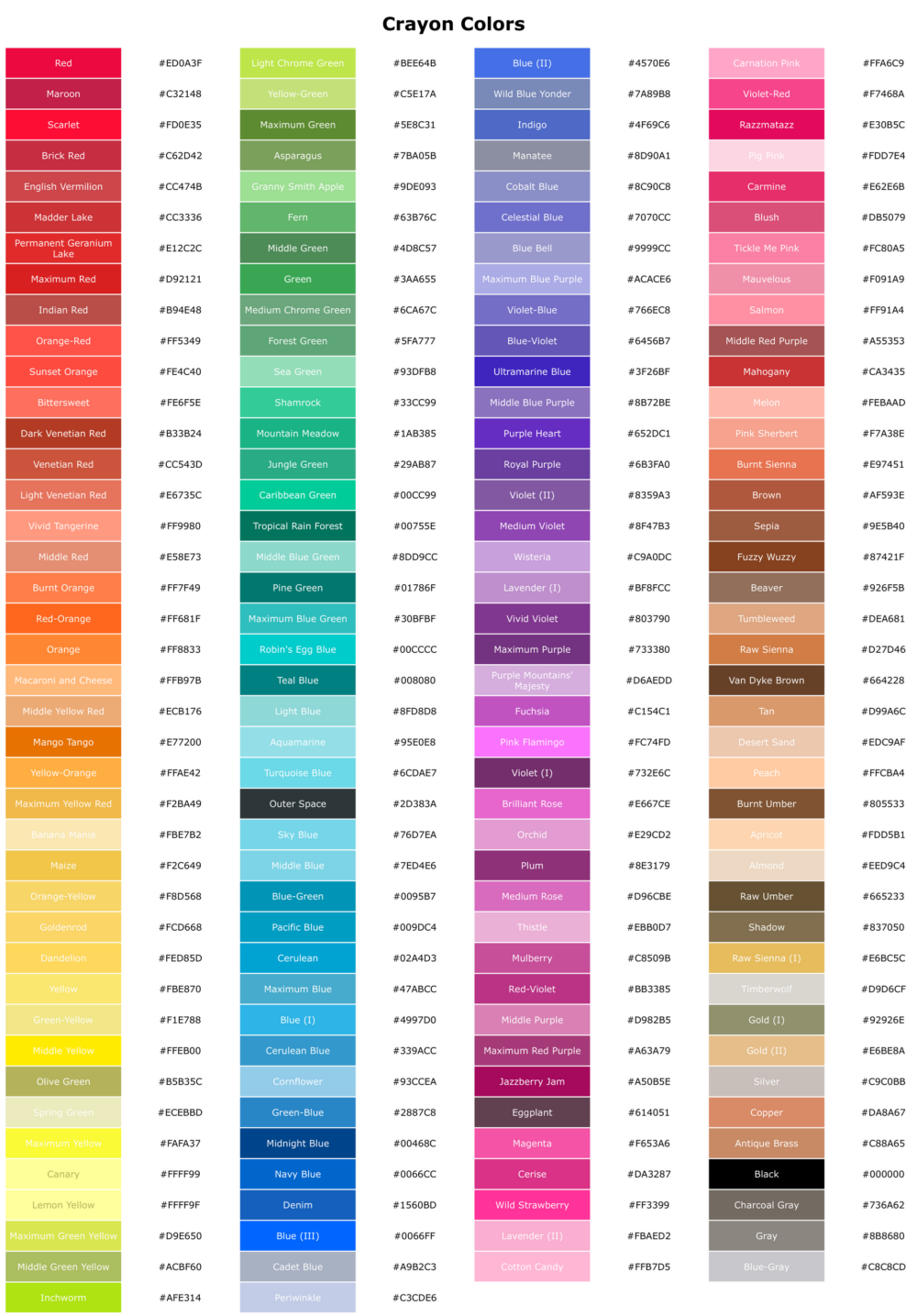
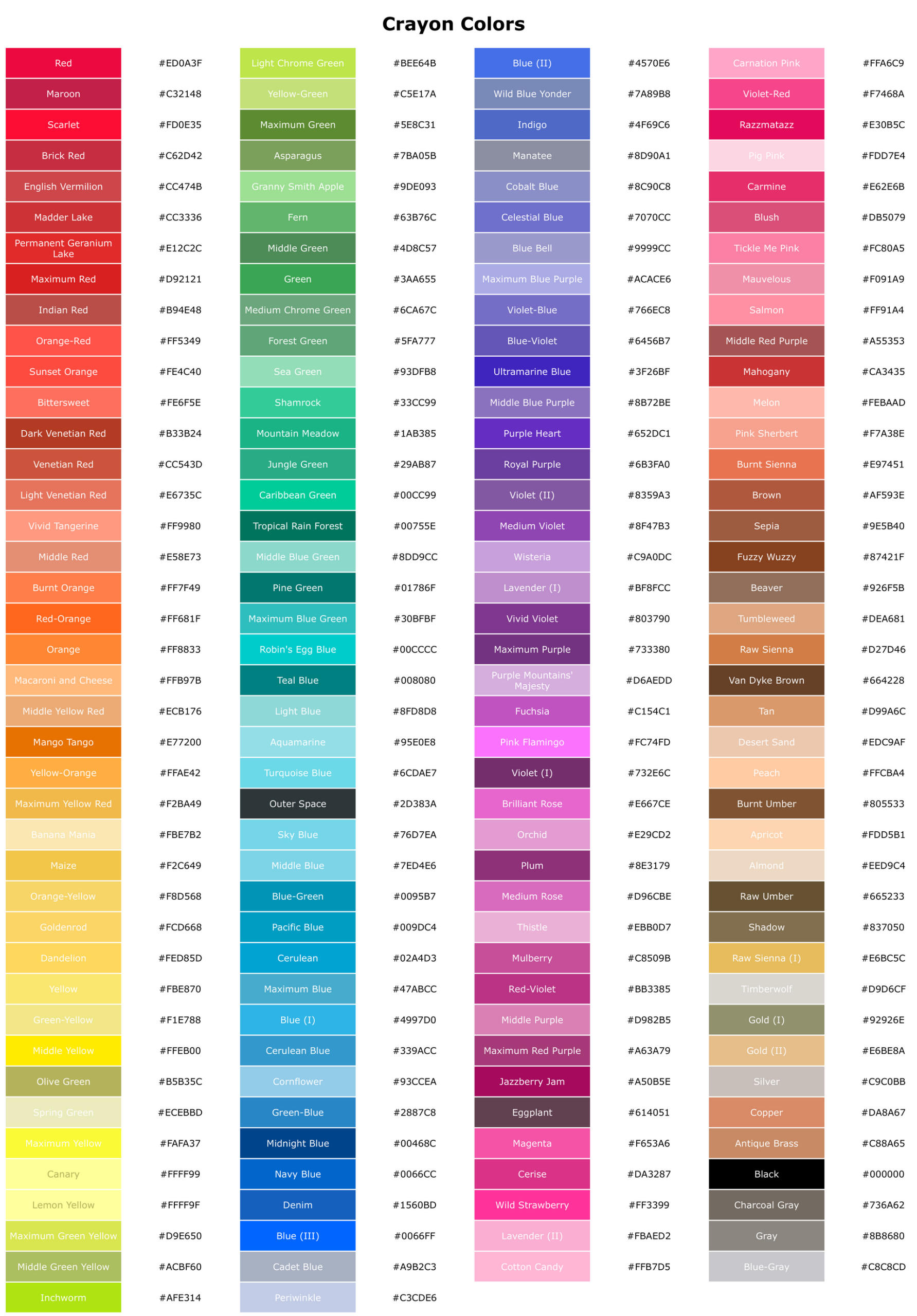
- Check for color charts in images: Listings that show the full palette (even if generic) make it easier to spot how “black” compares to other dark tones.
If you’re planning a classroom or corporate kit where color consistency matters, you can borrow ideas from How to Choose Colored Pencils for Art Projects on DHgate, which stresses pigment strength and naming when color is critical.
When DHgate fits vs when to buy elsewhere
DHgate can be helpful when:
- You’re exploring different visual looks for jewelry, including lapis-style stones where exact undertone is flexible.
- You’re testing crayon colors for party favors or low-stakes craft kits where near-black is acceptable.
- You have time to request samples and iterate with sellers before committing to a large order.
It’s often better to pivot to other channels when:
- Multiple listings use vague material terms and sellers won’t clarify.
- Customer photos show wide variation in color from batch to batch.
- You’ve requested samples from two or three sellers and none match the hue your brand needs.
- You need well-known brand names or certified materials that aren’t clearly identified in DHgate descriptions.
In those cases, you’re better off sourcing from domestic jewelry suppliers, established gemstone dealers, or US art/office wholesalers, even at a higher price, because your time and brand risk around miscolored or misrepresented materials will be lower.
If you’re new to DHgate altogether, it’s worth reading What DHgate is and how the marketplace works and Find trusted sellers on DHgate before placing any order, then using the DHgate order-readiness checklist as a final sanity check—especially for color-critical stones and crayons.