
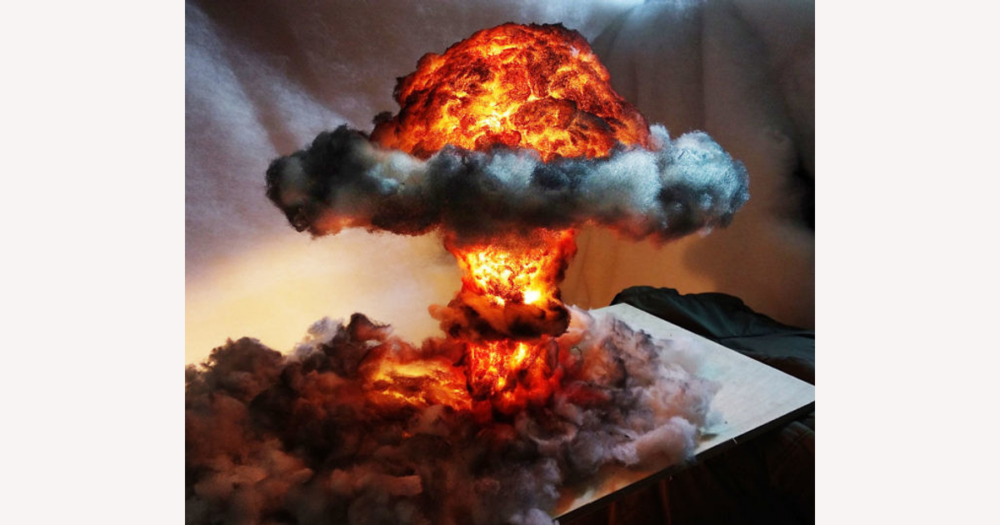
Atomic and mushroom cloud lamps on DHgate range from solid resin “mini explosions” to soft glowing cotton clouds and playful character designs, and the easiest way to avoid a disappointing order is to understand these broad styles before you ever click Buy. This guide groups the most common designs, explains how they’re usually built, and then connects that knowledge to DHgate‑specific checks like seller feedback, photos, specs, shipping, and dispute terms so you can tell which listings are likely to match the dramatic look you have in mind.
Main design types of atomic and mushroom cloud lamps
On DHgate, atomic and mushroom cloud lamps usually fall into four broad visual styles. The first is the solid sculpted explosion: a miniature “frozen blast” with defined billows and a clear stem or base, often cast in resin or built from 3D‑printed plastic so the cloud looks dense and three‑dimensional. These tend to feel like small art pieces rather than simple night lights.
The second common style is the soft cloud build, where the lamp looks like glowing cotton or fiberfill wrapped around an internal light source. DIY and marketplace versions often hide LED strips or a small lamp inside a fluffy shell, creating a dramatic lit‑up cloud or explosion effect at night. A third group is minimalist or abstract cloud forms—smooth rounded shells or stylized plumes that suggest a cloud without detailed sculpting, giving a simpler silhouette and gentle glow. Finally, themed or character variants mix the explosion shape with novelty motifs: cartoon ghosts, game references, or other pop‑culture details layered onto the cloud outline. Personally, I’m drawn to sculpted clouds that look convincing and solid, even if they cost more, while softer or simpler builds can make sense if someone mainly wants a budget mood light or a playful novelty piece.
How different build styles affect feel, durability, and trade‑offs
Once you recognize the main categories, it helps to know how they’re usually built. Solid sculpted lamps are often made from resin or 3D‑printed plastics, shaped into a desk‑size mushroom cloud with a defined stem, billows, and base. Light typically comes from an internal bulb or LED module set into the base or inside the cloud, so the sculpture glows from within. These builds tend to feel weighty and solid in the hand, show sharp details even in daylight, and sit at the higher end of the price range, especially when the sculpting is intricate and the piece is large. That extra mass also means higher shipping costs and more care needed in transit.
Soft cloud lamps usually rely on cotton or polyester fill wrapped around a simple frame or wire structure, with LED strips or puck‑style LEDs tucked inside. The result is a very light, cozy cloud that can look spectacular when the lights are on, but seams, hot‑glue spots, or uneven fluff can be visible up close. Shape and color are more variable from piece to piece, and the overall feel is less “solid art object” and more atmospheric decor, often at a lower price. Minimalist cloud shells tend to use thin translucent plastic or silicone housings with basic internal LEDs, producing a compact, lightweight lamp that glows gently but rarely has the dramatic texture of a full explosion sculpt. Themed or character lamps usually start from a simple plastic or resin form and add printed or painted motifs, with straightforward LED setups focused on making the design readable rather than hyper‑realistic. I would personally rather pay more and wait longer for a heavier, convincing sculpted cloud, but it’s reasonable for other buyers to prioritize easy mounting, light weight, or a lower upfront cost, even if that means accepting a simpler or more variable build.
What good DHgate photos and descriptions look like for each style
When you open a DHgate listing for a sculpted explosion lamp, expect photos that treat it like a small sculpture. Look for several angles, close‑ups of the mushroom cloud texture and the base, and at least one photo with the lamp switched off so you can judge the sculpting without colored light or filters. The images should make it easy to see how clean the edges are, how defined the billows look, and whether the base seems stable.
Soft cloud lamps should show how the cloud is actually built, not just a glowing blur. Useful listings include photos that reveal seams, stuffing or fiberfill, frames, wires, or hanging hardware, plus both day and night views. Night‑mode shots should give a sense of how evenly the LEDs light the cloud, while unlit photos help you spot hot‑glue spots, gaps in the fluff, or uneven color that could bother you in normal room light.
For minimalist cloud shells, focus on photos that show the shell thickness and surface texture. A good listing will show the lamp off and on, from at least one side view, so you can see the silhouette, how translucent the material is, and whether any internal components show through. Themed or character lamps should have clear, close photos of faces, logos, or motifs without heavy filters or strong color editing, making it obvious how crisp the printing or painting is.
In every case, compare what you see in the photos with the written description: check that material names, dimensions, color options, and lighting details match the images and the design category you expect. Treat listings that rely only on heavily edited stock photos, identical images used by many sellers, or no close‑ups as higher‑risk, low‑information options that deserve extra caution or further questions before you decide to order.
A simple DHgate checklist before ordering a cloud or explosion lamp
- Identify which design category the lamp fits into—sculpted explosion, soft cloud, minimalist shell, or themed character—and make sure the photos and basic specs line up with that style.
- Review the DHgate seller’s ratings and recent feedback, paying special attention to comments about build quality, size accuracy, and how the lighting looks in real use, rather than any health or mood claims.
- Scan the listing’s size measurements and materials, then compare them to the photos and to what you would expect for that build type. A resin sculpt should read differently from a thin plastic shell or a cotton‑stuffed cloud in both weight and detail.
- Check the power details: voltage, plug type, and whether the lamp is USB‑powered, battery‑powered, or mains‑powered. Confirm that this matches your region’s standards and the way you plan to use the lamp.
- Confirm the shipping method, costs, and estimated delivery time so heavier or bulkier lamps don’t create surprise fees or delays. Factor in packaging expectations for fragile sculpted pieces versus lighter, soft builds.
- Familiarize yourself with DHgate’s dispute and refund framework so you know you can typically open a dispute within a set period if the item clearly does not match its description in photos or specs.
- Use the same checklist in light of your own priorities. I would lean toward a well‑reviewed, convincing sculpted lamp even at a higher price when the feedback and specs support it, while a budget‑focused buyer might reasonably put more weight on lower price or cheaper shipping, accepting a simpler or less durable build.
Choosing between sculpted, soft, minimalist, and themed lamps
If you care most about a convincing, durable mushroom cloud, sculpted explosion lamps are usually the strongest fit. Resin or 3D‑printed builds tend to look like small art pieces, with crisp billows and a defined stem, and they often feel solid in the hand. The trade‑off is that they’re typically more expensive and heavier, which can affect both the purchase price and DHgate shipping costs.
Soft cloud lamps put atmosphere first. Packed with cotton or fiberfill around LEDs, they can look magical when lit, with a diffuse glow that suits cozy rooms and mood lighting. When the lamp is turned off, though, the cloud may appear a bit messy or less defined, and build quality can vary a lot between sellers, so seams, stuffing, and overall fluffiness become important details to check on DHgate.
Minimalist cloud shells work best if you want subtle decor rather than a dramatic explosion. These lamps usually use thin plastic or acrylic covers shaped into a simple cloud outline, giving a gentle, even glow that can blend into many rooms. Because the silhouette is cleaner and less sculpted, they rarely deliver the intense, cinematic blast look—but they’re often lighter, easier to place, and relatively budget‑friendly.
Themed or character lamps are the playful option. They wrap the cloud or explosion idea around cartoon figures, game references, or other pop‑culture motifs, which can make them ideal as gifts or for fans’ spaces. The downside is that designs can date quickly as trends change, and many themed pieces rely on simpler, cheaper materials or printed details that may not look as refined in person as in the listing photos.
Before you start browsing DHgate, decide which priority matters most to you: realism and sculpted detail, cozy glow, subtle mood lighting, or novelty and personality. Choose the corresponding style as your main target, then apply the earlier DHgate checklist—ratings, photos, specs, power, shipping, and disputes—through that lens so you can filter listings faster and ignore options that don’t match what you actually want from an atomic or mushroom cloud lamp.
Common pitfalls and how to protect yourself on DHgate
- Photos can make a lamp look like a large centerpiece when the specs actually describe a small night‑light. On DHgate, always read the dimensions in centimeters or inches and compare them to a familiar object—such as your bedside table or a book—so you know whether you’re buying a statement piece or a tiny accent.
- Heavily edited images may show an unrealistically bright or saturated glow, especially for LED cloud lamps. Treat dramatic lighting shots as marketing and scan reviews and buyer photos for unedited, real‑world pictures that show how the lamp actually looks at night and in normal room lighting.
- Soft cloud builds can arrive more compressed, uneven, or less fluffy than the listing photos suggest. Before ordering, look for customer images and comments that mention the cloud shape, density, and how easy it is to reshape the lamp after unpacking, so you can judge whether the seller’s typical results match your expectations.
- Themed lamps with characters or printed designs may have rougher painted lines or lower‑resolution prints than their promotional photos. Check close‑up listing pictures for edges, color consistency, and surface finish, and rely on review photos to see how those details look on real orders rather than only in studio shots.
- Identical stock photos appearing across multiple DHgate sellers often indicate a generic factory item being resold under different storefronts. When you notice the same cloud or explosion image in several listings, compare prices, feedback, and review volume, and consider choosing the seller with clearer specs and stronger buyer history.
- If the lamp you receive clearly differs from key listing specs or visuals—such as being much smaller than stated, missing major design elements, or lacking promised accessories—document the issue immediately with photos and messages. Use DHgate’s internal messaging and dispute process within the platform’s time limits to request a refund or partial resolution based on the mismatch between the item and its description.
What we can (and can’t) say about popular designs
The design categories in this guide—sculpted explosion figures, soft glowing clouds, minimalist shells, and themed or character variants—come from recurring patterns in trend coverage, DIY cloud lamp projects, and general marketplace imagery, not from DHgate’s internal sales rankings or live listing data.
Because DHgate does not provide public, real‑time order statistics or bestseller lists for this niche, and this page does not access individual product pages, it isn’t possible to state which atomic or mushroom cloud lamp style is objectively “most popular” on DHgate at any given moment.
If you want a sense of current buyer interest while browsing DHgate, treat on‑site signals such as the number of orders, average star rating, and how many recent reviews a listing has as practical indicators. Comparing those signals across similar lamps in the same design category can help you see which styles and specific builds other shoppers are actively choosing.
Use those popularity signals together with the earlier DHgate checklist and pitfall guidance—checking dimensions, materials, photos, seller feedback, shipping terms, and dispute conditions—rather than in isolation. A lamp with many orders is not automatically the best choice for you; quality, realism, and fit for your space and budget should matter at least as much as how often that style appears in other people’s carts.
Quick answers on accessories, power, and disputes
How can I tell if a DHgate atomic or mushroom cloud lamp includes built-in LEDs, bulbs, USB cables, remote controls, or a base?
On DHgate, inclusions are usually listed in the product description and specification fields. Look for phrases like “light source included,” “built-in LED,” “E27 bulb not included,” or “USB cable/remote control/base included.” Many listings also show the accessories in separate photos, such as a picture of the remote or the base next to the lamp. If the wording is vague, scan buyer reviews and customer photos for confirmation of what actually arrived. Treat any accessory you don’t clearly see named or shown as not guaranteed, and ask the seller through DHgate messaging before ordering if a specific item (for example, a remote or power adapter) is important to you.
How should I read voltage and plug information on a DHgate lamp listing so I know it will work where I live?
Check the listing’s power section carefully for three details: whether the lamp is USB-powered, battery-powered, or mains-powered; the stated voltage range (for example, 5V USB, 110–120V, or 220–240V); and the plug type or adapter information. USB or battery lamps are usually the easiest for international use, as they rely on standard USB ports or replaceable batteries. Mains-powered lamps need closer attention: match the voltage to your local standard and confirm whether the plug style is compatible with your outlets or if you will need a separate adapter. If the listing doesn’t clearly state voltage or plug type, ask the seller to clarify before placing an order, and avoid buying mains-powered lamps whose power details remain unclear.
What should I do if key advertised accessories like a remote, USB cable, or base are missing when my lamp arrives from DHgate?
First, compare what you received with the original DHgate listing, noting any accessories that were clearly shown or listed but are absent. Take clear photos of the lamp and packaging, including close-ups of what is missing and screenshots of the listing description for reference. Use DHgate’s internal messaging system to contact the seller promptly, explain which accessories are missing, and request a solution that fits the listing—such as sending the missing parts or offering a partial refund. If the seller does not respond or refuses to address an obvious mismatch, you can then use these photos and listing screenshots as evidence if you decide to open a formal dispute within DHgate’s stated time limits.
What steps should I take if the lamp’s design, size, or major visual features are different from the DHgate listing photos?
Treat any major mismatch—such as a much smaller size than specified, a clearly different cloud shape or color scheme, or missing visual elements—as a potential “not as described” issue. As soon as you unpack the lamp, take clear photos from several angles, including one next to a common object to show real size, and capture close-ups of design differences. Keep screenshots of the original listing, focusing on photos, size specs, and build details that set your expectations. Contact the seller through DHgate messaging, attach your photos, and describe how the item differs from the listing. If you cannot reach a fair resolution, use DHgate’s dispute process within the platform’s deadlines, submitting your documentation as evidence. The earlier checklist and pitfall guidance—checking dimensions, photos, and materials before ordering—will strengthen your case by showing that your expectations were based on the seller’s own information rather than assumptions.