
Ostrich Feathers & Plumes: How Online Sourcing Works and Typical Price Drivers
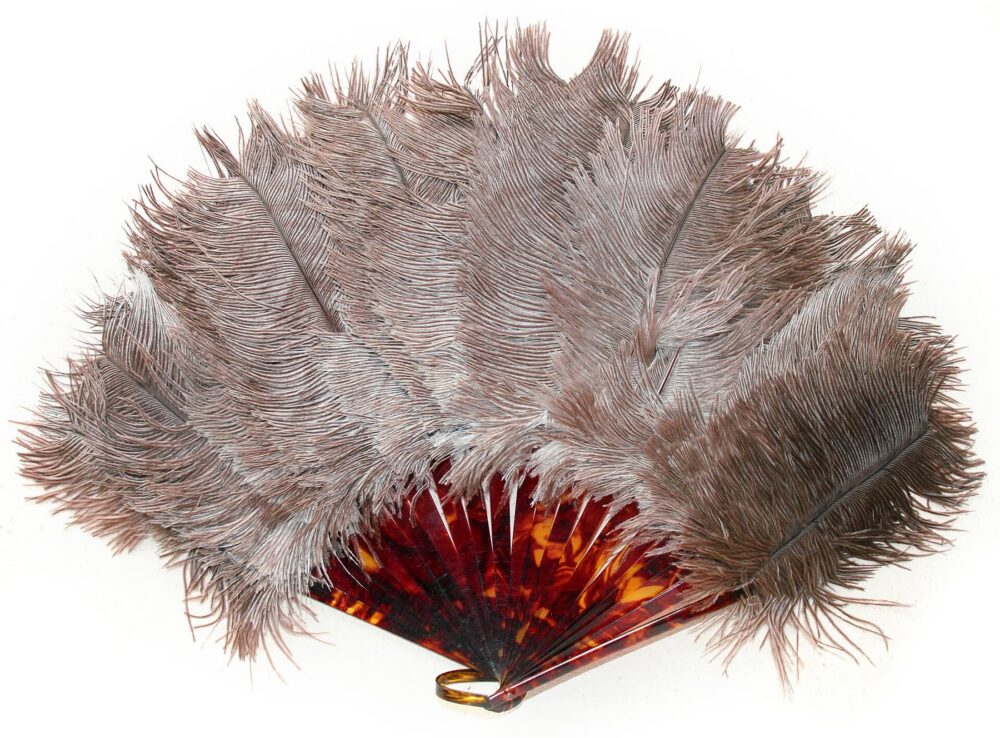
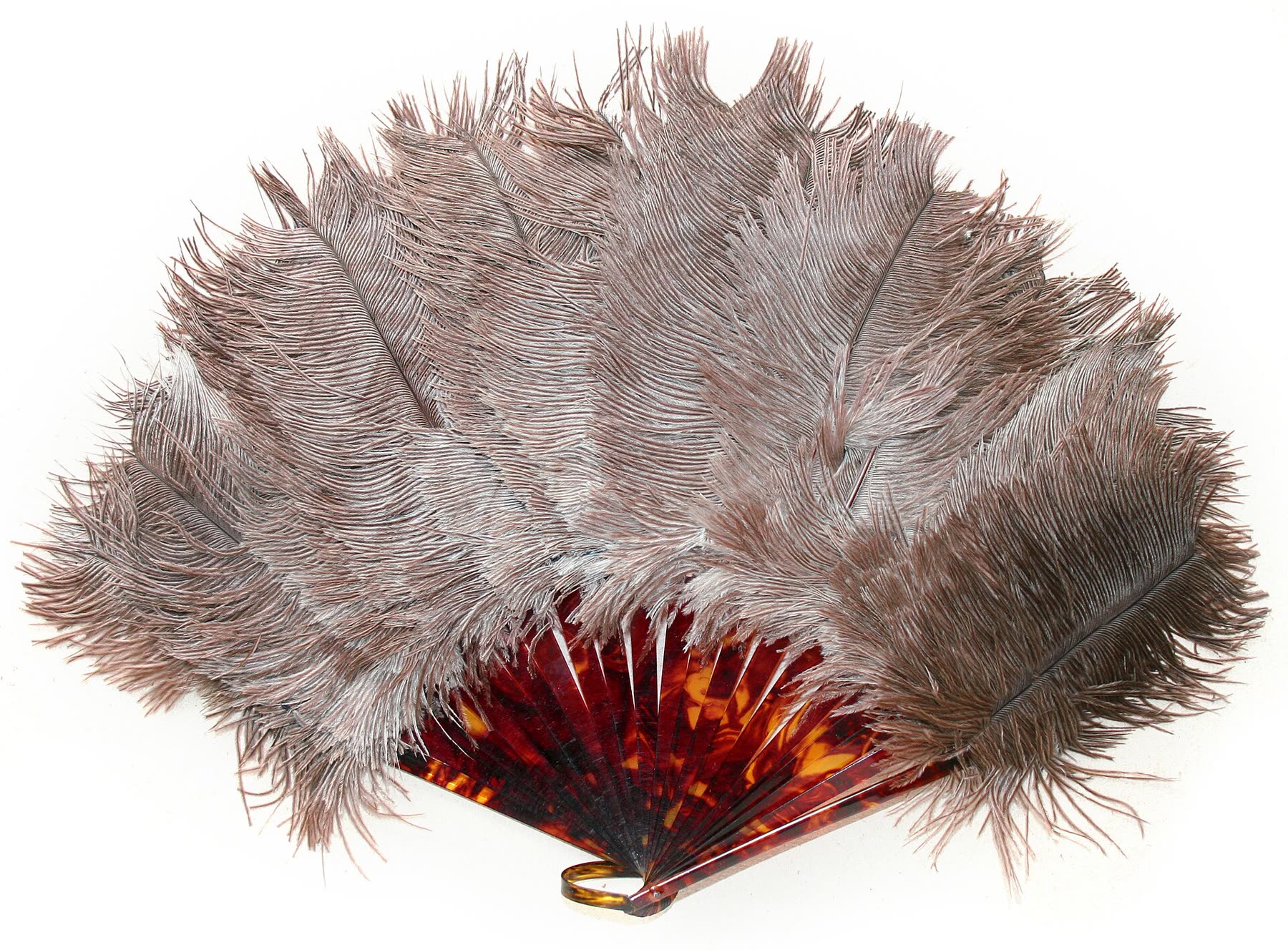
Ostrich feathers are popular because they’re soft, fluffy, and light, so they move beautifully in costume pieces, feather fans, and fashion trims. Long “plumes” from the wings and tail are often used in centerpieces and statement décor, while shorter wing feathers and body feathers end up in fans, boas, and smaller craft projects. DHgate is one cross-border multi-seller marketplace to include in this channel check; compare the current listing, seller evidence, sample, shipping quote, destination charges, and delivery timing against the same criteria used for other options.
Specialist suppliers such as Dersh Feather typically organize ostrich plumes by length and grade, and may sell them by the pound or in bundled dozens. That wholesale-style structure means your effective cost per feather drops as you move into bulk territory, but you lose the ability to cherry‑pick a few perfect stems. Retail craft-oriented sites like FeathersFans or HOT FANS lean the other way: they sell smaller packs aimed at DIY fans, costume pieces, and craft projects, trading higher per‑feather pricing for convenience and color variety.
On top of type and quantity, the main price drivers you’ll see across platforms are:
- Length: Tall centerpiece plumes cost more than short trim feathers.
- Grade/condition: Feathers described as premium or show grade (full, evenly shaped, minimal damage) sit above seconds or craft grade.
- Finish: Dyed colors and specialty finishes add processing cost.
- Pack size: By-the-pound or bulk bundles generally beat small retail packs on unit cost, but lock you into a minimum quantity.
Platform Types for Buying Ostrich Feathers: From Craft Retailers to Wholesale Marketplaces
If you’re deciding where to buy, it helps to think in terms of platform models rather than individual brands.
1. Craft/retail feather stores
Sites such as FeathersFans and HOT FANS are set up for end consumers. They typically:
- Sell ostrich feathers in small bags or sets.
- Emphasize uses like DIY feather fans, costumes, and party décor.
- Let you mix colors and lengths without a big minimum order.
These platforms behave like any online craft store: fixed pack sizes, clear photos, and retail pricing that’s friendly for a handful of centerpieces but rarely optimal for resale.
2. Specialist feather suppliers and farms
Dedicated feather companies such as Dersh Feather, MSG Feather, or Eskay Feathers focus on ostrich feathers and related exotics. Their ostrich collections usually:
- Separate plumes, wing feathers, and other types into clear categories.
- Offer multiple lengths and quality grades.
- Provide wholesale-oriented formats like “by the pound” or large bundles.
This model suits event planners and small businesses that can commit to volume and care about consistent grade across hundreds of feathers.
3. General online retailers and handmade marketplaces
Large platforms like Amazon or Etsy are often mentioned in editorial guides to feather sourcing as places to find a broader range of feather types, including exotic options.
They function as multi‑seller marketplaces or big box storefronts:
- Mix craft packs, costume pieces, and finished goods.
- Offer convenience and fast search, but quality and sourcing vary widely between sellers.
4. Cross-border B2B/B2C marketplaces
Global sourcing platforms connect buyers with manufacturers and trading companies that may not sell directly into Canadian retail. These marketplaces often host listings for bulk ostrich plumes, feather trims, or finished feather products aimed at both businesses and consumers. Minimum order quantities are generally higher than on craft sites, but per‑unit pricing can be lower when you buy in volume.
Choosing Your Channel: Comparing Platform Routes and Matching Them to Buyer Profiles
For ostrich feathers, the real choice is platform type, not brand. Here’s how the main routes stack up on practical factors.
| Platform type | Typical order size & MOQ | Price behavior | Assortment & specialization | Fit for Canadian buyers |
|---|---|---|---|---|
| Craft/retail feather stores | Small packs; low or no formal MOQ | Higher per feather; good for small jobs | Focused on craft uses; curated colors & lengths | Easy for hobby use or one‑off events |
| Specialist feather suppliers | Bundles or by the pound; moderate MOQs | Lower unit cost in bulk; wholesale feel | Deep ostrich range; multiple grades and lengths | Strong for planners and resellers willing to buy more |
| General retailers/handmade sites | Wide range from single packs to bundles | Mixed; often mid‑range retail | Assortment depends on third‑party sellers | Convenient but quality/sourcing can be uneven |
| Cross-border sourcing marketplaces | Often larger MOQs, especially for B2B | Can be low per unit at volume | Varies by seller; includes raw feathers and trims | Best for businesses after aggressive unit cost |
Cross-border marketplaces like DHgate fall into that last row. They can connect you to overseas suppliers for bulk ostrich plumes and trims, but each listing has its own standards, so you need to inspect photos, descriptions, and seller history and be realistic about sample ordering and potential variation.
Practical buyer profiles
DIY crafter or small performance troupe in Canada
You probably need a few dozen feathers across multiple colors, not hundreds of identical plumes. A craft/retail feather site or a general retailer/handmade marketplace is usually your most efficient route. You pay more per feather, but you avoid import paperwork, higher MOQs, and the risk of ending up with surplus stock.
Event planner or décor business
If you’re building recurring centerpieces or stage décor, specialist ostrich suppliers like Eskay Feathers or wholesalers such as Dersh Feather give you the control you need over grade and length. For Canadian operations, you’ll need to watch shipping cost, customs brokerage, and timelines—bulk boxes of plumes are light but volumetric.
Small ecommerce reseller of feather accessories
Your main tension is between assortment and margin. Craft sites can work for early testing, but as you scale you’ll typically move toward specialist suppliers or cross‑border marketplaces to bring down unit cost. At that point, invest in test orders: check color fastness, shedding, and stem strength before committing to higher MOQs.
Ethical sourcing and sustainability
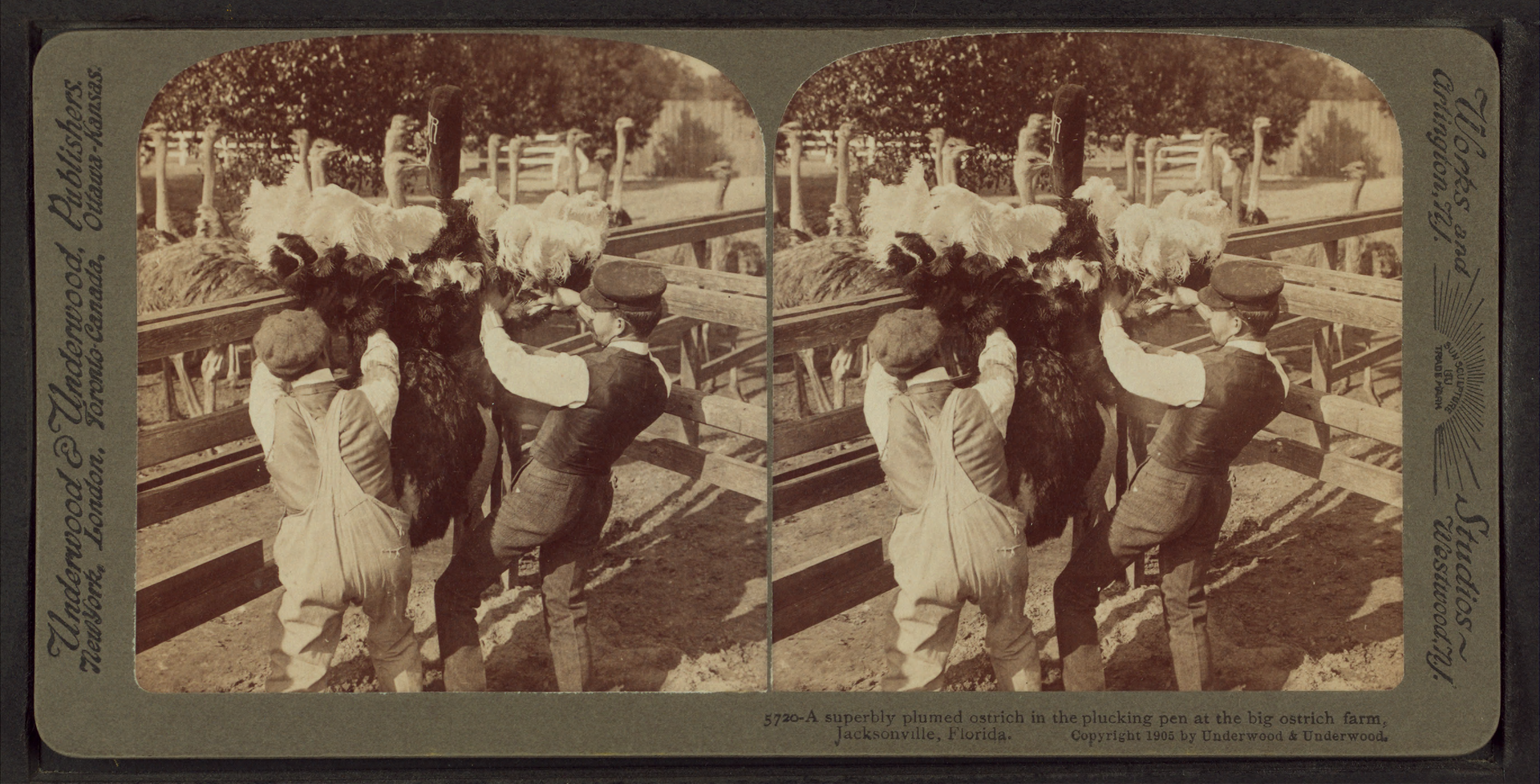
Ostrich feather production raises real animal‑welfare and environmental questions. Editorial coverage of the industry has highlighted problems like live‑plucking and resource‑intensive farming, and encourages buyers to look for suppliers that prioritize humane, lower‑impact methods. When you evaluate platforms:
- Ask suppliers how and when feathers are collected (harvested alongside meat production vs. live‑plucked, naturally molted, etc.).
- Look for any third‑party standards or certifications they reference, but treat them as a starting point for questions, not a guarantee.
- Consider whether you can reduce total feather use or incorporate re‑used stock in place of new purchases.
Cross-border ordering tips for Canadian buyers
For Canadian shoppers and small businesses, a few platform‑specific realities matter:
- Shipping class: Ostrich plumes are bulky but light, so dimensional weight can drive cost from overseas suppliers; domestic or US‑based warehouses on specialist sites may be easier to work with.
- Duties and taxes: Larger wholesale orders from specialist suppliers or cross‑border marketplaces may be assessed for duties and GST/HST; factor that into your real cost per feather.
- Lead times: Craft retailers and general marketplaces usually operate on standard parcel timelines; wholesale or cross‑border orders can take longer, especially if they’re made-to-order or consolidate multiple cartons.
If you want more context on how online marketplaces operate in general, DHgateWiki has broader platform coverage in articles like What DHgate is and how the marketplace works, a survey of online marketplaces and shopping platforms, and a comparison of major cross‑border options in DHgate vs AliExpress, Alibaba and Temu.