
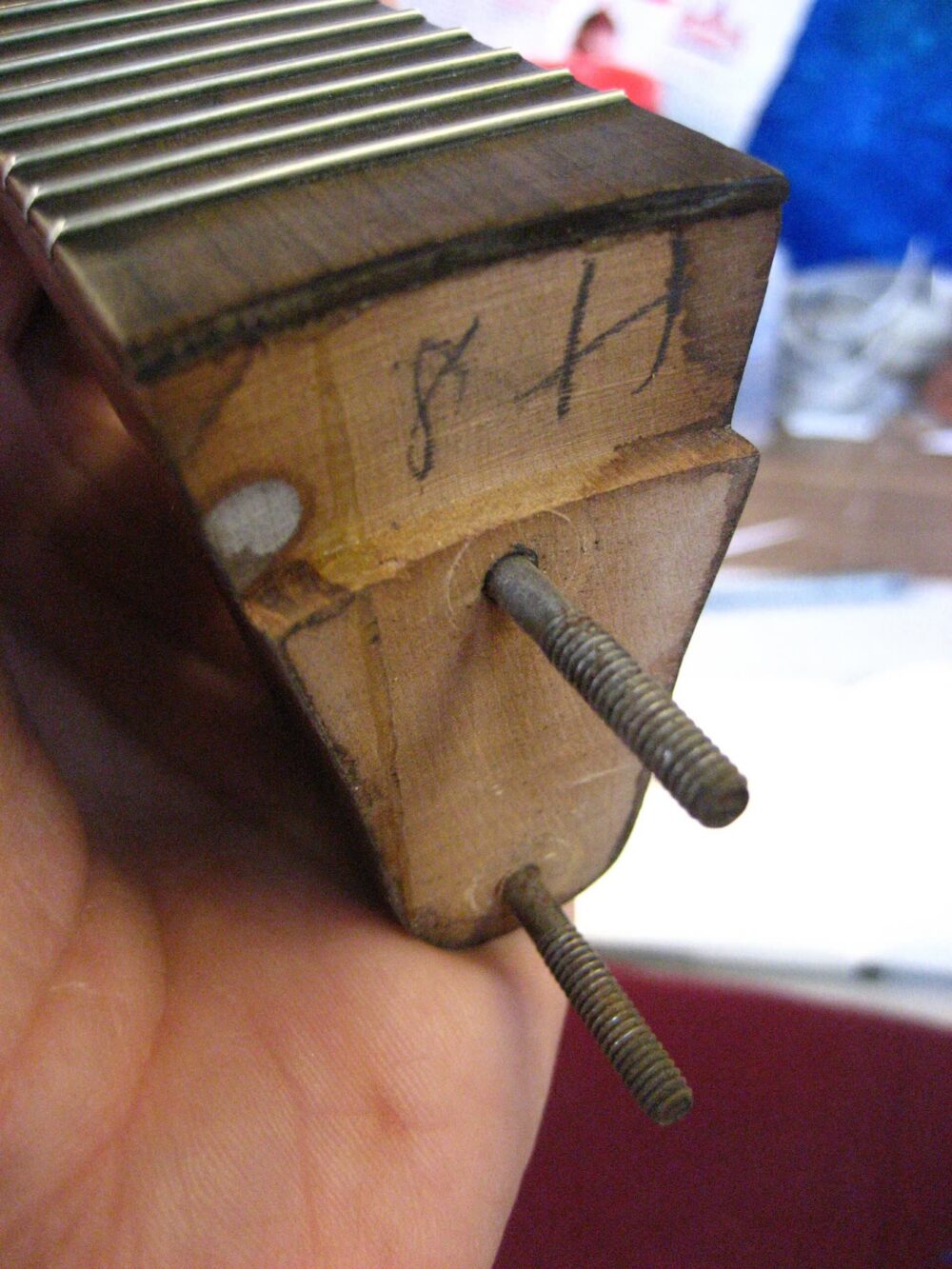
If you’re trying to source a Gibson banjo neck—or a Gibson-style neck and matching hardware—you’ll usually get the best results from three kinds of platforms: specialty banjo brands and shops, luthier-part suppliers, and used-gear marketplaces. Those are where players actually find bluegrass-style necks for conversions, restoration projects, and upgrade builds. Global cross-border marketplaces such as DHgate can list generic instrument parts, but for necks you’re effectively on your own to verify specs, fit, and quality at the individual listing level.
For a one-off Gibson conversion, most players look for either a purpose-built bluegrass neck from a luthier supplier or a custom neck from a banjo builder, then fill in accessories—tuners, tailpiece, armrest, case—from brand shops and banjo-focused retailers. Small ecommerce sellers who want to stock generic import necks or bulk accessories often lean toward broader marketplaces or wholesaler-style sites, but they accept more variability in specs and finish.
The Market for Banjo Necks and Accessories: Where Gibson-Style Parts Actually Come From
The banjo neck and its accessories aren’t just cosmetics. Gold Tone points out that the neck and related parts strongly influence playability, tone, and overall look, and are often swapped for customization or repair.Banjo neck services overview That’s why the platform choice changes depending on whether you need a faithful Gibson-style replacement or a budget import.
On the retail side, major banjo brands sell accessories directly. Deering’s accessory catalog includes straps, strings, cases, tailpieces, tuners, and more, positioned as upgrades and maintenance parts for their instruments.Deering banjo accessories Banjo-focused shops like Banjo Studio’s accessories section play a similar role: they stock a wide range of banjo-specific gear that works across brands.
There’s also a distinct luthier market for neck-only purchases. Luthier supply houses such as StewMac sell standalone bluegrass-style banjo necks intended for building or conversion, for example their Five-Star bluegrass neck line.StewMac bluegrass banjo neck Retailers like Instrumental Alley’s banjo neck listings show that necks are sold as individual components, not just attached to finished instruments.
On the used and semi-custom side, forums and swap shops host listings for Gibson banjos, conversion necks, and left-handed necks. These platforms are where you’re most likely to see language like “made for a ’70s Gibson RB-250” or “TB-3 conversion neck,” reflecting small-shop luthiers building specifically to Gibson dimensions. Because these are usually individual or small-batch offerings, you’re buying from a person or micro-brand, not a mass marketplace with standardized specs.
Platform Types for Necks, Hardware, and Accessories
Here’s how the main platform types differ for Gibson-style projects.
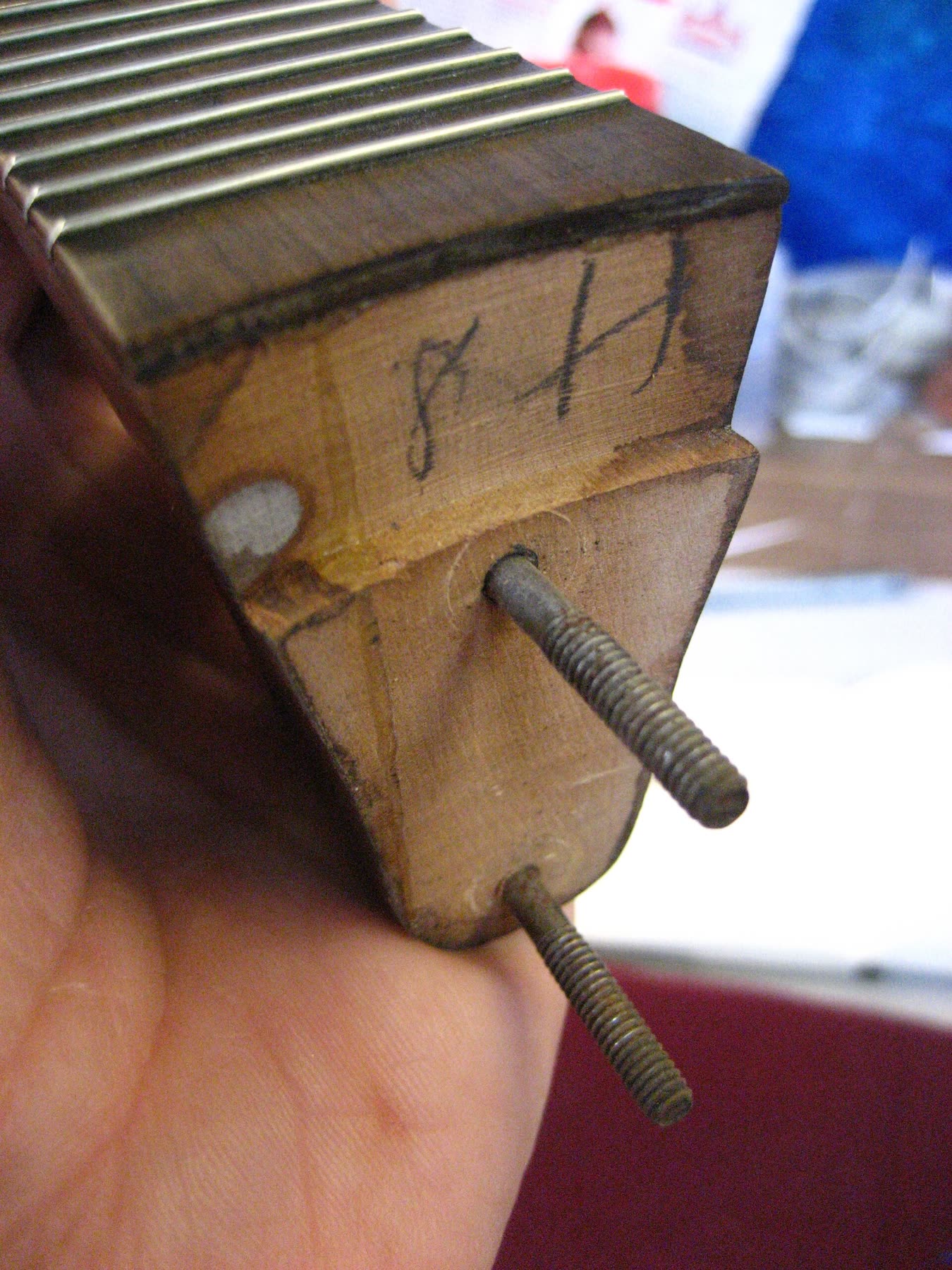
How each platform fits a neck-and-accessory buy
| Platform type | Typical role for necks/accessories | Customization & fit | Buyer profile (Gibson-style focus) |
|---|---|---|---|
| Brand retail & banjo shops | Strings, straps, cases, tailpieces, tuners, bridges, setup tools | Limited; mostly stock parts | Players upgrading hardware; small resellers |
| Luthier/parts suppliers | Standalone necks, fretboards, tonewoods, hardware bundles | Moderate; neck styles but fixed specs | Builders doing conversions or new builds |
| Specialty banjo/luthier shops | Custom necks, high-end hardware, full conversion services | High; made to order | Serious hobbyists, restoration-focused sellers |
| Used-gear marketplaces & forums | Vintage Gibson banjos, used Gibson-style necks, individual accessory lots | Varies per listing; often specific | Treasure hunters, boutique resellers |
| Global cross-border marketplaces | Generic banjo/instrument parts, some banjo hardware, occasional necks | Low; generic specs, broad categories | Price-sensitive buyers, bulk-accessory sellers |
Brand sites and banjo shops. Deering’s accessory catalog and shops like Banjo Studio are straightforward retail: you buy finished, branded accessories, often one at a time.Deering banjo accessories Minimums are typically just a single unit, and there’s no expectation that a tailpiece or strap is Gibson-specific—it’s more about overall quality and banjo fit.
Luthier/parts suppliers. On StewMac, a bluegrass banjo neck is sold as a ready-to-carve or finish component for conversions and builds.StewMac bluegrass banjo neck These suppliers cater to builders who understand heel cuts, scale length, and inlay patterns. You’re not ordering 100 necks; you’re buying one or a handful with very clear specs.
Specialty banjo and luthier shops. Many independent banjo shops and named luthiers do custom necks, often advertised in reviews and forum threads as “Gibson-style” with specific inlay patterns or peghead shapes. The platform is usually a direct website or a forum presence. Expect true customization and pricing that reflects small-shop labor rather than generic import parts.
Used marketplaces and forums. Large used-gear marketplaces and banjo forums host everything from full Gibson banjos to standalone conversion and left-handed necks. You’re dealing with individual sellers; listings may include detailed measurements and history, but there’s no centralized spec standard. These platforms are strong for authentic or near-authentic Gibson-style parts if you’re willing to vet condition and provenance.
Global cross-border marketplaces. Large marketplaces like DHgate operate as broad cross-border listing platforms where musical instrument products, including parts, can appear.DHgate editorial marketplace context For banjo necks specifically, listings tend to be generic and you have to scrutinize dimensions, scale length, and hardware compatibility yourself. They make more sense for inexpensive accessories or bulk buying than for a single neck intended to match a vintage Gibson pot.
If you’re comparing across marketplaces more broadly, including DHgate, AliExpress, Alibaba or Temu, the structural differences between platforms—retail vs. wholesale vs. pure marketplace—are covered in more depth in this overview of online marketplaces and this comparison of DHgate with AliExpress, Alibaba, and Temu.
Choosing the Right Platform Route for Your Gibson-Style Project
Think about your project first, then back into the platform.
1. One-off Gibson conversion (e.g., TB-3 to 5-string). If you’re converting a Gibson tenor or plectrum, your priority is heel fit, scale length, and aesthetics. A luthier-part supplier like StewMac can provide a bluegrass-style neck that’s structurally appropriate.StewMac bluegrass banjo neck If you care about period-correct inlays or peghead shape, commissioning a custom neck from a specialty banjo builder or ordering a ready-made conversion neck via a banjo forum or shop is often the better match. Accessories—tuners, tailpiece, armrest, case—are easy to source from Deering or Banjo Studio and similar retailers.
2. Repairing or upgrading a modern banjo with Gibson-style flavor. When the goal is more about playability and look than strict historical accuracy, brand accessory catalogs shine. Deering’s and Banjo Studio’s selections let you upgrade bridges, straps, cases, and hardware without worrying about vintage compatibility.Deering banjo accessories For the neck itself, you might use a luthier supplier for a generic bluegrass neck, accepting that the peghead won’t precisely match a Gibson pattern.
4. Hunting for authentic or boutique Gibson-style necks. Used marketplaces and banjo forums are where you’ll see listings that explicitly describe the neck as made for a particular Gibson model, often by named luthiers. This is the route for players who want a neck that’s either original Gibson or a well-known copy. It’s a more manual process—reading detailed descriptions, asking questions, sometimes negotiating—but it aligns well with high-end restoration or boutique resale.
If you’re still weighing whether a cross-border marketplace structure even fits your project, the general mechanics of how such platforms work are explained in this breakdown of DHgate’s marketplace model. For most Gibson-style neck projects, the practical starting points are luthier supply sites, specialty banjo shops, and used-gear platforms; broad marketplaces only make sense once you’ve decided you can live with generic rather than Gibson-accurate specs.