
“Magic hair comb” isn’t one standard product. In Canada, that label covers a few very different tools: stretchy double-comb clips, detangling or straightening combs, and layered massage/anti-static combs. For curly hair, the elastic double combs tend to be about holding styles, while detangling and layered combs focus on managing texture or scalp comfort. You’ll see them on Walmart.ca, BestBuy.ca, Etsy-style marketplaces, brand sites like ManoBrush, and global marketplaces that serve bulk buyers. DHgate is one of those global marketplaces for bulk magic combs, but you have to judge each listing on its own.
What people mean by “magic hair comb” and how each type behaves on curly hair
Retailers and brands use “magic hair comb” as a marketing phrase for several different accessories. Understanding which one you’re looking at is the first real decision.
1. Elastic double magic hair comb clips
These are the most common “magic comb” you’ll see on Canadian retail sites. They use two plastic side combs connected by stretchy, often beaded elastic. The combs slide into the hair on each side, and the elastic web holds styles like updos, buns, or half‑up curls.
Listings on Walmart.ca and Fruugo’s Canadian site show typical designs: double rows of comb teeth on each side, with elastic strands threaded through beads.
On curly or textured hair:
- These clips work best on medium to thick density because the comb teeth need something to grip.
- For tight curls and coils, the teeth can catch if you push them straight in; backing them in gently along the scalp usually feels safer.
- They don’t detangle; they’re about holding volume without a lot of pins.
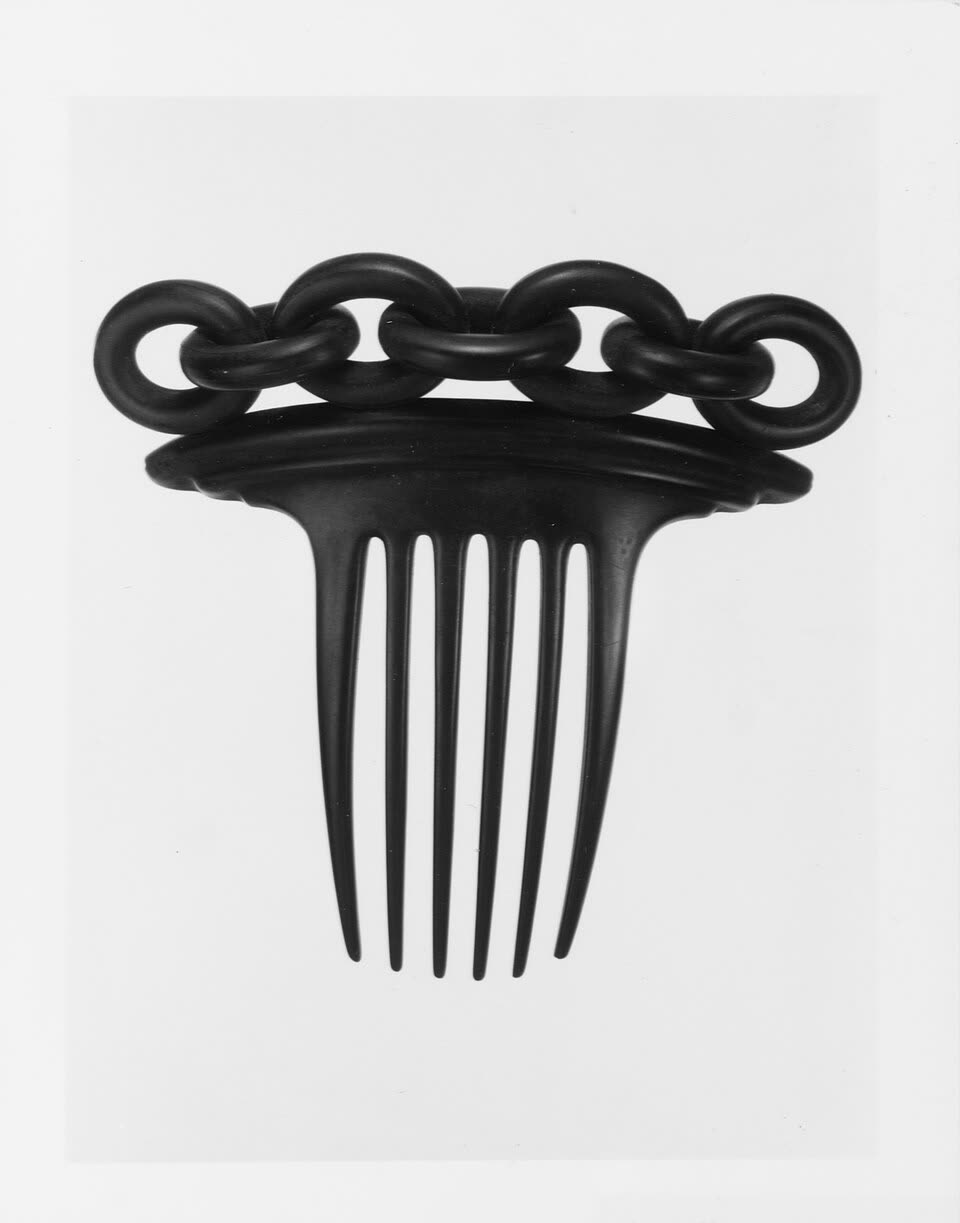
2. Detangling and straightening “magic” combs
Some “magic” combs are sold as detangling or straightening tools for textured hair.
- The MAGIC COLLECTION detangling comb sold by Asung.ca is branded specifically as a detangling tool.
- Cosmetic World carries the MAGIC GOLD straightening flat iron comb as a companion for heat straightening textured hair, designed to guide strands evenly through a flat iron CosmeticWorld listing.
On curly hair:
- Detangling combs marketed as “magic” usually have wider teeth and smoothed edges, which can glide through curls more easily than tight, rigid teeth.
- Straightening combs are aimed at smoothing or stretching curls during heat styling. They can help align strands, but your hair’s health still depends on how often you use heat and your overall routine.
These tools are more functional than decorative. They’re closer to the wide‑tooth and pick‑style tools that curly‑hair guides highlight for gentle detangling.
3. Layered massage and anti‑static magic combs
A third group of products is the “layered” magic comb marketed around scalp massage and anti‑static benefits.
On BestBuy.ca, a layered magic comb is positioned as:
- A healthy scalp massage comb
- Anti‑static
- Usable on wet or dry hair
Shopee’s layered magic comb listing uses similar messaging: multiple layers of flexible teeth that aim to smooth hair and lightly massage the scalp.
On curly hair:
- Layered teeth can distribute tension, which may feel gentler than a single row of rigid teeth.
- Anti‑static claims are marketing language; your actual frizz level still depends on humidity, product, and fabric contact.
- For coils and tight curls, these combs are best as finishing or scalp tools, not for heavy detangling.
4. Brand‑specific “magic combs”
Brand sites also use “magic” as a product name. ManoBrush’s MagicBrush hair comb is marketed as an easy‑glide daily comb. Other sites sell “magic texture combs” or folding “magic” combs aimed mostly at straight or wavy styles.
Because the label is so broad, you’ll want to look at tooth spacing, flexibility, and whether it’s decorative or functional before assuming any comb is curl‑friendly.
Where magic hair combs are sold: retail sites, handmade platforms, and global marketplaces
Different “magic comb” styles show up on different types of platforms. Here’s how the landscape looks from a Canadian buyer’s perspective.
| Platform type & examples | Typical magic combs you’ll see | Price/quantity pattern | Best fit for | Limits to keep in mind |
|---|---|---|---|---|
| Big-box retail sites – Walmart.ca, BestBuy.ca | Stretchy elastic double comb clips (decorative); layered massage/anti‑static combs | Single units or small multi‑packs; mid‑range, impulse‑buy pricing | Everyday users who want something simple, plus small resellers testing a style via retail | Choice is limited to what each retailer has sourced; branding can be generic so designs may vary a lot between listings. |
| Brand & niche sites – ManoBrush, cosmetic/hair tool shops | Branded detangling combs; flat‑iron straightening combs; daily “magic” combs | Single tools at brand-set prices; sometimes bundled with other styling tools | Buyers who care about specific materials or ergonomics; stylists who want known brands | Less variety under the “magic” label, more focused on one concept; not ideal for resell margins unless you have distribution rights. |
| Handmade/creator marketplaces – Etsy-style platforms | Decorated elastic double combs, custom beading and designs; occasional texture combs | Sold per piece; prices reflect craftsmanship; often no MOQ beyond 1 | Consumers who want unique looks; micro‑brands building a curated accessory line | Costs per unit are higher for resale, and supply is tied to individual makers’ capacity. |
| Global marketplaces & wholesale‑leaning sites – Cross-border multi-seller, AliExpress, similar | Bulk packs of elastic magic combs; generic detangling or massage combs labeled “magic” | Multi‑packs and wholesale‑style lots; unit pricing can be low for larger orders | Small ecommerce sellers who want to private‑label or stock budget combs | Quality and design details vary listing by listing; you need to vet sellers, product photos, and samples instead of relying on platform‑wide guarantees. |
If you’re trying to decide where to buy, start by matching your comb type to the platform style. Elastic double combs are easy to find on Walmart.ca and global marketplaces; layered massage combs show up on BestBuy.ca and Asian marketplaces like Shopee; branded detangling or straightening combs often live on niche beauty sites.
For deeper background on how retail, marketplace, and wholesale platforms differ, the broader overview at Compare online marketplaces and shopping platforms gives context beyond hair tools.
Choosing the right platform route for personal use vs small-batch sourcing
You’ll make better decisions if you separate personal-use needs from resale or sourcing plans.
If you’re a curly‑hair wearer in Canada buying for yourself
- You want: a tool that matches your curl pattern and a style you’ll actually wear.
- Best starting points:
- For decorative hold (updos, half‑up styles on curls), try an elastic double magic comb from Walmart.ca’s magic comb listings. The structure is clear and the price is usually low enough to experiment.
- For detangling or straightening, look at branded tools like the MAGIC COLLECTION comb on Asung.ca or the MAGIC GOLD flat‑iron comb on CosmeticWorld. These are designed for actual hair work, not just decoration.
- For scalp massage and light smoothing, a layered comb such as the one on BestBuy.ca can be a low‑risk add‑on tool.
You don’t need to think about MOQs or bulk pricing here. Focus on structure (tooth spacing, flexibility) and your hair goals, then pick whichever retail or niche site has a clear listing and return policy you’re comfortable with.
If you’re a small ecommerce seller planning to stock magic combs
Your route depends on whether you sell styling tools, fashion accessories, or both.
- Testing a style with minimal risk
- Start with Canadian retail or brand sites and buy a handful of units to understand real quality and how your audience responds.
- Elastic double combs from Walmart.ca or Fruugo’s Canadian listings, and branded detangling combs from Asung or similar sites, work well as test stock.
- Building a decorative comb line
- If your brand story is about uniqueness, Etsy-style platforms and independent makers give you more distinctive looks for curated boutiques, but your margins and replenishment will depend on each maker.
- For budget accessories, global marketplaces (including DHgate and its peers) can supply bulk elastic magic combs at low unit cost, but you’ll need a process to evaluate sample quality, consistency, and packaging from each supplier.
- Scaling a low‑cost tool assortment
- Once you know which designs your customers actually buy, wholesale‑leaning marketplaces are useful for sourcing carton quantities and custom colors or packaging.
- Read listings carefully to distinguish between elastic styling clips, detangling combs, and layered massage combs; they’re not interchangeable in how curl customers use them.
If you haven’t worked with cross‑border marketplaces before, it’s worth grounding yourself in how they operate using a neutral explainer like What DHgate is and how the marketplace works or broader comparisons such as Compare DHgate with AliExpress, Alibaba and Temu. Those guides won’t tell you which magic comb to buy, but they make it easier to understand the tradeoffs between local retail sourcing and global marketplace orders.
The real “magic” here isn’t the name on the comb; it’s matching the right tool to curls, and the right platform to how you plan to use or sell it.