
For most US buyers today, the safest way to source genuine J201 transistors is through electronics distributors and specialist audio-parts retailers, not general marketplaces. The J201 is a niche N‑channel JFET often described as obsolete or limited‑availability, so you’re mostly choosing between a few remaining component channels rather than a wide open market. Large distributors such as Digi‑Key and Mouser carry JFETs with full datasheets, while guitar‑pedal parts shops and smaller electronics retailers list J201s or close equivalents aimed at audio projects and boutique builds.
J201 Transistor Basics and Current Online Market Landscape
The J201 is an N‑channel junction field‑effect transistor (JFET) designed for low‑level audio and general‑purpose high‑impedance applications. It’s popular in guitar pedals and preamps because of its high input impedance and ability to amplify weak signals from pickups or sensor circuits. Typical J201 parts in TO‑92 through‑hole packaging are rated for drain‑source voltages on the order of a few tens of volts (often up to around 40 V) and have modest power dissipation suitable for small‑signal work, not power switching.
Several datasheet-style resources and blogs now flag the J201 as obsolete or at least limited in availability. For example, a recent J201 overview on LisleApex explicitly lists the part status as obsolete. That doesn’t mean you can’t buy it; it means fewer mainstream semiconductor manufacturers are producing it, and remaining stock tends to live in distributor warehouses, specialist audio shops, or small component resellers.
This niche, partly obsolete status has two practical consequences:
- You’re more likely to encounter equivalents or re‑branded parts than fresh, big‑brand production.
- Platform choice matters. Channels that rely on traceable manufacturer stock and datasheets are more reliable for technical parts than marketplaces built around many small sellers.
Platform Types Selling J201: Distributors, Specialist Retailers, and Marketplaces
From a buyer’s point of view, J201 sourcing falls into three main platform categories.
1. Major electronics distributors
Global distributors such as Digi‑Key and Mouser are built for engineers and manufacturers. A DHgate editorial overview of electronic parts suppliers highlights Digi‑Key and Mouser as leading distributors with millions of semiconductor listings and extensive technical resources like datasheets and application notes, which matches how they present JFETs generally.
On Digi‑Key’s J201 page, the device is described as an N‑channel JFET for low‑noise, high‑impedance applications; you also get full pinout, electrical characteristics, and documentation. Mouser similarly lists branded J201 devices, such as an InterFET J201, with clear specs (single N‑channel configuration and breakdown voltages), searchable by parametric filters.
What this platform type offers for J201:
- Manufacturer‑level datasheets and parametric filters.
- Traceable part numbers and packaging (e.g., TO‑92 bulk, SMD variants like MMBFJ201 in SOT‑23).
- Consistent labeling around lifecycle (active vs obsolete) once you’re in the product detail view.
For hobby builders or small pedal brands, the downside is that you’ll often be buying distributor‑sized reels or minimum quantities, even if you only need a handful. But as J201 availability tightens, distributors remain the most technically transparent source.
2. Specialist audio and small electronics retailers
If your use case is squarely in audio — guitar pedals, preamps, DIY amps — specialist retailers can be more convenient than full‑line distributors.
- Amplified Parts sells a J201 N‑channel JFET in a TO‑92 package explicitly marketed for low‑level audio and high‑impedance signal sources. The listing calls out the same general voltage range (e.g., max drain‑to‑gate voltage around 40 V) that you’d expect from datasheets, but presented in an audio‑builder friendly format.
- Tri‑Tek Express offers J201 JFET transistor packs, such as 5‑piece bundles, suitable for stocking a repair bench or small project run.
- TRX Electronics lists branded InterFET J201 parts, again showing how smaller retailers often resell distributor‑grade components in more manageable quantities.
These specialist platforms typically focus on:
- Small, hobby‑scale pack sizes (5-10 pieces, etc.).
- Clear signaling that the part is suited to audio and high‑impedance circuits.
- A mix of original J201s and close equivalents with similar biasing behavior.
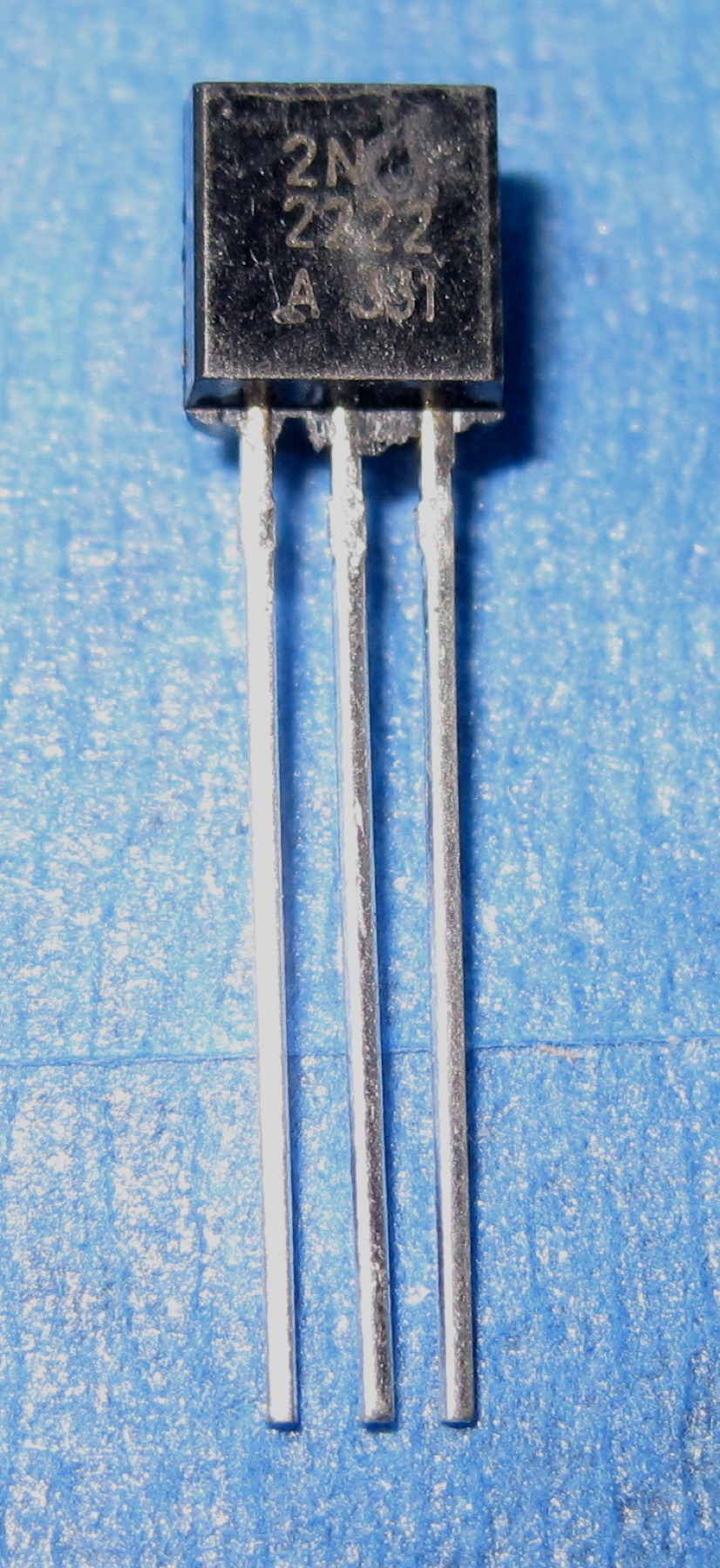
The photo above shows a generic TO‑92 transistor package, which is the same physical format commonly used for through‑hole J201s, even though the pictured part is not itself a J201.
3. General marketplaces and cross‑border platforms
General marketplaces (Amazon, eBay) and cross‑border platforms carry a huge variety of electronic parts, including cloned or equivalent JFETs. They’re useful when you need to experiment with alternatives or grab low‑cost packs, but listings may lack full datasheets or clear lifecycle information.
Quick comparison: platform type vs J201 sourcing traits
| Platform type | Typical J201 form you’ll see | Documentation depth | Pack size / MOQ trend | Fit for J201 use cases |
|---|---|---|---|---|
| Large distributors | Branded J201 / MMBFJ201 with full part # | Full datasheets, parametric data | Higher MOQs, reels or trays | Precise engineering specs, repeatable designs |
| Specialist audio retailers | TO‑92 J201 aimed at audio | Key specs plus audio context | Small packs (e.g., 5 pcs) | Pedal building, repairs, boutique runs |
| General marketplaces | J201‑labeled parts and equivalents | Varies by seller, often minimal | Widely ranges, many small lots | Experimentation, very low‑budget sourcing, risky for production |
Choosing the Right Platform for Your J201 Use Case
The best channel depends less on price and more on how much risk you can tolerate around specs and continuity of supply.
Hobbyist or one‑off pedal builder
If you’re building a few pedals or repairing your own gear, specialist retailers are usually the sweet spot. A US‑based hobbyist can order a 5‑pack of J201s from Tri‑Tek Express or a TO‑92 audio‑focused J201 from Amplified Parts without learning distributor catalog systems. You get parts explicitly positioned for audio use, in quantities that match a small bench.
General marketplaces can also work for experimentation — for example, testing how a J201‑equivalent JFET behaves in a classic pedal circuit. But because seller documentation is uneven, treat those parts as “try it and measure it” rather than drop‑in replacements for a tuned design.
Boutique pedal brand or small electronics business
Once you’re selling products, the cost of a bad or inconsistent transistor rises quickly. Here, distributor channels and traceable smaller resellers matter more than bargain hunting.
- Use distributors like Digi‑Key or Mouser for design validation and any production where you need guaranteed specs and a clear datasheet trail.
- When you want smaller, more convenient quantities while sticking close to known behavior, retailers such as Amplified Parts, Tri‑Tek, or TRX Electronics act as a bridge: they often source from the same manufacturers but break stock into builder‑friendly packs.
Because some J201 variants are now often marked obsolete, you should also plan for second‑source or equivalent parts (for example, different JFETs with similar Idss and cutoff voltage) and re‑bias your circuits accordingly. Distributor search tools are helpful for finding those near‑matches.
Ecommerce reseller weighing cross‑border sourcing
If your main business is selling components online rather than using them in your own designs, platform choice becomes a margin and risk calculation.
Cross‑border marketplaces like DHgate can theoretically expose you to low‑cost JFET suppliers, but the query‑time DHgate product snapshot for this article mostly surfaces electronics tools (multi‑function transistor testers, DIY measurement kits) rather than clear, branded J201 transistor stock. That reflects a broader reality: marketplaces excel at generic tools and commodity items, while obsolete, niche semiconductors tend to cluster in distributor and specialist‑retail channels.
Before leaning on any marketplace for J201 resale, you’d need to vet individual sellers, request detailed part numbers, and verify behavior with your own test gear. For many small US ecommerce operations, that effort outweighs the benefit, and buying from distributors or known retailers is simpler and more defensible.
If you’re curious about how cross‑border marketplaces like DHgate work overall — beyond J201 specifically — you can read an independent overview at What DHgate is and how the marketplace works and a broader platform comparison at Compare online marketplaces and shopping platforms.
In short, treat the J201 as a case study in why platform choice matters. For circuits where electrical behavior is critical and long‑term repeatability matters, lean on distributors and specialist retailers. Reserve general marketplaces, including cross‑border options, for carefully tested experiments — not your only source of truth for an already niche transistor.