

For a US side‑hustle testing products cross‑border, a simple stack like Shopify plus a dropshipping marketplace can be enough. As you grow into dozens or hundreds of orders per week, you usually add a fulfillment/ops platform to coordinate what ships from your own stock, what goes through a 3PL, and what is dropshipped from suppliers. Larger brands often treat sourcing marketplaces as just one channel among many and rely heavily on a 3PL and robust operations software to keep inventory and orders synchronized.
Hybrid Fulfillment and Dropshipping: What It Actually Means
Hybrid fulfillment is a strategy where you combine multiple fulfillment methods under one coordinated system. Logistics writers like Inbound Logistics describe it as blending different delivery and storage models to meet customer demands, rather than betting everything on one approach. Shopify and ShipBob both frame hybrid fulfillment as mixing:
- Self‑fulfillment (you store and ship yourself)
- Third‑party logistics (3PL) partners with their own warehouses
- Dropshipping (suppliers ship directly to your customer without you touching inventory)
Hybrid dropshipping is the ecommerce version of this idea. As explained by platforms like Flxpoint, you still use traditional dropshipping for some products, but you layer in other fulfillment methods—like your own warehouse stock or FBA—for others. The “hybrid” part is not about a new type of supplier; it’s about coordinating different ways of getting orders out the door.
For a US‑based small ecommerce business sourcing internationally, this usually looks like:
- You hold inventory for fast‑moving SKUs with predictable demand (often closer to customers in the US).
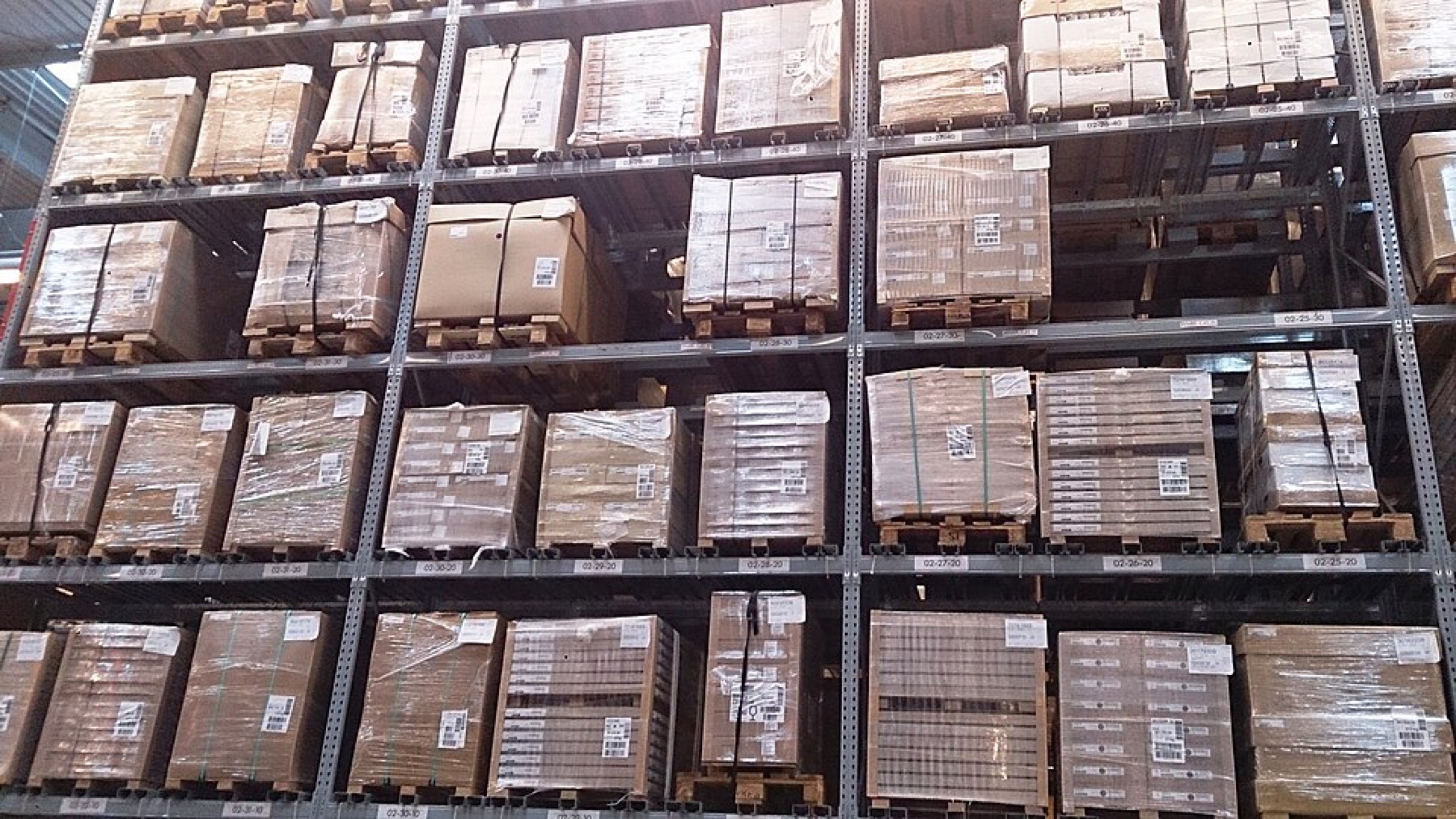
- You use a 3PL to handle some or all of that stock if you don’t want to run your own warehouse.
- You dropship slow‑moving, experimental, or bulky items directly from suppliers in China, the EU, or elsewhere.
That mix can be powerful—lower capital tied in inventory, broader catalog, and potentially faster delivery on core products—but only if your platforms make it easy to route each order to the right fulfillment path automatically.
The Three Platform Layers in a Hybrid Model
Hybrid fulfillment is less about one big platform, and more about three layers that need to cooperate.
1. Storefront platforms: where orders start
Mintsoft’s dropshipping software guide and Flxpoint’s content on modern dropshipping both group Shopify, WooCommerce, and BigCommerce as ecommerce platforms that focus on the customer‑facing side:
- Product catalog and merchandising
- Pricing, discounts, and taxes configuration
- Checkout and payment processing
- Basic inventory display
They usually have app ecosystems that let you plug in fulfillment, shipping, and dropshipping tools, but they aren’t designed to run complex multi‑supplier routing on their own.
Typical options:
- Shopify – Cloud‑based, widely used, and often recommended for dropshipping‑heavy stores because of its app marketplace.
- WooCommerce – A WordPress plug‑in; good if you already run content on WordPress and want more control.
- BigCommerce – Another cloud storefront, positioned for multi‑channel selling.
From a hybrid perspective, your storefront is the “source of truth” for orders and customer communication. Every platform below it has to integrate with it.
2. Fulfillment/operations platforms: routing and execution
Fulfillment platforms and 3PL software focus on the operational layer.
Guides like SPX Commerce’s comparison of ecommerce fulfillment software and ShipHype’s ranking of order fulfillment services list tools such as ShipBob, Whiplash, ShipStation, Linnworks, and ShipHero. These tools typically handle:
- Receiving orders from one or more storefronts and marketplaces
- Managing inventory across warehouses and sometimes stores
- Picking, packing, and shipping orders (directly or through 3PL partners)
- Carrier label generation and tracking
For hybrid models, you care about two extra capabilities:
- Order routing rules – The ability to say, “If SKU X is in my US warehouse, ship from there. If not, send to supplier Y,” or “US orders go from 3PL, EU orders dropship from European suppliers.”
- Multi‑location inventory visibility – Seeing stock levels in your own storage and in 3PL locations in one view, so you don’t oversell.
Some sellers use an operations platform without a 3PL (they still ship themselves), while others use a 3PL’s software directly as their operations hub.
3. Sourcing and dropshipping platforms: where products and suppliers live
The third layer is sourcing and dropshipping networks and marketplaces.
CJdropshipping’s blog highlights a range of dropshipping‑related platforms—including CJdropshipping itself, AutoDS, Zendrop, Spocket, DSers, AliExpress, Printful, and Modalyst—that help you:
- Discover products with existing listings and descriptions
- Connect those products to your storefront via apps or APIs
- Automate order forwarding to suppliers when a customer buys
On top of these specialized platforms, you have large marketplaces:
- Retail marketplaces like Amazon, eBay, AliExpress – often used for product research or as direct sources for retail‑level dropshipping (higher risk if you can’t control packaging or brand perception).
- Wholesale marketplaces like Alibaba and DHgate – used to find manufacturers and wholesalers for bulk buys, private label, or in some cases structured dropship arrangements.
- SaaS dropshipping hubs like MyyShop (described in DHgate’s blog as a one‑stop SaaS platform with a catalog in China, the US, and Europe, connecting to major ecommerce platforms via plug‑ins).
In a hybrid model, this sourcing layer is where you decide what you will own versus what you will dropship, and which region each supplier ships from.
Comparing Hybrid‑Ready Platforms: Costs, MOQs, and Protections
You rarely compare Shopify to ShipBob to CJdropshipping directly; they sit in different layers. What you’re really comparing is platform types.
Here’s a simplified view of how common platform types differ on key dimensions relevant to hybrid fulfillment:
| Platform type | Typical role in stack | Pricing model (editorial) | MOQs / product behavior (editorial) | Buyer‑side protections & risk notes (editorial) |
|---|---|---|---|---|
| Storefront (Shopify, etc.) | Customer‑facing store and checkout | Monthly subscription; app fees; transaction fees | You control MOQs by how you sell; not dictated by platform | Protections mainly via payment providers; you’re the seller to your customers |
| Fulfillment / 3PL software | Inventory, routing, shipping execution | Setup + per‑order / storage / pick‑pack charges | MOQs tied to your own supplier deals, not the software | Service level is contract‑based; you’re responsible for supplier quality |
| Dropshipping networks | Product discovery + automated dropship | Often free tier + per‑order/service fees | Many offer single‑unit fulfillment; some have minimums | Platform may have terms, but individual suppliers vary; quality and delivery risk is supplier‑specific |
| Wholesale marketplaces | Supplier discovery + bulk purchasing | Free or low‑cost accounts; you pay suppliers | Supplier‑defined MOQs; often higher for custom/wholesale | Marketplace rules exist, but you negotiate terms per supplier; vetting is critical |
A few practical angles to consider for cross‑border hybrid operations:
- Storefront costs and flexibility – DHgate’s own editorial comparison of ecommerce platforms categorizes Shopify as cloud‑based and widely used, with dropshipping‑friendly features. That fits the broader landscape: most small US sellers start on a cloud storefront because it’s faster to launch and integrates easily with dropshipping apps.
- Fulfillment platform fit – Tools in the SPX Commerce overview (ShipBob, Whiplash, ShipStation, Linnworks) and similar services highlighted by ShipHype tend to price per order, per storage unit, and per month. For hybrid models, you care more about whether they support multi‑location routing and multi‑channel input than about chasing the absolute lowest fee.
- Dropshipping platform behavior – Networks like CJdropshipping, AutoDS, Zendrop, Spocket, DSers, Printful, and Modalyst are built to handle single‑unit orders and sync inventory back to your store. They often support US and EU warehouses for certain products, which can reduce shipping times compared to sourcing everything directly from East Asia.
If you want a deeper marketplace comparison—including DHgate versus AliExpress and Alibaba—you can explore more detail in this marketplace comparison, but for hybrid operations the bigger decision is how marketplaces and dropshipping networks plug into your fulfillment and storefront stack.
Matching Platform Stacks to Your Business Stage
There’s no one “best” stack. The right mix depends heavily on your current stage and risk tolerance.
Scenario 1: Testing a side‑hustle with minimal capital
Profile: US‑based seller, early stage, wants to test cross‑border products without holding inventory.
Typical stack:
- Storefront: Shopify (or WooCommerce if you’re already on WordPress)
- Fulfillment/ops: None or light‑weight shipping app; you’re mostly dropshipping
- Sourcing: A dropshipping network like CJdropshipping or a combination of AliExpress‑based tools and print‑on‑demand like Printful
Model: Nearly 100% dropshipping. You rely on supplier warehouses in China/EU/US, and you accept longer shipping times and less control in exchange for low upfront cost.
Why this works: You can validate demand quickly. Mintsoft’s article on dropshipping software talks about “zero stock” setups where automation handles forwarding orders to suppliers—exactly what you want at this stage.
Risks: Limited control over quality and delivery speed; if a product takes off, you may need to shift to owning inventory or a 3PL.
Scenario 2: Growing brand with a few core products
Profile: Hundreds of orders per month; a few SKUs drive most revenue; you want faster US shipping on those.
Typical stack:
- Storefront: Shopify or BigCommerce
- Fulfillment/ops: A 3PL such as ShipBob or a fulfillment platform like ShipStation/Linnworks as your hub
- Sourcing: Hybrid – own inventory for top SKUs (stored in a 3PL or your own small warehouse), dropship long‑tail products via CJdropshipping, MyyShop, or similar networks
Model: Hybrid fulfillment. Core products are picked, packed, and shipped from US‑based stock; experimental or bulky SKUs still dropship cross‑border.
Why this works: ShipBob’s explanation of hybrid fulfillment emphasizes combining in‑house, dropshipping, and 3PL under one flexible system. With routing rules, you can send each order to the right method automatically.
Risks: More moving parts. If your ops platform doesn’t show inventory across all locations clearly, you can oversell or route orders poorly.
Scenario 3: Multi‑channel seller using marketplaces and own store
Profile: You sell on your own site plus marketplaces like Amazon and eBay; volume is decent, and you have mixed sourcing.
Typical stack:
- Storefront: Shopify/WooCommerce plus marketplace accounts
- Fulfillment/ops: A multi‑channel operations platform or a 3PL with strong software (e.g., ShipHero as highlighted in ShipHype’s rankings for hybrid‑friendly warehouse management)
- Sourcing: Combination of wholesale deals (possibly from Alibaba/DHgate), direct manufacturer relationships, and a smaller share of dropshipping networks
Model: Some SKUs fulfilled via FBA or marketplace fulfillment, others via 3PL or self‑ship, and a small slice via dropshipping.
Why this works: You treat dropshipping as a supporting strategy, not your main fulfillment method. An ops platform keeps orders from multiple channels in sync and routes them to the correct location.
Risks: Complexity and data integrity. You need good integrations between marketplaces, storefront, and your ops software.
Scenario 4: Established brand optimizing cost and speed
Profile: Significant volume; you care about margin and customer experience more than rapid catalog expansion.
Typical stack:
- Storefront: Custom or enterprise‑grade platform, or high‑tier Shopify/BigCommerce
- Fulfillment/ops: Robust WMS/OMS (warehouse and order management system), possibly bespoke integrations
- Sourcing: Mostly owned inventory from contracted manufacturers; limited dropshipping for niche items or regional stock balancing
Model: Hybrid, but heavily weighted toward owned stock and contracted 3PLs. Dropshipping plays a narrow, strategic role.
Why this works: You can negotiate better manufacturing terms and shipping arrangements. Hybrid tools like those discussed by Mintsoft become about managing surplus and long‑tail items, not core business.
Risks: Higher fixed costs, more contracts to manage, and less agility if consumer tastes change quickly.
Operational Pitfalls and How Platform Choice Can Reduce Them
Hybrid fulfillment and dropshipping introduce very specific failure modes. The right platform features won’t eliminate risk, but they can reduce the frequency and impact.
Inventory and order visibility gaps
Mintsoft’s guide stresses that sellers mixing stock and dropshipping need visibility across order streams. If your storefront, 3PL, and dropshipping network don’t sync inventory properly, you’ll run into:
- Selling items you don’t have in stock
- Promising delivery windows your suppliers can’t meet
- Double‑shipping or missing shipments when orders are split across methods
Helpful platform features:
- Real‑time inventory sync between storefront and ops software
- Centralized order dashboards showing which items in each order are going to which fulfillment path
Manual routing and “copy‑paste” operations
Ichiba’s content on dropshipping management software points to order automation and multi‑supplier management as key capabilities. If you’re still copy‑pasting orders into supplier portals, hybrid operations will choke at scale.
Helpful platform features:
- Automated order forwarding to dropshipping suppliers
- Rule‑based routing across multiple suppliers and warehouses
- Ability to prioritize certain locations or suppliers based on region, cost, or SLA
Supplier inconsistency and dispute headaches
Hybrid models usually mean more suppliers and more contracts. While you shouldn’t expect any platform to guarantee perfect outcomes, you can at least make supplier management easier.
Helpful platform features:
- Supplier‑level performance reports (late shipments, cancel rates)
- Easy mapping of products to alternate suppliers in case of stockouts
- Clear audit trails for where an order was sent and when
For marketplaces like DHgate, AliExpress, or Alibaba that feed into your hybrid sourcing, remember that each listing is a separate business relationship. Platform branding doesn’t replace due diligence. Articles like this overview of online marketplaces and shopping platforms can help you frame marketplace‑level differences, but the day‑to‑day operational risk comes down to the specific sellers you choose.
Too many tools, not enough integration
Hybrid sellers often accumulate tools: storefront, shipping app, 3PL portal, multiple dropshipping networks. Without solid integration, every new tool adds friction.
Helpful platform features:
- Pre‑built apps or connectors to your storefront and major marketplaces
- APIs if you or a developer can build custom links
- Clear documentation for how hybrid routing is configured
For additional DHgate platform context, use What DHgate is and how the marketplace works.
In the end, the best hybrid fulfillment and dropshipping stack is the one where orders, inventory, and tracking data move cleanly between three layers: your storefront, your operations/fulfillment tool, and your sourcing platforms. Start with the simplest stack that fits your stage, insist on visibility and automation, and be ready to switch suppliers or fulfillment methods as your demand and risk tolerance evolve.
One thought on “Hybrid Fulfillment & Dropshipping: Choosing Your Platform Stack”