
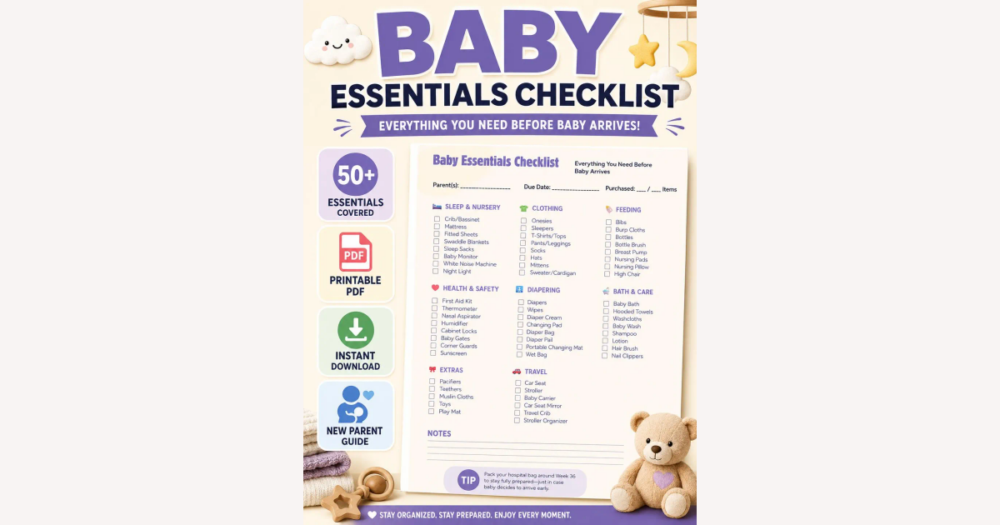
If you’re staring at a long newborn checklist and wondering what you actually need—and how safely you can buy any of it on DHgate—the most useful move is to treat the checklist as a flexible planning tool, not a rigid rulebook. Start with the core care needs your baby will have, then use DHgate selectively once you’ve customized that list and you’re ready to run basic checks on sellers, orders, payments, shipping, and refunds before buying.
What a newborn checklist does (and how DHgate fits into your planning)
A newborn checklist is simply a planning tool that helps you organize everyday care needs—things like a safe place for the baby to sleep, basic feeding supplies, diaper changes, clothing, bathing, and a bit of gear to move around comfortably. It’s not a medical prescription or a guarantee of any developmental outcome, and no generic list can fully reflect your exact home, support network, or budget.
DHgate’s role in this picture is as a marketplace where independent sellers list baby‑related items; it does not publish or endorse a single official newborn checklist. To use DHgate safely, it’s better to start by shaping your own realistic list, then decide which items (if any) you want to look for there, based on how important they are and how comfortable you are with cross‑border shipping and returns.
This guide won’t offer medical advice or tell you to buy specific products or brands. Instead, it focuses on how to keep your checklist short and practical, and how to connect that list to general DHgate buyer practices—checking seller history and ratings, confirming order details and payments, paying attention to shipping and tracking, and understanding disputes and refunds—before you commit to any purchase.
Core newborn checklist categories and what’s truly essential
- Sleeping: a safe, flat sleep surface and simple bedding suitable for your baby’s age and local climate.
- Feeding: whatever you’ll use to feed the baby (for example, bottles and cleaning supplies if you’re using formula or expressed milk) plus cloths for burping and spills.
- Diapering: diapers, wipes or other cleaning supplies, and a comfortable, wipeable spot to change the baby.
- Clothing: enough soft, easy‑to‑wash outfits and layers for frequent changes, matched to your season and indoor temperature.
- Bathing: a gentle way to bathe and dry the baby, such as mild cleansing products, soft towels, and a stable spot for washing.
- Basic gear: a small set of practical helpers like a carrier or simple stroller, depending on how you plan to move around at home and outside.
For most families, ‘essential’ in each of these categories means having simple, practical coverage: a safe place to sleep, a way to feed and burp the baby, enough diapers and clothes for daily changes, and basic tools for bathing and getting around. Extras tend to be specialty gadgets, decorative pieces, or multiple versions of the same item—such as several types of baby seats, elaborate nursery decor, or niche accessories that only fit a narrow routine.
Because space, habits, and budget vary so much, what feels essential to one household may be optional to another. The next step is to take this basic structure and customize it: trimming back categories where you’re likely to overbuy, adding a few items where you know your routine will demand more, and deciding which things you genuinely need before you start checking DHgate or any other marketplace.
How to customize a generic checklist to fit your life
- Note your due window and likely season so you can tilt your checklist toward warmer or cooler layers—thicker sleepwear and blankets for colder months, lighter clothing and breathable bedding for heat.
- Walk through your home and think about where baby care will actually happen: how many rooms you’ll use, how much storage you have, how often you can do laundry, and whether you rely on a car. Cut items that have no clear place to live or that only make sense for a setup you don’t have.
- Map out your caregiving plan—who will help, what their working hours are, and any childcare arrangements. If support is limited or your schedule is tight, keep a few extra basics (like diapers and simple outfits) to avoid stress, but skip duplicate gadgets that won’t truly lighten the load.
- Decide on a realistic budget and your comfort level with backup items. Start by funding core basics in each category, then only add backups or extras if you can afford them without stretching finances; I’d rather have a smaller set I can pay for comfortably than a long list that feels overwhelming.
- Go through each checklist category—sleep, feeding, diapering, clothing, bathing, and gear—and adjust it: increase quantities where laundry or help is scarce, combine functions where one item can cover several needs, and deliberately cross off accessories that don’t fit your space, routine, or budget, even if they appear on long online registries or DHgate browsing ideas.
Avoiding common checklist mistakes (and how DHgate timing affects them)
Matching your checklist priorities to DHgate seller checks
Once you have a customized newborn checklist, treat DHgate’s seller information as a way to match your risk level to each item. Start by checking a seller’s overall rating, then look at how recent the reviews are, what buyers say about product quality, shipping speed, and communication, and whether there is a solid history of completed transactions rather than only a few orders. Read the store’s own policies on shipping, returns, and responsiveness so you understand how they say they handle problems. Because DHgate’s interface and metrics can change over time, always confirm the latest guidance and score explanations in DHgate’s official help resources, not just from older screenshots or third‑party articles.
Tie these checks directly to your checklist priorities. For core categories like sleep basics, feeding tools, and everyday gear—the items you rely on daily and need to arrive in usable condition—I would only buy from sellers with consistently strong ratings, detailed reviews, clear store policies, and a meaningful transaction history. For decorative pieces, backups, or low‑stakes extras, you might accept a bit more variability if you’re comfortable with the risk, but it’s still wise to scan reviews for obvious red flags. In practice, I’d rather leave experimental or duplicate purchases for later or for other channels than compromise on seller reliability for the essentials my newborn will depend on.
Key order and payment checks before you buy
- Confirm each item’s description and photos match what you expect, and double‑check selected options such as size, color, and quantity before placing the order.
- Review the chosen shipping method, estimated delivery window, and any notes about handling or special conditions so they align with your newborn timeline.
- Check the total price including shipping and any taxes or fees, and make sure it fits your budget and matches the amounts shown at checkout.
- Read any stated return, refund, or exchange terms in the listing and store policy so you know how problems like defects, wrong items, or non‑delivery would be handled.
When you are ready to pay, use DHgate’s official checkout and on‑platform payment methods, and avoid sending money directly to the seller through external channels. Marketplace protections usually depend on keeping both payments and communication within the platform, and DHgate’s current buyer‑protection rules define what is actually covered and for how long. Before completing any purchase—especially for newborn essentials—I would review those policies on DHgate, make sure the payment method is clearly supported, and only proceed once the order details, timing, and protection terms all feel acceptable, even if that means delaying or skipping the order.
Planning around shipping, tracking, and possible customs delays
When you’re planning newborn essentials through DHgate, treat shipping time as a variable, not a guarantee. Cross‑border orders often take longer than domestic deliveries and may pass through customs, where checks, local rules, and any duties or fees depend on your country and the chosen shipping method. Actual timeframes and responsibilities can vary by seller and service, so you need to review the shipping options, estimated delivery window, and customs notes in each DHgate listing and in the platform’s current help content before relying on a date.
A practical way to plan is to work backward from your due window. Decide when you want each type of item in hand, then allow extra buffer time for delays and the possibility of customs processing. For mission‑critical essentials—like basic sleep, feeding, and diaper supplies—avoid depending on last‑minute DHgate orders and aim for them to arrive comfortably before the due date. When timing matters, prefer trackable shipping options so you can monitor progress and react if a parcel stalls. I would personally use DHgate mainly for items that either are not critical if they arrive late or can be ordered early enough that even a slower, cross‑border route still fits within my newborn timeline, always checking DHgate’s latest shipping and tracking guidance before placing each order.
Being ready if something goes wrong: disputes and refunds
Even with careful timing, some newborn‑related orders on DHgate may arrive late, differ from their description, or be damaged. Marketplaces typically offer dispute channels for problems like significant delays, items not as described, or quality issues, and may provide refunds, replacements, or other resolutions based on their current rules and the evidence a buyer can show. DHgate’s exact dispute and refund steps, deadlines, and conditions can change, and only its official site and help center define what actually applies at the moment you raise an issue.
To be ready if something goes wrong, build good record‑keeping into your checklist planning. Save order confirmations, screenshots or copies of the original listings, tracking information, and all messages exchanged with sellers. If there is a problem, take clear photos or videos showing what went wrong—such as damage, missing parts, or a different item than advertised. When you need to act, open any dispute from within DHgate, follow the platform’s current instructions, and make sure you stay within the stated time limits. Ordering early, keeping your checklist lean, and having these records organized reduces the odds that you’re trying to fix urgent newborn essentials at the last minute while also gathering evidence for a case.
From checklist to action: a simple DHgate game plan
- Finalize your customized newborn checklist and clearly mark the items that are truly essential for your space, climate, support network, and budget.
- Decide which essentials you’d rather source locally or through other familiar channels, and which non‑urgent or backup items you’re comfortable buying on DHgate given cross‑border timing and reliability.
- For the items you may buy on DHgate, map each one to an appropriate category on the site and build a short list of potential sellers.
- Apply the seller checks from earlier: focus on ratings, recent reviews, transaction history, and store policies, and reserve your strictest standards for higher‑priority essentials.
- For each planned order, review item details, selected options, quantities, total cost, payment method, and shipping choices—especially estimated delivery windows and tracking—before you commit.
- Place orders only when every detail and risk feels clear and acceptable, keep DHgate as one of several sources rather than your only option, and organize confirmations, listings, tracking, and messages so you’re prepared to use DHgate’s dispute and refund processes if something goes wrong.
FAQ: backups, timing, and how much to rely on DHgate
How many backups of newborn essentials should I keep when I’m ordering some items through DHgate?
A small buffer of essentials is usually enough: think in terms of your laundry routine, storage space, and budget rather than fixed numbers. If you wash frequently and have limited storage, a modest set of extra bodysuits, swaddles, and diapers may be plenty; if laundry is harder to fit in or support is limited, a few more backups can reduce stress. Because DHgate orders can take longer and be harder to change once shipped, I’d keep a basic cushion of core items at home and only use DHgate for backups you’re confident you can store and afford, checking current shipping and return details on the platform before you place larger orders.
What can I do if a key newborn item from DHgate arrives after the baby is born or later than I expected?
If a time‑sensitive item arrives late, focus first on practical workarounds: use local shops, other familiar platforms, or items you already own to cover the immediate need, and reserve DHgate for non‑urgent replacements or backups. Then review the original DHgate order: check the estimated delivery window, shipping method, and the seller’s policies, and look at DHgate’s current dispute and refund guidance in its help center. If the delay or problem fits the platform’s rules—for example, significantly past the promised date or not as described—you can open a dispute through DHgate, using your records and any photos as evidence. Planning to rely on DHgate mainly for items you can order early or treat as backups lowers the risk that a late parcel will disrupt newborn care.
Should I rely on DHgate for all the categories on my newborn checklist or only some of them?
It’s usually safer to treat DHgate as one of several sources, not your only option. Many parents use cross‑border marketplaces mainly for non‑urgent items, backups, or extras—things that won’t cause immediate problems if they arrive late or need to be replaced—and turn to local stores or faster channels for core essentials like basic sleep, feeding, and diaper supplies. A diversified approach balances cost savings against reliability: you can take advantage of DHgate where timing is flexible and you’re comfortable with the risk, while keeping critical categories covered through sources with shorter delivery windows or clearer local returns. Your exact mix should follow your risk tolerance, local availability, and budget, always informed by DHgate’s latest shipping, dispute, and refund policies.