
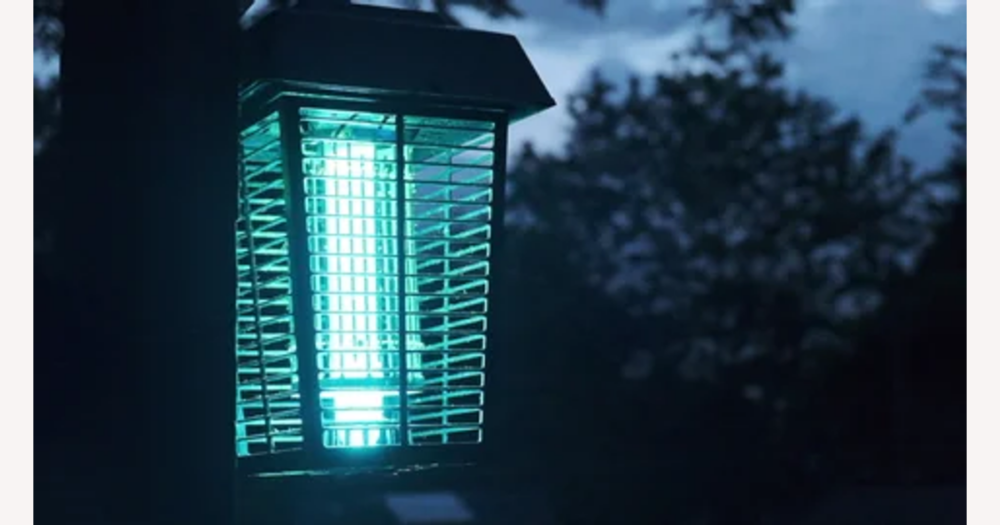
If you searched for insect zapper advice on Amazon but ended up here, the key shift is to use the same technical checks—wattage, coverage area and basic safety features—on DHgate listings, then layer DHgate’s own seller ratings, shipping terms and dispute options on top. Instead of chasing the biggest or cheapest zapper, you’ll get a safer result by matching wattage to your space, treating coverage numbers as rough guides, and favouring sellers whose descriptions and buyer feedback line up on these details.
Match zapper wattage to your space and power constraints
On DHgate, zapper wattage is first and foremost a measure of how much electrical power the unit draws, not a guarantee of how many insects it will kill. Higher wattage usually means a brighter attractant light and a larger, more power-hungry grid, so I would only move up in wattage when there is a clear need, not just because a number is bigger.
For small bedrooms, studies, or other compact indoor rooms, low‑wattage units are usually enough because the insects don’t have far to travel to reach the light. Mid‑range wattage makes more sense for larger living rooms, open-plan spaces, or semi‑open areas like balconies and covered patios. Higher‑wattage models belong in genuinely larger or more exposed outdoor areas, where you can accept a bulkier body, stronger glow and higher power draw to get broader coverage.
My rule of thumb on DHgate is to choose the smallest wattage that reasonably fits the space you actually plan to protect. When a listing shouts about power but you only need a quiet bedroom unit, you are likely paying for unnecessary size, light and energy use. When you genuinely need a yard or big deck covered, then a higher wattage can be justified as long as the listing clearly supports that role.
Because wattage is so central, I always check that it is stated clearly and consistently. On DHgate it might appear in the title, in a specification table, or printed on a label shown in the product images. If the number is missing altogether, or if the title says one wattage while the description, photos or spec table show another, I treat that as a red flag and usually move on to a clearer listing. Only if someone is deliberately chasing the lowest possible price—and is ready to rely on DHgate’s dispute and refund tools if the zapper arrives with different specs—does it make sense to accept that kind of ambiguity.
Use coverage area claims and size to avoid obvious mismatches
Once you have a rough wattage range in mind, the next filter is the stated coverage area. Figures in square metres or feet are usually optimistic marketing, not results from a standardised lab test, so I use them mainly to avoid obvious mismatches rather than as precise promises. A small desktop unit claiming to cover a whole backyard is a marketing story, not an engineering fact.
Coverage claims make the most sense when they line up with the zapper’s physical size and build. A compact lantern-style zapper with modest output describing a small room, balcony or dining area feels believable; the same body claiming to protect a very large yard does not. When a DHgate listing shows a substantial housing, decent spacing for the grid and a moderate coverage figure, I’m more inclined to trust that the seller is being realistic than when a tiny, flimsy unit boasts an enormous range.
To keep those claims honest, I compare the coverage number with the dimensions and style in the listing and then check buyer feedback. Review photos that show where people actually hang or place the zapper—such as a balcony, a small courtyard, or a living room—and comments about how far the light seems to reach give useful context. On DHgate I prefer listings where the coverage claim and the photos or reviews tell a consistent story, even if the number itself is not impressive. If the claim looks exaggerated and there are no corroborating reviews or clear images, I would rather skip that listing and choose a more modest, well-documented option than gamble on cheap but unrealistic marketing.
Check visible safety features, not just vague claims
- Confirm there is a solid outer cage or mesh around the zapper, with bars spaced closely enough that fingers and pet noses can’t easily reach the live grid.
- Check listing photos for clear distance between the outer grille and the inner high‑voltage grid, plus a stable base or secure hanging or wall‑mount hardware so you can keep the unit out of reach.
- Look for explicit labels for indoor or outdoor use and any mention of child or pet safety in the description or spec table, instead of relying on vague phrases like “safe” or “no harm.”
- On DHgate, zoom into photos and read specs carefully, prioritising zappers with clearly shown safety guards even if they cost more, and treating very cheap units with thin or flimsy grilles as a higher risk.
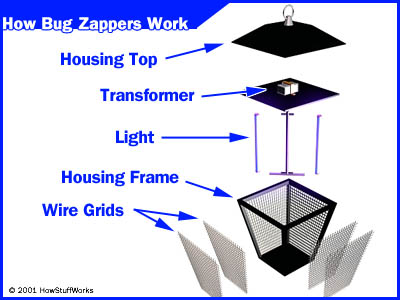
A close-up zapper image showing its outer grille and inner grid helps you recognise protective mesh, bar spacing and grid separation when you inspect DHgate listings.
Match indoor vs outdoor design and weather protection
Indoor insect zappers are usually lighter, more compact units designed for dry, enclosed spaces such as living rooms, bedrooms or enclosed patios. Outdoor models tend to have sturdier casings, more robust seals and mounting options for patios, decks or yards, and their descriptions often highlight weather-resistant or waterproof construction to cope with rain and moisture.
On DHgate I prefer listings that clearly state whether the zapper is for indoor use, outdoor use or both, and that back this up with phrases like “outdoor use,” “waterproof,” “weather-resistant” or specific IP ratings in the spec table. If a device is not described as weatherproof, I would not use it where rain, splashes or heavy humidity are likely, because that can shorten its lifespan or create electrical hazards. If a listing is vague about environment, I would rather skip it or only consider it as a deliberate bargain-risk choice than assume it is safe to hang outside.
Use DHgate seller ratings and feedback to verify specs
On DHgate, seller reputation is one of your main checks on whether an insect zapper’s wattage, coverage and safety claims are likely to be real. A high overall rating, a solid history of completed orders and recent feedback on similar products suggest the seller tends to ship items that match their descriptions and photos.
Buyer reviews and images add detail you won’t see in the spec table. I look for comments about how bright the zapper’s light is, whether the noise level is acceptable, and how its actual size compares with expectations from the listing. Mentions of sturdy casing and a firm outer grille are especially useful because they hint at better safety and durability than a thin, flexible cage.
If several DHgate listings advertise similar wattage and coverage, I would rather pay a little more for one from a well‑rated seller whose reviews repeatedly mention accurate size, solid build and matching specs. Repeated complaints that the unit is much smaller than pictured, feels flimsy, or arrived without the advertised outer cage or with different wattage are strong red flags; I treat those listings as high‑risk, even if the price looks tempting.
A simple step-by-step process for choosing a zapper on DHgate
- Define where you’ll use the zapper: measure the room, balcony or yard and think about who needs protection, especially any children or pets who will be nearby.
- Choose a rough wattage band that fits that space and whether it’s mainly indoor or outdoor use, aiming for the lowest wattage that still seems reasonable for the area.
- Screen DHgate listings by claimed coverage area and physical dimensions, ruling out units that look obviously too small or whose coverage promises seem exaggerated for their size and style.
- Check listing photos and descriptions for safety and environment details, including a protective outer grille, good grid separation, and clear indoor/outdoor or weather‑resistant wording.
- Review DHgate seller ratings, transaction counts and buyer feedback to confirm that the zapper’s size, brightness and build quality match the listing and images.
- Confirm estimated shipping time, costs and return or dispute terms so you know the zapper will arrive when you need it and how problems are handled on DHgate.
- Only place the order through DHgate’s official payment methods, and keep your order, tracking and message records so you can use the platform’s dispute tools if the zapper does not match its advertised specs.
Treat missing or unclear specs as a real purchase risk
FAQ: Should I worry more about voltage than wattage, coverage or safety?
Should I prioritise high-voltage grid claims over wattage, coverage and safety when choosing an insect zapper on DHgate?
Voltage helps determine how strongly the grid shocks insects, but on DHgate it is usually less clearly reported and less consistent than wattage, coverage and visible safety design. Many listings either omit voltage or use it as a loose marketing claim, while they describe wattage, physical size and basic safety features more reliably and show them in photos.
I would treat voltage as secondary information unless it is clearly stated in the specs and backed up by buyer feedback that mentions effective performance and solid build quality. Your main priorities should be: a wattage that sensibly matches your room, balcony or yard; coverage claims that look realistic for the unit’s physical size; visible safety guards such as an outer grille and good grid separation; and a seller with trustworthy ratings and reviews. If a well-documented listing also gives a plausible voltage figure and buyers report good results, that is a bonus—not a reason to choose a zapper that otherwise has vague specs or weak safety details just because it advertises a very high voltage.