
Spocket-style dropshipping platforms and DHgate do not solve the same problem. Spocket is an app that plugs into your store and automates catalog sync, orders and tracking. DHgate is a wholesale-style marketplace that supports small and dropshipping-friendly orders, but you still operate it like a sourcing site. The most practical way to use DHgate for dropshipping platform comparisons is to treat it as a benchmark: check how its prices, supplier mix and minimum order habits stack up against whatever Spocket (or similar apps) are offering in your niche, then decide whether the extra manual work is worth any margin you gain.
For many US small ecommerce brands, that means: use Spocket or another app as your operational backbone, and keep DHgate in your browser as a price and supplier reference — occasionally as a direct source when the tradeoff favors you.
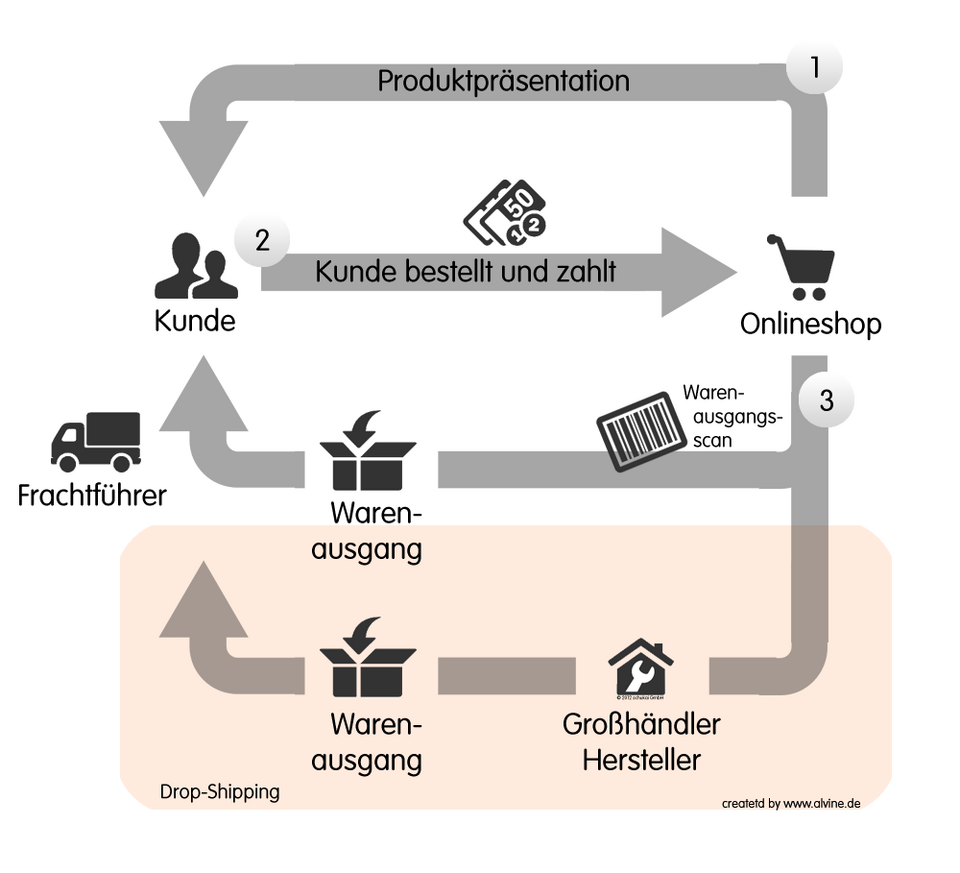
How Spocket-style dropshipping platforms differ from marketplaces like DHgate
If you’re Googling “platforms like Spocket” and seeing DHgate, AliExpress and Alibaba in the same results, you’re actually looking at two different species of tools.
App-style dropshipping platforms (e.g., Spocket, Wholesale2B)
These are SaaS tools that sit between your store and various suppliers. Common traits:
- Shopify/WooCommerce apps or web apps with direct integrations.
- Unified catalog you can import into your store with a few clicks.
- Central order panel: customer buys → order is pushed automatically to the supplier.
- Some level of unified billing and analytics.
They’re primarily workflow tools and supplier aggregators. You often pay a monthly fee in exchange for automation and curated suppliers.
Marketplaces (DHgate, AliExpress, Alibaba)
Marketplaces are large, open catalogs where you deal seller-by-seller rather than through a single app. The differences are mostly about order size and price positioning:
- AliExpress is often treated like a retail-level marketplace where you can buy one unit at consumer-ish prices, then resell.
- Alibaba is oriented around larger MOQs and B2B orders.
- DHgate is a Chinese wholesale/B2B marketplace that offers both wholesale and dropshipping services and connects manufacturers or suppliers with buyers globally. DHgate’s own editorial material highlights that it lists a wide range of products and supports wholesale-style buying for dropshippers and small businesses.
Some independent reviewers describe DHgate’s position as sitting between AliExpress and Alibaba for dropshipping, with more wholesale-style pricing than AliExpress but generally lower minimums than traditional high-MOQ wholesale platforms. That’s an editorial view, not a rule, but it reflects how many sellers treat DHgate in their stack.
Because DHgate is a marketplace, it’s closer to AliExpress structurally than to Spocket. You manually pick suppliers, import products (often via CSV or a third-party tool), and manage messages per supplier. Spocket, by contrast, hides most of that marketplace complexity.
Here’s a compact way to visualize what you’re actually comparing:
| Platform type | Examples | Main role in your stack | Typical control level |
|---|---|---|---|
| App-style dropship tools | Spocket, Wholesale2B | Automation, catalog import, order routing | Lower – app mediates |
| Wholesale/”hybrid” marketplace | DHgate | Product sourcing and price discovery; can support dropshipping | Medium – per-seller |
| Retail marketplace | AliExpress | On-demand small orders; quick product tests | Medium – per-seller |
| High-MOQ wholesale platform | Alibaba | Bulk sourcing, custom manufacturing | High – contract-like |
Understanding these types first keeps you from expecting DHgate to behave like a plug-and-play Spocket alternative.
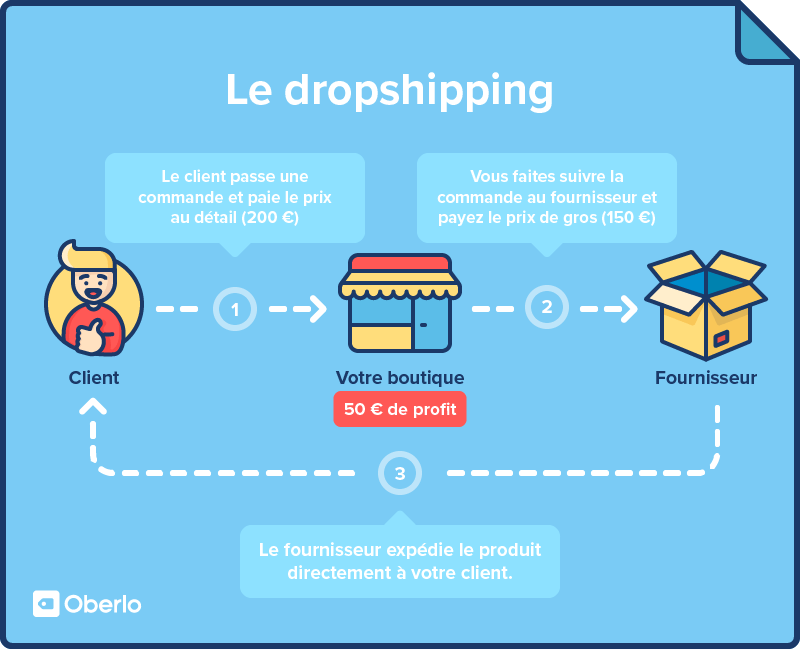
Using DHgate as a benchmark when comparing dropshipping platforms
Once you treat DHgate as a marketplace benchmark instead of an “app like Spocket,” it becomes a useful yardstick for your product ideas.
1. Benchmark pricing and MOQs
DHgate is described in its own editorial content as a wholesale marketplace that offers wholesale and dropshipping services and is linked to manufacturers and suppliers. It also emphasizes lower or no minimum order quantities relative to some traditional wholesale sites, which makes it practical to compare against app-curated catalogs.
A focused way to benchmark:
- Search the exact product type you’re evaluating inside Spocket or another app (for example, “pet grooming glove” or “RGB gaming mouse”).
- On DHgate, filter by category and sort by relevance or orders.
- For the top 3-5 listings that look legitimate to you, record:
- Unit price at the smallest quantity offered.
- Published minimum order quantity.
- Variation in price by quantity break (e.g., price per unit at 1 piece vs. 10 pieces, when shown).
Then compare that snapshot with what Spocket (or another app) charges for a similar product. You’re not looking for exact matches; you’re checking how much margin the app model is eating in exchange for its automation.
If an app’s price is modestly higher than DHgate’s, that may be the cost of automation and curated suppliers. If it’s dramatically higher across your niche, DHgate may be worth using as a direct source for those items, assuming you’re comfortable trading software convenience for more hands-on management.
2. Compare supplier depth, not just prices
DHgate positions itself as an option both for new buyers and established businesses, and highlights user feedback and ratings as tools for evaluating sellers. In practice, that means you can use it to gauge how crowded or thin a niche is on the supply side:
- Count roughly how many suppliers appear on DHgate for your product keyword.
- Check how many have meaningful reviews and ratings.
- Compare that with the number of suppliers you see inside your app of choice.
If DHgate shows many active sellers in a category while your app offers only one or two, the app is probably curating or limiting that category. That can be good (less noise) or bad (less redundancy if a supplier fails). Knowing DHgate’s underlying supplier depth helps you judge whether the app’s curation is a feature worth paying for.
3. Use third-party tools when you need partial automation
You’re not forced into an all-manual workflow with DHgate. Third-party services like Wholesale2B’s DHgate integration advertise that they can automate DHgate-based products into major ecommerce platforms.
Those tools generally promise:
- Product import from DHgate into platforms like Shopify or WooCommerce.
- Some level of stock and price syncing.
- Order forwarding so you don’t manually retype customer details into DHgate.
They sit somewhere between Spocket and a raw marketplace. When you’re comparing platforms, this gives you a hybrid route: Spocket for categories where it has strong coverage, and DHgate + a third-party integrator where the catalog or pricing on DHgate is materially better.
Because these tools are independent services, you should evaluate them on their own terms and pricing. DHgate is not running or endorsing them; they simply connect to DHgate’s marketplace catalog as one of many sources.
Quick checklist before treating DHgate as a “platform option”
Use this condensed checklist while you’re doing platform comparisons:
| Checkpoint | What to look for using DHgate |
|---|---|
| Price gap vs. apps | How far DHgate unit prices sit below or above app prices for similar items. |
| MOQ flexibility | Whether DHgate listings in your niche offer low or no minimum order quantities. |
| Supplier redundancy | How many well-rated DHgate sellers exist for a product compared with your app’s options. |
| Automation alternatives | Whether a tool like Wholesale2B can cover your basic needs if you source via DHgate. |
If the answer to “price gap” and “automation alternatives” both lean toward the app, DHgate should stay in your research tab rather than becoming your primary sourcing route.
When DHgate belongs in your dropshipping stack—and when another route fits better
DHgate highlights its broad product catalog and competitive pricing as benefits for dropshipping, which aligns with using it as a margin and supplier benchmark. But those strengths don’t automatically make it your main platform.
Situations where DHgate can belong in your active stack:
- You’re testing niche products with spotty app coverage. If Spocket or similar tools barely cover your niche but DHgate shows many suppliers, DHgate can be your primary source while the apps handle more mainstream SKUs.
- You care most about wholesale-like pricing and can tolerate manual work. Where DHgate’s sellers offer compelling wholesale-style prices and low MOQs, the manual effort might be justified by extra margin.
- You want multiple sourcing routes for the same product. Keeping a DHgate supplier as a backup for an app-sourced item can help you diversify supply, especially if you sell on marketplaces like eBay or your own site.
Situations where another route usually fits better:
- You need full automation and unified operations. If your priority is pushing thousands of SKUs into Shopify with automatic order routing, branded invoices and consolidated billing, Spocket-style platforms or integrators that sit on top of marketplaces will generally be smoother than a direct DHgate workflow.
- You’re optimizing for simplicity over raw margin. For a solo operator or a very small team, absorbing extra costs in exchange for fewer moving parts can be rational. In that case, keep DHgate as a price and idea benchmark, not your main fulfillment lane.
- You’re focused on high-MOQ private label or custom manufacturing. For that, Alibaba-type platforms and factory-level relationships tend to be more appropriate than any hybrid marketplace.
If you want broader marketplace context while you’re doing these comparisons, it can help to read neutral overviews such as AliExpress vs. DHgate alongside general marketplace explainers like what DHgate is and how the marketplace works. For more general sourcing context, you may also find it useful to look at online marketplaces and shopping platforms and a focused comparison of DHgate vs. AliExpress, Alibaba and Temu.
A simple way to decide whether DHgate should be more than a benchmark in your setup is to start from operations: decide how much manual work you’re willing to own, then use DHgate’s listings and supplier data to pressure-test your short list of dropshipping platforms.