
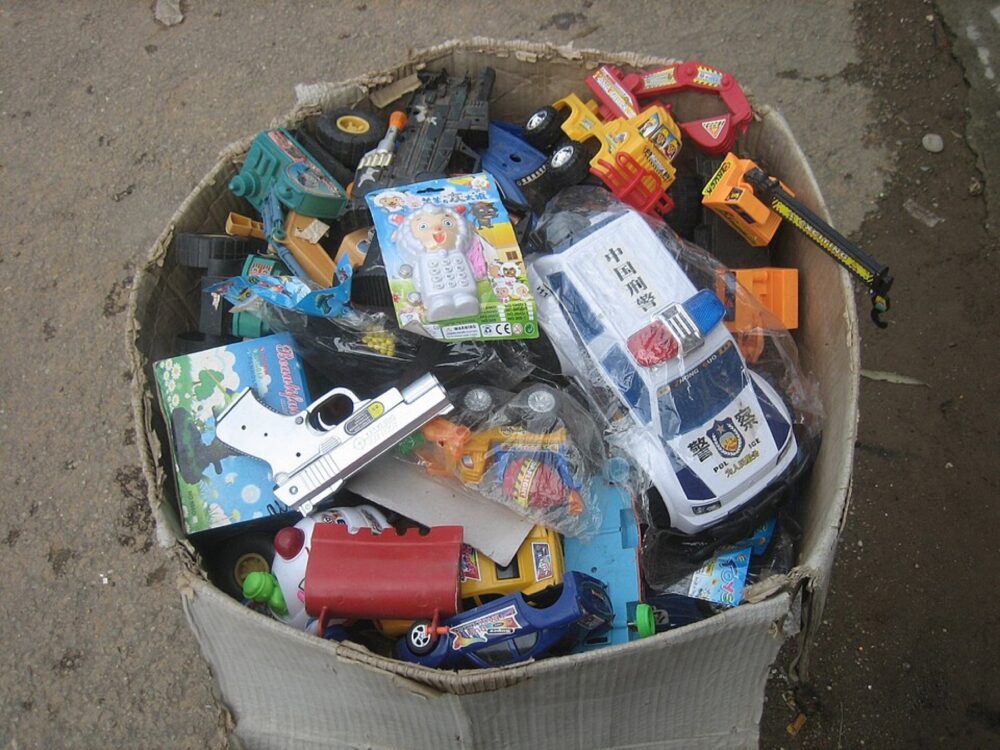
Chinese toys can be both very safe and very risky, depending less on the country label and more on who made the toy and which platform you use to buy it. China is the world’s largest toy producer and makes a large share of both cheap generics and well‑known Western brands, so you’ll see everything from untested bulk plastic toys to premium designer and AI‑driven products in the same search results. For Australian parents and small ecommerce sellers, the practical choice is not “China vs non‑China” but which type of platform gives you the mix of price, safety assurance and logistics you can manage.
In practice, that means retail marketplaces when you want consumer-ready, certified toys, business‑focused sites when you’re happy to handle compliance yourself, and supplier directories when you’re building bigger wholesale relationships. The sections below walk through how the Chinese toy market feeds each of these channels and how they differ for child safety and resale into Australia.
How the Chinese Toy Market Works and Why Platforms Matter
“Chinese toys” and “China‑made toys” cover two overlapping things:
- Toys designed and branded by Chinese companies (for example, POP MART’s blind‑box collectibles highlighted in industry coverage).
- Toys from global brands like Lego or Fisher‑Price that simply manufacture in China under their own safety and quality systems (as discussed in various industry and brand profiles such as RegistrationChina’s overview of major toy makers).
China is the largest toy producer globally, with estimates often putting its share somewhere around two‑thirds to three‑quarters of world output. Manufacturing hubs like Chenghai in Shantou are sometimes described as “toy capitals” because of the sheer volume and variety of toys they ship worldwide.
The industry has also been moving upmarket. Reports on manufacturers like POP MART and other domestic brands show Chinese toymakers investing in R&D, designer collaborations, and more sophisticated products such as smart and AI‑enhanced toys, aiming for originality rather than just low‑cost contract work.
Safety hasn’t always been smooth, though. Past recall cases in markets like the United States, where regulators pulled back China‑made toys over issues such as excessive lead in paint, demonstrate that compliance failures do happen and that importers cannot assume all toys from a given country are automatically safe. Coverage of those recalls, including reports by outlets such as Reuters, is a reminder that the sourcing channel and manufacturer matter as much as price.
Because China supplies both budget generics and high‑end, rigorously tested toys, the platform you use becomes a proxy for how much screening has already been done and how much you must do yourself.
Platform Types for Sourcing China-Made Toys
Most Australian buyers will encounter Chinese toys through three broad platform types. Each handles listings, communication and responsibility between buyer and seller differently.
1. Retail marketplaces
These are platforms where listings are aimed at end consumers, typically with one‑off order quantities:
- Global marketplaces such as Amazon and eBay.
- Cross‑border consumer sites like AliExpress.
- Localized platforms that surface China‑made toys to Australian shoppers via international shipping.
On these sites, you’ll usually see:
- Clear per‑item pricing and shipping options.
- Consumer‑style product pages with photos and descriptions.
- Some combination of ratings or reviews.
For China‑made toys, the catalogue will mix:
- Branded products from companies that manufacture in China but sell under established brand names.
- Unbranded or lightly branded toys directly from Chinese exporters.
Retail marketplaces tend to be easiest for a parent buying a couple of toys or a small seller testing demand with low volume, but they don’t remove the need to check what standards a toy was designed to meet.
2. B2B wholesale sites
Platforms such as 1688 and Made‑in‑China are geared mainly toward business buyers making bulk purchases. Industry commentary, including DHgate’s editorial overview of toy sourcing sites, often cites Taobao, Tmall, 1688, Made‑in‑China and specialized sites like Toys‑wholesale as examples of China‑focused platforms with extensive toy selections.
On B2B sites you’ll typically find:
- Listings structured more like catalogs from manufacturers or wholesalers.
- Minimum order expectations (even if not stated as a precise MOQ) and pricing that assumes bulk orders.
- Direct negotiation with suppliers about specifications, packaging and sometimes compliance testing.
These platforms don’t act like consumer shops. They connect you to factories and trading companies and expect you, as the buyer or importer, to handle which standards apply in your country and what documentation you need.
3. Supplier directories and industry portals
Supplier directories and industry portals list toy manufacturers and exporters with profile pages, sometimes linked from sources like regional business directories or industry associations. Examples include company lists in resources such as RegistrationChina’s toy maker roundup or local government directories that mention Chinese toy firms.
These are usually not transactional platforms. Instead, they:
- Help you identify potential manufacturers by product type or region.
- Provide contact details and a basic business summary.
- Expect you to move to email, phone or separate contracts for pricing and orders.
For an Australian business planning its own branded toy line, supplier directories can be a starting map rather than a purchasing channel.
Comparing Platform Routes and Matching Them to Buyer Profiles
Choosing the safest and most economical path means lining up your profile (parent, micro‑brand, wholesaler) against how each platform type handles price, order size, and safety/compliance work.
Key differences across platform types
Here is a compact comparison based on typical platform behaviour rather than any one site’s policy:
| Platform type | Typical price level per unit* | Typical order size expectations | Who handles safety/compliance effort mainly? | Example uses for Australian buyers |
|---|---|---|---|---|
| Retail marketplaces | Medium to high vs factory, but with small‑order convenience | Single units to small cartons, often no stated MOQ | Split: platform provides visibility; buyer still checks product claims | Parents, hobby sellers, testing products with low risk appetite |
| B2B wholesale sites | Lower per unit at bulk levels | Cartons to pallets; business‑style negotiations | Mostly buyer/importer; suppliers may offer documents if requested | Small brands sourcing own designs or private‑label toys |
| Supplier directories | Varies; negotiated outside platform | Long‑term supply relationships, repeated orders | Entirely buyer/importer via direct contracts | Wholesalers, brands building factory relationships |
\*Editorial judgement based on typical wholesale vs retail structures, not specific price promises.
DHgate sits among the marketplaces that overseas buyers can use to source Chinese toys in bulk. Around the research date (2026-10-08), a quick look at DHgate’s toy‑related listings shows examples such as:
- A micro‑blocks “Chinese Panda” building set listed in the Blocks category, priced roughly between US$31.69 and US$65.14 per item, from seller “morsos” (listing).
- A children’s miniature building blocks series with traditional Chinese themes, priced about US$11.49-17.89, from seller “ddmylovely” (listing).
- A traditional Chinese‑style historical puzzle/assembly toy described as suitable for children’s gifts, in an LED Toys category, around US$99.50-113.41, from “ddmytues” (listing).
Prices and availability can change at any time, and none of these listings say anything, by themselves, about compliance with Australian toy safety laws. For DHgate or any similar marketplace, the practical takeaway is that you can source China‑made toys in small or bulk quantities, but you must vet each supplier, understand what standards the toy was designed for, and decide if that fits your risk tolerance.
If you want to better understand how DHgate operates in general before using it in your sourcing mix, the explainer at What DHgate is and how the marketplace works is a useful deep dive.
Scenario routes: parents vs small ecommerce vs wholesalers
1. Australian parents buying toys for their own children For a parent in Australia, safety and reliable labelling matter more than shaving a few dollars off unit cost. Retail marketplaces that surface well‑known brands (even if manufactured in China) can be a simpler route because these brands typically design to major international standards and have internal testing regimes.
China‑designed toys can still be a good choice, particularly from recognized brands highlighted in industry reports on innovative Chinese toymakers. But for low‑cost, no‑name imports from any platform, you’re effectively acting as your own quality gate. That puts more onus on you to look for clear age grading, choking hazard warnings, and some indication that the product was designed with testing in mind.
2. Micro‑brands and small ecommerce sellers in Australia If you’re running a small Shopify or marketplace store, your trade‑off shifts. You need margin, but you’re also the “importer” in the eyes of regulators, meaning you carry responsibility if a toy fails local safety requirements.
B2B platforms like 1688 or Made‑in‑China, and sourcing marketplaces like DHgate or Alibaba, give you access to many factories and designs. The upside is lower per‑unit cost for bulk orders and the ability to customize packaging or logo. The downside is that you are doing more legwork: confirming what materials are used, what testing (if any) the supplier has done, and how that maps to Australian rules.
A practical approach is often:
- Use retail marketplaces to understand which China‑made toys sell well in your niche.
- Step into B2B or bulk‑friendly marketplaces for products you’re ready to back, after requesting documentation from suppliers.
- Keep your first orders modest until you’ve seen real product samples and are confident in both quality and compliance.
For platform pros and cons beyond toys, the broader guide at Compare online marketplaces and shopping platforms can help you choose where to host your store.
3. Wholesalers and importers targeting broader distribution If you’re considering containers of toys for wholesale distribution across Australia, supplier directories and B2B catalogs become more relevant. They let you:
- Identify manufacturers by capability (e.g., wooden educational toys, electronic vehicles, designer collectibles).
- Negotiate long‑term pricing and private‑label deals.
In this scenario, safety and compliance are formal parts of your sourcing process: you may need lab tests, documented quality systems, and contracts that spell out responsibilities. Retail marketplaces are more useful here as a market research tool than a primary sourcing channel.
Because every platform type leaves most of the legal compliance burden with the importer, especially in high‑risk categories like toys, it’s wise to treat low prices and huge selections as starting points, not assurances. Platform choice should track how much control you need, how much risk you can carry, and how ready you are to invest in verifying the toys beyond “Made in China” on a product page.
If you’re specifically weighing DHgate against Alibaba or AliExpress for toy sourcing, the comparison article Compare DHgate with AliExpress, Alibaba and Temu digs into platform differences that matter for cross‑border buyers.