
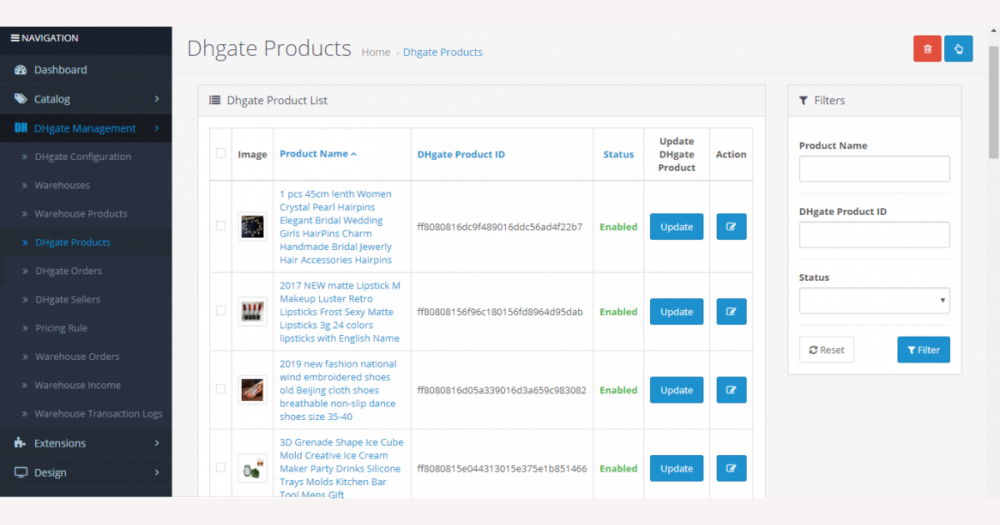
DHgate can be one place to look for Lucky yarns and tweeds, but it is not a guaranteed source or a brand‑verified shop. Because independent sellers control their own listings, availability and authenticity for a specific yarn line are uncertain, so the practical question is whether you want to experiment with DHgate’s processes—search, seller checks, payment, shipping, and dispute tools—and how carefully you use them if you do.
What DHgate can—and can’t—promise for Lucky yarns and tweeds
DHgate is a large third‑party marketplace where many independent sellers list their own products, including a wide range of craft supplies. That structure means listings for Lucky yarns and tweeds may appear there at times, but neither DHgate nor this guide can confirm whether any specific Lucky products are available or genuine at the moment you search.
On DHgate, the platform’s main role is to provide the website, payment tools, logistics options, and dispute system that connect buyers and sellers. It does not curate or control every individual yarn listing, and it does not certify that a given skein is an official Lucky product with guaranteed fiber content or colorway.
The safest mindset is to treat DHgate as an experimental option rather than a primary source for Lucky yarns. If you decide to look, go in expecting to rely on the platform’s processes—careful searching, close reading of listing details, seller checks, and clear use of DHgate’s payment and dispute tools—and be ready to walk away from any listing that looks vague, off‑brand, or more hassle than it is worth.
How to search DHgate for niche yarns like Lucky tweeds
If you decide to search DHgate for Lucky yarns or tweeds, start with the main search bar at the top of the site. Combine the brand name with yarn‑specific terms, for example “Lucky tweed yarn,” “Lucky wool tweed,” or broader phrases like “tweed yarn,” “fleck yarn,” or “speckled wool.” You can refine further by adding fiber content (such as “wool,” “acrylic,” “cotton”), yarn weight (“DK,” “worsted,” “bulky”), or color words to narrow down the results to listings that look closer to what you have in mind.
Once you have a results page, use DHgate’s filters and sorting tools to reduce noise. Choosing a yarn‑related category, setting a rough price range, or filtering by shipping origin or estimated delivery time can make it easier to spot plausible yarn listings among unrelated items. Sorting by relevance or orders can also help surface listings that other buyers have actually used. For any promising result, click through to the full product page and read the description, size and composition details, and buyer reviews instead of relying only on the title or thumbnail images.
Because DHgate hosts sellers from many regions and languages, search results for niche yarns are rarely perfect. Listings can be mis‑categorized, use non‑standard or translated naming, or include brand names loosely as keywords. That means a blank results page does not prove that no comparable yarn exists, and a listing that mentions “Lucky” does not automatically make it the exact Lucky yarn you want. Plan to try several keyword combinations, compare photos and descriptions carefully, and be prepared to skip listings that look inconsistent, generic, or unclear, rather than forcing a match just because a search term appears in the title.
Checking DHgate sellers before you trust a yarn listing
DHgate works as a hub for many independent sellers, each running their own storefront under the platform’s umbrella. Before trusting any yarn listing, start by looking at the seller’s overall rating, the number of completed transactions, the percentage of positive feedback, and how long the store has been active. A seller with a solid history of orders, high ratings, and a store that has been open for a while is generally a safer bet than a brand‑new account or one with frequent complaints.
Read buyer comments rather than stopping at the rating score. Give extra weight to reviews that mention craft supplies, yarn quality, or color accuracy instead of only talking about shipping speed or unrelated products. Consistent, specific praise about how a yarn feels, knits, or matches photos is more useful than a few generic “good product” remarks. If most reviews are negative, vague, or clearly for different items, treat that as a warning sign.
Treat the listing itself as another reliability check. Credible yarn offers usually spell out the brand name, fiber content, yarn weight, approximate yardage per skein, color or shade description, and basic care instructions, ideally supported by clear, close‑up photos of the yarn. Be cautious when details are missing or contradictory, when you only see obvious stock photos, or when the description is so unclear or poorly translated that you cannot tell what you are buying. In those cases, I would rather skip the listing—even if the price is attractive—than gamble on yarn that may not match my project.
Even with careful checking, remember that ratings, reviews, and listing details are indicators, not guarantees of yarn quality or brand authenticity. A seller that looks reliable can still make mistakes, and a listing that mentions “Lucky” in the title does not prove it is genuine Lucky yarn. If strict brand assurance matters more to you than experimenting with a lower‑priced marketplace option, specialized yarn shops or official brand channels are usually the safer path, and DHgate is best treated as an exploratory option where you proceed only when the seller and listing inspire enough confidence.
Typical DHgate order and payment steps for a yarn listing
- Open the yarn or tweed listing you’re interested in, read the full description, and double‑check options such as color, fiber blend, yarn weight, and bundle size so the offer matches what you need.
- Review the pricing details, including the item price, any shipping cost shown for your address, the estimated delivery window, and possible taxes or fees indicated for your location.
- Use DHgate’s built‑in add‑to‑cart or buy‑now function to include the item in your order, keeping the entire process inside the DHgate website or app rather than following external links or instructions.
- When you’re ready, go to checkout, confirm your shipping address and contact details, and carefully review the final order summary, including quantities, chosen options, and the total amount due.
- Choose one of the payment methods offered in DHgate’s official checkout, then submit the order through the platform instead of agreeing to pay by separate bank transfer, messaging app, or other off‑platform channel.
- After submission, wait for DHgate to show an order confirmation in your account and send a confirmation email, and use your DHgate order page for any further messages, status updates, or changes so the transaction remains covered by platform protections.
How DHgate typically handles your payment
DHgate typically processes payments through its own checkout system, where you choose from common methods such as major bank cards and, in some cases, selected digital wallets. You enter your details on DHgate’s secure payment page rather than paying a seller directly, and the platform records the transaction against your order in your DHgate account.
Like many marketplaces, DHgate generally uses an escrow‑like pattern: your payment is received by the platform and is only released to the seller after certain order stages, such as the seller confirming shipment or you confirming receipt. Exact thresholds, timelines, and eligibility rules can change, so it’s important to check the latest payment and buyer protection policies in DHgate’s help center before relying on any specific protection. Even with these mechanisms, payment handling is one layer of risk management rather than a guarantee that every problem will be resolved in your favor.
Shipping, delivery times, and customs for DHgate yarn orders
Many DHgate yarn and tweed sellers ship internationally, often from warehouses in China, using a mix of national postal services and commercial carriers. Economy options usually cost less but can take several weeks in transit, while premium or express services tend to be more expensive but may arrive in a much shorter window. The delivery estimate shown on a listing combines this transit time with the seller’s own processing time, so it should be treated as an approximation, not a promise.
Actual delivery speed can be affected by how quickly the seller hands the parcel to the carrier, how smoothly it moves through the logistics network, and whether it is held for customs inspection. DHgate orders commonly include a tracking number, but tracking pages may show limited or delayed updates, and the tracking ID may be handed off between carriers as the parcel moves from the origin country to your local delivery service.
Because most DHgate yarn orders cross borders, buyers in the US and other countries may be charged customs duties, taxes, or handling fees based on local rules and the declared value of the shipment. If you are concerned about extra costs or import restrictions on textiles or craft supplies, check your country’s import guidelines in advance and factor potential duties and delays into your decision and timeline for starting a project with the yarn you order.
Key risks when buying Lucky yarns and tweeds on DHgate
- Color and texture may look different in person than on your screen, especially for tweeds with small flecks or heathered blends. Mitigate this by zooming in on all photos, checking pictures from multiple angles if available, and reading any buyer comments that mention shade, dye lots, or softness before you commit.
- Listings may give limited or inconsistent details about fiber content, yardage, or yarn weight, which makes substituting for a known Lucky yarn harder. Reduce this risk by reading the entire description, comparing specs across several similar listings, and favoring sellers who clearly state fiber blend, weight category, skein length, and recommended needle or hook sizes.
- Some offers that mention names like “Lucky” could be off-brand or imitation products rather than confirmed, branded yarn. Treat brand claims cautiously: look for close-up photos of ball bands, compare logo and label details across listings, and prioritize sellers with yarn-specific reviews that describe the product as received rather than relying only on the title line.
- Cross-border shipping can be slow and unpredictable, with extended delivery times and possible customs holds. Plan for a medium to long wait by checking the estimated delivery window, choosing tracked shipping where it’s reasonably priced, and avoiding time-sensitive projects that depend on the yarn arriving by a specific date.
- Communication with some sellers may be slow or affected by time zones and language differences, which can make clarifying problems harder. Keep all messages inside DHgate’s system, write plainly about any concerns, and allow for delayed replies before escalating, so there is a clear record if you later need to open a dispute.
- Even with careful checks, there is no way to remove all uncertainty about quality or authenticity when ordering Lucky-style yarns on DHgate. Treat any purchase as a medium-risk experiment: consider starting with a single skein or small test order, stay within a budget you can afford to risk, and only proceed if you are comfortable with potential inconvenience and the possibility that you may need to use DHgate’s dispute tools.
Using DHgate’s dispute and refund processes if something goes wrong
If your DHgate yarn order arrives wrong, damaged, or not as described, start by contacting the seller through the order page. Clearly describe the issue—such as receiving the wrong color, broken or tangled skeins, or missing items—and suggest a reasonable solution like a replacement, partial refund, or full refund depending on the problem.
If the seller’s response is unhelpful or they do not reply, you can escalate by opening a dispute within DHgate. Use the order interface to choose an appropriate reason such as “item not received” or “not as described,” and upload evidence: photos of the yarn and packaging, screenshots of the listing and your conversations, and any tracking information that supports your case.
Disputes usually have to be opened within specific time limits after delivery or the expected delivery date, so watch your order status and check DHgate’s current policies rather than waiting too long to act. Mark down key dates, such as when the parcel was marked delivered, so you can show that your request falls within the allowed window.
DHgate’s role in this process is to act as an intermediary, reviewing the information from both you and the seller under its rules. Outcomes can include partial refunds, full refunds, or other arrangements depending on the evidence and the platform’s policies, but no result is guaranteed. Keeping your payments and communications inside DHgate gives you the best chance of a fair resolution if a yarn order does not meet expectations.
A practical checklist for trying Lucky yarns and tweeds on DHgate
- Before you order: Try multiple search combinations such as “Lucky tweed yarn,” fiber type (for example wool, acrylic, cotton), yarn weight, and color terms to surface potential listings.
- Before you order: Read the full listing carefully, including description, specs, and buyer reviews, and check the seller’s rating, feedback history, and store age for yarn-specific comments.
- Before you order: Review available shipping methods, estimated delivery windows, and any mention of customs or import charges, and only proceed if you’re comfortable with possible delays and extra costs.
- Before you order: Confirm that the stated brand, fiber content, yarn weight, color, and quantity genuinely match what your project needs, and skip any listing that feels vague, inconsistent, or hard to verify.
- After you order: Monitor your order status and tracking information through your DHgate account, watching for updates on dispatch and delivery.
- After you order: Inspect the yarn as soon as it arrives, comparing color, texture, and listed specs against the photos and description you saw on DHgate.
- After you order: If there is a problem, message the seller through DHgate, keep all communication on-platform, and be ready to open a dispute with photos, dates, and order details if the issue is not resolved quickly.
How DHgate compares to specialized online yarn shops
DHgate works as a broad cross‑border marketplace, so yarn listings and brand coverage depend on many independent sellers. That can make it useful for occasionally finding niche or budget‑friendly yarns, but it also means product names, photos, and fiber details may be less consistent than on a site that focuses only on yarn.
Specialized online yarn shops typically curate a smaller set of brands, provide detailed fiber and gauge information, and control their own inventory, which tends to support buyers who care strongly about authenticity, exact color matching, and repeatable orders. By contrast, DHgate leans on marketplace protections—order tracking, messaging, and disputes—rather than uniform listing standards, so I would treat it as an exploratory option for small or non‑critical purchases while relying more on dedicated yarn retailers when brand assurance and precise specs matter most.
Can DHgate guarantee genuine Lucky yarns—and what if authenticity is crucial?
DHgate is a third‑party marketplace, not a direct retailer for Lucky or other yarn brands, so it does not independently certify every branded product and cannot guarantee that any specific listing for “Lucky” yarns is genuine. Any claim of brand, fiber content, or collection on a listing comes from an individual seller, and should be treated as a statement to verify, not a promise from DHgate itself.
You can look for clues that a listing is more likely to be what it says: clear product titles and descriptions that match known Lucky yarn names, photos that show full ball bands or labels, consistent details about fiber content and weight, and a seller history with solid ratings, relevant reviews, and repeat buyers mentioning yarn quality. These are useful signals, but they are still only indicators—none of them can prove authenticity on their own.
If brand authenticity is critical—for example, you need confirmed Lucky yarn for color‑matched projects, specific pattern requirements, or collecting—it’s safer to prioritize dedicated yarn shops or official brand channels that explain how they source their stock, and to skip DHgate listings that feel vague, inconsistent, or too good to be true. DHgate can still be a reasonable place to experiment for non‑critical projects where slight variation or uncertainty is acceptable, but it should be treated as an exploratory option rather than a guaranteed source of genuine Lucky yarns.