
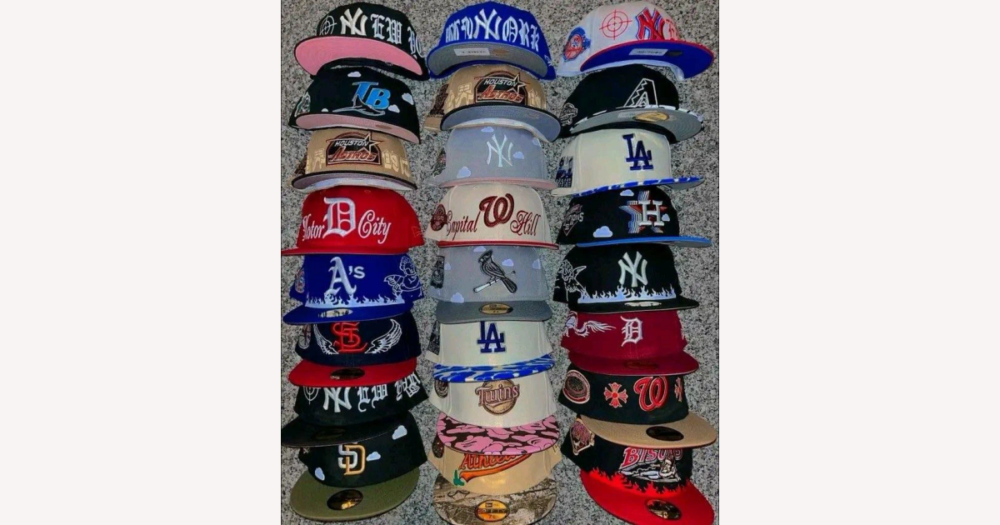
DHgate can be one place to look for used or vintage hats, but it’s a marketplace of many independent sellers rather than a single curated shop. This guide focuses on how DHgate’s processes—seller listings, payment, shipping, and after‑sales rules—shape a used‑hat purchase, and what you should check on the platform before deciding any specific listing is worth the risk.
How this guide fits into your search for used hats
If you came here searching for the best used hats online, this guide narrows that broad question down to one platform: DHgate. Instead of listing individual hats or comparing every marketplace, it explains how DHgate works when you decide to look for used or vintage hats there, so you can judge whether a specific listing feels safe enough to try.
DHgate is a marketplace, not a single store. Many independent sellers use it to offer different kinds of products, which can include new, used, and vintage hats. Each seller writes their own descriptions, uploads their own photos, sets prices and shipping, and may state their own refund or return terms. That means condition, quality, and reliability can vary a lot from one listing to the next rather than being standardized by DHgate itself.
Because I care more about predictable, low‑risk transactions than chasing the very cheapest price, I treat DHgate used‑hat listings as offers from many small shops sharing one platform. The rest of this guide focuses on how that marketplace structure affects your order: what to check in a listing, how payment and shipping usually work, and which rules and policies you should understand before you decide a particular used hat on DHgate is worth the risk.
What DHgate’s marketplace model means for used-hat buyers
On DHgate, every used‑hat listing is created and managed by an individual seller. They choose the photos, decide how to describe condition, set the price, pick shipping methods, and write any notes about returns or guarantees. DHgate provides the marketplace and payment rails, but it typically does not source the hats itself or inspect each item before it is listed.
For a buyer, that means labels like “used,” “vintage,” or “pre‑owned” can reflect one seller’s personal standards rather than a platform‑wide definition. Some sellers give clear, close‑up photos and detailed notes about wear, stains, or repairs; others offer only a couple of generic pictures and a short description. Cleanliness, authenticity, and how honestly flaws are shown can all vary from listing to listing.
I would treat each seller and listing on DHgate like a separate small shop. When I’m considering a used hat, I’m far more comfortable with a listing that has specific condition notes, multiple accurate photos, and clear policies—even at a slightly higher price—than with a vague description that leaves me guessing. The next part of the guide turns this marketplace reality into concrete checks you can apply to individual used‑hat listings and seller profiles before you order.
How to evaluate a used-hat listing and seller on DHgate
- Review seller reputation. Look at overall ratings, how many sales they’ve completed, and the most recent written feedback. I focus on comments about item condition, how closely the hat matched its description, communication, and whether orders arrived roughly when expected.
- Read the full description carefully. Check how the hat is labeled—used, vintage, pre‑owned, refurbished, or “like new”—and look for specific notes about wear, stains, fading, odors, repairs, or alterations. I’m wary of listings that mention “used” only in passing but never describe flaws.
- Scrutinize every photo. Where DHgate’s interface allows, zoom in on the brim, crown, sweatband, lining, and any logos to spot scuffs, discoloration, fraying, or sweat marks. Treat listings that rely only on stock images or that avoid close‑ups of key areas as higher‑risk unless you can get clearer pictures from the seller first.
- Confirm sizing and materials. For hats, circumference, size labels, and fit style (structured vs. soft, shallow vs. deep) matter as much as the design. Vintage or older hats may use sizing conventions that differ from what you’re used to or fabrics that feel stiffer, heavier, or less breathable, so I make sure the listing gives enough detail to judge comfort and fit.
- Locate return and refund terms. Look for any mention of returns in the listing itself and for references to DHgate or seller policies that apply if the hat arrives in worse condition than described. Before I order, I want to know whether returns are allowed, under what conditions, and how a refund would normally be handled for a used item.
- Treat these checks as your own safeguards. DHgate’s marketplace structure doesn’t guarantee uniform condition standards, so I personally complete all of these steps before ordering and walk away from listings that still feel vague or inconsistent. A more risk‑tolerant buyer might accept thinner documentation to chase a lower price, but they should go in knowing they’re trading clarity for potential savings.
- Once a listing and seller look acceptable, you’re ready for the next stage: submitting your order and paying through DHgate’s platform, which is where the order and payment flow becomes the main decision point.
Ordering and paying for a used hat on DHgate
After you find a used‑hat listing on DHgate that passes your checks, the next step is to place the order through the platform. In broad terms, you choose the listing, confirm the quantity, pick any available options such as size or color, and select a shipping method the seller offers. The exact buttons and labels can change over time, so it’s better to think of this as confirming what you want and how it should be shipped, then submitting that request via DHgate’s order interface.
Payment is typically processed through DHgate using mainstream online methods rather than being sent informally to the seller. That can include card‑based payments or other digital options, depending on what DHgate currently supports for your region. I like this platform‑mediated approach because it usually adds a layer of structure and traceability, but the specific methods, fees, and any buyer‑protection arrangements are determined by DHgate and can change. Before relying on protections such as refund guarantees or shipping‑related coverage, I would check DHgate’s current checkout flow and help or policy pages to see what applies to my order at that moment.
With the order confirmed and payment processed, DHgate records the transaction and provides an order record in your account. From there, the independent seller is responsible for preparing, packaging, and shipping the used hat. DHgate’s role is to host the marketplace, handle payment, and offer whatever order‑tracking or support tools are available, not to warehouse or ship the item itself. With the order placed, the next question is what to expect from the seller’s chosen shipping method in terms of delivery time and tracking information.
Shipping and tracking expectations for DHgate used-hat orders
Once your DHgate order for a used hat is placed and paid, the seller decides how to ship it. They typically choose the carrier and service level—economy, standard, or express—and each option comes with its own price and estimated delivery window. Because these choices are seller-controlled, two listings can have very different shipping speeds and costs even if they’re both sending items to the US.
For US buyers, many DHgate shipments are cross-border, often leaving from overseas warehouses. That can mean longer and less predictable transit because the parcel has to move through international logistics and customs processing before it reaches a domestic carrier. Delivery can take longer than a typical domestic marketplace order, and timeframes are best treated as estimates rather than promises.
Tracking depends on the shipping method and carrier the seller uses. Some options include a trackable number that may appear in your DHgate order details or in messages once the seller marks the item as shipped; others offer only basic or no tracking, so you see fewer updates along the way. I prefer shipping methods with clear tracking and realistic delivery estimates, even if they cost a bit more, rather than the absolute cheapest, least documented options. Before you confirm the order, read the listing’s shipping section and any checkout summary to see how long delivery is expected to take, whether tracking is included, and what the seller says about delays. Those same factors feed directly into the broader risks you’ll weigh next: condition uncertainty, customs, and what happens if something goes wrong.
Key risks to weigh before buying a used hat on DHgate
After-sales support, refunds, and disputes on DHgate
If a used hat you ordered on DHgate arrives damaged, noticeably different from the description, or doesn’t arrive at all, the first step is to contact the seller through DHgate’s messaging tools. Explain the problem clearly, attach photos of the hat, the packaging, and any defects, and keep copies of your messages so you have a record of what was said and when.
When direct communication doesn’t lead to a fair solution, or the seller simply stops responding, you may be able to open a dispute or case within DHgate. The platform’s current process typically involves submitting your side of the story, uploading evidence such as photos and tracking information, and following the deadlines and instructions shown in the order or help pages. Both buyer and seller can be asked to provide proof, and the case is then reviewed under DHgate’s buyer‑protection rules.
The outcome of that review—full refund, partial refund, replacement, or no compensation—depends on DHgate’s policies, the strength of your evidence, any time limits, and the terms the seller attached to the listing. Used items add extra subjectivity around “acceptable” wear, so disputes about condition may be harder to resolve than clear non‑delivery or obvious damage.
Because these mechanisms and rules can change over time, I would read DHgate’s up‑to‑date help, refund, and dispute‑policy pages before ordering, and avoid sellers whose listings have vague or restrictive return terms. As you move into a final pre‑purchase checklist, treat after‑sales steps and your willingness to document issues as part of the overall decision about whether a particular used‑hat listing on DHgate fits your risk tolerance.
Quick checklist before you buy a used hat on DHgate
- Review the seller’s reputation: check overall ratings, how many sales they’ve completed, and recent feedback, paying special attention to comments about item condition accuracy and delivery reliability.
- Re‑read the listing description and inspect all photos. If any wear, sizing, or material details are unclear, message the seller with specific questions before you consider buying.
- Confirm the shipping options and estimated delivery timeframe, and check whether your chosen method includes tracking you can follow through DHgate or the carrier.
- Think about possible customs duties, taxes, or import fees for an international shipment to the US and add those potential costs to the hat’s price when judging whether the deal still makes sense.
- Read DHgate’s current buyer‑protection, refund, and dispute information, along with the seller’s own return terms, so you know what kinds of problems are covered and what evidence you’d need if something goes wrong.
- Use these steps as a final filter: if they reveal vague condition descriptions, weak reputation signals, slow or poorly tracked shipping, or unclear refund policies, a cautious buyer might simply skip that listing or seller. More risk‑tolerant shoppers can choose to relax some checks, but should do so knowing the trade‑offs they’re accepting.
FAQ: Is DHgate a good place to look for used hats?
Is DHgate actually a good place to shop for used or vintage hats compared with other online options?
DHgate can be one option for used or vintage hats, but this guide focuses on how it works as a marketplace rather than ranking it against every other platform. On DHgate you get access to many independent sellers, which can mean a wide range of styles and price points, including bargains and harder‑to‑find pieces. The trade‑off is more variability: hat condition may not be standardized, photos and descriptions can be uneven, shipping often involves cross‑border transit and possible customs charges, and refunds or disputes depend on DHgate’s current policies and the individual seller’s terms.
From a low‑risk standpoint, DHgate is workable if you’re willing to be disciplined: thoroughly check seller reputation, scrutinize photos and condition notes, confirm sizing and materials, read shipping and tracking details, and understand refund and dispute rules before you order. If you prefer very predictable condition standards, simple domestic returns, and local shipping with minimal customs involvement, you may be more comfortable with platforms or shops that impose stricter quality control and keep logistics within your country. Evaluating those alternatives in detail is outside this guide’s scope, so the practical decision is whether DHgate’s mix of variety and marketplace uncertainty fits your own risk tolerance.