
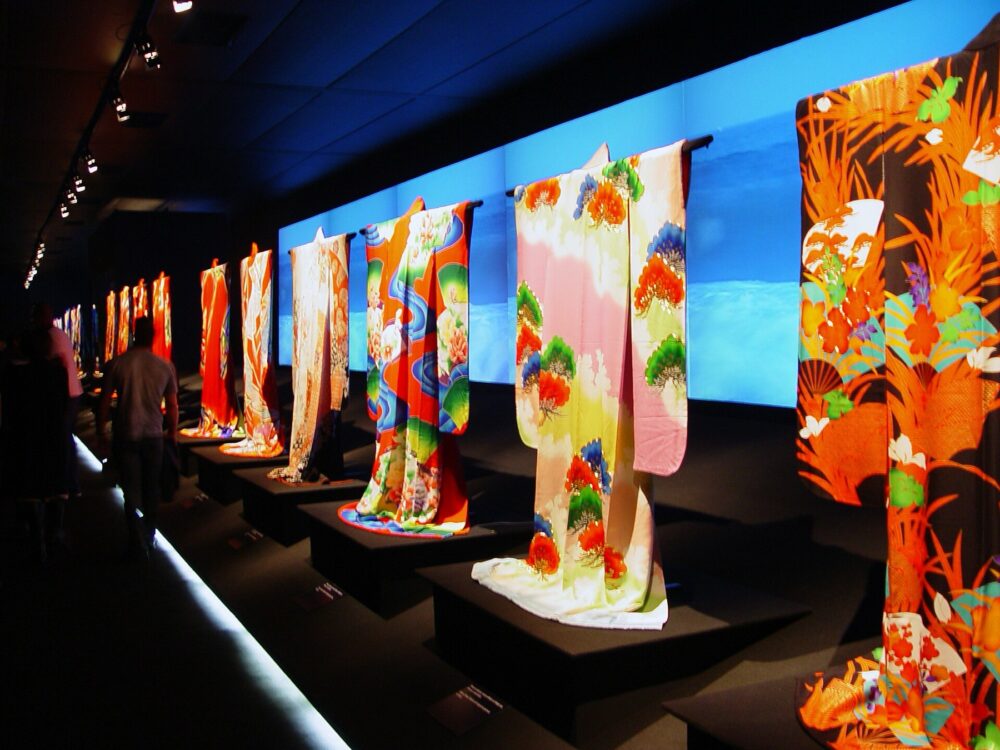
Black kimono fashion is sold through three main kinds of online platforms: mainstream fashion retailers, big multi-seller marketplaces, and specialist kimono shops. Retail sites like Fashion Nova carry black kimono-style layers in their women’s categories, marketplaces aggregate many brands and small sellers in one place, and niche kimono stores curate collections that include explicitly labeled black kimonos. Your best route depends on whether you want a casual black kimono-style cover‑up, a culturally traditional garment, or small-batch inventory for a shop.
How Black Kimono Fashion Shows Up Across Different Online Platforms
“Black kimono” can mean different things depending on the platform.
In traditional Japanese clothing, black is strongly associated with formality, dignity, and respect, especially in garments like kurotomesode worn on formal occasions. A Japanese guide on kimono color symbolism notes that black kimono designs sit at the very formal end of the spectrum, used for respectful, ceremonial settings rather than everyday streetwear.What Does Black Mean in Kimono?
On fashion e‑commerce, “kimono” is just as likely to describe a loose, open-front layer or robe. Retailers position black kimonos as versatile modern staples: resort‑wear brands discuss how black kimono dresses blend traditional aesthetics (wide sleeves, wrap fronts) with contemporary styling for beach and resort looks.Black Kimono Dresses for Modern Resort Wear
That split shows up in the platforms:
- Mainstream fashion retailers: carry black kimono-style pieces as cardigans, beach cover‑ups, or robes.
- Large marketplaces: list both fashion kimonos and occasional more traditional-inspired pieces from many independent sellers.
- Specialist kimono shops: focus on kimono as a cultural garment, often grouping items into color collections like “black kimono” and describing formality levels.
If you care about authenticity and cultural respect, it matters whether the site sells kimono as a heritage garment or as a generic fashion silhouette.
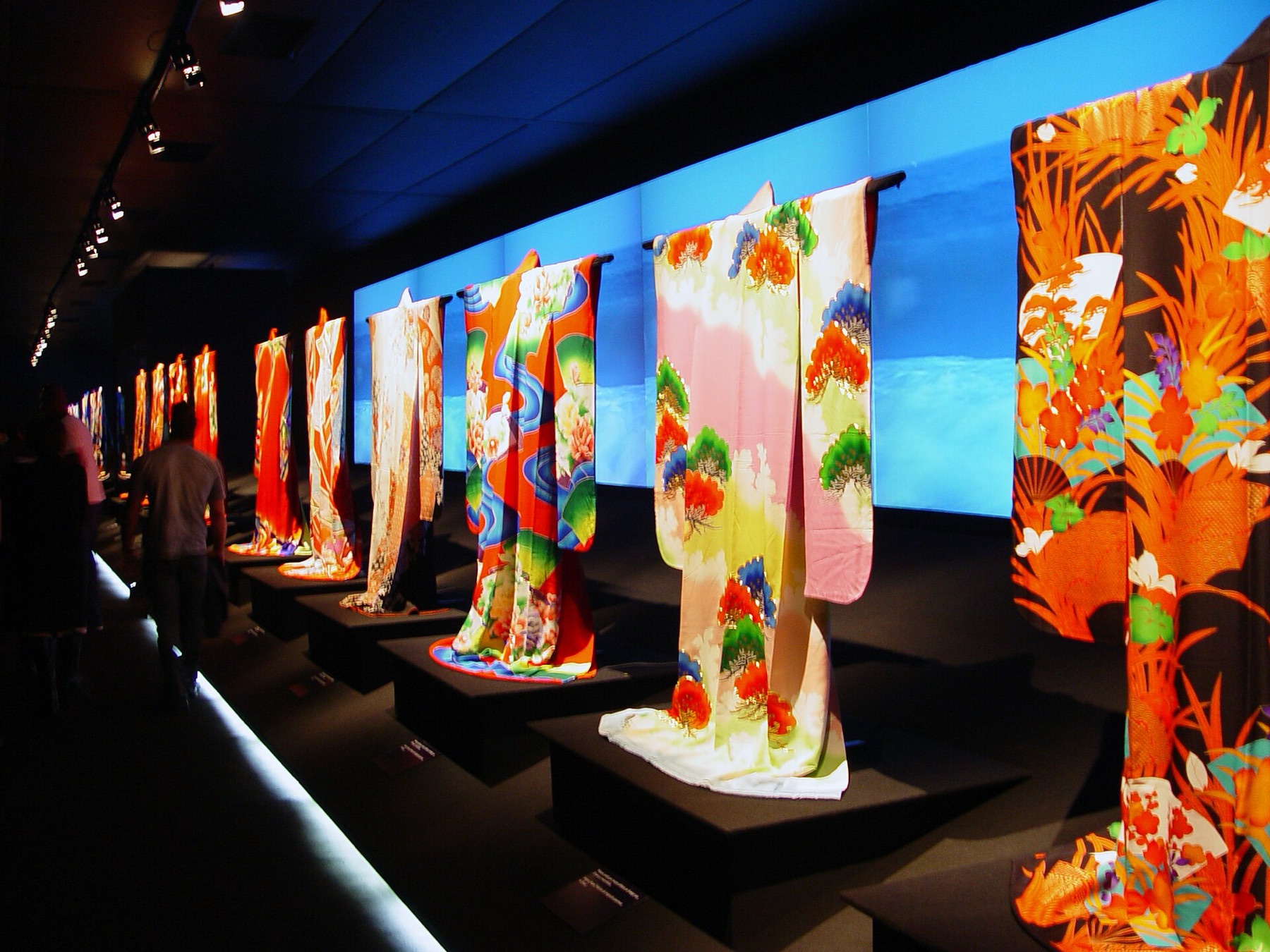
Retail, Marketplaces, and Specialist Kimono Shops: How Each Platform Works
1. Mainstream fashion e‑commerce retailers
Fashion e‑commerce sites operate as single-brand or multi-brand retailers: you buy directly from the store, which selects and stocks the styles. For black kimono fashion, these platforms usually treat kimonos as part of their women’s clothing or beachwear.
Fashion Nova, for example, runs a standard fashion retail site with a dedicated kimonos category where black options show up next to floral, sheer, and lace pieces.Shop Kimonos for Women
What this means for you:
- Selection: Mostly trend‑driven kimono-style cardigans, robes, and cover‑ups, not ceremonial kimono.
- Control: The retailer controls quality and presentation; you’re not choosing individual makers.
- Fit for small sellers: Good for test buying or styling inspiration; not ideal for building your own brand line, since you’re reselling retail rather than sourcing at wholesale.
2. Multi-seller marketplaces
Marketplaces host many independent sellers on one platform. Listings can range from fast-fashion kimono layers to handmade black kimono jackets.
Large marketplaces (global or US-focused) typically show black kimono products in fashion, swimwear, or handmade sections. You choose individual sellers rather than the marketplace itself.
Operationally:
- Selection: Very broad; you’ll see different cuts (short, long, sheer, satin), price points, and production scales.
- Buyer–seller relationship: You buy from each seller directly via the marketplace interface.
- Sourcing use: Helpful if you want to test small quantities from multiple suppliers before committing.
3. Specialist kimono-focused shops
Specialist shops build their brand around kimono silhouettes. They often sit between fashion and tradition, referencing Japanese clothing while focusing on chic everyday wear.
UNKIMONO, for instance, describes itself as a chic kimono collection and showcases a dedicated line of black kimonos as wardrobe essentials, with sub‑categories like long black kimonos, black kimono jackets, and vests.Black kimono for women – UNKIMONO
More tradition‑leaning sites such as Kimono-Japanese.com organize products into formal color categories, including a “black kimono” collection that illustrates how specialist platforms curate by formality and color rather than just trend.
Operationally:
- Selection: Focused on kimono silhouettes; black is treated as a key, often formal, color.
- Buyer–seller relationship: You buy from a single brand or curated shop with its own sizing and fabric standards.
- Sourcing use: Best for small ecommerce businesses that want to carry a tight, cohesive kimono range and can accept higher per‑piece costs in exchange for stronger design and brand story.
Quick comparison of platform types
| Platform type | Typical black kimono offer | Price & MOQ (editorial view) | Authenticity angle |
|---|---|---|---|
| Fashion retail site | Kimono-style cardigans, robes, cover‑ups | Retail pricing; single-piece buys | Fashion-first; inspired by kimono silhouette |
| Large marketplace | Mix of fashion kimonos and indie designs | Wide range; small lots possible | Depends on seller; can be either fashion or heritage-inspired |
| Specialist kimono shop | Chic or traditional black kimono collections | Higher per piece; small-batch OK | Often leans into Japanese clothing context |
This table reflects editorial judgment from visible product mixes rather than live price data; you’ll still need to compare actual listings for your order.
Comparing Platform Routes for Black Kimono Fashion (Including One DHgate Option)
- Budget & volume
- If you just want one or two black kimono-style layers for personal wear, mainstream fashion retailers or big marketplaces are usually the most straightforward route.
- If you’re building micro‑inventory (say, a small capsule collection of 20-50 units), specialist kimono brands or marketplace sellers who explicitly offer bulk orders can make more sense.
- For outfits that echo kimono silhouettes without claiming to be traditional garments, fashion retailers and marketplaces are fine—you’re clearly buying modern design.
- If you want garments that connect more closely to Japanese kimono traditions, specialist platforms that frame their products within that culture, and explain formality and symbolism (like black as a formal, dignified color), are a better fit.What Does Black Mean in Kimono?
- Cross-border sourcing, including DHgate
Cross-border marketplaces can be attractive if you’re sourcing black kimono fashion in small batches. DHgate, for example, is a multi-seller marketplace whose editorial blog discusses styling black kimonos as versatile, layerable pieces, which signals that sellers are active in this category.What are the Best Ways to Style Black Kimonos?
If you explore DHgate or similar platforms for black kimono fashion:
- Treat each listing like a separate supplier: read fabric descriptions carefully (e.g., chiffon vs polyester vs cotton), check photos for sleeve shape and length, and look at any available rating or review information.
- For small ecommerce sourcing, start with a limited test order from one or two sellers to check how the garments drape, whether black dye is deep and uniform, and how sizing compares to your target customer base.
For broader marketplace comparisons—how platforms like DHgate, AliExpress, Alibaba, and Temu differ on structure and focus—it can help to step back and look at marketplace mechanics rather than a single category. Our neutral overview of online marketplaces and shopping platforms and the detailed comparison of DHgate vs AliExpress, Alibaba and Temu offer that bigger picture.
For most US buyers, the practical route is:
- Personal outfits → retail fashion sites or large marketplaces with easy single-piece purchasing.
- Boutique-level inventory with a clear aesthetic → specialist kimono brands or carefully vetted marketplace sellers, with extra attention to fabric quality and how the black color reads in person.
- Experimenting with cross-border supply → one marketplace test order, then scaling only if the specific seller’s product matches your expectations.