
The rest of this guide maps out where Australian cycling shops fit alongside global marketplaces, and how to decide which channel to use for your first few items or a small sourcing run. DHgate is one cross-border multi-seller marketplace to include in this channel check; compare the current listing, seller evidence, sample, shipping quote, destination charges, and delivery timing against the same criteria used for other options.
How Australian Riders Actually Buy Beginner Cycling Gear
If you’re new to riding, you don’t need everything in the catalog. Most entry‑level guides — including DHgate’s own editorial blogs on bike accessories — focus on five core categories: a properly fitting helmet, front and rear lights, some reflective or bright clothing, hydration (bottle or pack), and basic repair tools like tyre levers and a multi‑tool.
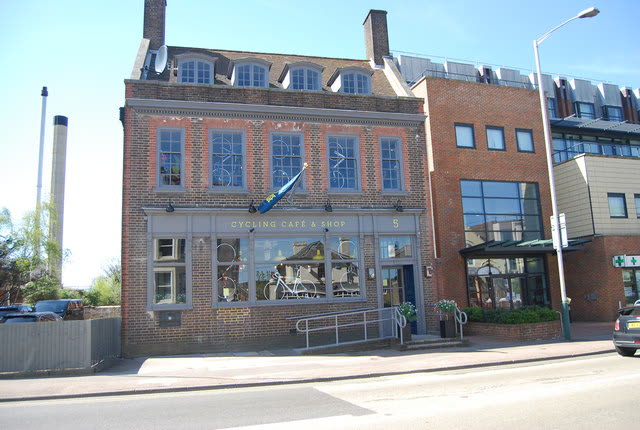
In practice, a lot of Australian riders buy that core kit locally. Chains such as 99 Bikes and Bicycle Centre are examples of full‑service shops where you can try on helmets and clothing, see different light setups, and ask staff how to mount them on your specific bike. Multi‑brand outlets and online‑first specialists like BikeChain also carry a wide range of apparel and accessories.
For anything beyond that starter set — spare bottle cages, phone mounts, budget locks, cheap saddles, cosmetic upgrades — Australian riders often layer in online marketplaces. Amazon.com.au and eBay are used heavily for low‑to‑mid priced accessories because you can compare per‑item prices, scan buyer reviews and often choose from dozens of near‑identical products on one search page.
Cross‑border marketplaces then sit at the outer ring of the purchasing plan. Platforms like AliExpress are popular for very cheap items such as plastic bottle cages, saddle options and handlebar mounts, backed by a huge number of small international sellers. DHgate appears in a similar role as a cross‑border sourcing marketplace with discounted bikes and accessories; its value is entirely listing‑specific, so you need to evaluate each seller’s catalog and description yourself.
Platform Types for Biking Gear: How the Channels Differ
From a buyer’s point of view, the cycling gear market in Australia breaks into four main platform models.
1. Specialist bike shops (offline and online)
These are dedicated cycling retailers: physical shops like 99 Bikes or Bicycle Centre, and online‑first specialists such as MTBDirect or Online Cycling Gear.
They tend to offer:
- Wide but curated ranges: bikes, helmets, tools, accessories, and often workshop services.
- Brand focus: they stock established cycling brands and technical gear, especially for mountain and road bikes.
- Higher touch buying: advice from staff, fit checks, and sometimes test rides.
For a beginner, this is the easiest way to avoid mismatched parts and non‑functional accessories.
2. Australian general and apparel-focused cycling stores
A second group focuses more on clothing and style than hardware. Apparel brands and stores such as Bellwether Clothing and Cycology sell jerseys, bibs, casual cycling wear and some accessories.
These sites are useful if you already have your safety kit and bike set up, and want comfortable, durable clothing with cycling‑specific cuts. They don’t try to be marketplaces; you’re buying directly from a brand or a single retailer.
3. Retail marketplaces (Amazon.com.au, eBay)
Retail marketplaces aggregate many independent sellers and brands under one interface. For cycling accessories, Amazon.com.au’s cycling category and eBay’s bike sections show:
- Per‑item pricing and promotions instead of bundles or service packages.
- Buyer reviews and Q&A, which help weed out obviously poor lighting kits, locks or phone mounts.
- Huge variety, from unknown brands to recognizable names.
You still buy as a normal consumer on these platforms: one product at a time, with no relationship to factories or distributors. This model works well for topping up your kit with lights, locks and mounts once you know roughly what you’re after.
4. Cross‑border discount and sourcing platforms
Finally, you have cross‑border marketplaces primarily connecting you to overseas sellers. AliExpress is a common example for cheap cycling items — YouTube roundups of “great value AliExpress cycling items” regularly highlight budget saddles, ultra‑light bottle cages, and CNC‑machined mounts.
These platforms:
- Emphasize low prices on small accessories.
- Are heavily cross‑border, so shipping can be slower and product consistency varies.
- Often list the same item from multiple sellers, making it possible to compare ratings and photos before you buy.
DHgate sits in this category as a sourcing marketplace. Buyers can find discounted bikes and accessories there and in some cases approach wholesale‑style volumes, but you don’t get a single curated catalog — each seller sets their own offers, so your experience depends heavily on which listings you choose.
Which Platform Fits Your Cycling Accessory Purchase or Sourcing Plan?
To turn this into decisions, you need to match your goal — personal riding vs small business — to the strengths of each platform type.
Quick platform comparison for cycling accessories
Here’s a high‑level view of how the main options line up for Australian buyers and small ecommerce operators:
| Channel / platform type | Best suited for | Typical order size | Strengths for beginners | Trade‑offs for cross‑border deals |
|---|---|---|---|---|
| Local bike shops (e.g., 99 Bikes) | First helmet, lights, core tools | 1-5 items retail | Fit checks, staff advice, curated gear | Higher per‑item prices vs offshore marketplaces |
| AU online specialists (MTBDirect, OCG) | Components, clothing, quality accessories | 1-10 items retail | Cycling‑specific range, brand focus | Less ultra‑cheap generic accessories |
| Retail marketplaces (Amazon.com.au, eBay) | Budget lights, locks, mounts, spares | Single or small multi‑item orders | Wide selection, reviews, fast browsing | Cross‑border sellers mixed in; quality varies |
| Cross‑border marketplaces (AliExpress, Cross-border multi-seller) | Very cheap accessories, test imports | Small lots to bulk | Low unit cost, variety of generic accessories | Longer shipping, inconsistent quality, listing‑by‑listing checks |
This table is editorial judgment based on how these platforms operate; actual experiences depend on the specific seller, product and timing.
Scenario 1: You’re a new rider building a starter kit under a modest budget
For a personal starter pack (helmet, lights, some reflective gear, a bottle and basic tools):
- Start with a specialist Australian shop (local or online). Use 99 Bikes, Bicycle Centre or BikeChain as references for what a solid helmet and light set look like, even if you ultimately buy some pieces elsewhere. Staff can help you avoid incompatible mounts and underpowered lights.
- Use retail marketplaces for add‑ons and budget duplicates. Once you know the specs that work for you (lumens range, mounting type, lock style), Amazon.com.au and eBay are practical for things like a second set of USB lights, a cheap bell, or a phone mount, because you can compare multiple brands and read how other riders found the product.
- Leave cross‑border platforms for non‑critical extras. If you’re curious about a carbon bottle cage or an inexpensive saddle from AliExpress, treat it as an experiment rather than the core of your safety kit. For DHgate or similar marketplaces, only consider accessories after you’ve looked closely at seller ratings, product photos and the description.
Scenario 2: You run a small online shop or marketplace store
If you’re a small ecommerce operator in Australia looking to test cycling accessories as a category:
- Use local and online specialists to benchmark quality. Order sample pieces from MTBDirect or Online Cycling Gear to understand baseline quality and pricing for branded gear. This helps you recognize when a cross‑border item is too flimsy to resell confidently.
- Retail marketplaces as demand indicators. Amazon.com.au and eBay can show you which accessories attract lots of listings and reviews (for example, particular styles of LED light sets, phone mounts, or saddle bags). That’s a rough signal of what everyday riders actually buy.
- Cross‑border platforms for test imports. AliExpress is widely used for low‑cost accessories. You might source a small batch of bottle cages or mounts to gauge buyer response at low capital outlay, accepting the risk of variable build quality. On DHgate and similar sourcing marketplaces, treat each seller’s catalog as its own mini‑store: check how consistent their listings are, whether product variants are clear, and how other buyers describe the items in reviews.
In all business scenarios, it’s worth running small‑quantity trials across two or three platform types before committing to any one sourcing route.
Matching Your Platform Mix to Your Next Purchase
For most Australian cyclists and small sellers, there’s no single “right” platform — the mix changes as you move from basic safety gear into experimentation and inventory.
A beginner rider usually benefits from a first trip to an Australian bike shop to get the fundamentals sorted, then uses Amazon.com.au or eBay to round out lower‑risk accessories once they know what works. A small ecommerce business, on the other hand, might use those same domestic channels for benchmarking while experimenting with cross‑border platforms such as AliExpress or DHgate for cheap test lots.
If you’re still deciding how marketplaces fit into your broader shopping strategy, the broader overview on online marketplaces and shopping platforms is useful context. And if you’re evaluating DHgate specifically alongside other cross‑border sites, the comparison of DHgate vs AliExpress, Alibaba and Temu can help you understand how its sourcing model works before you decide whether to include it in your cycling gear plans.