
What “animatronic dinosaur” actually means at party scale
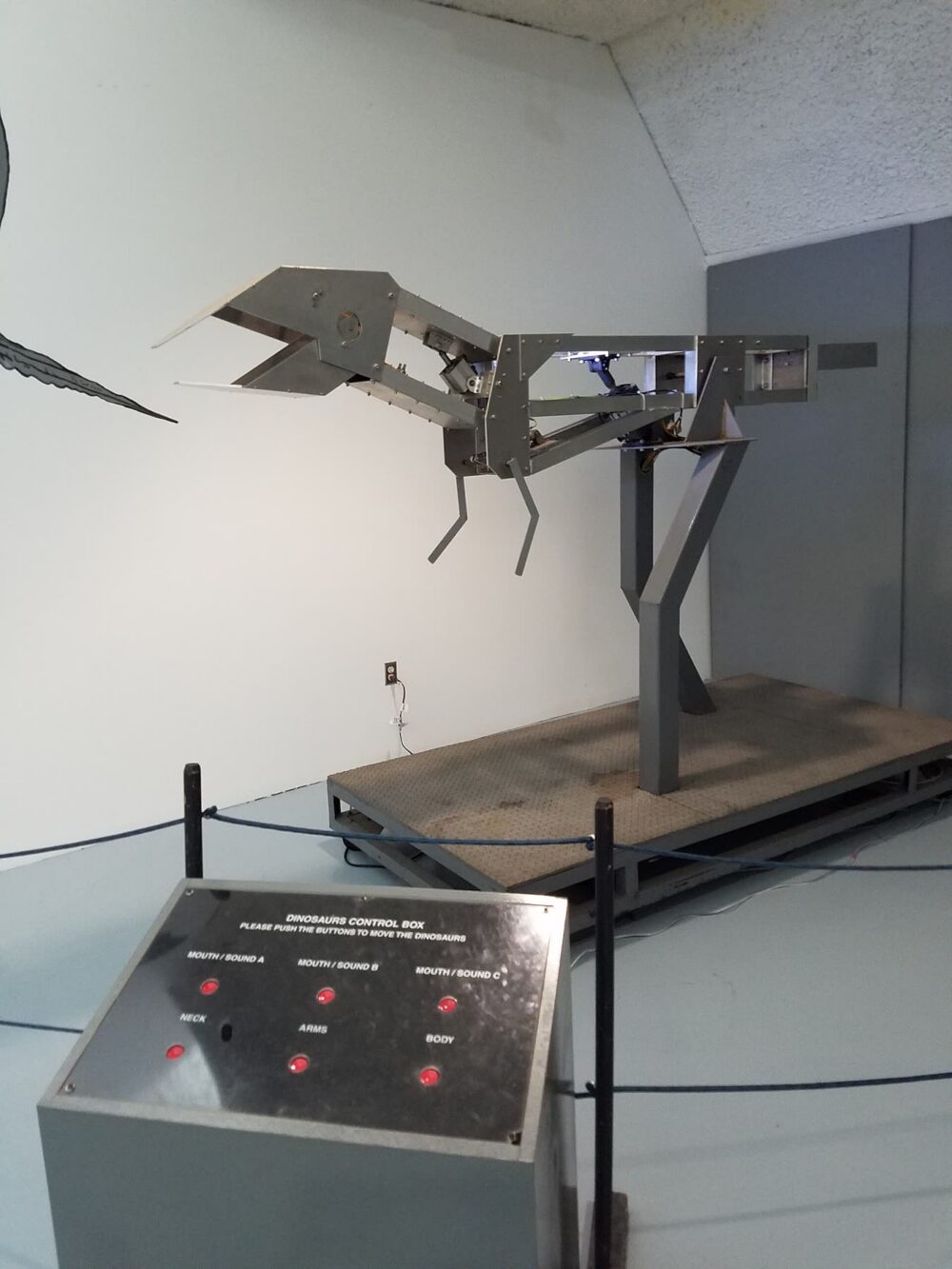
If you search “animatronic dinosaurs” online, you’ll mostly see life-sized, mechanically animated replicas designed for theme parks, museums, and permanent exhibitions. These units have steel frames, motors, control systems, and realistic skins, as shown in manufacturer galleries like Animatronic Dinosaur. They’re built to live outdoors for years and to be part of a larger Jurassic-style park. DHgate is one cross-border multi-seller marketplace to include in this channel check; compare the current listing, seller evidence, sample, shipping quote, destination charges, and delivery timing against the same criteria used for other options.
A suburban birthday or school disco needs something very different:
- Full exhibit animatronic: A multi-hundred-kilo, life-sized dinosaur with programmed movement and sound. Realistically suited to zoos, tourist parks, or council attractions, not a backyard.
- Party-scale animatronic or puppet: Smaller moving heads, tails, or ride-on dinos. These still need power, some installation, and a supplier who can deliver, set up, and remove them.
- Dinosaur costumes and entertainers: Australian party companies offer performers in large dinosaur suits, often with sound effects and choreographed interactions. These “walking dinos” look animatronic to kids but are human-operated.
- Inflatables and DIY props: Blow-up dinosaurs, cardboard bones, and foliage to create a “dino world” without motors or robotics.
For a one-off birthday, you’re almost always choosing between costumes/entertainers and props, not museum-grade animatronics. The budget sections below assume that scale.
How much different dinosaur options cost—and what drives the price
Event budgets hinge on a handful of cost drivers: how complex the dinosaur is, whether you need human entertainment, and how far it has to travel.
Typical cost bands in Australia
Australian dinosaur party providers promote interactive shows with walking dinos, stories, and games. Public price references show that packages commonly start in the mid-hundreds of dollars per event and rise with duration, number of characters, and travel distance. Many services concentrate around major cities such as Sydney, Melbourne, Brisbane, and Perth, and charge extra to travel further into regional areas, so a party on the outskirts will usually cost more than one close to the CBD.
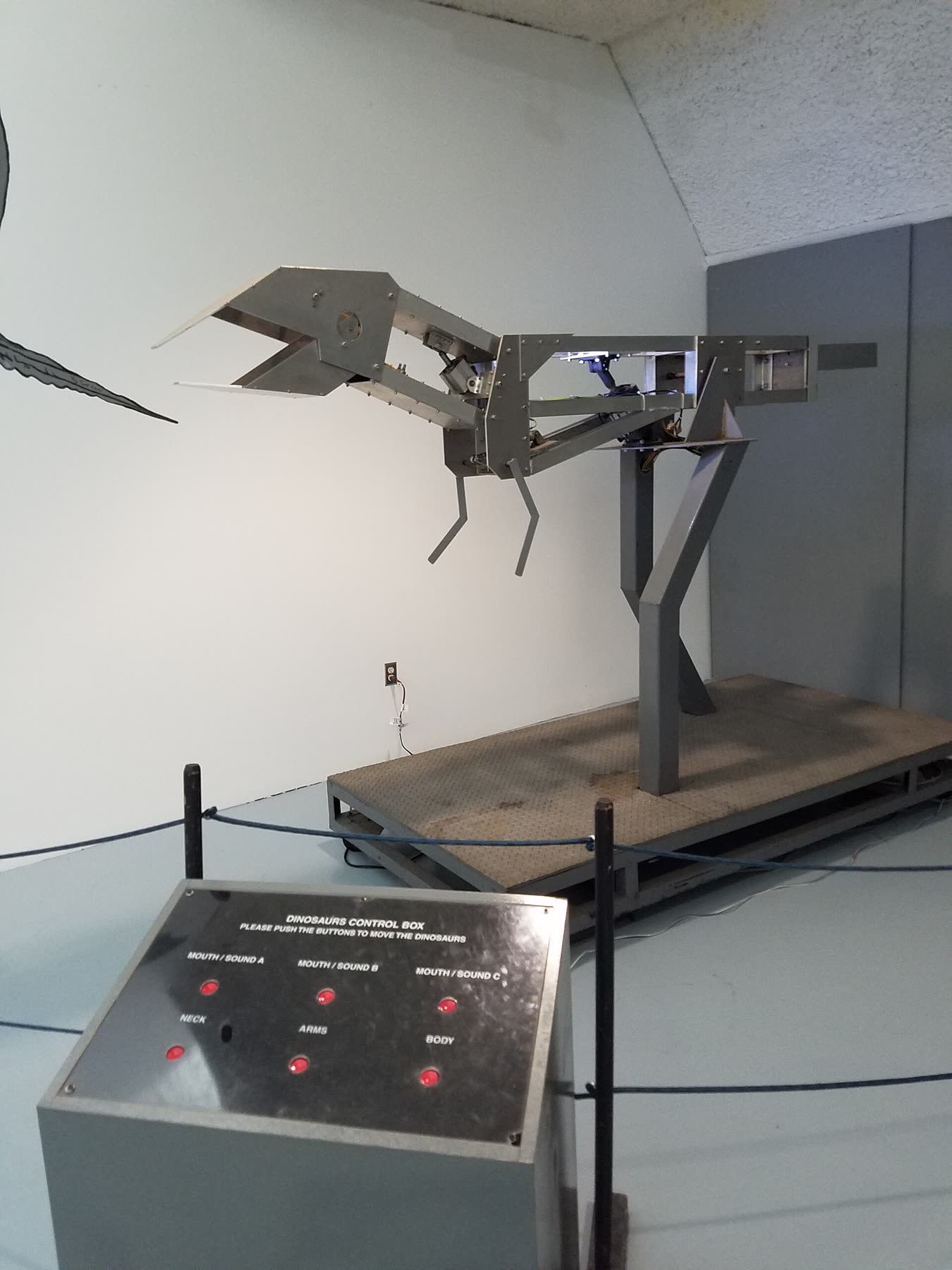
By contrast, specialist manufacturers such as Animatronic Dinosaurs and peers in China custom-build life-sized robots and ship globally. Their products are usually ordered as multi-piece exhibits, with pricing driven by size, movement complexity, skin detailing, and quantity. Even without exact figures, you can safely assume that a single large robot, freight, and import charges run well past typical family party budgets.
What actually drives the price
For any dinosaur option, you’re paying for some combination of these components:
- Product or entertainment fee: Costume purchase price, inflatable set, or entertainer fee.
- Shipping or travel: Courier shipping for costumes/props, or the entertainer’s travel and time. In Australia, longer drives between suburbs or between cities increase fees.
- Customisation: Brand logos, custom colors, or bespoke movements increase manufacturer costs.
- Cross-border freight and customs: Large animatronic pieces are heavy, oversized freight. Importing them into Australia adds significant transport costs and customs charges, especially if multiple crates are involved.
Here’s a simplified comparison of how those costs show up for different options:
| Option | Typical use case in Australia | Main cost drivers | Budget fit for one-off party |
|---|---|---|---|
| Local dinosaur entertainer | Kids’ birthdays, school events in major cities | Performance fee, duration, travel distance | Strong (mid-hundreds) |
| Dino costume (buy or hire) | DIY entertainment, repeated events | Costume price or hire fee, freight if imported | Strong for repeat use |
| Inflatable dinos & DIY props | Budget backyard parties | Retail price, standard parcel shipping | Very strong |
| Full animatronic dinosaur robot | Parks, museums, tourist attractions | Custom build, international freight, customs | Poor for one-off parties |
For cross-border sourcing, size and weight matter more than almost anything else. A single human-wearable costume or inflatable kit is typically shipped as a parcel; a life-sized animatronic is freight cargo which triggers very different pricing and paperwork.
Choosing the right channel and keeping the budget under control
Your best channel depends on how often you’ll use the dinosaur and whether you’re a family buyer, an event planner, or a small ecommerce business.
If you’re planning a one-off kids’ party
For a single birthday, local dinosaur entertainment is usually the sweet spot:
- You get an interactive show, a realistic-looking dinosaur, and activities handled by professionals.
- Pricing commonly starts around the mid-hundreds of dollars, which compares well with buying and importing a costume once you include freight.
- You don’t handle installation, storage, or maintenance.
If that’s still too much, build the experience with costume-and-prop combos:
- Hire or buy a simple dinosaur costume for an adult and let them play host.
- Layer in inflatables, cardboard eggs, and “fossil dig” games as suggested in many party idea guides.
If you run recurring events
Venues, shopping centres, or party businesses doing multiple dino events a year can justify owning costumes or small animatronic props:
- Buying a durable mascot-style dinosaur suit spreads the cost across many bookings.
- Simple animatronic elements (moving heads, tails, ride-on dinos) sourced from specialist exporters may make sense once you have storage and know you’ll use them across seasons.
This is where overseas suppliers of custom animatronics become relevant. They already ship globally for parks and attractions, and some offer smaller interactive pieces alongside full-scale robots.
If you’re an ecommerce or party-supply seller
Small ecommerce businesses targeting dinosaur parties generally focus on inflatable dinos, decorations, and child costumes rather than full robots. Those items:
- Ship as parcels, which keeps freight manageable.
- Face simpler import processes than large animatronics.
- Can be stocked in multiple designs without massive capital per item.
Practical ways to keep your costs in check
Whichever channel you choose, these tactics help avoid budget blowouts:
- Match the dinosaur to the venue: In a small living room, a single costume and a few inflatables impress kids just as much as a complex animatronic—and cost far less.
- Prioritise interaction over hardware: Younger children care more about a dinosaur that “plays” with them than how advanced the mechanics are. A good entertainer can be a better investment than an expensive static prop.
- Limit cross-border bulk for one-off use: If you only need one show, importing a heavy animatronic rarely makes financial sense once you layer in freight and customs. Stick to domestic services or light, parcel-friendly items.
- Think safety and age-appropriateness: Avoid cramped spaces with large, moving props, check costume visibility and ventilation for the performer, and keep power leads and motors away from younger kids’ reach.
If you’re considering importing any substantial dinosaur setup or building a resale business around these products, it’s worth getting familiar with Australian customs and import charges. Guides such as Understand customs, tariffs and import fees explain how duties and taxes can change your real per-unit cost, which is critical when you move beyond local rentals into cross-border sourcing.