
Barleycorn tweed is a specific tweed pattern made of small grain-like motifs, not a generic “tweed look.” You’ll see it used in jackets, caps, skirts, and upholstery fabrics, especially from mills that weave Harris Tweed and other traditional wool tweeds. You can buy barleycorn tweed either as finished garments or as fabric by the yard/metre, and the best platform depends on whether you just want one jacket for yourself or small batches of cloth for an ecommerce business.
For individual buyers, brand sites and marketplaces that clearly label “barleycorn” in the product name are usually the most straightforward route. For small sellers who need repeatable sourcing and specific colorways, direct fabric retailers and specialist tweed shops give you better control, even if that means cross‑border orders from UK‑based suppliers.
What Barleycorn Tweed Fabric Is and Why Buyers Care
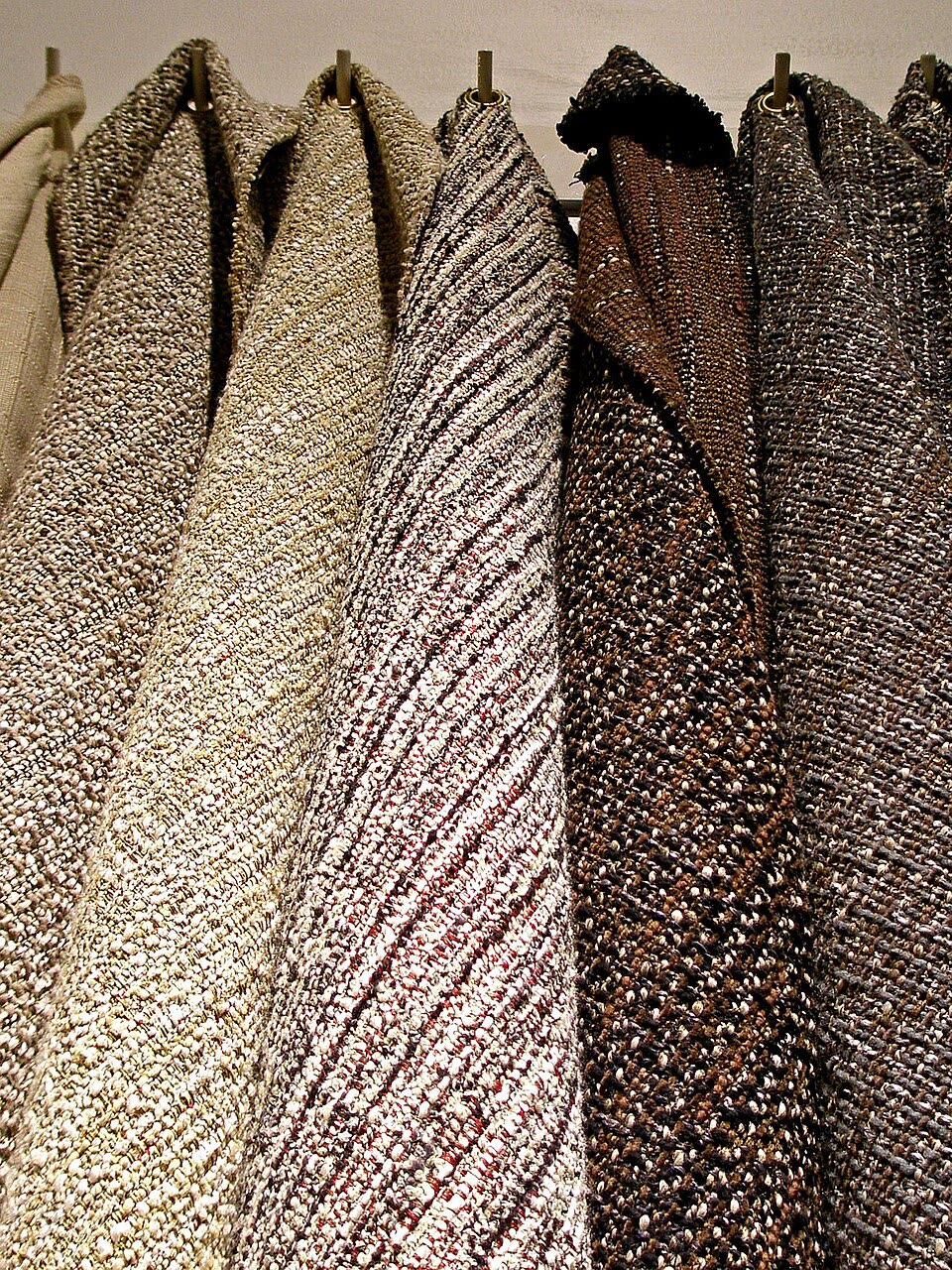
Barleycorn is a traditional tweed pattern made up of small, repeated shapes that resemble grains of barley. In practice, that means a subtly textured surface rather than bold stripes or checks. The pattern adds depth and interest to the fabric while staying quite understated, which is why you often see barleycorn used in classic country-style jackets and coats.
Mills such as Harris Tweed Hebrides offer barleycorn-pattern Harris Tweed in multiple colorways, including greens, blues and greys marketed for both apparel and upholstery use. Their dedicated barleycorn fabric collection shows how the same pattern is adapted for different end uses—jacketing, caps, skirts, and soft furnishings.
From a buyer’s point of view, the key traits are:
- Warm, dense wool suitable for fall and winter outerwear
- A textured pattern that hides minor wear better than smooth cloth
- Classic, often earthy color palettes that read “heritage” rather than flashy fashion
If you’re sourcing products, calling out “barleycorn” in your copy or filters matters because pattern‑specific shoppers will search for it the way they search for herringbone or Donegal.
Where Barleycorn Tweed Shows Up Online: Platform Types and Examples
Barleycorn tweed isn’t everywhere online; it tends to live in three main channel types.
1. Brand and mill websites
Some mills and brands sell barleycorn tweed directly to consumers.
- Harris Tweed Hebrides: Sells barleycorn-pattern Harris Tweed fabric online in multiple colors, including pieces described for upholstery as well as clothing. Their collection page lets you compare shades and product codes, useful if you’re trying to match fabric to existing stock or plan a product line.
These sites are effectively supplier platforms: you’re buying close to the source, so pattern naming and provenance are very clear, but you’re limited to that mill’s designs and shipping options.
2. Tweed-specialist fabric retailers
Several independent retailers focus on Harris Tweed and similar fabrics and list barleycorn by the metre.
- All About Tweed offers Harris Tweed barleycorn fabrics like “Barleycorn Sage” and “Barleycorn Sky” by the metre for apparel or craft use, giving small buyers access without wholesale commitments (example listing).
- Heart and Industry carries Harris Tweed Hebrides barleycorn fabrics, including general apparel cloth and upholstery‑labelled options in grey and blue (example product).
These sites function as specialist fabric shops. They typically:
- Clearly label pattern names like “barleycorn” and the originating mill
- Sell in small cuts (metres or yards), ideal for microbrands and hobbyists
- Offer multiple colorways in the same pattern so you can build a coherent range
3. Marketplaces with independent sellers
Marketplace platforms host individual sellers offering both fabric and finished items in barleycorn tweed.
- On Etsy, multiple independent sellers list Harris Tweed barleycorn fabric by the metre and finished goods like caps or bags. Listings often use phrases like “authentic Harris Tweed fabric by metre” and specify pattern names in the description (one example listing).
Marketplaces give you breadth—different sellers, colors, and product types—but also variety in how precisely items are described. Pattern names may appear in titles, tags, or only deep in the description, so search and filtering matter.
How the Platform Types Compare for Barleycorn Tweed
Here’s how these routes stack up on practical buying dimensions for barleycorn tweed fabric or garments:
| Platform type | Typical buyer fit | Pattern clarity (“barleycorn” label) | Volume flexibility |
|---|---|---|---|
| Brand/mill site (e.g. Harris Tweed Hebrides) | Individuals; small brands wanting specific mill designs | Very clear – pattern and mill named on product pages | Good for small to moderate orders; selection limited to that mill |
| Tweed specialist fabric shop | Hobbyists; small ecommerce sellers needing fabric | Clear pattern naming and colorways | Strong for small cuts and repeat orders of the same SKU |
| Marketplace (e.g. Etsy) | Consumers; microbrands, vintage or niche sellers | Mixed – depends on how each seller titles and tags | Flexible; you can buy single items or multiple yards, seller by seller |
As a US buyer, cross‑border issues show up differently in each channel:
- Brand/mill sites and specialist retailers are often UK‑ or EU‑based, so you may be paying in GBP/EUR and dealing with international shipping for every order.
- Marketplaces can surface both domestic and overseas sellers; you can choose based on location if transit time or customs exposure is a concern.
DHgate enters the picture as a general sourcing marketplace where tweed jackets are among the fashion categories discussed in its editorial content. If you browse there for tweed garments, treat fabric type, pattern name, and origin as details you need to verify manually against the listing photos and text; barleycorn may not be explicitly labeled even when the texture looks similar.
If you’re weighing marketplace routes more broadly, it can help to read neutral platform explainers such as Compare online marketplaces and shopping platforms or a focused breakdown like Compare DHgate with AliExpress, Alibaba and Temu.
Choosing the Right Platform for Your Barleycorn Tweed Purchase
The “right” platform depends strongly on who you are and what you’re buying.
If you’re a consumer buying one or two garments
You’ll usually get the best experience from:
- Brand or retailer sites that explicitly use barleycorn in product names (e.g., Harris Tweed jackets or caps specified as barleycorn). This gives you confidence in what pattern you’re getting.
- Marketplaces with clear photos and pattern naming for vintage or handmade pieces. On Etsy, searching both “Harris Tweed barleycorn” and color terms (sage, sky, grey, blue) can surface pattern‑specific items.
General marketplaces including DHgate can be a price‑driven option for tweed‑style jackets overall, but they’re less reliable when your priority is a named pattern. Use them if you care more about look and budget than about sourcing a specific Harris Tweed barleycorn.
If you’re a small ecommerce brand or craft seller buying fabric
Your priorities are usually repeatability and pattern accuracy.
- Start with specialist fabric retailers like All About Tweed or Heart and Industry if you need Harris Tweed barleycorn by the metre. They give you clear SKU codes, pattern names, and multiple colorways, which makes it easier to reorder when a product sells.
- Consider buying direct from mills (e.g., the Harris Tweed Hebrides barleycorn collection) if you want closer control over provenance or are building a line around that mill.
- Use marketplaces mainly to fill gaps or test small quantities—say, trying one colorway from an Etsy seller before you commit to a larger run through a specialist retailer.
If your business model depends on a specific named pattern like barleycorn (for branding or customer expectations), avoid treating “tweed look” jackets from general marketplaces as interchangeable stock. The weave, origin, and legal use of marks such as the Harris Tweed orb can affect both quality perception and how you describe the product.
For broader background on how sourcing marketplaces operate, you can also read What DHgate is and how the marketplace works, then apply that logic to your own barleycorn vs. generic tweed sourcing decisions.
In practice, a lot of buyers end up with a hybrid approach: brand or marketplace sources for finished jackets and caps, plus specialist fabric shops for small runs of handmade or private‑label items. Barleycorn’s subtle pattern makes it a good candidate for this strategy, because you can mix and match colorways across channels while keeping a consistent visual theme.