
The Market for Amazon Label Makers: Retail vs Wholesale Platforms
“Amazon label makers” isn’t a single product. On Amazon Australia’s label maker category, you’ll see everything from handheld organizers like the Dymo LetraTag 200B Bluetooth label maker to office‑oriented machines, plus business‑grade thermal printers suitable for shipping labels.
For FBA, you’re not buying a cute pantry labeler — you need hardware that can reliably print:
- 4×6″ shipping labels for Amazon‑generated shipments and other carriers.
- Small barcode labels for FNSKU/UPC, often in large batches.
Seller discussions in Amazon’s own forums show a consistent pattern: people recommend direct‑thermal shipping printers (brands like Rollo, iDPRT, DYMO 4XL/5XL, MUNBYN) paired with compatible label rolls as a cost‑effective way to handle both 4×6 shipping labels and FBA barcodes. These printers don’t use ink or toner; you buy thermal labels and the printer uses heat to create the image.
Around that FBA need, the market for “Amazon label makers” breaks into two broad hardware types:
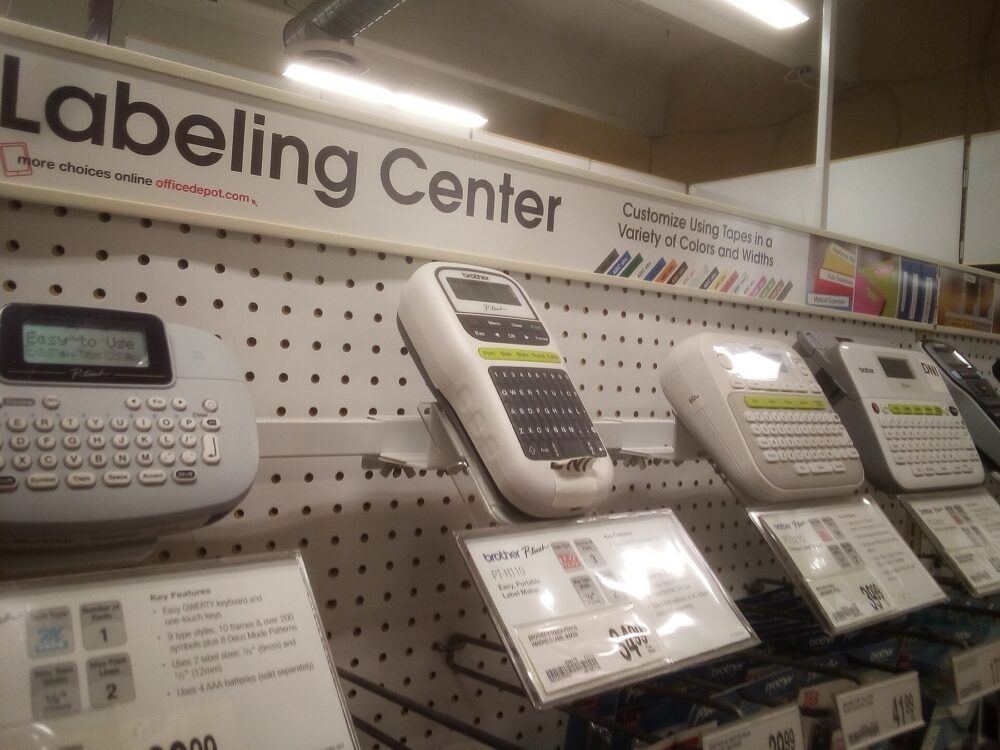
- Consumer/office label makers (LetraTag, Brother P‑Touch, mini Bluetooth units): great for shelves and files, usually too narrow or too slow for bulk 4×6 shipping.
- Shipping‑grade thermal printers (DYMO LabelWriter, Rollo‑style devices): designed for wider labels, higher speed, and integration with ecommerce platforms.
Those products are sold across different platform types — retail marketplaces like Amazon and eBay, brand‑direct stores, and wholesale/cross‑border marketplaces that connect you directly to overseas manufacturers.
Platform Types for Sourcing FBA Label Printers
You can buy an FBA‑ready label printer from three main platform types. They look similar from a buyer’s laptop, but they work quite differently behind the scenes.
1. Retail marketplaces (Amazon, eBay)
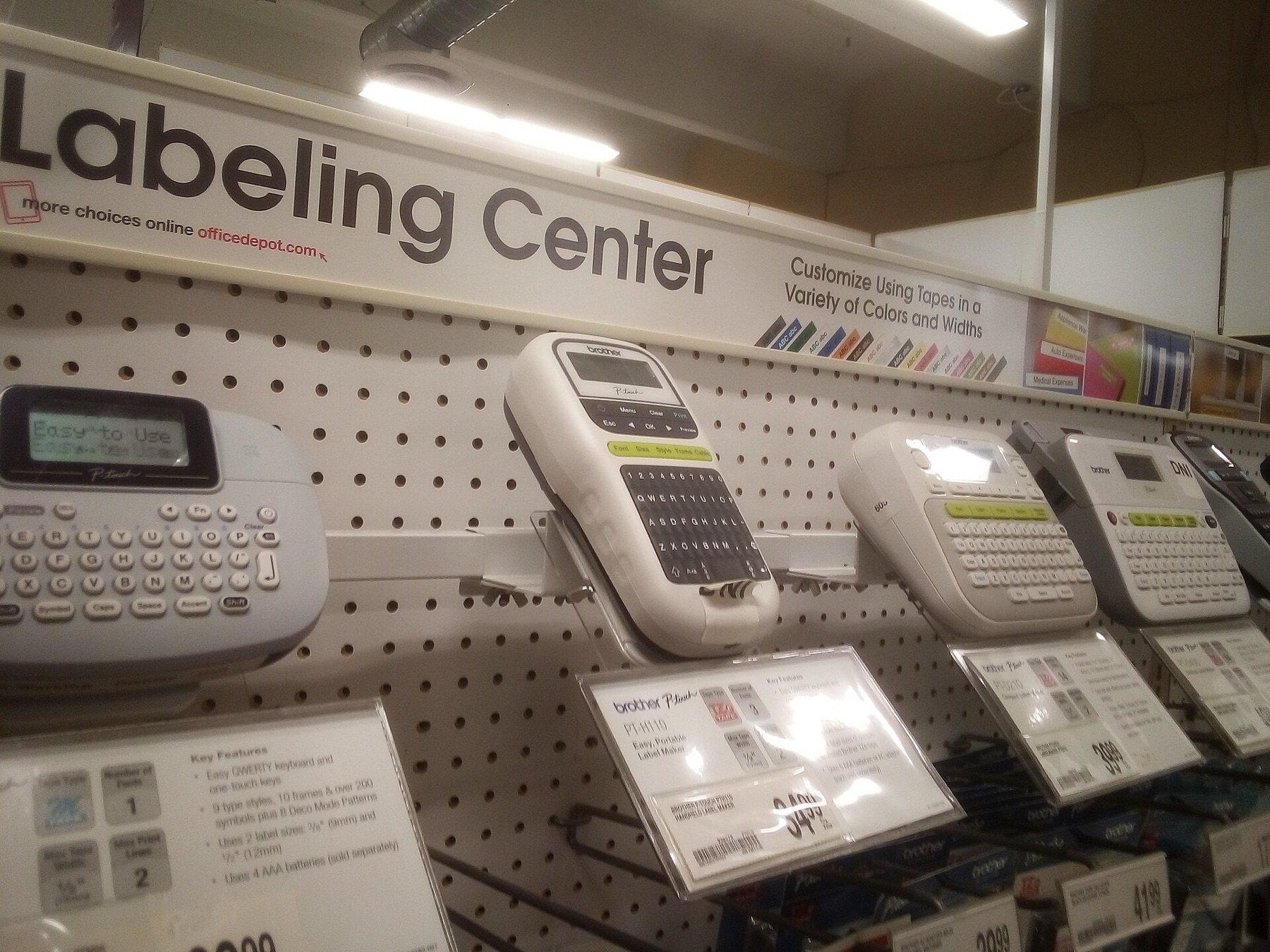
Retail marketplaces aggregate multiple brands and resellers in one catalog. On Amazon you’ll find handheld label makers, mid‑range office units, and shipping specialists:
- The Dymo LetraTag 200B listing on Amazon AU shows the consumer end of the market: compact, Bluetooth, tape‑based — perfect for home organization but not for FBA shipping labels.
- Listings for DYMO’s wide‑format LabelWriter range sit at the business end. An Australian review from DYMOOnline describes the DYMO LabelWriter 5XL as a “wide‑format shipping specialist,” emphasising its large‑label capability and compatibility with local carriers and ecommerce platforms.
Retail marketplaces typically suit:
- Low to mid‑volume FBA sellers who need one printer that works out of the box.
- Buyers who want easy returns processes and lots of user reviews to triangulate quality.
2. Brand‑direct and specialist ecommerce sites
Some brands sell their label printers directly or through specialist resellers. The DYMOOnline 5XL review is a good example: it focuses on integration with Australian platforms like eBay and Sendle, speed metrics (e.g., labels per minute), and pros/cons of DYMO’s automatic label recognition. That level of technical detail is rare on generic marketplaces.
Brand‑direct or specialist sites typically suit:
- Multi‑channel sellers who care about deep integration with specific local carriers and platforms.
- Buyers who want detailed technical documentation and local support for one brand.
3. Global wholesale and cross‑border marketplaces
Wholesale and cross‑border marketplaces connect you more directly to factories or trading companies. Their catalogs often go beyond desk‑top printers to include applicators and packaging‑line hardware.
Product snapshots from DHgate’s catalog (captured 2026-10-08) show the range of hardware available on cross‑border marketplaces:
| Example listing (DHgate) | Type / Category | Price range (USD) | Use case hint |
|---|---|---|---|
| Mini Portable Thermal Printer Label Maker Wireless Bluetooth | Mini Bluetooth thermal; Printers & Accessories | 61.36-64.26 | Consumer/office labels, stickers |
| Label Maker Machine with Tape Portable Printer | Mini thermal label maker; Printers | 38.30-47.12 | Home/office organization |
| Phomemo P12 Label Makers Mini Label Printer | Compact Bluetooth printer; Printers | 63.27-64.90 | Decorative/font stickers |
| Labeling Machine Smart Bluetooth Thermal Label Maker | Bluetooth thermal label printer; Printers | 34.34-93.33 | General purpose labels |
| ZONESUN Electric Flat Surface Label Applicator | Electric label applicator; Packing Machine | 1562.26-1618.10 | Industrial carton/bottle labelling |
Prices and availability can change, and these listings are not evaluated or endorsed here; they simply illustrate that cross‑border platforms carry both small Bluetooth label makers and industrial label applicators alongside consumables.
Wholesale/cross‑border platforms typically suit:
- High‑volume operations building or expanding a dispatch line with applicators and multiple printers.
- Buyers comfortable assessing specs, certifications, and seller track record themselves.
Choosing the Right Platform Route for Your Amazon FBA Workflow
Thermal printing is widely preferred by high‑volume ecommerce sellers because labels come out fast on continuous rolls and you avoid cutting, taping, and ink refills. An eBay community thread on label printers summarises the sentiment bluntly: laser can be fine, but “nothing beats the ease of thermal printing” for shipping labels.
Once you accept that thermal is your baseline for serious FBA work, the real choice is where to buy your printer.
How platform choice maps to your shipping volume
- Low‑volume FBA or side‑hustle seller: You need reliability and simplicity more than absolute hardware savings.
- Start with Amazon or a local retail marketplace and filter specifically for 4×6 direct‑thermal shipping printers from established brands (Rollo, DYMO, iDPRT, MUNBYN). Community threads in Amazon’s Seller forums are useful cross‑checks on what other FBA users are actually running.
- Consumer label makers on Amazon (LetraTag‑type devices) are fine for bin labels and inventory organization but won’t replace a 4×6 shipping printer.
- Multi‑channel seller (Amazon FBA + eBay + Shopify, Australia focus):
- A wide‑format unit like the DYMO LabelWriter 5XL positioned by DYMOOnline as a shipping specialist can make sense, because you’ll likely integrate with local carriers like Sendle or Australia Post and want confidence in format support.
- Buying through brand‑direct or specialist sites can help ensure you’re getting the exact regional model and software ecosystem the review describes.
- High‑volume warehouse or growing 3PL operation:
- Retail marketplaces are still useful for extra desktop thermal printers, but you may quickly hit the limits of consumer packaging gear.
- This is where cross‑border platforms (Alibaba, AliExpress, DHgate) start to make economic sense: you can source multiple printers, rolls, and applicators like the ZONESUN flat‑surface label applicator in one go, often directly from producers.
- You’ll trade off simplicity for flexibility and potential unit‑cost savings.
Where DHgate and other cross‑border platforms fit — and the checks you own
Cross‑border marketplaces, including DHgate, are not your obvious first stop for a single FBA label printer. Their value is breadth and potential cost leverage rather than plug‑and‑play convenience.
If you reach the point where importing hardware feels justified:
- Treat cross‑border marketplaces as catalogs of options, not pre‑vetted solutions. For each listing, you’ll need to check label width (can it truly print 4×6?), interface (USB, Bluetooth, driver support), and whether others have actually used it for shipping labels at scale.
- For industrial equipment like label applicators, carefully read dimensions, power requirements, and any references to thermal vs thermal‑transfer technology, drawing on neutral background material such as DHgate’s editorial explainer on thermal label printers to understand what you’re buying.
- If you’re new to cross‑border sourcing, it’s worth understanding the marketplace model first; DHgateWiki’s overview of what DHgate is and how the marketplace works and its broader guide on online marketplaces and shopping platforms are designed to help with that.
For many small Amazon FBA sellers, the practical route is phased:
- Prove your workflow with a direct‑thermal 4×6 printer bought through Amazon or a local specialist.
- Scale up by adding more of the same brand through retail or brand‑direct channels as volumes increase.
That way, your “Amazon label maker” decision is anchored to your actual FBA shipping workflow, not just to whichever marketplace happens to have the flashiest product listing this week.